
In today’s digital age, the process of obtaining a credit card has evolved significantly, shifting from cumbersome in-branch applications to streamlined online procedures. For many, a credit card is more than just a payment tool; it’s a gateway to building credit, managing finances, and accessing a range of benefits and rewards. The ability to research, compare, and apply for a credit card from the comfort of your home has democratized access to financial products, but it also necessitates a clear understanding of the process, the requirements, and the responsibilities involved. This comprehensive guide will walk you through everything you need to know about securing a credit card online, emphasizing financial prudence and strategic decision-making in the pursuit of your financial goals.
Understanding the Landscape of Online Credit Card Applications
The internet has revolutionized the way we interact with financial institutions, making once-complex processes remarkably accessible. Applying for a credit card online is now the norm, offering convenience, speed, and transparency that traditional methods often lacked.
The Digital Shift in Financial Services
The transition of financial services to online platforms is a testament to technological advancement and evolving consumer expectations. Banks and credit card issuers have invested heavily in robust online portals, secure application forms, and intuitive user interfaces, making the application process as seamless as possible. This digital transformation has not only expedited approvals but also empowered consumers with a wealth of information at their fingertips. You can compare cards from various issuers, read detailed terms and conditions, and even check pre-qualification offers without impacting your credit score. This unparalleled access to information enables a more informed decision-making process, crucial for selecting a financial product that aligns with your specific needs and financial situation.
Benefits of Applying for a Credit Card Online
The advantages of online applications extend beyond mere convenience. Firstly, accessibility is paramount; you can apply anytime, anywhere, freeing you from the constraints of banking hours or geographical limitations. Secondly, speed and efficiency are major draws. Many online applications can be completed in minutes, and some issuers even provide instant approval or conditional offers, significantly reducing waiting times. Thirdly, the breadth of choice available online is unmatched. Rather than being limited to the offerings of a single bank, you can explore hundreds of cards from diverse issuers, comparing features like APRs, annual fees, reward programs, and introductory offers with ease. Finally, online platforms often provide enhanced security measures, using encryption and secure servers to protect your sensitive personal and financial data during transmission, which is a critical consideration in today’s digital world.
Key Considerations Before You Begin
Before diving into the application process, it’s vital to lay a strong foundation of understanding. Your financial health, credit history, and personal objectives should guide your choices. Consider what you hope to achieve with a credit card: Is it to build credit? Earn rewards? Consolidate debt? Fund a large purchase? Your answer will dictate the type of card you should seek. Furthermore, take stock of your current income and existing debts, as these will directly influence your eligibility and the credit limit you might receive. A realistic assessment of your financial capacity to manage credit responsibly is the first step towards a successful and beneficial credit card experience.
Preparing for Your Online Credit Card Application
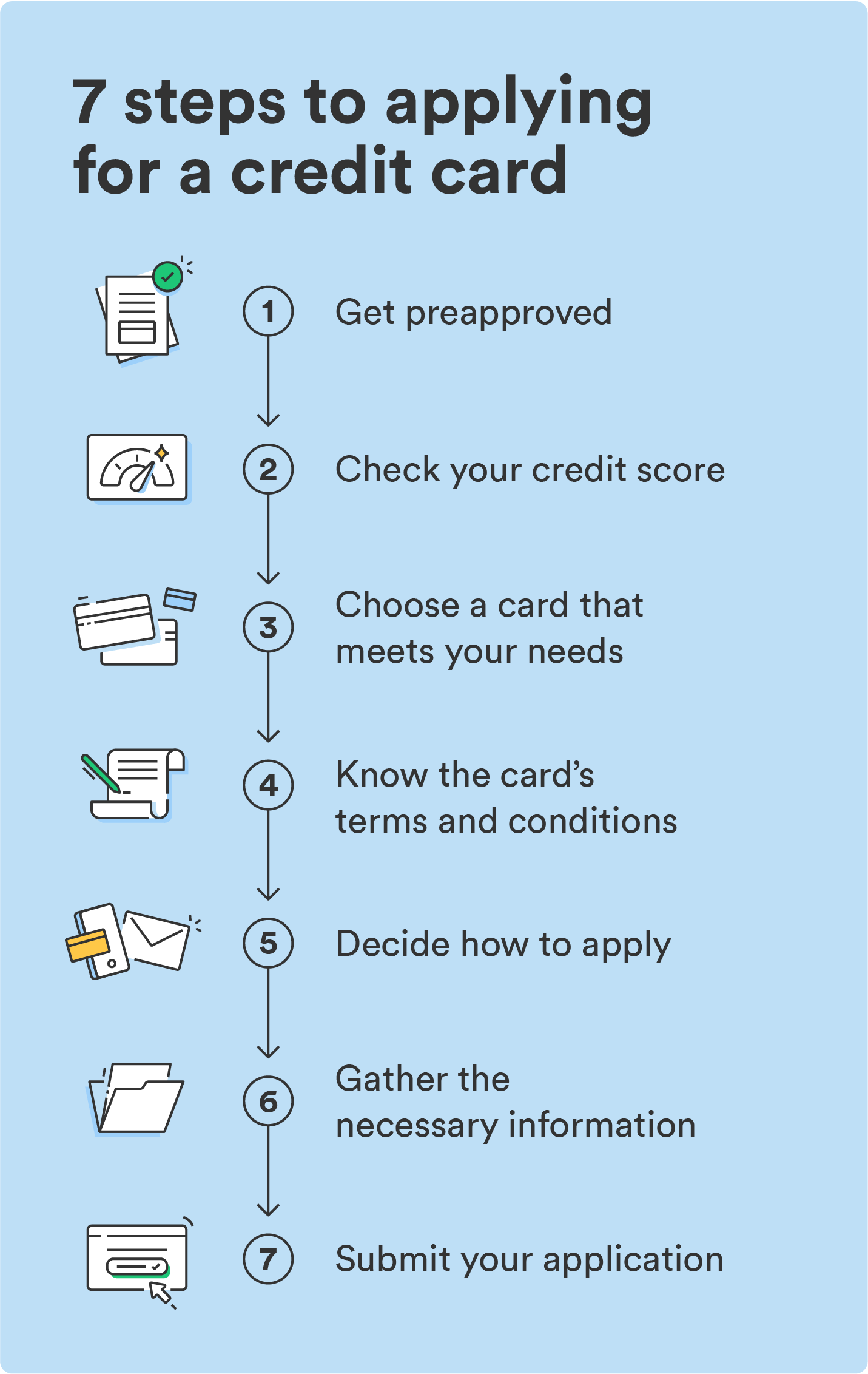
A successful online application isn’t just about filling out a form; it’s about strategic preparation. Understanding your financial standing and knowing what information is required will streamline the process and boost your chances of approval.
Essential Documents and Information You’ll Need
Credit card issuers require specific information to verify your identity, assess your creditworthiness, and comply with regulatory standards. While the exact requirements may vary slightly, you should generally have the following ready:
- Personal Information: Full legal name, date of birth, Social Security Number (SSN) or Individual Taxpayer Identification Number (ITIN), and contact information (address, phone number, email).
- Employment and Income Information: Your current employer’s name and contact details, your job title, and your annual gross income. Some issuers may also ask for monthly housing payments or other recurring expenses to gauge your debt-to-income ratio.
- Financial Account Details: While not always required for the initial application, having your bank account numbers (checking and savings) readily available can be useful for linking accounts or setting up automatic payments post-approval.
- Identification: While not physically submitted online, you’ll need a government-issued photo ID (like a driver’s license or passport) for verification if additional steps are required, or when activating your card.
Having this information organized and accurate before you start will prevent delays and potential errors in your application.
Understanding Your Credit Score and Report
Your credit score is a numerical representation of your creditworthiness, derived from the information in your credit report. It is one of the most critical factors lenders consider when evaluating your application. A higher score typically indicates a lower risk to lenders and can unlock better interest rates and higher credit limits. Before applying, it’s highly advisable to:
- Obtain Your Credit Report: You are entitled to a free copy of your credit report from each of the three major credit bureaus (Experian, Equifax, and TransUnion) once every 12 months via AnnualCreditReport.com. Reviewing your report allows you to check for errors, identify areas for improvement, and understand your credit history.
- Know Your Credit Score: Many banks and credit card companies offer free credit score access to their customers. Services like Credit Karma or myFICO also provide scores and insights. Knowing your score helps you gauge which cards you’re most likely to qualify for.
- Improve Your Credit (If Needed): If your score is low, consider taking steps to improve it before applying. This might include paying down existing debts, making all payments on time, and avoiding opening new credit accounts too frequently.
A clear understanding of your credit profile empowers you to apply for cards that match your current credit standing, reducing the likelihood of rejection.
Researching the Right Credit Card for You
With a plethora of credit card options available, selecting the right one is crucial. Don’t simply pick the first card you see; invest time in thorough research. Consider the following factors:
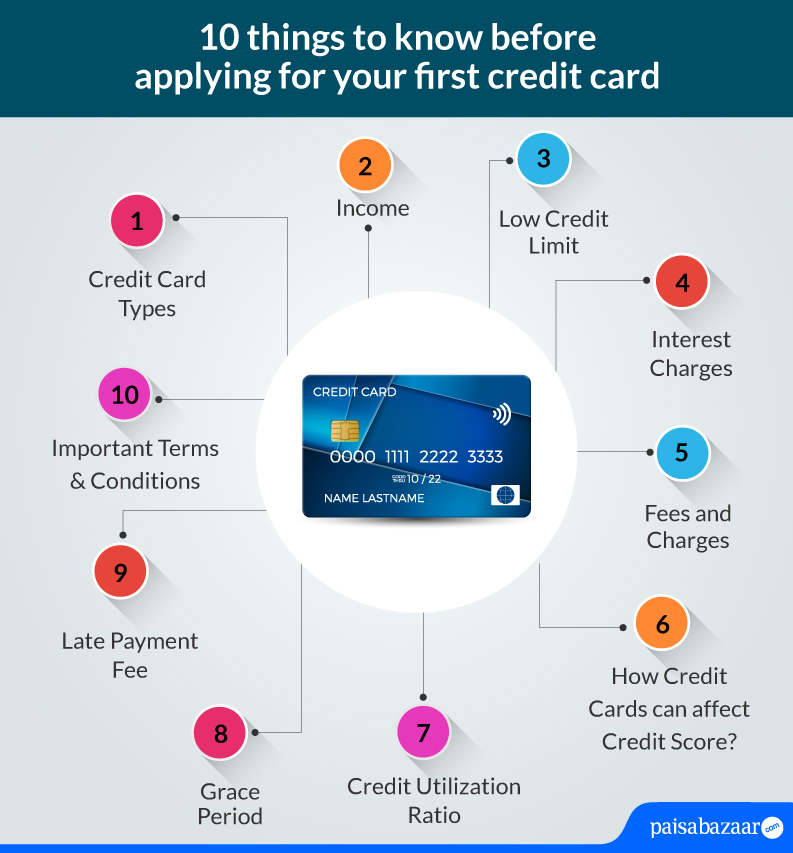
- Card Types:
- Rewards Cards: Offer cashback, travel points, or specific merchandise points.
- Balance Transfer Cards: Designed to help you pay off existing high-interest debt with a low or 0% introductory APR.
- Low-Interest Rate Cards: Focus on minimal interest charges, ideal if you anticipate carrying a balance.
- Secured Cards: Require a security deposit, often used by those with no credit or poor credit to build their history.
- Student Cards: Tailored for college students, often with lower credit limits and specific rewards.
- Annual Percentage Rate (APR): This is the interest rate you’ll pay on balances carried over month-to-month. Look for competitive rates, especially if you foresee not paying your balance in full each month.
- Annual Fees: Some premium cards come with annual fees, which are often justified by substantial rewards or benefits. Weigh the fee against the value you expect to receive.
- Reward Programs: If it’s a rewards card, understand how points are earned and redeemed. Is it cashback, travel, or something else? Does it align with your spending habits?
- Introductory Offers: Many cards offer sign-up bonuses, 0% APR periods, or balance transfer promotions. Ensure you understand the terms and conditions, especially the expiration dates of these offers.
Utilize online comparison tools and reputable financial websites to compare multiple cards side-by-side, focusing on the features that matter most to your financial objectives.
Navigating the Online Application Process Step-by-Step
Once you’ve done your homework, the actual online application process is typically straightforward. However, attention to detail and adherence to instructions are key.
Choosing a Reputable Issuer and Card
Start by revisiting your research and selecting the specific credit card that best fits your needs and credit profile. Prioritize reputable issuers known for good customer service, transparent terms, and robust security. Visit the official website of your chosen issuer directly to avoid phishing scams or fraudulent sites. Look for indicators of a secure site, such as “https://” in the URL and a padlock icon in your browser’s address bar.
Completing the Application Form Accurately
The online application form will ask for the personal, employment, and financial information you gathered in the preparation stage. It is paramount to:
- Provide Accurate Information: Double-check every field for typos or inaccuracies. Even minor errors can cause delays or lead to rejection.
- Be Honest: Do not inflate your income or misrepresent any financial details. Lenders have sophisticated verification processes, and any discrepancies can lead to immediate rejection and potentially negatively impact your future applications.
- Read the Fine Print: Before submitting, carefully review the terms and conditions, privacy policy, and any disclaimers. Understand the APR, fees, grace periods, and any other contractual obligations.
Most online forms are designed to be user-friendly, with clear prompts and help sections available if you have questions.
The Submission and Approval Process
After completing and submitting your application, there are a few possible outcomes:

- Instant Approval: Some applicants, particularly those with strong credit and straightforward applications, may receive an instant decision.
- Pending Review: Many applications go into a pending status, meaning the issuer needs more time to review your information or may require additional verification. This is a common scenario and doesn’t necessarily indicate a problem.
- Denial: If your application is denied, the issuer is legally required to send you an Adverse Action Notice explaining the reasons for the denial. This notice can be valuable for understanding areas where you need to improve your credit profile for future applications.
During a pending review, avoid applying for other credit cards, as multiple hard inquiries in a short period can temporarily lower your credit score. If you haven’t heard back within a reasonable timeframe (e.g., 7-10 business days), you can usually contact the issuer’s reconsideration line to inquire about your application status.
What Happens After Approval
Congratulations! Once approved, the excitement begins.
- Receiving Your Card: Your new credit card will typically arrive via mail within 7-10 business days. It will be sent to the address you provided in your application.
- Activation: Upon receiving your card, you’ll need to activate it before use. This usually involves a quick phone call to an automated service or a visit to the issuer’s website, using the provided activation instructions. This step is a security measure to ensure the card is in the hands of the rightful owner.
- Review Your Cardholder Agreement: Take the time to read the full cardholder agreement that comes with your card. It contains all the detailed terms and conditions, including your credit limit, APR, fees, and dispute resolution processes.
- Set Up Online Access: Register for online account access with the issuer. This will allow you to monitor your balance, review transactions, make payments, and manage your card from anywhere.
Responsible Credit Card Management for Long-Term Financial Health
Getting a credit card online is just the first step. The true value and benefit come from managing it responsibly, which is crucial for building a strong credit history and achieving financial stability.
Understanding Your Credit Card Statement
Your monthly credit card statement is more than just a bill; it’s a comprehensive overview of your account activity. It typically includes:
- Previous Balance: The amount owed at the end of the last billing cycle.
- New Purchases/Cash Advances: A detailed list of all transactions.
- Payments and Credits: Any payments made or returns processed.
- Interest Charged: If you carried a balance, this shows the interest accumulated.
- Current Balance: The total amount you owe.
- Minimum Payment Due: The smallest amount you must pay to keep your account in good standing.
- Payment Due Date: The deadline for making your payment.
- Rewards Summary: An update on your earned points or cashback.
Carefully review your statement each month for accuracy, checking for any unauthorized transactions and understanding where your money is going.
Strategies for On-Time Payments and Avoiding Debt
Consistently making on-time payments is the cornerstone of good credit management. Late payments can incur fees, increase your APR, and severely damage your credit score.
- Pay in Full: The golden rule of credit cards is to pay your statement balance in full every month. This strategy avoids interest charges entirely, maximizing the benefits of your card without incurring debt.
- Set Up Automatic Payments: If paying in full isn’t always feasible, set up automatic payments for at least the minimum amount due. This ensures you never miss a payment and avoid late fees.
- Budgeting: Integrate your credit card payments into your monthly budget. Understand your spending habits and allocate funds specifically for credit card bills.
- Avoid Overspending: Use your credit card wisely and only for purchases you can comfortably afford to pay back. Don’t view your credit limit as an extension of your income.
- Monitor Your Credit Utilization Ratio: This is the amount of credit you’re using compared to your total available credit. Keeping this ratio below 30% is generally recommended for a healthy credit score.
Maximizing Rewards and Benefits
If you chose a rewards credit card, ensure you’re leveraging its features to your advantage.
- Understand Earning Categories: Many cards offer bonus rewards in specific spending categories (e.g., groceries, gas, dining). Align your spending to these categories where possible.
- Redeem Strategically: Understand the redemption options and values. Sometimes, redeeming points for travel offers better value than cashback, or vice versa.
- Utilize Card Benefits: Don’t forget about other perks, such as extended warranties, purchase protection, travel insurance, or concierge services. These can offer significant value beyond rewards points.
Remember, never spend more just to earn more rewards. The interest you’d pay on an unpaid balance will almost always outweigh the value of the rewards.
Monitoring Your Credit for Security and Growth
Ongoing monitoring of your credit is a vital aspect of financial hygiene.
- Regularly Check Your Credit Report: Continue to obtain your free credit reports annually from all three bureaus. Scrutinize them for any unfamiliar accounts, incorrect information, or signs of identity theft.
- Monitor Your Credit Score: Keep an eye on your credit score’s fluctuations. Most banks and various online services offer free credit score monitoring. Understanding what impacts your score can help you make better financial decisions.
- Set Up Account Alerts: Most credit card issuers allow you to set up alerts for large purchases, international transactions, or low balance warnings. These alerts can help you spot fraudulent activity quickly.
Vigilance in monitoring your credit can protect you from financial fraud and empower you to continuously improve your financial health.
Common Pitfalls and How to Avoid Them
While applying for a credit card online offers many conveniences, there are potential traps that can derail your financial progress. Awareness is the first step toward avoidance.
The Dangers of Applying for Too Many Cards
A common mistake, especially for those new to credit, is applying for multiple credit cards in a short period. Each “hard inquiry” (when a lender checks your credit for an application) can temporarily ding your credit score. Too many inquiries signal to lenders that you might be in financial distress or are taking on too much debt, making you appear riskier. This can lead to rejections and a further dip in your score. Approach credit card applications thoughtfully, applying only for cards you genuinely need and are likely to qualify for.
Guarding Against Identity Theft and Scams
The digital realm, while convenient, also harbors risks. When applying online:
- Verify Website Authenticity: Always ensure you are on the official website of the credit card issuer. Look for the “https://” in the URL and the padlock icon. Phishing sites can mimic legitimate ones to steal your personal information.
- Be Wary of Unsolicited Offers: Emails or messages promising guaranteed approval or unrealistic offers should be treated with extreme caution. Legitimate offers usually come directly from established financial institutions.
- Secure Your Information: Use strong, unique passwords for your online banking and credit card accounts. Enable two-factor authentication whenever available. Be cautious about sharing personal information over unsecured networks or public Wi-Fi.
- Shred Documents: Once you’ve safely submitted your application and the card is activated, shred any physical documents containing sensitive information.
Proactive security measures are essential to protect your financial identity.
Dealing with Rejections and Improving Your Chances
If your application is denied, it can be disheartening, but it’s not the end of the road.
- Review the Adverse Action Notice: As mentioned, the issuer is required to tell you why you were denied. This information is invaluable for identifying areas needing improvement.
- Contact the Reconsideration Line: Sometimes, a human review can lead to an approval, especially if there’s an explanation for a particular item on your credit report or income.
- Improve Your Credit Profile: Based on the denial reasons, focus on strengthening your credit. This might involve:
- Paying down existing debt to lower your credit utilization.
- Disputing any errors on your credit report.
- Consistently making all payments on time.
- Waiting a few months before reapplying to allow your score to recover from the hard inquiry.
- Consider a secured credit card or a credit-builder loan as stepping stones to improve your creditworthiness.
A credit card can be a powerful financial tool, enabling convenience, security, and the ability to build a robust credit history. By understanding the online application process, preparing diligently, and committing to responsible management, you can successfully navigate the world of credit cards and leverage them to support your long-term financial health. The journey begins with informed choices and consistent discipline, paving the way for a strong and stable financial future.
aViewFromTheCave is a participant in the Amazon Services LLC Associates Program, an affiliate advertising program designed to provide a means for sites to earn advertising fees by advertising and linking to Amazon.com. Amazon, the Amazon logo, AmazonSupply, and the AmazonSupply logo are trademarks of Amazon.com, Inc. or its affiliates. As an Amazon Associate we earn affiliate commissions from qualifying purchases.