
In an increasingly digital world, where online transactions, mobile payments, and digital wallets dominate our financial interactions, the humble checkbook might seem like an anachronism. Yet, for millions of individuals and businesses, the checkbook remains an indispensable tool for managing finances, making secure payments, and maintaining a robust financial record. Whether it’s for paying rent, settling with a contractor, making a significant personal donation, or simply having a reliable backup payment method, a physical checkbook offers a layer of security, formality, and sometimes, necessity, that digital alternatives cannot fully replicate.
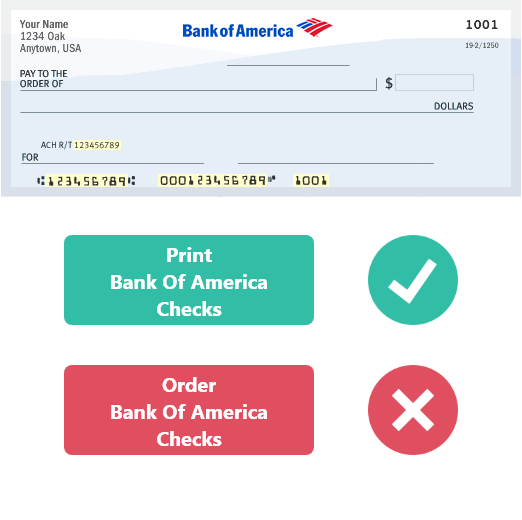
For customers of Bank of America, one of the largest and most prominent financial institutions globally, obtaining a checkbook is a straightforward process, though understanding the various methods, associated costs, and best practices can significantly enhance your overall financial management strategy. This guide aims to demystify the process of acquiring a checkbook from Bank of America, placing it within the broader context of intelligent personal finance and equipping you with the knowledge to make informed decisions about your payment methods.
Understanding the Modern Relevance of Checkbooks
Before diving into the mechanics of ordering, it’s crucial to appreciate why checks, despite their age, continue to hold a significant place in the modern financial landscape. This understanding reinforces the value of having a checkbook as part of your comprehensive financial toolkit.
Beyond Digital: Why Checks Still Matter for Personal Finance
While the convenience of digital payments is undeniable, there are specific scenarios where checks remain the preferred, or even the only, acceptable form of payment. Many landlords, for instance, still prefer or require physical checks for rent payments, citing easier record-keeping, greater control over deposit timing, or simply a reluctance to adopt new technologies. Similarly, various service providers, independent contractors, or small businesses might opt for checks, especially for larger transactions where digital payment processing fees can be substantial. For individuals making significant financial gifts, checks offer a formal, trackable, and easily documented method of transfer. The ability to write a check can also be a lifesaver in situations where digital systems are down, or you lack internet access, serving as a reliable fallback.
Common Scenarios Requiring a Checkbook
Consider these practical situations where a checkbook becomes invaluable:
-
Rent Payments: Many landlords, particularly private ones, prefer physical checks over digital transfers, often for consistency and avoiding processing fees.
-
Utility Bills (Specific Providers): While many utilities offer online payment, some smaller or older companies might still require checks, especially for mailed payments.
-
Payments to Individuals Without Digital Wallets: Not everyone uses Zelle, Venmo, or PayPal. A check is a universal way to pay someone directly from your bank account.
-
Contractors and Home Services: For home repairs, landscaping, or other services, checks provide a clear paper trail for both parties and are often preferred by independent contractors.
-
School or Club Fees: Many educational institutions and community organizations still collect fees via check, simplifying their internal accounting.
-
Gifts and Donations: For formal gifts or charitable contributions, a check offers a tangible record for both the giver and receiver, and for tax purposes.
-
Emergency Fund Access: In rare cases of digital system failures or widespread power outages, a pre-written check could be a vital tool for immediate expenses.
Security and Record-Keeping Benefits
Checks offer unique security and record-keeping advantages. Each check carries a unique number, date, payee, and amount, providing an explicit paper trail for every transaction. When used with a check register (discussed later), this creates a meticulous record of outflows that can be invaluable for budgeting, tax preparation, and dispute resolution. Furthermore, many checks today come with various security features – such as watermarks, microprinting, and chemical alteration protection – designed to deter fraud, adding another layer of safety to your transactions. While digital transactions are also recorded, the physical nature of a check and the associated banking processes can offer a different sense of control and verification for certain financial interactions.
Navigating Bank of America’s Checkbook Ordering Process
Bank of America provides several convenient methods for customers to order or reorder checkbooks, catering to different preferences and needs. Understanding these options allows you to choose the most efficient path.
Eligibility Requirements and Account Types
The primary requirement for obtaining a checkbook from Bank of America is having an active checking account. Checkbooks are typically associated exclusively with checking accounts, which are designed for frequent transactions and payments. Savings accounts generally do not come with check-writing privileges, as their primary purpose is for saving money, not for day-to-day spending. Ensure your Bank of America account is a checking account before proceeding. If you have multiple checking accounts, you’ll need to specify which account the checkbook should be linked to.
Online Ordering: Convenience at Your Fingertips
For most Bank of America customers, ordering checks online is the quickest and most convenient method. It can be done anytime, anywhere, provided you have internet access.
-
Step-by-Step Guide for Online Banking Portal:
-
Log In: Access your Bank of America online banking account via their official website or the mobile app.
-
Navigate to Ordering Section: Look for a section typically labeled “Order Checks & Deposit Tickets,” “Account Services,” or similar. This is often found under your checking account details or in a general services menu.
-
Select Account: If you have multiple checking accounts, select the specific account for which you want to order checks.
-
Choose Check Style and Quantity: Bank of America partners with external check printers (such as Harland Clarke) to offer a variety of check styles, designs, and quantities. You can choose from standard designs, themed checks, or more professional options. You’ll also specify the number of checks you need (e.g., a box of 100, 200, etc.).
-
Review Details: The system will display your account information (name, address, account number, routing number) as it will appear on the checks. Carefully review this for accuracy to prevent errors.
-
Customization Options: Many check printers offer customization options, including adding a second line for a business name, choosing a specific font, or adding security features like fraud protection.
-
Confirm and Pay: Review the total cost, including any shipping fees. Confirm your order and complete the payment using your Bank of America account.
-
Order Confirmation: You will receive an order confirmation, usually via email, with an estimated delivery date and tracking information.
-
In-Branch Ordering: Personalized Assistance
If you prefer face-to-face interaction, have questions, or need immediate assistance, visiting a Bank of America financial center is a viable option.
-
What to Bring to the Branch: When visiting a branch, ensure you bring a valid government-issued photo ID (e.g., driver’s license, passport) and your Bank of America debit card or account number. This helps the bank verify your identity and access your account quickly.
-
Speaking with a Financial Specialist: A customer service representative or financial specialist at the branch can guide you through the check ordering process, show you available check designs, explain pricing, and help you customize your order. This method is particularly useful if you’re ordering checks for the first time, have specific requests, or need help understanding the different types of checks or security features available. They can also assist with any issues related to past orders or address specific concerns.
Phone Ordering: Direct Customer Service
For those who prefer speaking directly with a representative but cannot visit a branch, ordering checks over the phone is another convenient option.
-
Contacting Bank of America Customer Support: Call Bank of America’s customer service number (typically found on their website, the back of your debit card, or your account statements).
-
Verification Procedures: Be prepared to answer security questions to verify your identity. This might include your full name, account number, date of birth, Social Security Number digits, or answers to personal security questions you’ve set up.
-
Placing the Order: Once verified, the representative can help you select your check style, quantity, and confirm your shipping address. They will also inform you of the cost and process the payment from your checking account. Keep a pen and paper handy to jot down your order confirmation number and estimated delivery date.
Costs, Delivery, and Related Financial Considerations
Understanding the financial implications and logistics of obtaining a checkbook is crucial for responsible money management.
Understanding Checkbook Fees
Checks are generally not free, though exceptions exist. The cost of a checkbook typically varies based on:
-
Style and Design: Basic, standard checks are usually the least expensive. Themed, custom-designed, or “designer” checks often come with a higher price tag.
-
Quantity: Ordering a larger quantity of checks (e.g., 200 instead of 100) might offer a lower per-check cost.
-
Security Features: Enhanced security features, such as advanced fraud protection measures, can also add to the cost.
-
Expedited Shipping: Standard shipping is usually included or inexpensive, but if you need your checks quickly, expedited shipping will incur additional charges.
-
Account Type: Some premium checking accounts or small business checking accounts might include a certain number of free checks per year or at a discounted rate. Always check your account benefits.
It’s wise to compare prices for different options before finalizing your order. The cost will be clearly displayed during the online ordering process or communicated by a representative.
Delivery Timelines and Tracking Your Order
Once an order is placed, checks typically take 7-14 business days to be printed and delivered via standard mail. This timeframe can vary based on the check printer’s current volume, your location, and the specific delivery service. If you opt for expedited shipping, you might receive them within 3-5 business days, but at a higher cost. Most online orders will provide a tracking number, allowing you to monitor the delivery status of your checkbook. If you ordered in-branch or over the phone, ask the representative if a tracking number will be provided.
First Checkbook Free? Exploring New Account Perks
Many banks, including Bank of America, sometimes offer a complimentary first box of checks to new checking account holders. This is a common incentive to attract new customers. When opening a new checking account, always inquire about this possibility. If you’re a long-time customer, it’s less likely to be offered for reorders, but specific promotions or premium account types might occasionally include free checks. It never hurts to ask a representative if any current promotions apply to you.
Reordering Checks: A Seamless Process
Once you’ve ordered checks once, reordering is usually even simpler. The check printer often keeps your previous order details on file, making the reordering process largely automated. You can often reorder through the same online portal, by phone, or in-branch. Ensure that your personal information (name, address) is still current. If your address or name has changed, you’ll need to update your account information with Bank of America before reordering checks to ensure the new checks reflect the correct details.
Integrating Your Checkbook into Your Financial Strategy
Acquiring a checkbook is just the first step. To truly leverage this financial tool, it needs to be integrated effectively into your broader financial management strategy.
Responsible Checkbook Management: Avoiding Common Pitfalls
Careless checkbook management can lead to significant financial headaches. Always be mindful of:
-
Overdrafts: Ensure you have sufficient funds in your account before writing a check. An overdraft can result in costly fees from the bank and potential issues with the payee.
-
Check Fraud: Treat your checkbook like cash. Store it in a secure place where it cannot be easily stolen or accessed. Never sign blank checks. When writing a check, fill out all fields completely, leaving no room for alteration. Report lost or stolen checks to Bank of America immediately.
-
Stale Checks: Checks generally have an expiration date (often 90 or 180 days after the issue date, depending on the bank and state law). While some banks might still honor stale-dated checks, many will not. Always encourage payees to deposit checks promptly.
-
Post-Dated Checks: Writing a post-dated check (a check dated for a future date) is generally legal but carries risks. Banks are not always obligated to honor the future date and may process it immediately. Only use post-dated checks if you have a clear understanding with the payee and sufficient funds for immediate processing.
The Importance of a Check Register
A check register is a small booklet (often included with your checks) or a section in your personal finance software where you record every check you write, its amount, payee, and date. It’s an old-school but incredibly effective way to keep track of your spending and reconcile your account. By diligently updating your check register, you can:
-
Prevent Overdrafts: Know your exact available balance at all times.
-
Track Expenses: Categorize your spending for budgeting purposes.
-
Reconcile Statements: Easily compare your records with your monthly bank statements to spot discrepancies or errors.
-
Dispute Resolution: Have a clear record in case of a payment dispute.
Balancing Traditional and Digital Payment Methods
The key to optimal financial management is not to choose between traditional and digital, but to effectively integrate both. Understand when each method is most appropriate:
-
Checks: Best for situations requiring a paper trail, formal payments, or when digital options aren’t available or preferred by the payee (e.g., rent, contractors, large personal gifts).
-
Digital Payments (Online Bill Pay, Zelle, Debit Cards): Ideal for recurring bills, immediate transfers, everyday purchases, and person-to-person payments where speed and convenience are paramount.
Bank of America offers a robust suite of digital tools, including online bill pay, Zelle for instant person-to-person transfers, and widely accepted debit cards. By understanding the strengths of each, you can build a versatile and secure payment ecosystem. For example, use online bill pay for your utilities, Zelle for splitting restaurant tabs with friends, and your checkbook for your monthly rent.

Other Financial Tools from Bank of America
Beyond checkbooks, Bank of America provides a comprehensive range of financial tools designed to help you manage your money effectively. These include:
-
Online Banking & Mobile App: For managing accounts, paying bills, transferring funds, and monitoring transactions.
-
Debit Cards: For everyday purchases and ATM withdrawals.
-
Zelle: For quick, fee-free transfers to friends and family directly from your bank account.
-
Online Bill Pay: For scheduling and paying recurring bills electronically.
-
Budgeting Tools: Many banks offer internal budgeting features within their online platforms to help you track spending.
-
Financial Advisors: For more complex financial planning and investment strategies.
These tools, when used in conjunction with a responsibly managed checkbook, ensure that you have every option available for secure, efficient, and well-documented financial transactions.
In conclusion, obtaining a checkbook from Bank of America is a straightforward process, accessible through online banking, in-branch visits, or phone support. While digital payments continue to evolve, the enduring utility, security, and formality of a check make it an invaluable component of a well-rounded financial strategy. By understanding the ordering process, associated costs, and best practices for checkbook management, Bank of America customers can confidently navigate their financial landscape, ensuring they are prepared for every payment scenario, both digital and traditional.
aViewFromTheCave is a participant in the Amazon Services LLC Associates Program, an affiliate advertising program designed to provide a means for sites to earn advertising fees by advertising and linking to Amazon.com. Amazon, the Amazon logo, AmazonSupply, and the AmazonSupply logo are trademarks of Amazon.com, Inc. or its affiliates. As an Amazon Associate we earn affiliate commissions from qualifying purchases.