
Chase Bank stands as one of the most prestigious and sought-after issuers in the credit card industry. For many, a Chase card is not just a tool for daily spending, but a gateway to a highly lucrative rewards ecosystem known as Chase Ultimate Rewards. However, obtaining a Chase credit card is notoriously more difficult than securing one from other major lenders. Chase is famous for its strict internal rules, high credit score requirements, and a deep-seated preference for consumers who demonstrate fiscal responsibility.
Navigating the application process requires a blend of financial preparation and strategic timing. Whether you are looking for your first “adult” credit card or you are a seasoned “churner” looking to maximize travel points, understanding the specific mechanics of Chase’s approval algorithm is essential. This guide outlines the essential steps, hidden rules, and portfolio strategies necessary to successfully acquire and leverage a Chase bank credit card.

Understanding Chase’s Strict Eligibility Criteria: The 5/24 Rule and Beyond
The most significant barrier to entry for any Chase credit card is a set of internal guidelines that are not always explicitly stated on the application page. The most famous of these is the “5/24 Rule.” To successfully get a Chase card, you must first understand how this rule dictates the bank’s decision-making process.
The 5/24 Rule Explained
The 5/24 Rule is an informal policy used by Chase to automatically decline applicants who have opened five or more new credit card accounts with any issuer in the past 24 months. Even if you have a perfect 850 credit score and a multi-million dollar income, violating this rule almost always results in an automatic denial.
This rule applies to all credit card accounts that show up on your personal credit report, including retail store cards and authorized user accounts. While some business cards (like those from Amex or Citi) do not report to your personal credit profile and thus do not count toward your “5/24 status,” any card that appears as a “new account” on your credit report will be factored in. Therefore, the first step in getting a Chase card is auditing your own credit report to ensure you are at “4/24” or lower.
Credit Score and History Requirements
Beyond the 5/24 Rule, Chase generally requires a “Good” to “Excellent” credit score. For entry-level cards like the Chase Freedom Rise, you may be able to get approved with a thinner credit file, particularly if you have an existing Chase checking account. However, for the flagship cards like the Chase Sapphire Preferred or the Chase Sapphire Reserve, you typically need a FICO score of at least 700 to 720.
Furthermore, Chase prefers to see at least one year of credit history on your own accounts (not as an authorized user) before they will approve you for their mid-tier products. If you are a student or someone new to credit, starting with a Chase checking account and their entry-level “Rise” card is the most reliable path to building the necessary rapport for their premium offerings.
The Sapphire-Specific Rules
Chase also implements specific restrictions on its most popular line of cards: the Sapphire series. You can only hold one Sapphire card at a time (either the Preferred or the Reserve). Additionally, you are ineligible for a new Sapphire card sign-up bonus if you have received a bonus on any Sapphire card within the last 48 months. This “48-month rule” is longer than the standard 24-month cooling-off period found with their other cards, making the timing of your application critical for maximizing rewards.
Choosing the Right Card: From Starter Options to Premium Travel
Before applying, you must identify which card fits your current financial profile and spending habits. Chase’s portfolio is divided into several distinct categories, each with its own barrier to entry and reward structure.
The Freedom Family: Everyday Earners
The Chase Freedom Unlimited and Chase Freedom Flex are the “workhorse” cards of the Chase ecosystem. They generally have no annual fee and are excellent for those transitioning from “fair” to “good” credit.
-
Freedom Unlimited: Offers a flat 1.5% cashback on all purchases, making it a simple, effective tool for those who don’t want to track categories.
-
Freedom Flex: Features 5% rotating quarterly categories. This card requires more active management but offers higher potential returns.
These cards are often the best “first Chase cards” for those who want to begin earning Ultimate Rewards points without committing to an annual fee.
The Sapphire Series: Premium Travel
The Chase Sapphire Preferred and Chase Sapphire Reserve are the crown jewels of the personal finance world.
-
Sapphire Preferred: Often cited as the best all-around travel card, it carries a moderate $95 annual fee. It allows you to transfer points to airline and hotel partners at a 1:1 ratio, which is where the true value of the Chase ecosystem lies.
-
Sapphire Reserve: A high-end luxury card with a $550 annual fee. It offers a $300 annual travel credit, airport lounge access (Priority Pass), and a 50% points boost when booking through the Chase Travel portal.
Approval for the Reserve usually requires a minimum credit limit of $10,000, meaning Chase must be comfortable extending you at least that much credit based on your income and history.
The Ink Business Suite
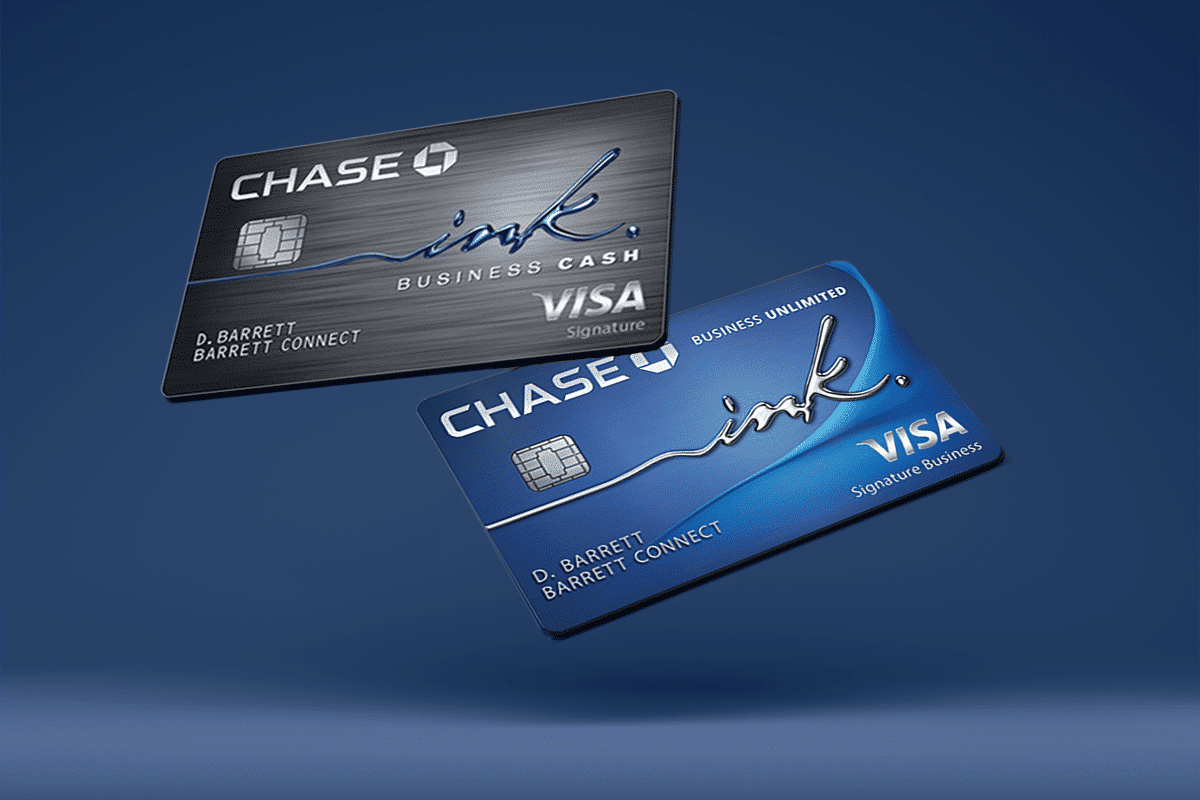
For small business owners or freelancers, the Chase Ink series (Business Cash, Business Unlimited, and Business Preferred) offers some of the highest sign-up bonuses in the industry. Crucially, while you must be under 5/24 to be approved for these cards, the Ink cards themselves usually do not add to your 5/24 count because they do not appear on your personal credit report. This makes them a strategic “stop-gap” for people who want to earn points while waiting for their 5/24 status to cool down.
The Application Blueprint: Steps to Secure an Approval
Once you have identified the card you want and confirmed you are eligible under the 5/24 Rule, you should follow a structured approach to increase your odds of success.
Step 1: Pre-Approval and Internal Relationships
The most effective way to gauge your chances is to check for “Just For You” offers or “Fixed Rate” offers within the Chase mobile app or website. If you already have a checking or savings account with Chase, they frequently provide pre-approved offers based on your internal “customer score.” These offers can sometimes bypass certain strictures, though they are never a 100% guarantee. If you don’t have a relationship with Chase, consider opening a Total激 Checking account a few months before applying for a credit card; the internal data of your cash flow can often outweigh a slightly lower credit score.
Step 2: Optimizing Your Credit Profile
Before hitting “Submit,” ensure your credit utilization is low. Ideally, your reported balances should be under 10% of your total available credit across all cards. If you have recently paid down a large balance, wait for your credit report to update (which usually happens once a month) before applying. Chase’s algorithm is sensitive to high utilization, as it may signal financial distress.
Step 3: Precise Income Reporting
When the application asks for “Total Gross Annual Income,” remember that you can legally include any income to which you have a “reasonable expectation of access.” This includes not just your salary, but also bonuses, investment dividends, and even a spouse’s income if you are over 21 and use that income to pay shared expenses. Accurately maximizing this number can be the difference between a $2,000 limit and a $10,000 limit.
Mastering the Reconsideration Call: Turning a “No” into a “Yes”
One of the most overlooked aspects of getting a Chase card is the “Reconsideration Line.” If your application is not instantly approved—or if you receive a “7 to 10 days” message—it doesn’t necessarily mean you’ve been denied.
Why Applications Get Flagged
Chase often flags applications for simple reasons: identity verification, a “frozen” credit report, or because you have reached the maximum amount of total credit Chase is willing to extend to you across all your cards. If you are denied, you should immediately call the Chase Reconsideration Line.
The Reconsideration Script
When you call, be professional and prepared. Ask the representative if there was a specific reason for the denial and offer to provide more information. Common successful strategies include:
-
Moving Credit Limits: If they say you have too much credit with them, ask to move $5,000 from an existing Freedom card to the new Sapphire card. This costs Chase nothing in terms of risk but allows you to get the new card.
-
Clarifying Income: Sometimes the algorithm flags an income jump. Being able to explain a new promotion or side business can clear the hurdle.
-
Verification: Sometimes they just need you to upload a utility bill or a copy of your Social Security card to prove you are who you say you are.
The Chase Ecosystem Strategy: Building a Multi-Card Portfolio
Getting your first Chase card is only the beginning. To truly master personal finance through the Chase lens, you should aim for the “Chase Trifecta.” This is a strategy used to maximize the points earned on every dollar spent.
The Trifecta typically consists of:
-
A Sapphire Card (Preferred or Reserve): Used for travel and dining, and to act as the “hub” for transferring points to partners.
-
Freedom Flex: Used for 5% rotating categories.
-
Freedom Unlimited: Used for everything else (1.5% base rate).
The magic of this strategy lies in the ability to move points from the Freedom cards to the Sapphire card. While Freedom points are technically “cashback,” they become “Ultimate Rewards” points when moved to a Sapphire account. This allows you to take 5% cashback from a Freedom Flex category and turn it into 5x points, which can be worth 10% or more when transferred to high-value travel partners like Hyatt or United Airlines.
In conclusion, getting a Chase bank credit card is a marathon, not a sprint. It requires a disciplined approach to the 5/24 rule, a healthy credit score, and a strategic understanding of which card serves your current needs. By managing your relationship with the bank and utilizing the reconsideration process when necessary, you can unlock one of the most powerful financial toolkits available to consumers today.
aViewFromTheCave is a participant in the Amazon Services LLC Associates Program, an affiliate advertising program designed to provide a means for sites to earn advertising fees by advertising and linking to Amazon.com. Amazon, the Amazon logo, AmazonSupply, and the AmazonSupply logo are trademarks of Amazon.com, Inc. or its affiliates. As an Amazon Associate we earn affiliate commissions from qualifying purchases.