
In the intricate world of personal finance, understanding the nuances of various payment instruments is paramount for secure and efficient transactions. Among these, the cashier’s check stands out as a highly trusted method for guaranteeing funds, particularly in high-value exchanges. For many consumers, navigating the process of obtaining such a check from a major financial institution like Chase can seem daunting. However, armed with the right information and a clear understanding of its role, securing a cashier’s check at Chase is a straightforward process that offers significant peace of mind.
This article delves into the specifics of obtaining a cashier’s check from Chase Bank, positioning this financial tool within a broader context of personal finance management. We will explore what makes a cashier’s check a preferred option for certain transactions, guide you through the practical steps at a Chase branch, and discuss the critical financial implications, including security and alternatives. By the end, you will have a comprehensive understanding that empowers you to make informed financial decisions when a guaranteed payment is required.
Understanding the Cashier’s Check in Modern Finance
At its core, a cashier’s check represents a secure form of payment where the bank, not the individual account holder, is the guarantor of funds. This fundamental distinction elevates its trustworthiness above personal checks, making it indispensable for specific financial scenarios.
What Exactly is a Cashier’s Check?
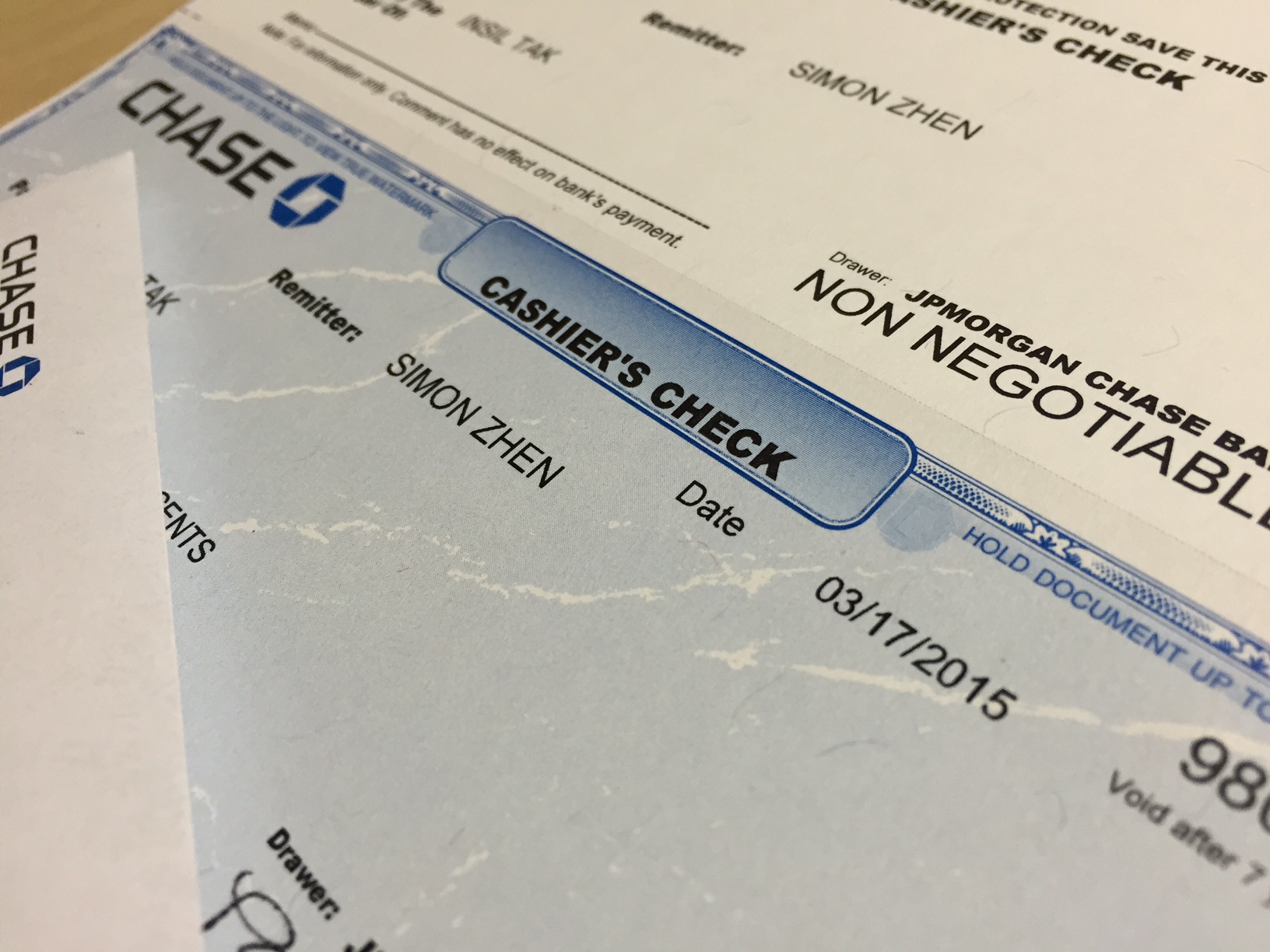
A cashier’s check is a check guaranteed by the issuing bank. When you request a cashier’s check, the funds are immediately withdrawn from your account (or paid in cash) and transferred into the bank’s own account. The bank then issues a check drawn on its own funds, bearing its signature, and payable to your designated recipient. This process ensures that the funds are available and will clear, effectively eliminating the risk of the check bouncing. Unlike a personal check, which can be affected by insufficient funds in the issuer’s account, a cashier’s check carries the bank’s promise to pay, lending it an inherent reliability that is crucial in many financial transactions. This guarantee makes it a favored instrument where payment assurance is non-negotiable, distinguishing it from other payment methods that might carry greater risk.
When and Why to Opt for a Cashier’s Check?
The inherent security and guarantee of a cashier’s check make it the preferred payment method for several significant financial transactions:
- High-Value Purchases: When buying a home, a car, or other substantial assets from a private seller, a cashier’s check provides the seller with immediate assurance that the payment is legitimate and will clear. Real estate transactions, for example, frequently mandate cashier’s checks for down payments or closing costs due to the large sums involved and the need for absolute certainty.
- Transactions Requiring Guaranteed Funds: Many legal settlements, escrow payments, or even certain business-to-business transactions demand funds that are guaranteed by a financial institution. This protects both parties from potential delays or fraud associated with personal checks.
- Avoiding Payment Delays: Because the funds are drawn from the bank’s account, cashier’s checks generally clear faster than personal checks, which may be subject to longer hold periods by the receiving bank. This can be critical in time-sensitive transactions where immediate fund availability is necessary.
- Security Against Fraud: While no payment method is entirely immune to fraud, a cashier’s check offers a higher degree of security. The bank’s involvement and verification process reduce the risk of a fraudulent check being issued. However, it’s vital for the recipient to verify the authenticity of a cashier’s check, a point we will elaborate on later.
Choosing a cashier’s check is a strategic financial decision driven by the need for security, speed, and reliability in critical payment scenarios.
Distinguishing from Other Secure Payment Methods
While cashier’s checks are highly secure, it’s important to understand how they compare to other financial instruments that offer varying levels of security and convenience:
- Certified Checks: Similar to cashier’s checks, a certified check also guarantees funds. However, with a certified check, the bank verifies that the funds are available in your account, earmarks them, and then certifies your personal check. The funds remain in your account until the check is cashed. The bank’s guarantee is tied to your account, not the bank’s own funds. This generally makes it slightly less secure than a cashier’s check for the recipient, as a certified check can theoretically still be subject to stop payment orders more easily than a cashier’s check.
- Money Orders: Money orders are typically used for smaller amounts (often capped at $1,000) and are widely available at post offices, convenience stores, and banks. They are prepaid and guaranteed, but their lower limits make them unsuitable for large transactions. They are often a good alternative for rent payments or small bill payments where a personal check isn’t accepted.
- Wire Transfers: Wire transfers offer the fastest way to send guaranteed funds, often arriving within hours. The funds are transferred electronically from one bank account to another. While highly secure and instantaneous, wire transfers usually incur higher fees than cashier’s checks and are irreversible once sent, making them a high-risk option if sender error or fraud is involved.
- Personal Checks: While ubiquitous, personal checks offer the least security from the recipient’s perspective due to the risk of insufficient funds. They are convenient for everyday payments but unsuitable for transactions requiring guaranteed payment.
Understanding these distinctions helps individuals select the most appropriate financial tool for their specific needs, optimizing for cost, speed, and security.
Navigating the Process at Chase Bank
Obtaining a cashier’s check at Chase is a relatively straightforward process designed to be accessible to their account holders. Knowing what to expect and what to bring can significantly streamline your visit.
Preparing for Your Visit: Essential Requirements and Documentation
Before heading to a Chase branch, gathering the necessary information and documents will ensure a smooth transaction. You will typically need:
- Valid Photo Identification: This is crucial for identity verification. Acceptable forms usually include a state-issued driver’s license, passport, or government-issued ID card. This helps Chase comply with “Know Your Customer” (KYC) regulations and prevent fraud.
- Your Chase Account Information: Be prepared to provide your account number or debit card to access the funds. The cashier’s check’s value will be debited directly from your checking or savings account.
- Recipient Details: You must know the full, legal name of the person or entity the check is being made out to. Accuracy is critical, as any discrepancy could delay the recipient’s ability to cash or deposit the check.
- The Exact Amount of the Check: Ensure you know the precise dollar amount required. Once issued, modifying a cashier’s check is a complex process.
- Any Applicable Fees: While often waived for certain premium accounts or for smaller checks, be prepared for a potential fee for issuing the cashier’s check. Chase’s fee structure is publicly available or can be confirmed with a teller.
Having these items ready minimizes your time at the branch and avoids potential repeat visits.
Step-by-Step Guide to Requesting a Cashier’s Check at a Chase Branch
The process of obtaining a cashier’s check at a Chase branch is designed to be efficient:
- Locate Your Nearest Chase Branch: Use the Chase mobile app or website to find a convenient branch. Branch hours vary, so it’s wise to check before you go.
- Approach a Teller or Customer Service Representative: Upon arrival, proceed to the teller line or inquire at the customer service desk. Inform them you wish to obtain a cashier’s check.
- Provide Required Information: The teller will ask for your ID, account details, the recipient’s name, and the exact amount. They may also ask for the purpose of the check, which helps in record-keeping and compliance.
- Fund Verification and Debit: The teller will access your account, verify sufficient funds, and immediately debit the check amount (plus any applicable fee) from your checking or savings account. This is the moment the bank takes possession of the funds, guaranteeing the check.
- Issuance and Verification: The teller will then print the cashier’s check, which will display the bank’s name as the drawer, the recipient’s name (payee), the amount, and a unique serial number. They will often require your signature on a request form for their records.
- Review and Secure Storage: Before leaving, carefully review all details on the cashier’s check to ensure accuracy (payee name, amount, date). Once confirmed, store the check securely until it can be delivered to the recipient. It’s advisable to take a photo or make a copy of the check for your records, noting the check number.
Following these steps ensures a smooth and successful acquisition of your cashier’s check.
Understanding Fees and Limits for Cashier’s Checks
Financial institutions typically charge a fee for issuing cashier’s checks, reflecting the administrative cost and the bank’s guarantee. At Chase, the fee for a cashier’s check is generally around $10, though this can vary. It’s important to note:

- Fee Waivers: Some Chase account types, particularly premium checking accounts like Chase Sapphire Banking or Chase Private Client, may offer complimentary cashier’s checks as a perk. Always inquire about potential fee waivers based on your account status.
- Payment Method for Fees: The fee is usually deducted from the same account from which the check amount is drawn.
- No Daily Limits (Generally): Unlike ATMs or debit card transactions, there are typically no strict daily limits on the amount of a cashier’s check you can obtain, as long as you have sufficient funds in your account. However, for extremely large amounts (e.g., millions of dollars), the branch might require prior notice or specific managerial approval due to internal cash management or reporting requirements. It’s always prudent to call ahead for very high-value requests.
- Reporting Requirements: Banks are required to report certain large cash transactions to the IRS. While a cashier’s check typically involves a debit from your account (not cash), be aware that any transaction over $10,000 might trigger internal monitoring or reporting, as part of anti-money laundering regulations. This is standard procedure and not a cause for concern for legitimate transactions.
Understanding these aspects helps you budget for the cost and anticipate any procedural nuances for large sums, reinforcing the professional nature of these financial instruments.
The Financial Security and Implications of Cashier’s Checks
While highly secure, no financial instrument is entirely impervious to risk. Understanding how to manage and protect cashier’s checks is crucial for both the issuer and the recipient.
Ensuring Authenticity and Preventing Fraud
The guaranteed nature of cashier’s checks unfortunately makes them a target for fraudsters. Both senders and receivers must be vigilant:
- For the Recipient: Always be suspicious if a buyer overpays with a cashier’s check and asks for the difference back. This is a common scam. Verify the check’s legitimacy before depositing or acting on the funds. The safest way to verify is to contact the issuing bank (use a phone number obtained independently, not one from the check itself or the sender) and inquire about the check number. Be aware that even a seemingly valid check can sometimes be fraudulent, especially if received from an unknown sender. Never rely on funds being “available” in your account as proof of legitimacy; banks may make funds available before the check officially clears, which can take days or weeks for fraudulent checks.
- For the Issuer: While the bank guarantees the payment, if your cashier’s check is lost or stolen, it can be a significant hassle. Always ensure you are sending the check to a trusted recipient and keep meticulous records.
Due diligence is essential to harness the security benefits of cashier’s checks while mitigating potential fraud risks.
Record-Keeping and Financial Prudence
Proper record-keeping is a cornerstone of sound personal finance, and it is particularly important when dealing with cashier’s checks:
- Keep a Copy: Always make a photocopy or take a clear photograph of the front and back of the cashier’s check before you send it. This record should include the check number, the amount, the payee, and the date.
- Retain Your Receipt: Chase will provide a receipt for the cashier’s check. Keep this receipt with your other important financial documents. It serves as proof that you purchased the check and includes details vital for tracking or resolving issues.
- Transaction Tracking: Note the transaction in your personal finance ledger or budgeting software. This helps you monitor your outflows and provides an audit trail for future reference, especially for tax purposes or proof of payment for significant purchases.
- Proof of Payment: In disputes or audits, having comprehensive records of your cashier’s check can be invaluable proof of payment. This foresight can prevent significant financial and legal headaches down the line.
Lost, Stolen, or Undeliverable Checks: What to Do
Despite best efforts, a cashier’s check can sometimes be lost, stolen, or never reach its intended recipient. This can be a complex situation because the bank has already guaranteed the funds.
- Contact Chase Immediately: As soon as you realize a check is missing, contact Chase Bank. They will guide you through their specific procedures.
- Indemnity Agreement: Because a cashier’s check is guaranteed by the bank, stopping payment on it is not as simple as with a personal check. You will typically be required to sign an “Indemnity Agreement” (also known as an Affidavit of Lost, Stolen, or Destroyed Check). By signing this, you agree to reimburse the bank if the original check surfaces and is cashed, and the bank incurs a loss. This agreement is legally binding and protects the bank from double payment.
- Waiting Period: There is often a mandatory waiting period (e.g., 90 days) before a replacement check can be issued or the funds returned to your account. This period allows sufficient time for the original check to potentially surface and clear. The duration is designed to protect both the bank and the customer, acknowledging the bank’s liability.
- Fees for Replacement: Be prepared for potential fees associated with stop payments and replacement checks, although these might sometimes be waived depending on the circumstances or your account type.
Navigating these situations requires patience and careful adherence to the bank’s procedures, underscoring the importance of treating cashier’s checks as highly valuable financial documents.
Broader Financial Perspectives and Alternatives
Integrating cashier’s checks into your financial strategy means understanding not just how to obtain them, but also when they are the optimal choice versus other payment methods.
Evaluating Alternatives for Secure Transactions
While cashier’s checks are excellent for specific scenarios, a holistic financial approach requires evaluating alternatives based on cost, speed, and risk:
- Wire Transfers for Speed: If immediate payment (within hours) is critical, especially for international transactions, a wire transfer is unparalleled. However, be acutely aware of the higher fees and the irreversibility of wires, which makes them susceptible to fraud if funds are sent to an unknown party.
- Certified Checks for Lower-Value Guarantees: For transactions where a guaranteed payment is needed but the amount is not extraordinarily high, and the recipient might accept a certified personal check (which is often cheaper than a cashier’s check), this can be a viable alternative.
- Online Bill Pay and ACH Transfers for Regular Payments: For recurring payments or transfers to known entities (e.g., utilities, loan payments, transfers between your own accounts at different banks), electronic payment methods like online bill pay or ACH (Automated Clearing House) transfers are cost-effective, convenient, and often trackable.
- Escrow Services for Complex Transactions: For very large or complex transactions (like real estate sales between private parties), third-party escrow services provide an additional layer of security by holding funds and documents until all conditions of a sale are met, mitigating risk for both buyer and seller.
Choosing the right tool for the job is a hallmark of intelligent financial management.
Integrating Cashier’s Checks into Your Financial Strategy
The decision to use a cashier’s check should be a deliberate one, part of a well-considered financial strategy:
- Risk Mitigation: Employ cashier’s checks primarily when the risk of non-payment or fraud from the payer’s side needs to be entirely eliminated for the recipient. This often correlates with high-value, critical transactions.
- Cost vs. Benefit Analysis: Weigh the fee for a cashier’s check against the peace of mind and security it provides. For small amounts, the fee might make it impractical compared to a money order or personal check; for large amounts, the fee is a small price for guaranteed funds.
- Documentation and Proof: Leverage the inherent traceability and bank-backed nature of cashier’s checks for transactions where irrefutable proof of payment is essential for legal, tax, or personal record-keeping reasons.
- Educate Yourself: Continuously educate yourself on the evolving landscape of payment methods and their associated risks. Financial literacy is your best defense against fraud and inefficient financial practices.

The Evolving Landscape of Digital Payments vs. Traditional Instruments
In an era dominated by instant digital transactions, the role of traditional instruments like cashier’s checks might seem antiquated. However, their specific niche remains robust:
- Persistence of Physical Instruments: Despite the rise of digital wallets, peer-to-peer payment apps, and cryptocurrency, physical checks, particularly guaranteed ones, continue to be vital in sectors that demand absolute certainty and a physical paper trail (e.g., legal, real estate, automotive).
- Bridging the Digital Divide: Cashier’s checks serve as a bridge, allowing individuals to transact securely even when digital payment infrastructure might not be universally adopted or trusted by all parties.
- Future Adaptations: While the core function of a cashier’s check remains, financial institutions like Chase continue to explore digital enhancements to these services, such as enhanced digital tracking or secure electronic delivery mechanisms, marrying traditional security with modern convenience.
In conclusion, knowing how to obtain a cashier’s check at Chase is more than just a procedural task; it’s about mastering a key component of effective personal finance. By understanding its benefits, the process, and its strategic placement alongside other financial tools, you empower yourself to navigate significant transactions with confidence and security. Whether for a down payment on a home or a secure private sale, the cashier’s check remains an invaluable instrument in your financial toolkit.
aViewFromTheCave is a participant in the Amazon Services LLC Associates Program, an affiliate advertising program designed to provide a means for sites to earn advertising fees by advertising and linking to Amazon.com. Amazon, the Amazon logo, AmazonSupply, and the AmazonSupply logo are trademarks of Amazon.com, Inc. or its affiliates. As an Amazon Associate we earn affiliate commissions from qualifying purchases.