
Securing a business loan is often the most critical milestone in an entrepreneur’s journey. Whether you are looking to bridge a temporary cash flow gap, invest in new equipment, or scale your operations to a national level, capital is the fuel that powers the engine of commerce. However, the path to funding is rarely a straight line. It requires a meticulous understanding of the financial landscape, a clear-eyed assessment of your company’s health, and a strategic approach to dealing with lenders.
In the modern financial ecosystem, the “Money” niche has expanded far beyond traditional brick-and-mortar banks. Today’s business owners must navigate a complex web of SBA-backed loans, fintech solutions, and private credit lines. To successfully obtain a business loan, you must transition from being a visionary creator to a disciplined financial manager. This guide provides a comprehensive roadmap for navigating the intricacies of business finance to secure the capital you need.

1. Understanding Your Financing Needs and Loan Types
Before approaching a lender, you must define the “why” and the “how much.” Blindly requesting capital without a specific purpose is a red flag to underwriters. A well-defined need helps you choose the right financial instrument, as different loan products are designed for specific business cycles.
Assessing Why You Need Capital
Capital needs generally fall into three categories: working capital, expansion, or asset acquisition. Working capital loans are designed to cover day-to-day operational costs like payroll and inventory during lean months. Expansion capital is used for high-ROI activities, such as opening a new location or launching a product line. Asset acquisition involves purchasing “hard” assets like machinery or real estate, which often serve as collateral for the loan itself. Identifying your category early ensures you don’t over-leverage your business with the wrong type of debt.
Exploring the Diversity of Business Loans
Not all loans are created equal. Understanding the nuances of each can save your business thousands in interest:
- SBA Loans: Guaranteed by the Small Business Administration, these offer low interest rates and long repayment terms. They are the “gold standard” but involve a rigorous and lengthy application process.
- Term Loans: These provide a lump sum of cash upfront, which is repaid over a fixed period with interest. They are ideal for specific, one-time investments.
- Business Lines of Credit: Similar to a credit card, this provides access to a set amount of funds that you can draw from as needed. You only pay interest on what you use, making it the perfect tool for managing cash flow fluctuations.
- Equipment Financing: This is a specialized loan where the equipment being purchased serves as the collateral. Because the risk is lower for the lender, these loans are often easier to secure even for businesses with shorter credit histories.
2. Evaluating Your Creditworthiness and Financial Health
In the world of business finance, your “financial character” is judged through data. Lenders use specific metrics to determine the likelihood that you will repay the debt. Before applying, you must conduct an internal audit to ensure your business meets the necessary benchmarks.
Personal vs. Business Credit Scores
For many small business owners, personal and business finances are intrinsically linked. Lenders will almost certainly check your personal FICO score, especially for startups or sole proprietorships. A score above 680 is generally required for traditional bank loans, while online lenders may be more flexible. Simultaneously, you should monitor your business credit scores through bureaus like Dun & Bradstreet, Experian, or Equifax. Establishing a strong business credit profile—separate from your personal identity—is vital for securing larger lines of credit and better interest rates.
Analyzing Key Financial Ratios
Lenders don’t just look at your bank balance; they look at your ratios. The most critical is the Debt Service Coverage Ratio (DSCR), which measures your business’s ability to cover its debt payments with its operating income. A DSCR of 1.25 or higher is typically required, meaning for every $1 of debt payment, the business earns $1.25 in profit. Other important metrics include your current ratio (liquidity) and debt-to-equity ratio. Having these numbers ready—and showing a positive trend over the last 12 to 24 months—demonstrates financial maturity.
3. Navigating the Application Process and Documentation
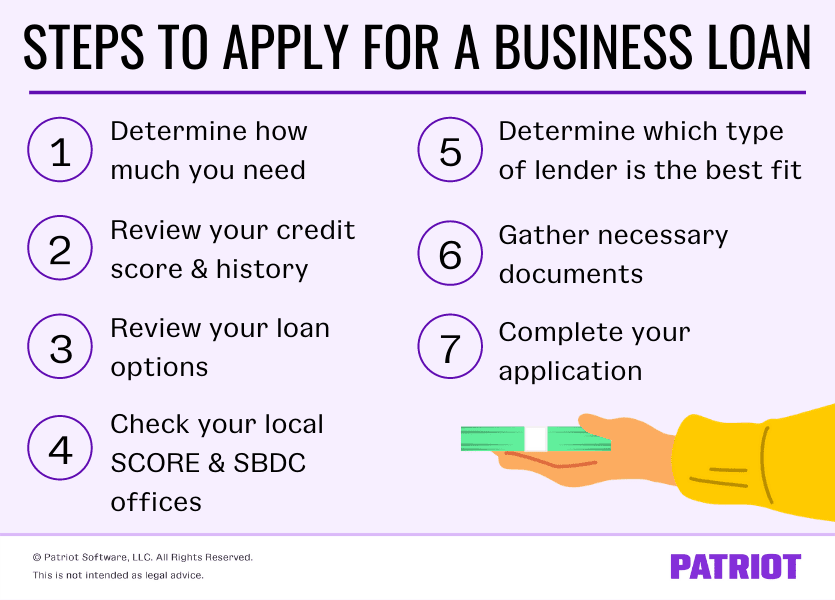
Preparation is the difference between an approval and a rejection. The application process is an exercise in transparency. You are essentially building a case to prove that your business is a safe bet for the lender’s capital.
Crafting a Compelling Business Plan
A business plan for a loan application is different from one used for internal strategy. It should focus heavily on the financial outlook. Lenders want to see detailed projections for the next three to five years, including a break-even analysis and a clear explanation of how the loan will generate enough additional revenue to pay for itself. Your plan should also include a “Sources and Uses of Funds” statement, which outlines exactly where every dollar of the loan will go.
Gathering Essential Paperwork
The “paperwork hurdle” is where many applications stall. To stay ahead, organize a digital “deal room” containing:
- Tax Returns: Usually the last three years of both personal and business returns.
- Financial Statements: Profit and Loss (P&L) statements, balance sheets, and cash flow statements, ideally audited or reviewed by a CPA.
- Legal Documents: Articles of incorporation, business licenses, and any existing lease agreements or contracts with major suppliers.
- Bank Statements: At least six months of consecutive statements to verify cash flow consistency.
4. Choosing the Right Lender for Your Business
The banking landscape has shifted dramatically over the last decade. While traditional banks remain a cornerstone of business finance, they are no longer the only option. Choosing the right partner depends on your speed requirements, credit profile, and the amount of capital needed.
Traditional Banks vs. Online Fintech Lenders
Traditional commercial banks offer the lowest interest rates and the most stability, but they have the strictest requirements and the slowest approval times (often weeks or months). Conversely, online fintech lenders (alternative lenders) prioritize speed and accessibility. Using advanced algorithms, they can often approve a loan within 24 hours. However, this convenience comes at a cost—often in the form of higher interest rates or daily/weekly repayment schedules. If your business has a pristine record and time to wait, the bank is your best bet. If you have an urgent opportunity and slightly weaker credit, an online lender may be the solution.
Credit Unions and CDFIs
Often overlooked, Credit Unions and Community Development Financial Institutions (CDFIs) are excellent resources for small businesses. Because they are mission-driven or member-owned, they often have more flexible lending criteria than national banks. They frequently focus on supporting local businesses and can provide more personalized service and financial coaching, which is invaluable for first-time borrowers.
5. Finalizing the Deal and Managing the Debt
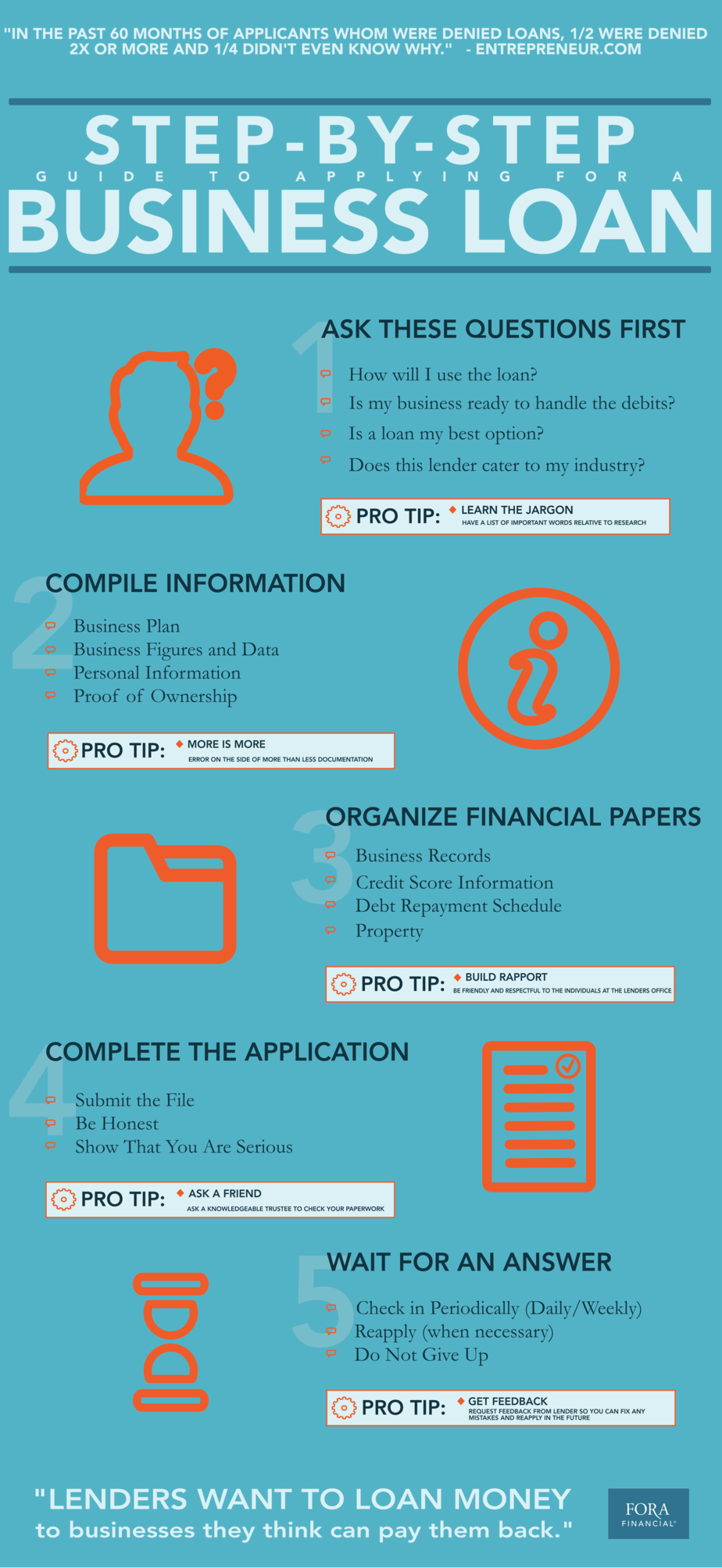
Once you receive a loan offer, the work isn’t over. You must scrutinize the terms and have a plan for repayment that doesn’t stifle your future growth. Debt is a tool, but if mismanaged, it can become a burden that sinks even a profitable enterprise.
Reviewing Loan Agreements and Terms
Never look at just the “sticker price” of a loan. You must calculate the Annual Percentage Rate (APR), which includes all fees, such as origination fees, processing fees, and closing costs. Pay close attention to “covenants”—rules the lender sets that you must follow, such as maintaining a certain level of cash on hand. Additionally, check for prepayment penalties; if your business becomes highly profitable, you’ll want the option to pay off the debt early without being penalized for doing so.
Strategies for Effective Debt Management
Once the funds hit your account, discipline is paramount. Use the capital strictly for the purposes outlined in your application. To manage the debt effectively, automate your payments to avoid late fees and protect your credit score. More importantly, treat the loan as an investment that must yield a return higher than the interest rate you are paying. Regularly review your financial statements to ensure the “leverage” is working in your favor. If managed correctly, this first loan will serve as a stepping stone, making it much easier—and cheaper—to secure even larger amounts of capital in the future.
By mastering these five pillars of business finance, you position your company not just to receive a loan, but to thrive with it. Understanding the mechanics of “Money” ensures that your business remains resilient, liquid, and ready for the next stage of growth.
aViewFromTheCave is a participant in the Amazon Services LLC Associates Program, an affiliate advertising program designed to provide a means for sites to earn advertising fees by advertising and linking to Amazon.com. Amazon, the Amazon logo, AmazonSupply, and the AmazonSupply logo are trademarks of Amazon.com, Inc. or its affiliates. As an Amazon Associate we earn affiliate commissions from qualifying purchases.