
In the dynamic world of entrepreneurship, securing the necessary capital is often the most significant hurdle aspiring and established business owners face. While loans and equity investments are common avenues, an often-underutilized and highly advantageous source of funding comes in the form of business grants. Unlike loans, grants do not require repayment, nor do they necessitate giving up equity in your company. This makes them an exceptionally attractive option for fueling growth, innovation, and social impact. However, the path to obtaining a business grant is rarely straightforward; it demands meticulous preparation, strategic searching, and compelling proposal writing. This comprehensive guide will demystify the process, offering a roadmap to navigate the intricate landscape of business grants and significantly increase your chances of securing this invaluable funding.

Demystifying Business Grants: A Foundation for Funding
Before embarking on the grant application journey, it’s crucial to understand precisely what business grants are, how they differ from other funding types, and the strategic advantages they offer. This foundational knowledge will empower you to approach the process with clarity and purpose.
What Exactly Is a Business Grant?
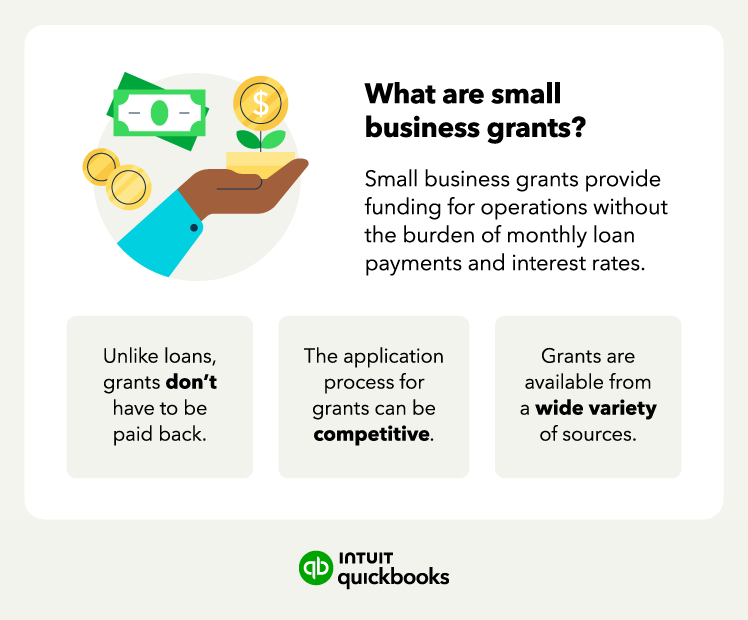
At its core, a business grant is a sum of money awarded to a business by a government agency, corporation, foundation, or non-profit organization, typically for a specific purpose or project. The key distinguishing feature is that this funding does not need to be repaid. Grantors award funds to organizations or businesses whose missions and projects align with their own objectives, whether that’s stimulating economic growth, fostering innovation, addressing social issues, or supporting specific industries. The funds are often earmarked for particular expenses such as research and development, equipment purchases, training programs, community outreach, or specific operational costs.
Grants vs. Loans vs. Equity: Understanding the Differences
Understanding how grants compare to other common funding mechanisms is vital for strategic decision-making:
- Grants: Non-dilutive (no equity given up) and non-repayable. Ideal for specific projects with clear outcomes that align with a grantor’s mission. Offers financial freedom without increasing debt or diluting ownership.
- Loans: Repayable debt, often with interest. Can be secured or unsecured. While providing capital, they add a financial obligation and risk to the business. Suitable for various business needs, but require a strong credit history and repayment capacity.
- Equity Investments: Investors provide capital in exchange for ownership (equity) in the company. While non-repayable, it means giving up a share of future profits and potentially control. Best for high-growth businesses seeking significant capital and strategic partners.
The primary advantage of grant funding lies in its non-repayable nature. It allows businesses to pursue projects, expand operations, or innovate without incurring debt or diluting ownership, making it a powerful tool for sustainable growth.
The Strategic Advantage of Grant Funding
Securing a business grant offers multiple strategic benefits beyond just the financial capital:
- Non-Dilutive Capital: As mentioned, you retain full ownership and control of your company.
- No Repayment Obligation: Eliminates the financial stress and interest payments associated with loans.
- Credibility and Validation: Being awarded a grant lends significant credibility to your business and its mission. It’s an external validation of your project’s merit and potential impact, which can attract further investment, partnerships, and talent.
- Fueling Innovation: Grants often target specific areas like research and development, technology adoption, or sustainable practices, enabling businesses to invest in cutting-edge initiatives that might otherwise be financially out of reach.
- Community and Social Impact: Many grants are specifically designed for projects that address community needs or create positive social change, aligning your business with broader societal goals.
- Market Entry and Expansion: Grants can provide the necessary seed funding to launch a new product or service, enter a new market, or scale existing operations without dipping into core operational funds.
Navigating the Landscape: Identifying Grant Opportunities
The world of business grants is vast and often fragmented, making the search for suitable opportunities a significant undertaking. Knowing where to look and how to refine your search is paramount to success.
Government Grants: Federal, State, and Local Programs
Government entities are major sources of grant funding, primarily aimed at stimulating economic activity, fostering innovation, and addressing public needs.
- Federal Grants: In the U.S., the primary portal is Grants.gov, listing thousands of opportunities from various federal agencies like the Small Business Administration (SBA), National Science Foundation (NSF), Department of Agriculture (USDA), and Department of Energy (DOE). These grants often target specific industries, research areas, or businesses with particular designations (e.g., small businesses, minority-owned, rural businesses).
- State Grants: Each state typically has its own economic development agencies, departments of commerce, or specialized offices that offer grants. These might focus on job creation, local industry growth, tourism, or environmental initiatives unique to the state.
- Local Grants: Cities, counties, and regional development organizations often have smaller, hyper-local grants aimed at supporting community businesses, revitalizing specific neighborhoods, or funding projects that benefit local residents. Chambers of Commerce are excellent resources for local opportunities.
Corporate and Foundation Grants: Tapping into Private Philanthropy
Beyond government sources, a significant amount of grant funding comes from private corporations and philanthropic foundations.
- Corporate Grants: Many large corporations have philanthropic arms or corporate social responsibility (CSR) programs that award grants. These are often tied to the company’s values, industry, or geographic areas where they operate. For example, a tech company might offer grants for STEM education initiatives, or a bank might support small business development in underserved communities.
- Foundation Grants: Private foundations, established by individuals, families, or corporations, are dedicated to giving away funds for charitable or public purposes. They vary widely in focus, from arts and culture to environmental protection, healthcare, and economic development. Researching foundations whose missions align with your business’s impact or project is key. Resources like the Foundation Center (now Candid) can be invaluable.
Industry-Specific and Niche Grants: Tailoring Your Search
Many grants are highly specialized, targeting specific industries, demographics, or types of projects.
- Industry-Specific: Look for grants within your sector. For instance, there are grants for clean energy startups, agricultural innovations, arts and cultural organizations, healthcare technology, and educational tools. Industry associations are excellent places to find these.
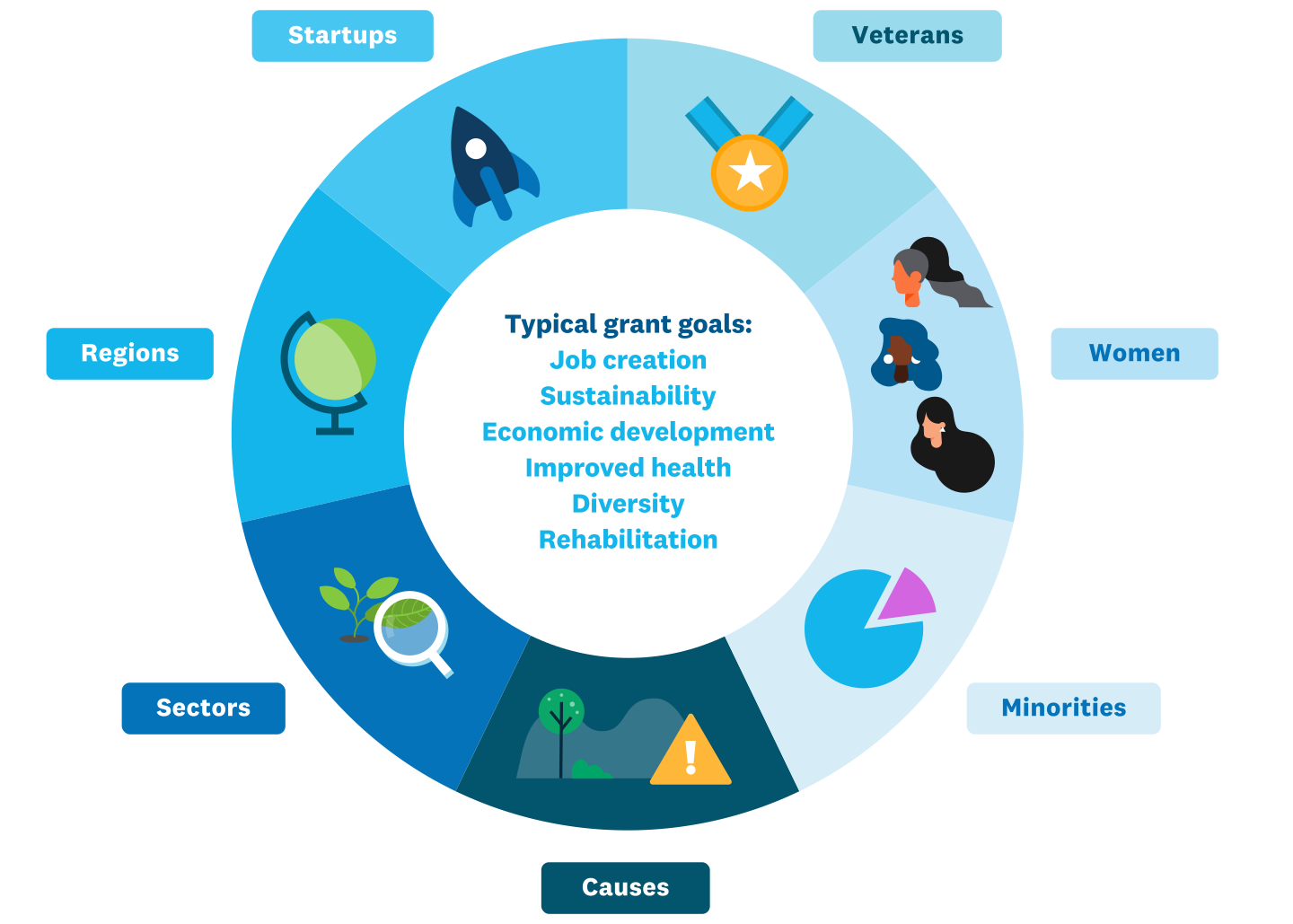
- Demographic-Specific: Grants are often available for businesses owned by women, minorities, veterans, or individuals with disabilities. These aim to promote diversity and inclusion in entrepreneurship.
- Geographic-Specific: Beyond state and local, some grants target businesses in designated low-income areas, rural zones, or specific urban districts for revitalization efforts.
- Project-Specific: Some grants are narrowly focused on particular types of projects, such as sustainable development, technological innovation, job training, or export assistance.
Tools and Databases for Grant Discovery
While direct agency websites are crucial, several platforms and resources can streamline your grant search:
- Grants.gov: The official U.S. federal government grant portal.
- SBA.gov: The Small Business Administration website offers information on federal grants relevant to small businesses, often linking to specific agencies.
- Candid (formerly Foundation Center): A comprehensive resource for researching foundations and corporate giving programs.
- Local Economic Development Offices/Chambers of Commerce: invaluable for discovering local and state-specific opportunities.
- Industry Associations: Membership often provides access to curated grant lists relevant to your sector.
- Grant Writing Consultants/Services: Professionals who specialize in identifying suitable grants for businesses, though this comes at a cost.
Preparing for Success: Eligibility and Proposal Crafting
Finding the right grant is only half the battle; the true challenge lies in crafting a compelling application that stands out. This requires meticulous preparation and strategic writing.
Essential Eligibility Criteria: Are You Grant-Ready?
Before investing time in an application, thoroughly review the grantor’s eligibility requirements. Common criteria include:
- Business Structure and Status: For-profit, non-profit, sole proprietorship, LLC, etc. Some grants are exclusive to non-profits, others to small businesses.
- Business Stage: Startup, early-stage, established business.
- Location: Geographic restrictions (state, county, specific zone).
- Industry/Sector: Alignment with specific economic or social sectors.
- Project Alignment: Your proposed project must directly align with the grantor’s mission and funding priorities.
- Financial Health: Some grants require demonstrating financial need or stability.
- Designations: Being a women-owned, minority-owned, or veteran-owned business often opens doors to specific grant programs.
- Prior Grant History: Some grants may prioritize new applicants, others may prefer those with a track record of successful grant management.
Ignoring eligibility criteria is a common mistake that wastes valuable time.
Developing a Compelling Business Plan
A robust, well-articulated business plan is the bedrock of almost any grant application. It demonstrates that you have a clear vision, a viable strategy, and the capacity to execute. Key components include:
- Executive Summary: A concise overview of your business, mission, and the project for which you seek funding.
- Company Description: What your business does, its history, legal structure, and unique value proposition.
- Market Analysis: In-depth understanding of your industry, target market, competitors, and market trends.
- Organization and Management: Your team’s expertise, leadership structure, and operational capacity.
- Service or Product Line: Detailed description of what you offer and its benefits.
- Marketing and Sales Strategy: How you will reach your customers.
- Financial Projections: Historical financials (if applicable), funding requirements, and realistic forecasts.
Crafting a Winning Grant Proposal: Key Components
The grant proposal is your opportunity to tell your story, articulate your project, and persuade the grantor of your merit. While formats vary, common sections include:
- Executive Summary: A powerful, concise overview of your entire proposal, designed to hook the reader.
- Problem Statement/Needs Assessment: Clearly define the problem or need your project addresses, providing data and evidence.
- Project Description/Solution: Detail your proposed project, its goals, objectives, activities, and expected outcomes. Explain how your project will solve the identified problem.
- Methodology/Implementation Plan: Outline the step-by-step process for executing your project, including timelines, resources, and personnel.
- Organizational Capacity/Team: Highlight the qualifications and experience of your team members who will implement the project.
- Budget and Budget Justification: A detailed breakdown of all project costs, clearly linking each expense to a project activity and justifying why it’s necessary.
- Evaluation Plan: How you will measure the project’s success and impact, demonstrating accountability.
- Sustainability Plan: How the project will continue or its benefits endure after the grant funding ends.
The Art of Storytelling: Demonstrating Impact and Vision
Beyond the facts and figures, a powerful grant proposal tells a compelling story. Connect your project to the grantor’s mission on an emotional and intellectual level.
- Show, Don’t Just Tell: Instead of stating you’ll have an impact, describe how you will achieve it and what that impact will look like for beneficiaries or the community. Use specific examples, anecdotes, and relevant data.
- Align with Grantor’s Values: Research the grantor’s past awards and priorities. Frame your project in a way that clearly demonstrates alignment with their core philanthropic or strategic goals.
- Articulate Your Vision: Paint a clear picture of the future you envision with their support. Inspire confidence in your ability to bring that vision to fruition.
Budgeting for Grants: Detailed and Justified Financials
The budget is a critical component and often a major sticking point. It must be realistic, accurate, and clearly justified.
- Itemized Expenses: List all project expenses (personnel, equipment, supplies, travel, marketing, overhead) with specific costs.
- Budget Justification: For each line item, explain its necessity and how it directly contributes to the project’s goals.
- In-Kind Contributions: If applicable, list any non-monetary contributions (volunteer hours, donated space, pro bono services) that demonstrate additional resources and commitment.
- Sustainability: Show how the grant funds will lead to long-term sustainability rather than creating a perpetual dependency.
The Application Journey: From Submission to Follow-Up
With a polished proposal in hand, the final stages involve meticulous submission, understanding the review process, and managing the outcomes.
Attention to Detail: Adhering to Guidelines
Grantors are typically overwhelmed with applications. The fastest way to be disqualified is to fail to follow instructions.
- Read Everything Carefully: Review all guidelines, FAQs, and submission checklists multiple times.
- Formatting and Length: Adhere strictly to font types, sizes, margins, and page limits.
- Required Attachments: Ensure all necessary documents (resumes, letters of support, financial statements, permits) are included and correctly labeled.
- Deadlines: Submit well in advance of the deadline to avoid technical glitches. A late submission is almost always an automatic rejection.
- Online Portals: Familiarize yourself with any online submission systems well before the deadline.
The Review Process: What Grantors Look For
Understanding the grantor’s perspective can help you refine your application. Reviewers typically assess:
- Alignment: How well your project fits their mission and funding priorities.
- Impact: The potential positive change your project will create and the evidence to support it.
- Feasibility: The realism of your plan, budget, and timeline.
- Capacity: Your organization’s ability (team, resources, experience) to successfully execute the project.
- Innovation: Whether your project offers a novel solution or approach.
- Sustainability: The likelihood of your project’s continued success beyond the grant period.
- Clarity and Conciseness: How easy your proposal is to understand and evaluate.
What to Do After Submitting Your Application
Patience is key, as the review process can take weeks or even months.
- Confirm Receipt: If possible, confirm that your application was successfully received.
- Maintain Records: Keep a copy of your full application, all submitted documents, and any communication with the grantor.
- Don’t Pester: Avoid frequent follow-up calls or emails unless the guidelines specify a contact person or process. Grantors will typically notify you if they need more information.
- Continue Operations: Don’t pause your business activities while awaiting a decision. Grants are supplemental, not a guarantee.
Handling Rejection and Learning from Experience
Not every application will be successful, and rejection is a part of the grant-seeking process.
- Don’t Get Discouraged: See rejections as learning opportunities, not failures.
- Seek Feedback: If possible, politely inquire if the grantor can provide feedback on your application. This can be invaluable for future submissions.
- Refine and Reapply: Use feedback to strengthen your proposal. Many successful grant recipients applied multiple times before securing funding.
- Keep Searching: Don’t put all your eggs in one basket. Continue identifying and applying for other suitable grants.
Beyond the Grant: Sustaining Growth and Future Funding
Securing a grant is a significant achievement, but it’s often the beginning, not the end, of a new phase for your business. Effective management and strategic planning are crucial for leveraging this success.
Grant Management and Compliance: Fulfilling Obligations
Grant funds come with responsibilities. Proper management and compliance are essential to maintain your credibility and eligibility for future funding.
- Adhere to the Grant Agreement: Strictly follow all terms and conditions outlined in the grant agreement.
- Financial Tracking: Maintain meticulous financial records, separating grant funds from other operational budgets. Document every expense, ensuring it aligns with your approved budget.
- Reporting: Submit all required progress and financial reports on time, providing accurate and detailed information on your project’s activities, outcomes, and spending.
- Audits: Be prepared for potential audits by the grantor to verify compliance and financial accountability.
- Communication: Proactively communicate with the grantor about any significant changes to your project, budget deviations, or challenges.
Failure to comply can lead to funds being recalled, damage to your reputation, and disqualification from future grant opportunities.
Leveraging Grants for Future Opportunities
A successful grant project can be a powerful stepping stone to further funding and growth.
- Proof of Concept: Grants provide the resources to test new ideas or expand existing ones, offering tangible proof of your project’s viability and impact. This evidence is invaluable when seeking other investors or larger grants.
- Credibility and Track Record: A successfully completed grant project builds a strong track record, demonstrating your organization’s capacity to manage funds effectively and deliver on its promises. This enhances your appeal to future grantors, investors, and partners.
- Publicity: Announce your grant award (with the grantor’s permission). This can generate positive publicity, attracting new customers, talent, and other opportunities.
Building Relationships with Grantors
Treat grantors as partners in your mission. Cultivating positive relationships can yield long-term benefits.
- Express Gratitude: Always formally thank the grantor for their support.
- Share Success Stories: Keep them informed of your project’s progress and successes, even beyond formal reporting requirements. Share photos, testimonials, and impact data that showcase the value of their investment.
- Networking: Attend events hosted by grantors or organizations they support. Networking can open doors to new opportunities and deepen existing relationships.
- Stewardship: Demonstrate responsible stewardship of their funds by achieving measurable results and showing a genuine commitment to your mission.
Diversifying Your Funding Strategy
While grants are a fantastic resource, they should ideally be one component of a broader, diversified funding strategy.
- Multiple Streams: Relying solely on grants can create vulnerability. Explore a mix of grants, earned income, loans, and equity investments to build a resilient financial foundation for your business.
- Strategic Planning: Integrate grant seeking into your overall business strategy. Identify specific projects or phases of growth that are well-suited for grant funding, rather than viewing grants as a solution to all financial needs.
- Long-Term Vision: Plan for financial sustainability beyond individual grant cycles. How will your business generate revenue or attract other funding to continue its impact once a grant project concludes?
Successfully obtaining and managing business grants can be a transformative experience for any enterprise. It offers not only crucial financial support but also a stamp of approval that can unlock further opportunities. By understanding the grant landscape, meticulously preparing your application, adhering to guidelines, and diligently managing funds, your business can effectively leverage this powerful funding mechanism to innovate, grow, and achieve its fullest potential.
aViewFromTheCave is a participant in the Amazon Services LLC Associates Program, an affiliate advertising program designed to provide a means for sites to earn advertising fees by advertising and linking to Amazon.com. Amazon, the Amazon logo, AmazonSupply, and the AmazonSupply logo are trademarks of Amazon.com, Inc. or its affiliates. As an Amazon Associate we earn affiliate commissions from qualifying purchases.