
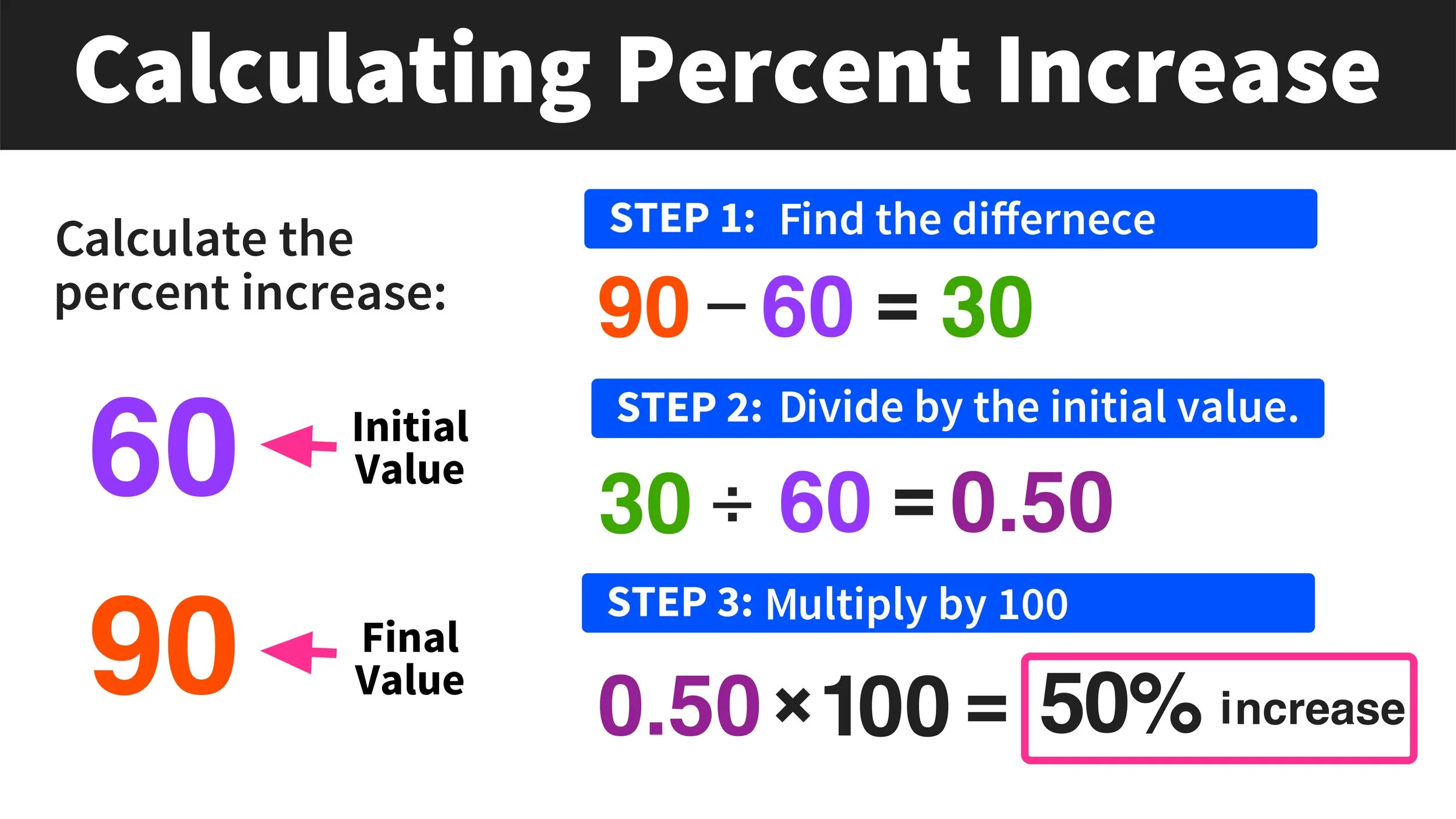
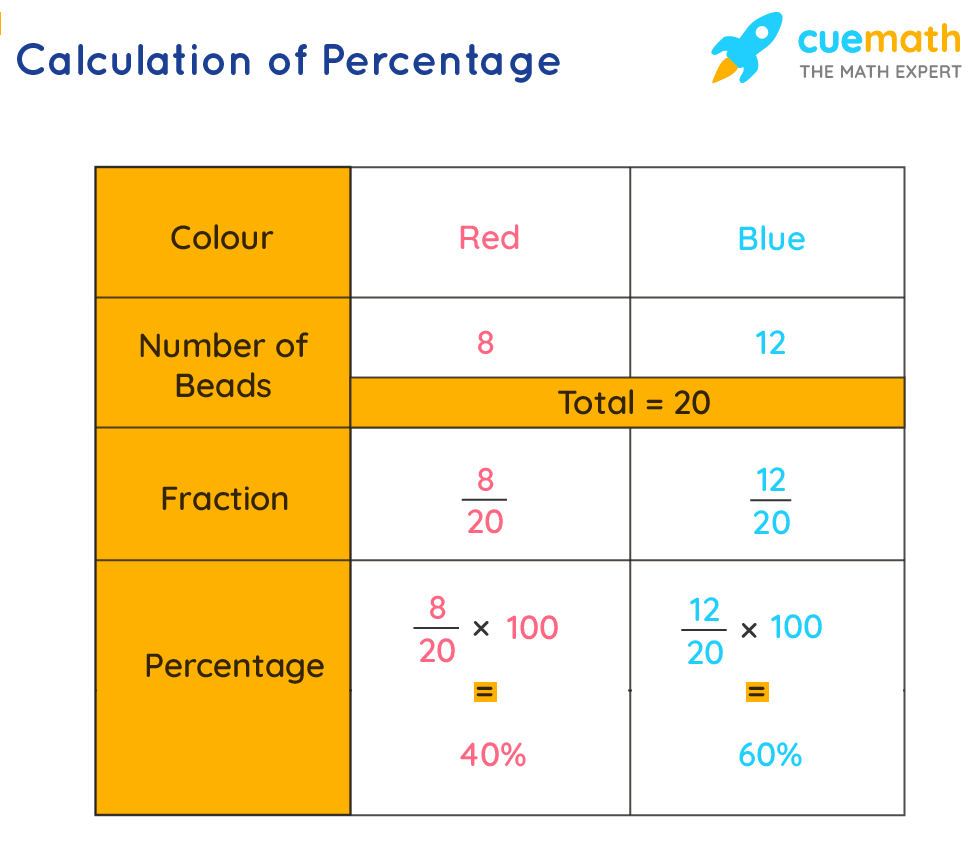
In the modern digital landscape, data is the lifeblood of decision-making. Whether you are a software developer building a dashboard, a data analyst crunching numbers in a spreadsheet, or a tech enthusiast looking to automate workflows, understanding how to generate percentages accurately and efficiently is a fundamental skill. While the basic mathematical formula—dividing a part by the whole and multiplying by one hundred—remains constant, the technological methods used to execute this calculation have evolved significantly.
This guide explores the various technical avenues for generating percentages, ranging from standard spreadsheet software to advanced programming scripts and AI-driven analytical tools.
1. Mastering Percentage Calculations in Spreadsheet Software
Spreadsheet applications like Microsoft Excel and Google Sheets remain the most accessible tools for generating percentages. They bridge the gap between manual calculation and complex programming, offering built-in functions that handle the heavy lifting of data transformation.
Basic Formula Implementation and Cell Formatting
The most straightforward way to generate a percentage in a spreadsheet is through direct formula entry. To calculate the percentage of a value in cell A1 relative to a total in cell B1, the syntax is simple: =A1/B1.
However, the “Tech” aspect of this process lies in how the software handles the output. Instead of manually multiplying by 100 within the formula (e.g., =(A1/B1)*100), professional tech workflows utilize the “Percentage” data format. By selecting the cell and applying the percentage format, the software automatically handles the decimal shift and appends the “%” symbol. This preserves the underlying numerical integrity of the data, allowing for further mathematical operations without the risk of “double-multiplying” by 100.
Advanced Analysis with Pivot Tables
For large datasets, generating percentages row-by-row is inefficient. This is where Pivot Tables—one of the most powerful features in modern spreadsheet tech—come into play. Pivot Tables allow users to “generate” percentages of a total, a column, or even a parent row with a few clicks.
In the “Value Field Settings,” users can select “Show Values As” and choose options such as “% of Grand Total” or “% of Column Total.” This tech-driven approach allows for the dynamic generation of comparative data, which is essential for identifying trends in user behavior, system uptime, or resource allocation across massive datasets.
Using Conditional Formatting for Visual Percentages
Generating a percentage is often only the first step; the second is making that data actionable. Tech-savvy users employ Conditional Formatting to create “Data Bars” or “Color Scales” based on percentage thresholds. For example, a system administrator might set a rule where any server CPU usage percentage over 80% turns red. This transforms raw percentage generation into a visual monitoring system, a staple in digital infrastructure management.
2. Generating Percentages via Programming and Scripting
For developers and data scientists, generating percentages often occurs within a codebase. This allows for the automation of calculations across dynamic data streams, such as API responses or database queries.
Automation with Python and Pandas
Python has become the industry standard for data manipulation. When working with the Pandas library, generating percentages across thousands of rows can be done with a single line of code.
If you have a DataFrame df with columns ‘Sales’ and ‘Total_Goal’, you can generate a new ‘Percentage’ column using:
df['Percentage'] = (df['Sales'] / df['Total_Goal']) * 100
The technical advantage here is scalability. Unlike a spreadsheet that might lag with a million rows, Python handles high-volume data generation with ease. Furthermore, Python allows for the use of the .map() or .apply() functions to handle complex edge cases, such as preventing “Division by Zero” errors—a common technical pitfall when generating percentages from incomplete datasets.
SQL for Server-Side Calculations
Often, it is more efficient to generate percentages directly within the database before the data even reaches the application layer. SQL (Structured Query Language) provides the tools to do this through window functions.
Using the OVER() clause, a developer can calculate what percentage a specific record contributes to the whole. For instance:
SELECT category, revenue, (revenue / SUM(revenue) OVER()) * 100 AS percentage_of_total FROM sales_data;
By generating percentages at the database level, tech professionals reduce the computational load on the front-end application, leading to faster load times and a more responsive user experience.

Handling Floating-Point Precision
A critical technical consideration when generating percentages in code is floating-point arithmetic. Computers represent decimal numbers in binary, which can sometimes lead to minor precision errors (e.g., 0.1 + 0.2 resulting in 0.30000000000000004). When generating percentages for high-stakes environments like scientific research or fintech, developers must use specific libraries—such as Python’s decimal module—to ensure that the generated percentages are accurate to the necessary number of decimal places.
3. Leveraging AI and Modern SaaS Tools
The rise of Artificial Intelligence (AI) and specialized Software as a Service (SaaS) platforms has introduced a new paradigm for generating percentages. These tools move away from manual formulas toward natural language processing and automated insights.
AI-Powered Data Analysis
Large Language Models (LLMs) like ChatGPT, Claude, and Gemini have revolutionized how we generate percentage-based insights. Instead of writing a complex Excel formula, a user can upload a CSV file and prompt the AI: “Calculate the month-over-month growth percentage for each product category.”
The AI does not just perform the math; it writes the underlying Python code or SQL query to generate the result. This “Prompt Engineering” approach to data allows non-developers to perform high-level technical analysis. However, the tech-forward professional must still verify the logic the AI uses to ensure the “Context” of the percentage (e.g., whether it is calculating an absolute change or a percentage point difference) is correct.
Specialized Business Intelligence (BI) Tools
Tools like Tableau, Power BI, and Looker are designed specifically to generate and visualize percentages from disparate data sources. These platforms use “Calculated Fields” to create dynamic percentages.
A key feature in these tools is the ability to generate “Relative Date” percentages. For instance, a marketing dashboard can automatically generate the percentage increase in web traffic compared to the same day last year. These tools integrate directly with cloud storage and APIs, ensuring that the generated percentages are always based on real-time data.
Low-Code and No-Code Automation
For small business tech stacks, tools like Zapier or Make.com allow for the generation of percentages between different apps. For example, a “Zap” can be configured to take the “Total Order Value” from Shopify and the “Tax Amount” from an invoice, calculate the tax percentage, and then update a row in a Google Sheet. This demonstrates how percentage generation is no longer an isolated task but a integrated part of a wider automated ecosystem.
4. Digital Security and Accuracy in Percentage Generation
In a technical context, how you generate a percentage is just as important as where you store that data. Accuracy and security are paramount when these figures drive automated systems.
Preventing Data Breaches in Cloud Calculations
When using cloud-based tools to generate percentages, especially those involving sensitive user data or proprietary business metrics, digital security must be a priority. Many online “Percentage Calculators” are simple web scripts, but uploading sensitive spreadsheets to unknown third-party sites poses a massive security risk.
Tech professionals should ensure that any tool used for percentage generation complies with data protection standards like GDPR or SOC2. Using local environments (like a Jupyter Notebook) or encrypted cloud environments (like an enterprise Google Workspace) ensures that the raw data used to generate those percentages remains private.
Validation and Error Handling
Automated percentage generation can lead to “Garbage In, Garbage Out” scenarios. A robust tech workflow includes validation steps. For example, when generating a percentage for a progress bar in a software UI, the code should include a “clamp” function to ensure the value never exceeds 100% or drops below 0% due to data anomalies.
In JavaScript, this might look like:
let percentage = Math.min(Math.max((current / total) * 100, 0), 100);
This technical safeguard prevents UI glitches and ensures the generated data remains logical to the end-user.
Audit Trails and Version Control
In collaborative tech environments, how a percentage was generated is often a point of scrutiny. Utilizing version control systems like Git for your analysis scripts or maintaining an “Audit Log” in your database allows teams to trace the logic behind a specific percentage. If a KPI (Key Performance Indicator) looks incorrect, having a transparent, versioned history of the formulas and code used to generate that percentage is vital for debugging and data integrity.
The Future of Automated Data Metrics
Generating a percentage might seem like a basic mathematical task, but within the realm of technology, it is a sophisticated process involving software logic, algorithmic precision, and automated workflows. From the simple cell formatting of a spreadsheet to the complex window functions of an SQL database and the intuitive prompts of an AI, the tools at our disposal have made data more accessible than ever.
As we move toward a more data-centric future, the ability to choose the right tech tool for generating percentages will define efficiency. By mastering these digital methods, professionals can ensure that their data is not only accurate but also secure, scalable, and actionable. Whether you are building the next great app or simply organizing your digital life, the tech behind the “%” symbol is a powerful ally in navigating the complexities of the modern world.
aViewFromTheCave is a participant in the Amazon Services LLC Associates Program, an affiliate advertising program designed to provide a means for sites to earn advertising fees by advertising and linking to Amazon.com. Amazon, the Amazon logo, AmazonSupply, and the AmazonSupply logo are trademarks of Amazon.com, Inc. or its affiliates. As an Amazon Associate we earn affiliate commissions from qualifying purchases.