
Understanding your yearly income is far more than just knowing a number on a pay stub; it’s the cornerstone of sound financial health. Whether you’re a seasoned professional, a burgeoning entrepreneur, or just starting your financial journey, accurately identifying your total earnings for a given year provides invaluable insight. It informs your budgeting, dictates your tax obligations, influences your borrowing power, and shapes your investment strategies. Without a clear picture of what comes in, managing what goes out becomes an exercise in guesswork, potentially leading to missed opportunities, financial stress, or even costly mistakes.
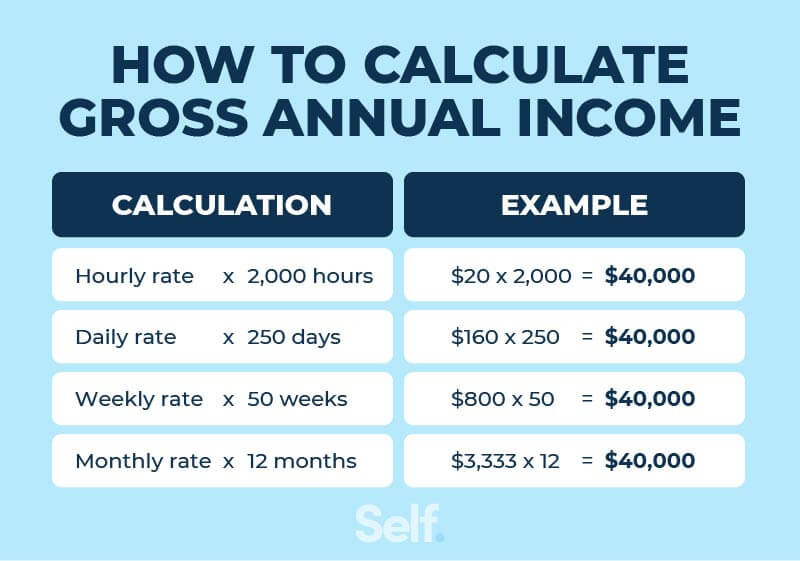
In an increasingly complex financial landscape, where income streams can be diverse and tracking methods varied, mastering the art of income calculation is an essential skill. This guide will demystify the process, breaking down the various components of income, outlining practical methods for tracking and calculating, and demonstrating how this fundamental knowledge can empower you to make smarter, more confident financial decisions. By the end, you’ll not only know how to pinpoint your yearly income with precision but also understand its profound impact on your overall financial well-being.
Why Understanding Your Yearly Income Is Crucial
Knowing your yearly income isn’t merely a bureaucratic requirement for tax season or loan applications; it’s the bedrock upon which all effective financial planning is built. Its significance permeates every aspect of your financial life, from daily spending habits to long-term wealth accumulation.
Foundation for Budgeting and Financial Planning
At its most fundamental, your yearly income dictates the parameters of your budget. A precise understanding of your earnings allows you to allocate funds effectively, distinguishing between needs and wants, and ensuring you don’t consistently spend more than you earn. Without this clarity, budgeting becomes an arbitrary exercise, often leading to overspending, reliance on credit, and a cycle of debt. Furthermore, income figures are essential for creating realistic short-term and long-term financial plans. Whether you’re saving for a down payment, a child’s education, or a significant purchase, knowing your annual income helps you set achievable savings goals and project how long it will take to reach them. It provides the financial roadmap for your aspirations, transforming vague dreams into actionable steps.
Key to Tax Compliance and Optimization
Taxes are an unavoidable part of earning income, and accurately reporting your yearly earnings is paramount for compliance. Miscalculating or underreporting income can lead to penalties, fines, and unwanted scrutiny from tax authorities. Conversely, a meticulous understanding of your income sources and amounts can also open doors to tax optimization. By knowing exactly what you’re earning from different sources, you can work with financial advisors to identify eligible deductions, credits, and tax-efficient strategies that can legally reduce your overall tax burden. This could mean adjusting withholdings, maximizing contributions to retirement accounts, or understanding the tax implications of various investment gains. Proactive income tracking is a powerful tool for navigating the complexities of the tax system responsibly and strategically.
Empowering Investment and Lending Decisions
Your yearly income is a significant factor in how lenders assess your creditworthiness and capacity to repay loans. Whether you’re applying for a mortgage, a car loan, or a personal loan, financial institutions will scrutinize your income to determine your debt-to-income ratio and overall financial stability. A consistent and well-documented income history can secure better interest rates and more favorable loan terms, saving you thousands of dollars over the life of a loan. Beyond lending, your income level directly influences your capacity to invest. It determines how much capital you can comfortably allocate to various investment vehicles, from stocks and bonds to real estate or alternative assets. Understanding your discretionary income after essential expenses helps you establish a realistic investment strategy, setting the stage for wealth growth and securing your financial future.
Deconstructing Your Income: What Counts?
When calculating your yearly income, it’s crucial to adopt a comprehensive perspective. Income isn’t solely defined by your regular paycheck; it encompasses all financial inflows you receive over a 12-month period. Overlooking certain sources can lead to an inaccurate picture, impacting your budgeting and tax obligations.
Standard Employment Income (Salaries, Wages, Bonuses)
For most people, the largest component of their yearly income comes from their primary employment. This includes:
- Salaries: A fixed compensation paid regularly (e.g., bi-weekly, semi-monthly, monthly) regardless of hours worked.
- Wages: Payments based on an hourly rate or a piece-rate basis, dependent on the amount of work performed.
- Bonuses: Additional compensation paid to employees as a reward for performance, company profitability, or other specific achievements. These can be performance-based, sign-on, or retention bonuses.
- Commissions: Earnings based on a percentage of sales or services rendered, common in sales roles.
- Overtime Pay: Additional compensation for hours worked beyond the standard workweek.
All these figures, before taxes and deductions, contribute to your gross employment income. Your W-2 form (in the U.S.) will consolidate most of this information for the tax year.
Self-Employment and Freelance Earnings
For entrepreneurs, freelancers, gig workers, and independent contractors, income calculation takes on a different dimension. This category includes:
- Revenue from Services Rendered: Payments received for professional services (e.g., consulting, writing, design, programming).
- Sales of Goods: Income generated from selling products, whether online or offline.
- Contract Payments: Lump sums or recurring payments received for fulfilling specific project contracts.
- Tips: Cash or electronic tips received from clients or customers.
Crucially, for self-employed individuals, “income” often refers to net income, which is gross earnings minus legitimate business expenses. While gross receipts are important, your taxable income is based on net earnings. This information is typically reported on Schedule C or Schedule K-1 for partnerships.
Investment and Passive Income Streams
As you build wealth, your investments can become significant contributors to your yearly income. These often include:
- Dividends: Payments from companies to shareholders, typically from profits.
- Interest Income: Earnings from savings accounts, CDs, bonds, and other interest-bearing accounts.
- Capital Gains: Profits realized from selling investments (stocks, mutual funds, real estate) for more than their purchase price. These can be short-term or long-term, with different tax treatments.
- Rental Income: Earnings from renting out properties, including residential homes, commercial spaces, or vacation rentals. This is typically gross rent received minus eligible expenses.
- Royalties: Payments for the use of intellectual property, such as books, music, or patents.
These income sources are usually documented on various tax forms like 1099-DIV (dividends), 1099-INT (interest), 1099-B (brokerage transactions), and Schedule E (rental income).
Other Sources: Benefits, Pensions, and More
A variety of other sources can contribute to your yearly income picture:
- Social Security Benefits: Retirement, disability, or survivor benefits from government programs.
- Pension and Annuity Payments: Income received from retirement plans.
- Alimony and Child Support: Payments received from a former spouse (note: alimony received is generally taxable if the divorce was finalized before 2019, while child support is not).
- Unemployment Benefits: Payments received while unemployed.
- Worker’s Compensation: Benefits received for work-related injuries.
- Certain Government Benefits: Such as welfare payments or housing assistance (though many are not taxable, they contribute to overall financial inflow).
- Trust Fund Distributions: Income from trusts.
It’s vital to remember that not all income is taxable, but all income contributes to your financial picture and should be tracked for comprehensive financial planning.
Practical Methods for Calculating Your Income
Accurately tallying your yearly income requires a systematic approach. Depending on the diversity of your income streams, you might need to employ a combination of methods. The goal is to gather all relevant financial data and consolidate it into a single, comprehensive figure.

Leveraging Official Documents (W-2s, 1099s, Pay Stubs)
For most employed individuals, the easiest way to find yearly income is through official tax documents provided by employers and financial institutions.
- W-2 Forms (Wage and Tax Statement): If you are an employee, your employer will send you a W-2 form by January 31st each year. Box 1 (“Wages, tips, other compensation”) shows your total taxable wages for federal income tax purposes. Box 3 (“Social Security wages”) and Box 5 (“Medicare wages and tips”) often reflect your gross income before certain pre-tax deductions. For a comprehensive picture of your employment income, W-2s are your primary source.
- 1099 Forms: These are issued for various non-employment income sources.
- 1099-NEC (Nonemployee Compensation): For self-employed individuals or independent contractors who received over $600 from a client.
- 1099-MISC (Miscellaneous Information): For rental income, royalties, prize winnings, etc.
- 1099-INT (Interest Income): For interest earned from bank accounts or bonds.
- 1099-DIV (Dividends and Distributions): For dividends from stocks or mutual funds.
- 1099-B (Proceeds From Broker and Barter Exchange Transactions): For sales of stocks, bonds, or other securities, showing capital gains/losses.
- 1099-R (Distributions From Pensions, Annuities, Retirement or Profit-Sharing Plans, IRAs, Insurance Contracts, etc.): For retirement income.
- Pay Stubs: If you need a mid-year estimate or want to verify specific deductions, your bi-weekly or monthly pay stubs are invaluable. They typically show year-to-date (YTD) earnings, which can be extrapolated to project your annual income. Summing the YTD gross income from your final pay stub of the year will give you a good approximation.
Tracking Digital Transactions (Bank Statements, Payment Apps)
For income streams not covered by official tax forms, or for cross-referencing, your bank statements and records from payment apps (e.g., PayPal, Venmo, Stripe) are crucial.
- Bank Statements: Review your personal and business bank accounts for all deposits made throughout the year. Categorize these deposits to identify which are income-related and which might be transfers, refunds, or loan disbursements. This is particularly useful for freelancers receiving direct deposits or anyone with diverse income sources.
- Payment Processor Records: If you receive payments through platforms like PayPal, Stripe, Square, or Etsy, these services often provide detailed transaction histories and year-end summaries. These reports can show gross income before fees are deducted, which is important for self-employment tax calculations.
Utilizing Financial Software and Spreadsheets
Modern financial management tools can automate much of the income tracking process.
- Budgeting Apps (e.g., Mint, YNAB, Personal Capital, Simplifi): These apps link directly to your bank accounts, credit cards, and investment accounts, automatically categorizing transactions. While primarily for expenses, many can track and summarize income, providing a real-time overview of your earnings throughout the year.
- Accounting Software (e.g., QuickBooks, FreshBooks, Xero): Essential for self-employed individuals and small businesses, these platforms automate invoicing, expense tracking, and income reporting. They can generate profit and loss statements, which clearly show your gross and net income for any specified period, including the entire year.
- Spreadsheets (Excel, Google Sheets): For those who prefer a hands-on approach, a simple spreadsheet can be highly effective. Create columns for date, source, amount, and category of income. Manually enter or import your income data throughout the year. At year-end, a simple SUM function can tally your total income from all sources. This method offers complete customization and control.
Manual Record-Keeping for Diverse Sources
Some income might not easily fit into digital tracking or official forms.
- Logbook/Notebook: For cash tips, occasional odd jobs, or small sales, a physical logbook can be invaluable. Record the date, amount, and source of each cash inflow.
- Receipts and Invoices: Keep organized records of all invoices issued for freelance work or product sales. These serve as primary documentation for your earnings.
- Documentation for Non-Taxable Income: While not always included in taxable income calculations, it’s still good practice to track non-taxable income (e.g., certain government benefits, gifts) for a complete personal financial picture.
By combining these methods, you can construct a highly accurate and comprehensive record of your yearly income, ensuring no stone is left unturned.
Navigating Irregular or Multiple Income Streams
For many, income isn’t a steady, predictable stream. Freelancers, gig workers, those in commission-based roles, or individuals juggling multiple part-time jobs face unique challenges in calculating and projecting their yearly income. Special strategies are needed to bring clarity to these often fluctuating financial landscapes.
Strategies for Freelancers and Gig Workers
Freelancers and gig workers typically experience income variability, making a precise yearly figure harder to pin down.
- Consistent Invoicing and Expense Tracking: The bedrock of managing irregular income is meticulous record-keeping. Use accounting software or a spreadsheet to log every invoice issued and every payment received. Simultaneously, track all business expenses. Your net income (gross income minus expenses) is what truly matters for financial planning and taxes.
- Dedicated Bank Accounts: Separate personal and business finances. This makes it far easier to track business income and expenses without sifting through personal transactions.
- Estimate Quarterly Income: Instead of waiting until year-end, estimate your income quarterly. This is crucial for planning estimated tax payments, which are required if you expect to owe more than a certain amount in taxes. Regular estimates also help you adjust your budget based on recent earnings trends.
- Build a Financial Buffer: Due to income variability, a robust emergency fund (ideally 6-12 months of living expenses) is even more critical for freelancers. This buffer smooths out the peaks and valleys of irregular income.
- Analyze Historical Data: Look back at previous years’ earnings. While not a guarantee, past performance can offer insights into seasonal trends or average monthly income, helping you make more informed projections for the current year.
Consolidating Information from Various Employers
Individuals working multiple part-time jobs or changing employers within a year will receive multiple W-2 forms. The challenge lies in ensuring all these are accounted for.
- Gather All W-2s: Make sure you receive a W-2 from every employer you had during the tax year. If an employer doesn’t send one, follow up with them.
- Sum Box 1 from All W-2s: To get your total federal taxable wages from all employment, simply add up the amounts in Box 1 from each W-2 form. Repeat for state wages if applicable.
- Track Other Compensation: Be mindful of any additional compensation from different employers that might not be on the W-2, such as non-cash benefits or severance pay.
The Importance of Quarterly Assessments
For anyone with income that isn’t a fixed annual salary, quarterly assessments are a powerful tool for financial management and tax planning.
- Real-time Income Projection: Instead of waiting until December 31st, review your income and expenses at the end of each quarter (March 31st, June 30th, September 30th, December 31st). This allows you to project your yearly income more accurately as the year progresses.
- Adjust Estimated Taxes: If your income is significantly higher or lower than anticipated, you can adjust your estimated tax payments accordingly, avoiding underpayment penalties or tying up too much capital in overpayments.
- Budget Flexibility: Quarterly reviews allow you to adapt your budget in response to actual income. If you’re having a lean quarter, you can tighten spending. If income is robust, you might allocate more to savings or investments.
- Identify Trends: Regular assessments help you spot trends in your income and spending, enabling you to make proactive financial decisions rather than reactive ones.
Navigating irregular or multiple income streams demands proactive engagement with your finances. By implementing these strategies, you can gain a clear, actionable understanding of your yearly earnings, regardless of how diverse or unpredictable they may be.
Beyond Calculation: Using Your Income for Financial Empowerment
Calculating your yearly income is not an end in itself; it’s the critical first step towards financial empowerment. The true value lies in how you leverage this knowledge to make informed decisions that shape your financial present and secure your future.
Setting Realistic Financial Goals
Once you have a clear picture of your total yearly income, you can set financial goals that are genuinely achievable.
- Budgeting with Purpose: Instead of generic savings targets, you can create a budget that aligns with your actual income and helps you allocate funds towards specific goals – whether it’s building an emergency fund, saving for a down payment, or funding a vacation. Knowing your income prevents you from setting unrealistic expectations that lead to frustration.
- Short-Term and Long-Term Planning: For short-term goals (e.g., paying off a credit card, saving for a new gadget), your monthly discretionary income, derived from your yearly total, dictates your pace. For long-term goals (e.g., retirement, child’s education), understanding your recurring annual income allows you to project how much you can consistently contribute to investment accounts and how long it will take to reach significant milestones.
- Prioritization: If your income has limits, knowing the exact figure helps you prioritize. You can determine which goals are most important and allocate your resources accordingly, making tough choices easier.
Optimizing Savings and Debt Repayment
Your yearly income directly impacts your capacity to save and pay down debt effectively.
- Maximum Savings Potential: By understanding your total income versus your essential expenses, you can identify your maximum savings potential. This clarity can motivate you to automate savings transfers, ensuring a portion of every income stream goes directly into savings or investment accounts.
- Accelerated Debt Repayment: A precise income figure allows you to calculate how much extra you can realistically put towards high-interest debts. Using strategies like the debt snowball or avalanche method becomes more impactful when you know exactly how much “extra” money you have available each month or year to throw at your principal balances. This can significantly reduce the time it takes to become debt-free and save you thousands in interest.
- Evaluating Financial Products: Knowing your income helps you assess which savings accounts, CDs, or investment vehicles are appropriate for your financial capacity. It also guides decisions on credit card limits and loan amounts that you can comfortably manage without overextending yourself.

Strategic Tax Planning and Future Projections
Beyond the immediate tax filing, your yearly income information is a potent tool for ongoing tax planning and future financial forecasting.
- Proactive Tax Management: With a solid understanding of your annual income and its various sources, you can consult with tax professionals to implement proactive strategies. This might include maximizing contributions to pre-tax retirement accounts (401k, IRA), understanding capital gains implications, or leveraging business deductions for self-employment income. This foresight can lead to significant tax savings over time.
- Forecasting Income Changes: If you anticipate career advancements, new income streams, or changes in employment, having a baseline of your current yearly income allows for more accurate projections of future earnings. This is crucial for planning life events such as buying a home, starting a family, or changing careers, as it helps you assess the financial viability of these significant shifts.
- Retirement Planning: Accurate income figures are indispensable for retirement planning. They help determine how much you need to save to maintain your lifestyle in retirement, how much you can contribute to retirement accounts annually, and what your potential Social Security or pension benefits might be in relation to your overall income needs.
Ultimately, finding your yearly income is an act of taking control. It moves you from passive recipient to active manager of your finances. This foundational knowledge empowers you to build robust budgets, accelerate debt freedom, make smarter investment choices, and confidently navigate your financial journey towards long-term security and prosperity.
aViewFromTheCave is a participant in the Amazon Services LLC Associates Program, an affiliate advertising program designed to provide a means for sites to earn advertising fees by advertising and linking to Amazon.com. Amazon, the Amazon logo, AmazonSupply, and the AmazonSupply logo are trademarks of Amazon.com, Inc. or its affiliates. As an Amazon Associate we earn affiliate commissions from qualifying purchases.