
Navigating the landscape of car insurance can often feel like deciphering a complex financial puzzle. For many, it represents a significant, yet unavoidable, recurring expense. The quest to find the “cheapest” car insurance isn’t merely about cutting costs; it’s about optimizing value, understanding risk, and making informed financial decisions that protect you, your vehicle, and your assets without overpaying. This comprehensive guide will equip you with the knowledge and strategies necessary to significantly reduce your car insurance premiums, ensuring you secure optimal coverage at the most affordable rate.
Understanding Car Insurance Fundamentals
Before embarking on the hunt for the cheapest policy, it’s crucial to grasp the foundational elements of car insurance. A clear understanding of what influences premiums and the various types of coverage available will empower you to make smarter choices.

What Influences Premiums?
Car insurance premiums are not arbitrary figures; they are meticulously calculated based on a multitude of risk factors. Insurers assess the likelihood of you filing a claim and the potential cost of that claim. Key influencers include:
- Your Driving Record: A history of accidents, traffic violations, or DUIs will almost certainly lead to higher premiums. A clean record, conversely, is a powerful leverage for lower rates.
- Your Age and Gender: Younger drivers, particularly males under 25, statistically present a higher risk, leading to elevated costs. Premiums generally decrease with age, stabilizing in middle age before potentially rising slightly for very senior drivers.
- Your Location: Urban areas with higher traffic density, crime rates, and greater incidence of accidents typically have higher premiums than rural locales. Even your specific zip code within a city can impact your rate.
- Your Vehicle Type: The make, model, year, and safety features of your car play a significant role. Expensive, high-performance vehicles, or those with high theft rates, are more costly to insure. Conversely, vehicles with excellent safety ratings and lower repair costs often qualify for discounts.
- Your Credit Score: In many states, insurers use a credit-based insurance score as a predictor of risk. Individuals with higher credit scores are often deemed more responsible and therefore less likely to file claims, leading to lower premiums.
- Coverage Limits and Deductibles: The amount of coverage you choose (e.g., $100,000/$300,000 liability) and your deductible (the amount you pay out-of-pocket before insurance kicks in) directly impact your premium. Higher deductibles typically mean lower premiums.
Types of Coverage Explained
A “cheap” policy that leaves you underinsured is no bargain. Understanding the different types of coverage ensures you meet legal requirements and protect yourself adequately.
- Liability Coverage: This is the most fundamental and often legally required coverage. It pays for damages and injuries you cause to other people and their property in an at-fault accident. It’s split into bodily injury liability (per person/per accident) and property damage liability.
- Collision Coverage: This pays for damages to your car resulting from a collision with another vehicle or object, regardless of who is at fault. It’s typically required if you have a car loan or lease.
- Comprehensive Coverage: This covers damages to your car not caused by a collision, such as theft, vandalism, fire, natural disasters (hail, floods), or hitting an animal. Also often required for financed/leased vehicles.
- Personal Injury Protection (PIP) or Medical Payments (MedPay): These cover medical expenses for you and your passengers after an accident, regardless of fault. PIP may also cover lost wages and essential services. The availability and requirements vary by state.
- Uninsured/Underinsured Motorist (UM/UIM) Coverage: This protects you if you’re involved in an accident with a driver who either has no insurance or insufficient insurance to cover your damages and medical bills.
The Importance of Coverage Limits and Deductibles
While higher limits and lower deductibles provide greater financial protection, they also lead to higher premiums. The key is to strike a balance. Financial advisors often recommend carrying liability limits higher than the state minimums, especially if you have significant assets to protect, as you could be personally sued beyond your policy limits. For collision and comprehensive, consider your car’s value. If an older car’s market value is less than the cost of your deductible plus a few months of premiums, it might be more economical to drop these coverages entirely. Increasing your deductible from, say, $500 to $1,000 can significantly reduce your monthly premium, but ensure you have that deductible amount readily accessible in an emergency fund.
Strategic Approaches to Lower Your Premiums
Once you understand the basics, you can proactively implement strategies to reduce your insurance costs. This involves diligent research, leveraging available discounts, and intelligently adjusting your policy.
Comparison Shopping: The Golden Rule
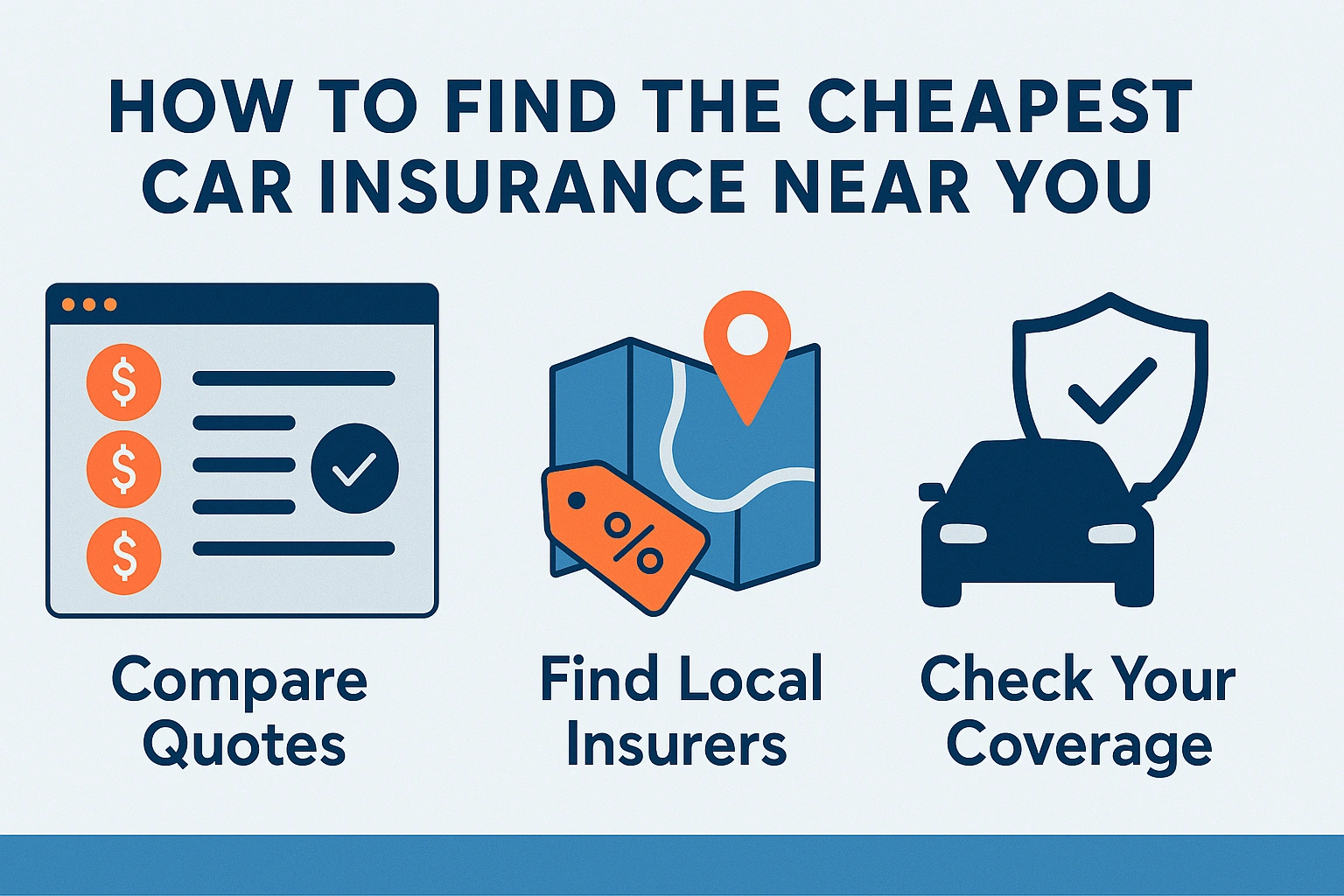
The single most effective strategy for finding cheaper car insurance is aggressive comparison shopping. Never accept your current insurer’s renewal quote without exploring alternatives. The insurance market is highly competitive, and rates can vary wildly between providers for the exact same coverage.
- Online Aggregators: Websites like Policygenius, The Zebra, or NerdWallet allow you to input your information once and receive multiple quotes from various insurers simultaneously. This is an excellent starting point for broad market insight.
- Direct Quotes: After using aggregators, visit the websites of individual insurers (e.g., GEICO, Progressive, State Farm, Allstate) to get direct quotes. Sometimes, direct quotes offer unique discounts or slightly different pricing.
- Independent Agents: An independent insurance agent works with multiple insurance companies and can shop around on your behalf. They can often find competitive rates and provide personalized advice, especially for complex situations or specific coverage needs. They may also be aware of regional insurers offering excellent rates.
Aim to get at least 3-5 quotes every 6-12 months, or whenever a significant life event occurs (marriage, moving, buying a new car, improving your credit score).
Leveraging Discounts
Insurance companies offer a plethora of discounts, but they won’t always apply them automatically. It’s your responsibility to ask about and qualify for every possible discount.
- Good Driver Discount: For maintaining a clean driving record for a certain number of years.
- Multi-Policy/Bundling Discount: Combining your car insurance with other policies like home, renters, or life insurance from the same provider. This is often one of the most substantial discounts.
- Good Student Discount: For young drivers who maintain a specified GPA.
- Low Mileage Discount: For drivers who don’t drive frequently or have short commutes.
- Anti-Theft Device Discount: For vehicles equipped with approved anti-theft systems.
- Defensive Driving Course Discount: Completing an approved safety course can sometimes lead to a small discount, especially for older drivers.
- Professional/Alumni Affiliation: Some insurers offer discounts to members of certain professional organizations, alumni associations, or employers.
- Payment Discounts: Paying your premium in full, opting for automatic payments, or choosing paperless billing can sometimes net small savings.
Always ask your agent or check the insurer’s website for a comprehensive list of available discounts.
Adjusting Your Coverage Wisely
Reviewing your coverage annually is paramount. What was appropriate last year might not be today.
- Dropping Collision and Comprehensive on Older Cars: If your car’s market value (what you’d get if it were totaled) is less than the combined cost of your deductible and annual collision/comprehensive premiums, it might be financially prudent to drop these coverages. The money saved could be better allocated to an emergency fund for future repairs or a down payment on a new vehicle.
- Increasing Deductibles: As mentioned, raising your deductible will lower your premium. Ensure you have the higher deductible amount set aside in an emergency fund to avoid financial strain in case of a claim.
- Reassessing Liability Limits: While it’s generally wise to carry high liability, if your assets have significantly decreased (e.g., after retirement or selling property), you might consider adjusting your limits, though this should be approached with extreme caution and professional advice.
Improving Your Driver Profile
Your actions outside the car can also impact your insurance rates.
- Maintaining a Clean Driving Record: This is the most straightforward way to keep premiums low. Avoid speeding tickets, moving violations, and at-fault accidents.
- Improving Your Credit Score: Since credit-based insurance scores are widely used, improving your overall credit health by paying bills on time, reducing debt, and monitoring your credit report can positively influence your premiums over time.
The Role of Your Vehicle and Driving Habits
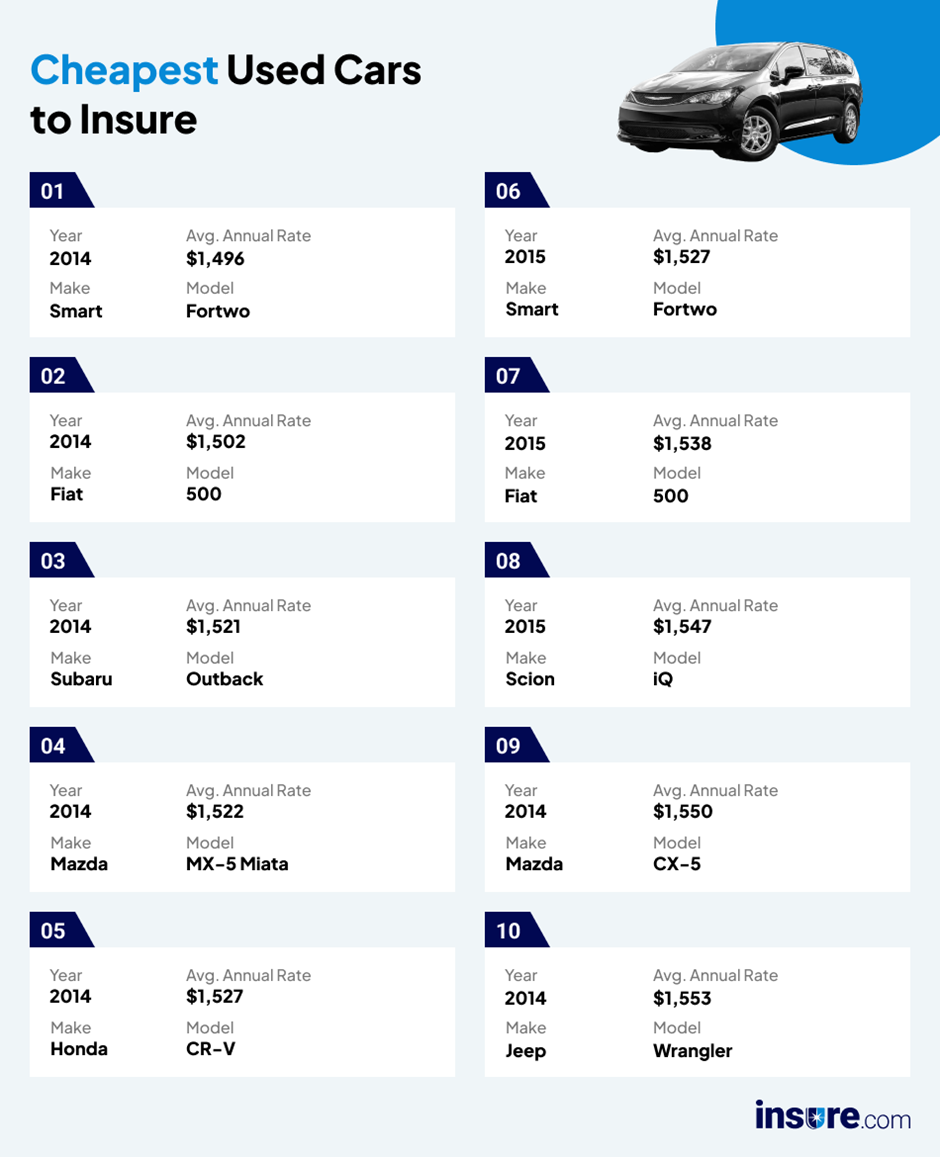
The car you drive and how you drive it are significant factors in premium calculation. Smart choices in these areas can lead to substantial savings.
Choosing an Insurable Car
When purchasing a new or used vehicle, consider its insurance costs before you buy.
- Safety Ratings: Cars with excellent safety ratings (e.g., from IIHS or NHTSA) are often cheaper to insure because they protect occupants better, potentially reducing injury claims.
- Theft Rates: Models frequently targeted by thieves will have higher comprehensive insurance costs. Research a vehicle’s theft risk before buying.
- Repair Costs: Vehicles with easily accessible, inexpensive parts, and straightforward repair processes typically cost less to insure. Luxury or exotic cars, conversely, have expensive parts and specialized labor, driving up premiums.
- Engine Size/Performance: High-performance sports cars with powerful engines are inherently deemed riskier and more expensive to insure than economical sedans or SUVs.
Telematics and Usage-Based Insurance
Technological advancements have introduced telematics programs, also known as usage-based insurance (UBI). These programs involve installing a small device in your car or using a smartphone app to monitor your driving habits.
- How it Works: The device tracks factors like mileage, speed, braking habits, acceleration, and time of day you drive.
- Potential Savings: Safe drivers who avoid aggressive maneuvers, limit nighttime driving, and drive fewer miles can qualify for significant discounts, sometimes up to 30% or more. Many programs also offer an initial discount just for signing up.
- Considerations: Be comfortable with your driving data being collected and analyzed. While aimed at rewarding good drivers, some find the concept intrusive. If you have aggressive driving habits, this program might not be for you.
Driving Less, Saving More
It’s simple: less time on the road generally means less risk.
- Low Mileage Discounts: Many insurers offer discounts for drivers who log fewer than a specified number of miles annually (e.g., 7,500 or 10,000 miles). If you work from home, use public transport, or primarily walk/bike, ensure your insurer knows this.
- Commuter Habits: If your commute changes, or if you stop commuting altogether, update your insurer. Your “commute” mileage is often rated higher than “pleasure” mileage.
Navigating the Renewal Process and Beyond
Securing cheap car insurance isn’t a one-time event; it’s an ongoing process that requires vigilance and proactive management.
Don’t Settle: Re-evaluating Annually
Your insurance needs and the market’s offerings are constantly evolving.
- Market Changes: New insurers enter the market, existing ones adjust their algorithms, and competitive pressures shift. A company that was expensive last year might be the cheapest this year.
- Personal Circumstances: Major life events—marriage, new home, a new job with a shorter commute, paying off a car loan, improving your credit—can all lead to eligibility for new discounts or better rates. Don’t wait for your insurer to ask; inform them proactively.
- Claims History: If you’ve gone a year or more without an accident or ticket, your good driver discount might increase.
Make it a habit to shop for new quotes at least once a year, ideally a few weeks before your current policy is due for renewal. This gives you ample time to compare offers and switch if a better deal is found without a lapse in coverage.
Understanding Policy Changes and Hidden Fees
When comparing policies, don’t just look at the bottom line.
- Read the Fine Print: Carefully review the declaration page of any new policy. Ensure the coverage limits, deductibles, and endorsements match what you requested and need.
- Understand Exclusions: Be aware of anything that isn’t covered.
- Check for Fees: Some insurers charge fees for paying monthly, printing paper bills, or making policy changes. Factor these into your overall cost comparison. A slightly higher premium with fewer fees might still be cheaper overall.
When to Switch Insurers
Switching insurance companies is easier than many people assume, and it can result in significant savings.
- Better Rates: If you find a comparable policy with the same or better coverage at a lower price from a reputable insurer, it’s a clear signal to switch.
- Poor Customer Service: If your current insurer has been unhelpful, slow to respond, or difficult to deal with, especially during a claim, it’s a good reason to look elsewhere.
- Benefits or Programs: A new insurer might offer specific programs or benefits (like roadside assistance, rental car reimbursement, or accident forgiveness) that better suit your needs.
- Financial Health of Insurer: While rare, if your insurer’s financial stability comes into question, it’s wise to consider switching to a more secure provider, though state guarantee funds typically protect policyholders.
Ensure there’s no lapse in coverage when you switch. Coordinate your new policy’s start date with your old policy’s end date.
Common Mistakes to Avoid
The journey to finding cheap car insurance is fraught with potential pitfalls. Being aware of these common mistakes can save you money and headaches.
Forgetting to Shop Around
As emphasized, complacency is the enemy of savings. Assuming your current insurer is offering the best deal, or that shopping around is too much hassle, can cost you hundreds or even thousands of dollars over time.
Focusing Solely on Price Over Value
The cheapest policy isn’t always the best. A policy with rock-bottom premiums but inadequate liability limits, high deductibles you can’t afford, or poor customer service could leave you financially vulnerable after an accident. Always balance cost with comprehensive protection and reliability.
Misrepresenting Information
Never provide false or misleading information to an insurer to get a lower premium. This includes lying about your driving history, garaging address, or primary driver. If discovered, your policy could be canceled, your claims denied, and you could face legal consequences for insurance fraud. Honesty is always the best policy.
Not Understanding Your Policy
Signing up for a policy without fully understanding its terms, limits, deductibles, and exclusions is a common mistake. Take the time to read through your policy documents, ask questions, and ensure you know exactly what you’re covered for and under what circumstances. An uninformed policyholder is an unprotected policyholder.
In conclusion, finding the cheapest car insurance is an ongoing, proactive financial endeavor. It requires understanding the factors that drive premiums, strategically leveraging discounts, continually comparing quotes, and making informed choices about your coverage. By adopting these disciplined approaches, you can significantly reduce your car insurance costs without compromising the vital protection you and your vehicle deserve, ultimately enhancing your personal financial well-being.
aViewFromTheCave is a participant in the Amazon Services LLC Associates Program, an affiliate advertising program designed to provide a means for sites to earn advertising fees by advertising and linking to Amazon.com. Amazon, the Amazon logo, AmazonSupply, and the AmazonSupply logo are trademarks of Amazon.com, Inc. or its affiliates. As an Amazon Associate we earn affiliate commissions from qualifying purchases.