
In the modern landscape of digital finance, your routing and checking account numbers serve as the foundational coordinates for almost every transaction you perform. Whether you are setting up a direct deposit for a new job, authorizing an automated mortgage payment, or transferring funds via an ACH network, these two strings of digits ensure that your money moves safely from point A to point B. Despite their importance, many consumers find themselves scrambling to locate these numbers when prompted. Understanding where to find them—and more importantly, understanding what they represent—is a critical component of financial literacy and personal data security.

The Anatomy of Your Bank Account: Decoding the Digits
Before searching for your numbers, it is essential to understand exactly what you are looking for. While they often appear together, your routing and account numbers serve two distinct purposes in the global financial infrastructure.
What is a Routing Number?
A routing transit number (RTN) is a nine-digit code used by financial institutions to identify themselves. Developed by the American Bankers Association (ABA) in 1910, the routing number serves as a “mailing address” for the bank itself. When a transaction is initiated, the routing number tells the clearinghouse exactly which bank holds the funds or is intended to receive them.
Large national banks may have multiple routing numbers based on the region where the account was originally opened. For example, a customer who opened an account in New York may have a different routing number than one who opened an account in California, even if they use the same banking institution.
What is an Account Number?
If the routing number is the address of the “apartment building” (the bank), your account number is your specific “apartment unit.” It is a unique identifier assigned to your specific checking, savings, or money market account. Account numbers can vary in length, typically ranging from 8 to 12 digits, though some institutions use shorter or longer sequences. While a routing number is shared by thousands of other customers at your bank, your account number is unique to you.
The Significance of the MICR Line
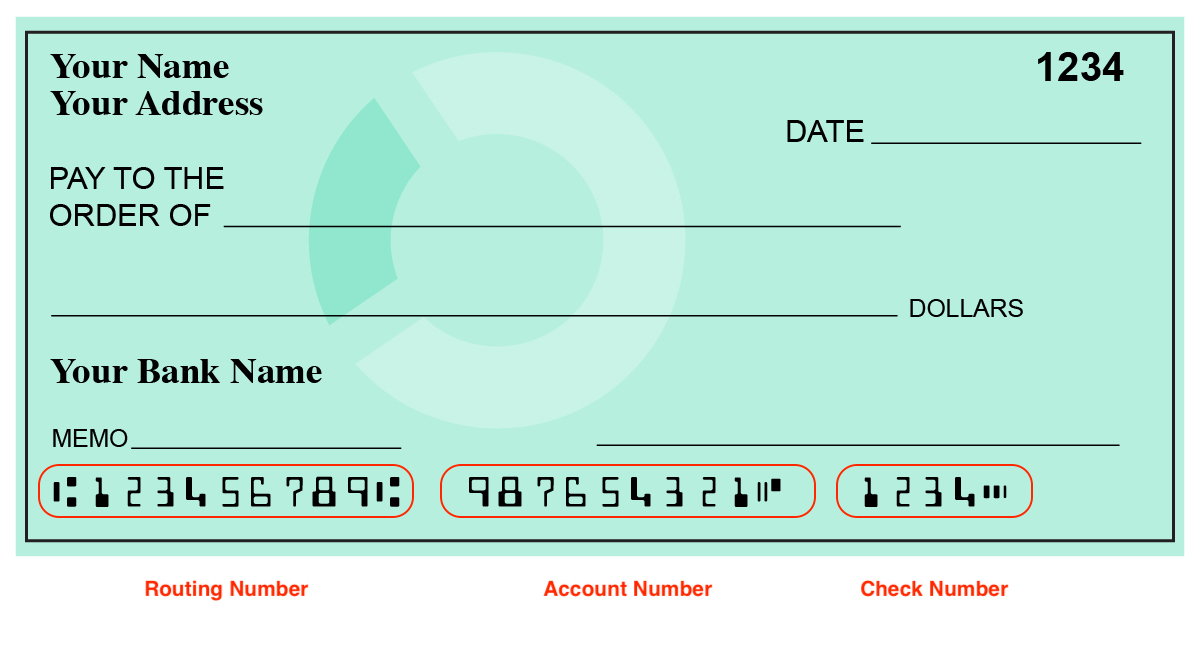
On a physical check, these numbers are printed using Magnetic Ink Character Recognition (MICR) technology. This specialized ink allows high-speed processing machines at the Federal Reserve and private clearinghouses to read the information accurately, even if the check is slightly crumpled or smudged. The MICR line follows a standardized format: the routing number is usually on the far left, followed by the account number, and finally the individual check number.
Five Efficient Ways to Locate Your Banking Information
In an era of paperless statements and mobile-first banking, there are several ways to retrieve your routing and account numbers without needing a physical checkbook.
1. Utilizing Physical Checks
The most traditional method is looking at a personal check. At the bottom of every check, you will see three sets of numbers.
-
The First Set: This nine-digit number on the far left is your ABA routing number. It is always nine digits long and is bracketed by a specific symbol.
-
The Middle Set: This is typically your account number. It is usually followed by a symbol that separates it from the check number.
-
The Final Set: These numbers correspond to the specific check number in your register.
2. Accessing Online Banking Portals
Most consumers today manage their finances via a desktop or mobile browser. To find your numbers online, log into your bank’s secure portal. Navigate to the “Account Details,” “Account Services,” or “Settings” tab. For security reasons, many banks will mask your account number (e.g., showing only the last four digits). Look for an icon shaped like an “eye” or a link that says “Show full account number.” The routing number is often listed on the same summary page under “ACH Routing” or “Wire Routing.”
3. Using the Bank’s Mobile App
The mobile app is often the fastest way to find your information on the go. Once logged in, tap on your checking account. Look for a link labeled “Account Info,” “Details,” or “Routing & Account Numbers.” Some apps require biometric verification (FaceID or fingerprint) before revealing the full digits to ensure that your sensitive data remains protected if your phone is lost or stolen.
4. Reviewing Monthly Statements
Your monthly bank statement—whether received via mail or downloaded as a PDF—is a legal document that contains your full account details. Typically, the account number is listed at the top of the first page under your name and address. Note that while the account number is always on the statement, the routing number is sometimes omitted. However, most digital statements include a “Bank Information” section in the footer or sidebar where the routing number is clearly displayed.
5. Contacting Customer Service
If digital and physical options are unavailable, you can contact your bank’s customer service department or visit a local branch. When calling, be prepared to answer several security questions to verify your identity. If you are looking for a routing number specifically, many banks provide this information through an automated phone system or on their public-facing website, as routing numbers are not considered “private” information in the same way account numbers are.

Security Best Practices: Protecting Your Financial Identity
Because your routing and account numbers can be used to withdraw funds via ACH (Automated Clearing House) transfers, protecting this information is paramount. If these numbers fall into the wrong hands, unauthorized individuals could potentially pay their bills or make online purchases using your balance.
The Risks of Disclosure
Unlike a credit card, which offers robust fraud protection and the ability to “freeze” the card instantly, a compromised checking account is more difficult to manage. While federal law (under Regulation E) protects consumers from unauthorized electronic transfers, recovering missing funds can take time, and you may face temporary liquidity issues while the bank investigates.
Digital Hygiene and Encryption
Never send your account or routing numbers via unencrypted email or text messages. If you must provide them to a professional (such as a CPA or an HR representative), use a secure document upload portal. Additionally, ensure that you only access your online banking via a private, password-protected Wi-Fi network. Public Wi-Fi in coffee shops or airports is susceptible to “man-in-the-middle” attacks where hackers can intercept your data as it travels to the bank’s server.
Shredding and Physical Security
If you still use physical checks or receive paper statements, invest in a high-quality cross-cut shredder. Identity thieves often engage in “dumpster diving” to find bank statements or cancelled checks. When you close an account, destroy all remaining checks immediately.
When and Why You Need This Information
Knowing where to find your bank details is only half the battle; knowing when to use which number is equally important for managing your cash flow.
Setting Up Direct Deposits
The most common use for these numbers is establishing a direct deposit for your paycheck. Your employer’s payroll department requires the routing number to find your bank and the account number to ensure the money reaches your specific pocket. In many cases, you will be asked to provide a “voided check” to verify these numbers. To do this, simply write “VOID” in large letters across the front of a check; this prevents anyone from using the check for payment while still providing the necessary MICR data.
Automating Bill Payments
To avoid late fees and maintain a high credit score, many people automate their recurring expenses like rent, utilities, and insurance. When you provide your banking details to a utility company, you are authorizing an “ACH Debit.” This is generally safer and more cost-effective than mailing a paper check, as it eliminates the risk of the check being lost or stolen in the mail.
Wire Transfers vs. ACH Transfers
It is a common mistake to assume the routing number for a domestic ACH transfer is the same as the routing number for an international wire transfer. Many large institutions use a separate “Wire Routing Number” or a “SWIFT/BIC Code” for high-speed, same-day transfers. If you provide the standard ACH routing number for an incoming wire, the transfer may be rejected or delayed, and you may still be charged a processing fee. Always verify with your bank which number should be used for wire-specific transactions.
Navigating Complex Banking Scenarios
As the banking industry evolves, certain scenarios might complicate the process of identifying your account details.
Mergers and Acquisitions
If your bank is bought by another institution, your routing number will eventually change. Usually, the bank provides a grace period of several months during which both the old and new routing numbers will work. However, you must eventually update your direct deposits and automated bill pays to reflect the new institution’s routing information to prevent payment failures.
Needing Your “Transit Number” (Canada and International)
If you are dealing with a Canadian bank, you might be asked for a “Transit Number” and an “Institution Number” instead of an ABA routing number. The transit number is five digits and identifies the branch, while the institution number is three digits and identifies the bank. Combining these with your account number allows for seamless cross-border transactions, though the terminology differs from the U.S. system.
Digital-Only Banks (Neobanks)
For users of digital-only platforms like Chime, Ally, or Varo, there are no physical branches or paper checks. In these instances, your routing and account numbers are exclusively located within the app’s “Move Money” or “Account Settings” menu. These banks often provide a “Direct Deposit Form” as a PDF within the app, which contains all the necessary information in a professional format ready for your employer.
By mastering the retrieval and application of your routing and checking account numbers, you take a significant step toward financial autonomy. These numbers are the heartbeat of your economic life, facilitating the movement of wealth and the settlement of obligations. Treat them with the same level of care and security as you would your Social Security number or your house keys.
aViewFromTheCave is a participant in the Amazon Services LLC Associates Program, an affiliate advertising program designed to provide a means for sites to earn advertising fees by advertising and linking to Amazon.com. Amazon, the Amazon logo, AmazonSupply, and the AmazonSupply logo are trademarks of Amazon.com, Inc. or its affiliates. As an Amazon Associate we earn affiliate commissions from qualifying purchases.