
Understanding and accurately identifying the rate of interest is a cornerstone of sound financial management, whether you’re an individual managing personal finances or a business owner navigating complex financial landscapes. It’s a fundamental metric that dictates the cost of borrowing and the return on investment, profoundly impacting savings, loans, and overall financial health. For many, the concept can seem daunting, obscured by financial jargon and complex calculations. However, demystifying the rate of interest is crucial for making informed decisions, optimizing financial outcomes, and avoiding costly mistakes. This article will break down how to find and interpret interest rates across various financial products and scenarios, empowering you to take control of your financial future.

Understanding the Fundamentals of Interest Rates
Before delving into the specifics of finding interest rates, it’s essential to grasp the basic principles that govern them. Interest is not just a number; it’s a dynamic financial mechanism with significant implications.
What is Interest?
At its core, interest is the charge for the privilege of borrowing money, typically expressed as a percentage of the principal amount. Conversely, for a lender, it’s the compensation received for foregoing the immediate use of their money. Think of it as the ‘rent’ paid for using someone else’s capital. This concept applies universally, from a simple savings account earning interest to a complex corporate bond yielding returns. The actual rate of interest is the percentage charged or paid over a specific period, usually annually, on the principal sum.
Key Components of an Interest Rate Calculation
To truly understand how interest rates are applied and found, one must be familiar with its fundamental components:
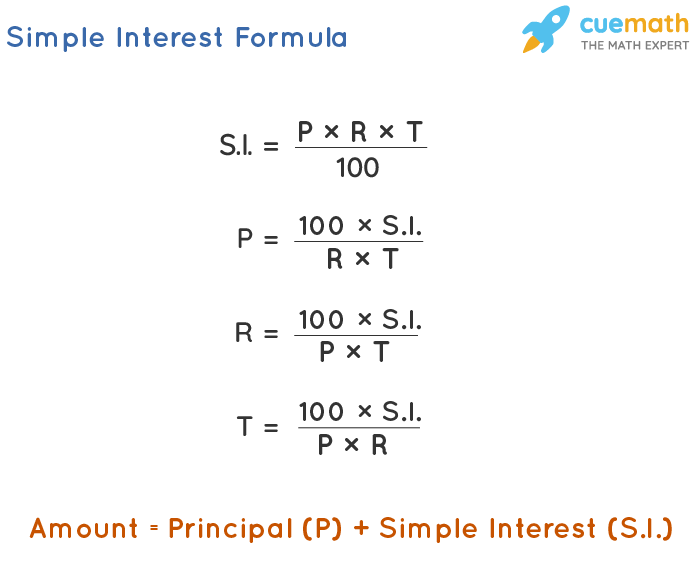
- Principal (P): This is the initial amount of money borrowed or invested.
- Rate (R): The percentage at which interest is charged or earned, usually expressed annually (e.g., 5% per annum).
- Time (T): The duration for which the money is borrowed or invested, typically in years.
- Compounding Frequency: How often the interest is calculated and added to the principal. This can be annually, semi-annually, quarterly, monthly, or even daily.
These components are the building blocks of all interest rate calculations, whether simple or complex.
Simple vs. Compound Interest
The distinction between simple and compound interest is critical.
- Simple Interest: This is calculated only on the initial principal amount. The formula for simple interest is straightforward: Interest = P x R x T. For example, if you invest $1,000 at a 5% simple annual interest rate for 3 years, you’d earn $50 per year, totaling $150. Simple interest is less common in modern financial products but can be found in some short-term loans or specific bond structures.
- Compound Interest: Often hailed as the “eighth wonder of the world,” compound interest is calculated on the initial principal and on the accumulated interest from previous periods. This means your money earns interest on interest, leading to exponential growth over time. Most savings accounts, loans, and investments utilize compound interest. The more frequently interest is compounded, the faster your money grows (or your debt accumulates). The formula is more complex: A = P (1 + r/n)^(nt), where A is the future value, P is the principal, r is the annual interest rate, n is the number of times interest is compounded per year, and t is the number of years. Understanding compounding is vital for assessing the true cost of a loan or the actual return on an investment.
Calculating Interest Rates for Loans and Debts
When borrowing money, finding the true rate of interest is paramount to understanding the actual cost of debt. This applies across a spectrum of financial products, from credit cards to mortgages.
Personal Loans and Credit Cards
For personal loans and credit cards, the most common term you’ll encounter is the Annual Percentage Rate (APR). The APR represents the annual cost of a loan, including any fees, expressed as a percentage. While a nominal interest rate might be stated, the APR provides a more comprehensive picture of the true cost of borrowing over a year.
- Credit Cards: Credit card statements clearly state the APR. However, since interest is often compounded monthly (or even daily), the effective annual rate can be slightly higher than the stated APR if balances are carried. To find your monthly interest, divide the APR by 12 (or 365 for daily), then multiply by your average daily balance.
- Personal Loans: Lenders are legally required to disclose the APR for personal loans. This rate incorporates the nominal interest rate plus any origination fees or other charges, giving you a single figure to compare different loan offers. Always look for the APR when comparing personal loan options.
Mortgages
Mortgages involve larger sums and longer terms, making the interest rate a significant determinant of your total repayment.
- Fixed vs. Adjustable Rates:
- Fixed-rate mortgages maintain the same interest rate for the entire loan term, offering predictable monthly payments. The rate is explicitly stated in your loan agreement.
- Adjustable-rate mortgages (ARMs) have an interest rate that can change periodically based on an index (like LIBOR or SOFR) plus a margin. To find the current rate, you’d look at your loan statement and understand how your specific ARM is tied to the underlying index.
- Impact of Term: A 15-year mortgage typically has a lower interest rate than a 30-year mortgage, though the monthly payments will be higher due to the shorter repayment period.
- Using Online Calculators: Mortgage calculators are invaluable tools. By inputting the loan amount, interest rate, and term, they can calculate your monthly payment and total interest paid over the life of the loan. Many sites also offer comparison tools that allow you to see how different rates impact affordability.
Business Loans
Business loans often have more variables influencing their interest rates. Factors like the business’s creditworthiness, industry risk, collateral offered, and the loan’s purpose all play a role.
- Factors Influencing Rates: Lenders assess a business’s financial health, cash flow, and track record. Start-ups typically face higher rates than established businesses.
- Understanding Repayment Schedules: Business loan agreements will clearly state the interest rate and the repayment schedule, which could be monthly, quarterly, or structured differently based on the business’s cash flow cycles. Just like personal loans, comparing the APRs of different business loan offers is crucial.
The Importance of APR vs. Nominal Rate
When borrowing, always prioritize the APR (Annual Percentage Rate) over the nominal interest rate. The nominal rate is simply the stated interest on the principal. The APR, however, includes the nominal interest rate plus any additional charges or fees associated with the loan (like processing fees, origination fees, closing costs for mortgages, etc.). This makes the APR a much more accurate representation of the true annual cost of borrowing and the best metric for comparing different loan products. Failing to account for fees can lead to underestimating the actual expense of a loan.
Determining Rates of Return for Investments
Just as important as understanding the cost of borrowing is accurately assessing the return on your investments. Knowing how to find the rate of interest (or return) on your investments helps you evaluate performance and make strategic allocation decisions.
Savings Accounts and Fixed Deposits (FDs)
For basic savings products, finding the interest rate is usually straightforward.
- Stated Interest Rates: Banks and credit unions clearly advertise the interest rates for their savings accounts and fixed deposits (CDs in the US). These are typically expressed as an Annual Percentage Yield (APY) or Effective Annual Rate (EAR).
- Understanding Compounding Frequency: Even if a savings account states an annual rate, it often compounds interest monthly or quarterly. The APY (Annual Percentage Yield) accounts for this compounding, providing the true annual rate of return an investor will receive, assuming interest is reinvested. Always look for the APY to compare different savings products accurately.
Bonds and Debentures
Bonds are debt instruments where an investor lends money to a borrower (corporate or government) for a defined period, receiving interest payments in return.
- Coupon Rate: This is the stated annual interest rate paid by the bond issuer, expressed as a percentage of the bond’s face value (par value). For example, a $1,000 bond with a 5% coupon rate pays $50 in interest annually.
- Current Yield: This measures the annual income (coupon payment) relative to the bond’s current market price. Formula: Current Yield = Annual Interest Payment / Current Market Price. This is useful if you buy a bond above or below its par value.
- Yield to Maturity (YTM): This is the total return an investor can expect to receive if they hold the bond until it matures, taking into account the bond’s current market price, par value, coupon interest rate, and time to maturity. YTM is a more comprehensive measure than the coupon rate or current yield, as it accounts for the time value of money and reinvestment risk. Calculating YTM typically requires financial calculators or software due to its complexity.
Real Estate Investments

While not a direct “interest rate” in the traditional sense, real estate investments have analogous metrics to assess return.
- Capitalization Rate (Cap Rate): This is a ratio used to estimate the potential rate of return on a real estate investment property. Formula: Cap Rate = Net Operating Income / Current Market Value. A higher cap rate generally indicates a higher return on investment.
- Return on Investment (ROI): A more general metric, ROI in real estate considers the total profit from an investment relative to its cost. Formula: ROI = (Current Value of Investment – Cost of Investment) / Cost of Investment.
Stocks and Other Equity Investments
For stocks, calculating a simple “interest rate” is less straightforward, as returns are primarily driven by capital appreciation and dividends.
- Dividends as a Form of Return: Companies may pay out a portion of their profits to shareholders as dividends. The Dividend Yield (Annual Dividends Per Share / Current Share Price) can be seen as a form of return.
- Total Return: This is a more appropriate measure for stocks, encompassing both capital gains (or losses) and any dividends received over a period.
- Concept of Expected Return: For equity, investors often focus on expected return, which is an estimate of the future return an investment might yield, based on historical data, market conditions, and financial analysis. This involves more complex modeling than finding a fixed interest rate.
Tools and Resources for Interest Rate Discovery and Calculation
In the digital age, numerous tools and resources can help individuals and businesses find and calculate interest rates with precision and ease.
Online Calculators
The internet is replete with free, user-friendly calculators for virtually every financial scenario:
- Loan Calculators: Input the principal, interest rate, and term to calculate monthly payments and total interest paid.
- Mortgage Calculators: Similar to loan calculators but often include options for property taxes, insurance, and down payments.
- Compound Interest Calculators: Demonstrate the power of compounding by showing how an initial investment grows over time at a given interest rate and compounding frequency.
- APR/APY Calculators: Tools that help you convert between nominal rates and effective rates, incorporating fees and compounding.
These calculators are excellent for quick estimations and comparisons.
Financial Software and Spreadsheets
For more sophisticated analysis or managing multiple financial instruments, software solutions are invaluable:
- Microsoft Excel/Google Sheets: These powerful spreadsheet programs offer built-in financial functions. Functions like RATE() can help you determine the interest rate when other variables (present value, future value, number of periods, payment) are known. Other functions like PMT() (to calculate payment) or FV() (future value) are also incredibly useful.
- Specialized Financial Software: Programs like Quicken or professional financial modeling software can track investments, project returns, and analyze various interest rate scenarios.
Financial Advisors and Institutions
When dealing with complex financial products or significant investments, professional guidance is often the best route:
- Financial Advisors: These experts can help you understand the nuances of different interest rates, assess your risk tolerance, and recommend suitable financial products. They can clarify the fine print and help you navigate complex calculations like Yield to Maturity.
- Banks, Credit Unions, and Lenders: These institutions are the primary sources for loan and savings rates. Their representatives can explain their product offerings, provide rate sheets, and detail the terms and conditions.
Reading Financial Statements and Loan Agreements
The most authoritative source for an interest rate is always the official documentation:
- Loan Agreements: Legally binding contracts that explicitly state the interest rate (both nominal and APR), repayment schedule, fees, and conditions. Always read these documents carefully before signing.
- Bank Statements/Credit Card Statements: These monthly summaries clearly outline your current interest rate, any interest accrued, and how interest is calculated.
- Investment Prospectuses: For bonds, mutual funds, or other investment products, the prospectus will detail the expected returns, dividend policies, and any associated fees that might impact your net return.
Factors Influencing Interest Rates and Their Impact
Interest rates are not static; they are influenced by a myriad of economic and personal factors. Understanding these influences can help you anticipate changes and make timely financial decisions.
Economic Indicators
Broader economic conditions play a significant role in setting interest rates:
- Central Bank Policies: Central banks (like the Federal Reserve in the U.S. or the European Central Bank) set benchmark interest rates (e.g., the federal funds rate). These rates influence the cost of borrowing for commercial banks, which, in turn, impacts the rates they offer to consumers and businesses.
- Inflation: High inflation often leads central banks to raise interest rates to curb spending. Conversely, low inflation might encourage lower rates to stimulate economic activity.
- GDP Growth: A strong economy with high GDP growth often sees rising interest rates as demand for money increases.
- Unemployment Rates: Low unemployment rates can also put upward pressure on interest rates as they signal a healthy economy.
Borrower’s Creditworthiness
For individuals and businesses, your perceived risk significantly impacts the interest rate you receive.
- Credit Score: A higher credit score (reflecting a strong history of responsible borrowing and repayment) typically qualifies you for lower interest rates on loans and credit cards. A lower score suggests higher risk to lenders, resulting in higher rates.
- Debt-to-Income Ratio (DTI): Lenders look at how much of your monthly income goes towards debt payments. A high DTI can indicate over-leverage and may lead to higher interest rates or loan denials.
- Collateral: Loans secured by an asset (like a car for an auto loan or property for a mortgage) typically carry lower interest rates than unsecured loans (like personal loans or credit cards) because the collateral reduces the lender’s risk.
Loan Term and Type
The characteristics of the loan itself also influence the rate:
- Short vs. Long Term: Longer-term loans often have slightly higher interest rates to compensate lenders for the increased risk over a prolonged period. However, in an inverted yield curve scenario, short-term rates can exceed long-term rates.
- Loan Type: Different loan products (e.g., mortgages, auto loans, student loans, credit cards) have varying risk profiles and, consequently, different typical interest rate ranges.
Market Demand and Supply
The basic economic principles of supply and demand also apply to money.
- High Demand for Loans: If many people or businesses want to borrow money, but there isn’t abundant capital available, interest rates tend to rise.
- Abundant Capital: Conversely, if there’s a surplus of capital available for lending and low demand, interest rates may fall.
Conclusion
The rate of interest is far more than just a number; it is a critical determinant of financial success and stability. Whether you are seeking a loan, evaluating a savings account, or analyzing an investment opportunity, understanding how to find, interpret, and calculate these rates is indispensable. By familiarizing yourself with the fundamentals of simple and compound interest, scrutinizing APRs for debt, comprehending yields for investments, and leveraging available tools like online calculators and financial advisors, you empower yourself to make intelligent financial choices. Staying aware of economic factors and your personal financial standing will also help you navigate the dynamic landscape of interest rates. Proactive engagement with these concepts transforms you from a passive participant in financial transactions into an informed decision-maker, allowing you to optimize costs, maximize returns, and ultimately achieve your financial goals.
aViewFromTheCave is a participant in the Amazon Services LLC Associates Program, an affiliate advertising program designed to provide a means for sites to earn advertising fees by advertising and linking to Amazon.com. Amazon, the Amazon logo, AmazonSupply, and the AmazonSupply logo are trademarks of Amazon.com, Inc. or its affiliates. As an Amazon Associate we earn affiliate commissions from qualifying purchases.