
Understanding your Social Security benefits is an indispensable component of sound financial planning. For millions worldwide, these benefits represent a fundamental safety net, providing critical income in retirement, disability, or to survivors. Yet, many individuals remain uncertain about their eligibility, the amount they might receive, or even how to access this vital information. This article serves as a comprehensive guide, demystifying the process and empowering you to take control of your financial future by discovering precisely what your Social Security benefits entail. Proactive engagement with this information allows for better budgeting, more informed retirement decisions, and a clearer picture of your long-term financial security.

Understanding Your Social Security Statement
The cornerstone of discovering your Social Security benefits lies within your personalized Social Security Statement. This document is far more than just a piece of paper; it’s a snapshot of your earnings history and an estimate of the benefits you and your family may be entitled to under various circumstances.
What is the Social Security Statement?
The Social Security Statement provides a detailed summary of your reported earnings throughout your working life, along with estimated benefits you could receive. These estimates are broken down by different scenarios: retirement benefits at various ages (e.g., age 62, your Full Retirement Age, and age 70), disability benefits, and survivor benefits for your family members. It also offers crucial information about how Social Security taxes are used and details about Medicare. Regular review of this statement is vital to ensure the accuracy of your earnings record, as any discrepancies could negatively impact your future benefits. This statement is a personalized projection, based on your actual work history and current law, making it an invaluable tool for financial foresight.
How to Access Your Statement Online
In today’s digital age, the most convenient and immediate way to access your Social Security Statement is through the official Social Security Administration (SSA) website. The SSA strongly encourages individuals to create a “My Social Security” online account. This secure portal allows you to view your statement instantly, any time you wish, without waiting for mail. To create an account, you’ll need to provide some personal information for verification, including your Social Security number, date of birth, and a valid mailing address. The process is designed to be user-friendly, guiding you through a few steps to establish your secure login credentials. Once set up, your digital statement is just a click away, offering real-time access to the most up-to-date information regarding your benefits.
Key Information to Look For on Your Statement
When you review your Social Security Statement, several pieces of information demand your careful attention. Firstly, scrutinize your Earnings Record. This shows your annual earnings that were reported to the SSA. It’s critical that this record is accurate, as your benefit amount is directly tied to your highest 35 years of indexed earnings. Next, pay close attention to the Estimated Benefit Amounts at different claiming ages. These projections illustrate the financial impact of claiming benefits early, at your Full Retirement Age (FRA), or by delaying them until age 70. You’ll also find estimates for Disability Benefits and Survivor Benefits, providing peace of mind for unexpected circumstances. Finally, the statement also highlights your Medicare eligibility and contribution history, a vital aspect for healthcare planning in retirement. Understanding these components is crucial for making informed financial decisions.
Navigating the My Social Security Online Account
The “My Social Security” online account is an invaluable resource that extends far beyond merely accessing your statement. It’s a comprehensive digital hub designed to put you in control of your Social Security information and interactions with the SSA.
Setting Up Your Account
Creating your “My Social Security” account is a straightforward but secure process. You must be at least 18 years old, have a valid Social Security number, and a U.S. mailing address. The SSA employs robust security measures, including multi-factor authentication, to protect your personal data. During registration, you’ll answer a series of questions to verify your identity, often drawn from credit reporting agencies, ensuring that only you can access your private information. Once your identity is confirmed, you’ll create a unique username and password. It’s advisable to choose strong, unique credentials and keep them secure. This one-time setup unlocks a wealth of personalized information and self-service tools, streamlining your interactions with the SSA.
Exploring Account Features
Beyond just viewing your Social Security Statement, your online account offers a dynamic range of features. You can monitor your Earnings Record in real-time, allowing you to promptly identify and correct any discrepancies. The account provides personalized Benefit Calculators, enabling you to model various retirement scenarios and see how different claiming ages affect your monthly benefit amount. For those already receiving benefits, the portal allows you to manage your direct deposit information, get an instant benefit verification letter, and even request a replacement Medicare card. If you’ve applied for benefits, you can check the status of your application directly through the account. This centralized access empowers you to stay informed and manage your benefits effectively, minimizing the need for phone calls or office visits.
Why an Online Account is Essential for Financial Planning
In an era where personal finance is increasingly digital, your “My Social Security” account stands as an essential tool for comprehensive financial planning. It provides immediate access to accurate, up-to-date benefit estimates that can be directly integrated into your retirement projections. This real-time data allows you to make more precise calculations regarding your future income streams, helping you determine how much additional savings you might need to achieve your retirement goals. The ability to model different claiming ages directly within the portal offers invaluable insights into the trade-offs between early, full, and delayed retirement benefits. Furthermore, regular monitoring of your earnings record ensures the foundation of your benefits is correct. Without this digital access, financial planning involving Social Security would rely on less timely information, potentially leading to suboptimal decisions.
Alternative Methods for Obtaining Benefit Information
While the “My Social Security” online account is the most efficient method, the SSA recognizes that not everyone has internet access or prefers digital interactions. Several traditional avenues remain available to obtain your Social Security benefit information.
Contacting the Social Security Administration (SSA) Directly
For those who prefer a human touch or face technical difficulties, contacting the SSA directly is a reliable option. You can call their national toll-free number, typically available during business hours. When calling, be prepared to answer security questions to verify your identity before any personal information can be shared. While phone lines can sometimes experience wait times, representatives are equipped to assist with questions about your statement, benefits, and application processes. Alternatively, you can visit a local Social Security office. An in-person visit allows for direct interaction with an SSA representative who can pull up your records, explain your statement, and answer complex questions. It’s advisable to check office hours and consider making an appointment to minimize waiting.
Requesting a Statement by Mail
If you prefer a physical copy of your Social Security Statement, or if you are unable to access the online portal, you can request that a statement be mailed to you. The SSA automatically mails statements to individuals nearing retirement age (typically age 60 and over) who are not yet receiving benefits and do not have a “My Social Security” online account. However, anyone can request a mailed statement. This can usually be done by calling the SSA’s toll-free number or by completing a specific form found on the SSA website and mailing it in. Be aware that requesting a statement by mail will involve a waiting period for postal delivery, so plan accordingly if you need the information by a specific date.
The Importance of Keeping Personal Records Up-to-Date
Regardless of how you access your Social Security information, it’s paramount to ensure that your personal records with the SSA are accurate and current. This includes your legal name, mailing address, and crucially, your earnings record. Life events such as marriage, divorce, or a legal name change should be reported to the SSA promptly. Regularly reviewing your earnings record on your statement (online or mailed) allows you to catch any errors or omissions, which could occur if an employer misreported earnings or if you worked under multiple names. Correcting these errors proactively is vital, as your benefits are calculated based on your reported earnings. Discrepancies can be corrected by providing the SSA with proof of earnings, such as W-2 forms or tax returns.
Interpreting Your Benefit Estimates and Planning for Retirement
Understanding the numbers on your Social Security Statement is just the first step; interpreting what they mean for your retirement plan is where true financial wisdom lies. Your benefit estimates are not static figures but flexible projections influenced by several critical factors.
Factors Influencing Your Benefit Amount
Several key factors determine the amount of your Social Security benefit. Foremost is your Earnings History. The SSA calculates your benefit based on your 35 highest-earning years, adjusted for inflation. The higher your average indexed monthly earnings, the greater your benefit. Your Claiming Age is another powerful determinant; claiming benefits early, at age 62, results in a permanent reduction in your monthly payment, while delaying benefits past your Full Retirement Age (FRA), up to age 70, results in higher monthly payments. Cost-of-Living Adjustments (COLAs), which are annual increases to benefits based on inflation, also play a role, though they are applied to your benefit after you start receiving them. Understanding how these factors interrelate allows for strategic decision-making regarding when to claim your benefits.
Strategic Claiming Ages
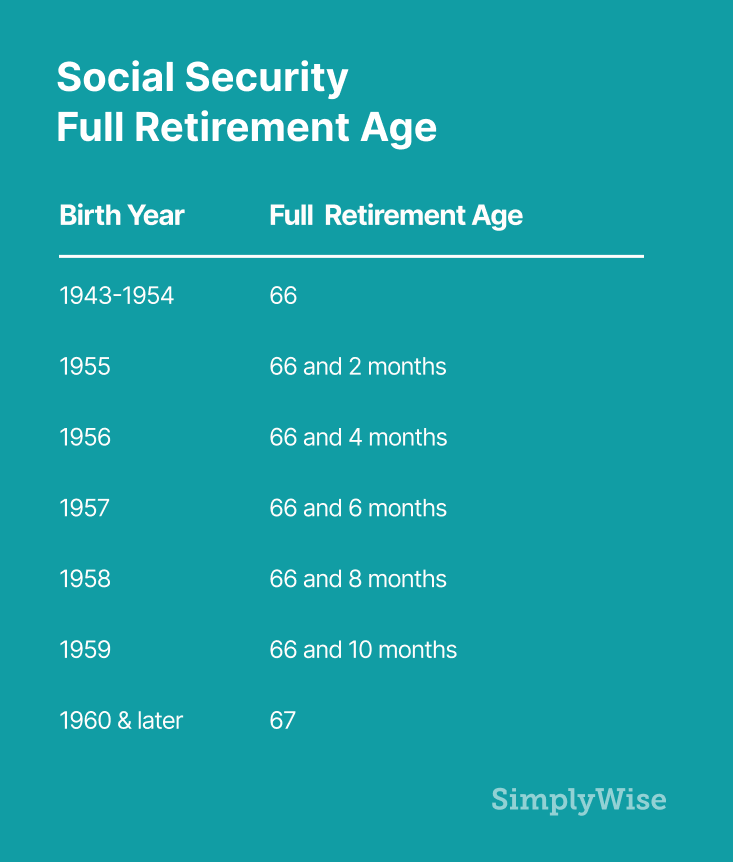
Choosing when to start receiving Social Security benefits is one of the most significant financial decisions you’ll make in retirement. Your Full Retirement Age (FRA), which varies based on your birth year, is the age at which you are entitled to 100% of your primary insurance amount (PIA). Claiming benefits early (as early as age 62) results in a permanent reduction, as much as 30% for those with an FRA of 67. Conversely, delaying benefits past your FRA, up to age 70, increases your monthly payment by a certain percentage (Delayed Retirement Credits) for each year you wait. This can result in a benefit that is 24% to 32% higher than your FRA benefit. The optimal claiming age depends on individual circumstances such as health, other retirement income sources, and personal longevity expectations. Careful consideration of these options can significantly impact your financial well-being throughout retirement.
Integrating Social Security into Your Overall Financial Plan
Social Security, while a vital income source, is rarely sufficient to fund an entire retirement on its own. Financial planning requires integrating your estimated Social Security benefits with other income streams, such as pensions, 401(k)s, IRAs, and personal savings. Think of Social Security as one pillar supporting your retirement structure, not the sole foundation. The benefit estimates you obtain help you determine the gap between your desired retirement income and what Social Security will provide. This knowledge can then inform your current savings strategies, investment choices, and even potential part-time work during early retirement. A holistic view, combining Social Security with diversified investments and savings, builds a robust and resilient financial plan capable of weathering economic fluctuations and supporting your desired lifestyle.
Common Questions and Misconceptions
Navigating Social Security often brings forth a myriad of questions and potential misunderstandings. Addressing these common concerns can further clarify your benefit outlook.
What if My Earnings Record is Incorrect?
Discovering an error in your Social Security earnings record can be concerning, but it’s a correctable issue. If you find discrepancies, such as missing years of earnings or incorrect amounts, it’s crucial to address them promptly. You’ll need to contact the SSA and provide evidence of your earnings, such as W-2 forms, tax returns, or pay stubs. The SSA has a process for investigating and correcting these errors. While there are time limits for correcting past earnings, it’s generally possible to amend records for up to three years, three months, and 15 days after the year in which the wages were paid. For older errors, the process might be more challenging but still worth pursuing, as an accurate earnings record directly translates to accurate benefit calculations.
How Do Taxes Affect My Benefits?
A common misconception is that Social Security benefits are entirely tax-free. In reality, a portion of your Social Security benefits may be subject to federal income tax, depending on your “provisional income.” Provisional income is calculated as your adjusted gross income (AGI), plus any tax-exempt interest, plus one-half of your Social Security benefits. If your provisional income exceeds certain thresholds ($25,000 for individuals, $32,000 for married couples filing jointly), up to 50% of your benefits may be taxable. For higher thresholds ($34,000 for individuals, $44,000 for married couples), up to 85% of your benefits may be taxable. Some states also tax Social Security benefits. Understanding these thresholds is crucial for retirement tax planning and for accurately projecting your net income.

What About Spouse and Survivor Benefits?
Social Security isn’t just for primary wage earners; it also provides crucial benefits for spouses and survivors. A spouse may be eligible for benefits based on their spouse’s earnings record, even if they have little to no work history themselves. These spousal benefits can be up to 50% of the primary earner’s Full Retirement Age benefit. Survivor benefits are paid to eligible family members (spouse, children, dependent parents) of a deceased worker, providing a financial lifeline during a difficult time. The amount of survivor benefit depends on the deceased worker’s earnings record and the relationship to the survivor. Understanding these auxiliary benefits is essential for comprehensive family financial planning and can provide significant protection for your loved ones.
Proactively finding out your Social Security benefits is an essential step towards building a secure financial future. By leveraging the “My Social Security” online account, diligently reviewing your Social Security Statement, and understanding the factors that influence your benefit amounts, you gain the clarity needed to make informed decisions. Integrate this knowledge into your broader financial plan, and you’ll be well-prepared to navigate the complexities of retirement with confidence and control. Don’t delay—take the initiative today to discover what your Social Security benefits mean for you.
aViewFromTheCave is a participant in the Amazon Services LLC Associates Program, an affiliate advertising program designed to provide a means for sites to earn advertising fees by advertising and linking to Amazon.com. Amazon, the Amazon logo, AmazonSupply, and the AmazonSupply logo are trademarks of Amazon.com, Inc. or its affiliates. As an Amazon Associate we earn affiliate commissions from qualifying purchases.