
For many graduates, the transition from the academic world to the professional sphere is marked by a significant financial shadow: student loan debt. In the United States alone, student loan debt has ballooned into a multi-trillion-dollar crisis, affecting millions of individuals across various demographics. However, the first and most critical step toward financial freedom is not necessarily making a payment, but rather gaining a clear, unfiltered view of exactly what you owe, to whom you owe it, and under what terms.
Ignoring student debt does not make it disappear; in fact, the lack of a centralized tracking system for both federal and private loans often leads to missed payments, accrued interest, and damaged credit scores. Whether you are preparing to enter repayment for the first time, looking to consolidate, or simply trying to get your financial house in order, this guide will provide the roadmap to uncovering every dollar of your student debt.
Identifying Federal Student Loans through the National Database
The vast majority of student loans in the United States are federal loans, issued or guaranteed by the Department of Education. Because these loans are funded by taxpayers, the government maintains a centralized record of every federal disbursement. If you have Direct Loans, Stafford Loans, or Perkins Loans, your information is stored in a single, accessible location.
Accessing StudentAid.gov and Your FSA ID
The definitive source for federal student loan information is the Federal Student Aid (FSA) website, managed by the U.S. Department of Education. To access your records, you will need your FSA ID, which consists of a username and password. If you have forgotten your credentials, the site offers recovery options via email or mobile phone.
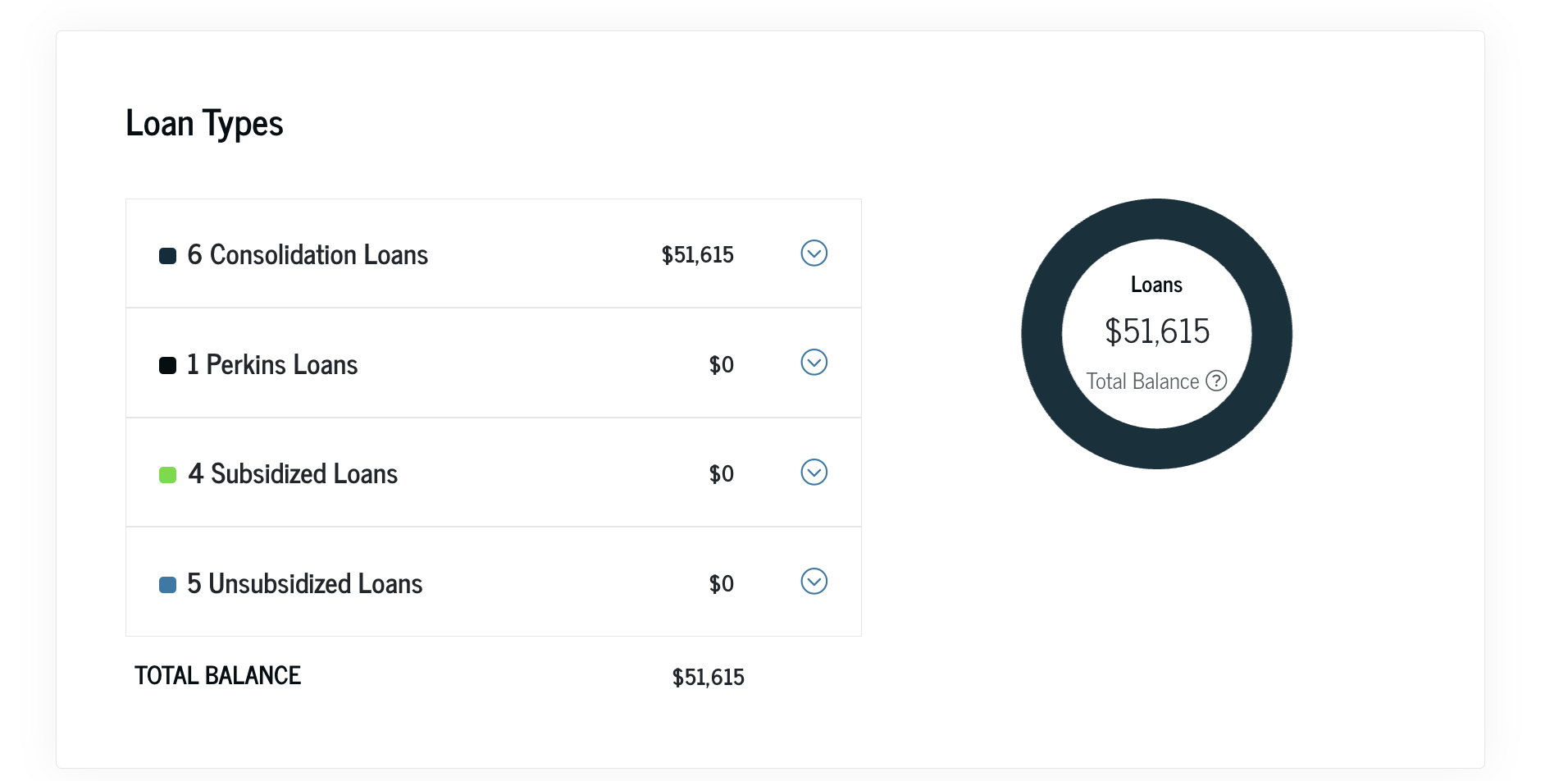
Once logged in, the dashboard provides a “Loan Aid Summary.” This is the command center for your federal debt. It displays your total outstanding balance, including both principal and interest. Furthermore, it breaks down your debt by loan type—Subsidized vs. Unsubsidized—which is crucial for understanding how interest accumulates during deferment or grace periods.
Identifying Your Loan Servicer
While the government owns federal loans, they do not typically manage the day-to-day billing. Instead, they assign your debt to “loan servicers” such as Nelnet, MOHELA, or EdFinancial. Your FSA dashboard will list the specific servicer assigned to each of your loans. This is vital information because your servicer is the entity you will actually pay. Knowing your servicer allows you to set up an online account with them directly, where you can view monthly statements, update contact information, and enroll in AutoPay to potentially reduce your interest rate by 0.25%.
Reviewing the National Student Loan Data System (NSLDS)
The information displayed on StudentAid.gov is pulled from the National Student Loan Data System (NSLDS). This system tracks your loan history from the first disbursement to the final payment. Reviewing this history can help you identify older loans from previous degrees or community college stints that you might have overlooked. If you see a loan status that looks incorrect—such as “default” when you believe you are in “repayment”—you must contact your servicer immediately to rectify the record.
Tracking Down Private Student Loans
Unlike federal loans, private student loans are not tracked by the Department of Education. These loans are issued by private entities like banks (e.g., Chase, Wells Fargo), credit unions, or specialized online lenders (e.g., SoFi, Sallie Mae). Because there is no central “private loan database,” finding these debts requires a bit more investigative work.
Utilizing Your Credit Report
The most effective way to find private student loans is to pull your credit report. Lenders report your loan balance and payment history to the three major credit bureaus: Equifax, Experian, and TransUnion. By law, you are entitled to a free copy of your credit report from each of these bureaus once a year through AnnualCreditReport.com.
When you review your credit report, look under the “Account Information” or “Trade Lines” section. You will see a list of every creditor you owe money to. Private student loans will usually be listed by the name of the financial institution. The report will show the original loan amount, the current balance, and whether the account is in good standing. This is often the only way to find “lost” loans that may have been sold from one lender to another over the years.
Contacting Your School’s Financial Aid Office
If your credit report is unclear or if you suspect a loan is missing, your alma mater’s financial aid office is an excellent resource. They maintain records of every financial aid package offered to you, including the private lenders you may have used to bridge the gap between federal aid and the cost of tuition. While they cannot tell you your current balance (as that is between you and the lender), they can provide the names of the lenders and the dates the funds were disbursed.
Searching Through Financial Records and Email Archives

In the digital age, a simple search of your email inbox for terms like “disbursement,” “promissory note,” “student loan,” or “tuition” can yield significant results. Digital “paper trails” often contain the original loan agreements or welcome letters from lenders. Additionally, reviewing your bank statements from your college years can reveal recurring deposits from lenders or, conversely, early interest payments you may have made while still in school.
Organizing Your Debt Portfolio
Once you have gathered the data from both federal and private sources, the next step is organization. Knowing you owe $50,000 is different from knowing you owe five separate $10,000 loans with varying interest rates. To manage your debt effectively, you must build a comprehensive debt portfolio.
The Power of the Debt Spreadsheet
Create a spreadsheet to visualize your total debt load. For each loan, you should record the following data points:
-
Loan Name/Type: (e.g., Federal Direct Unsubsidized, Private Wells Fargo)
-
Current Balance: The total amount currently owed.
-
Interest Rate: Is it fixed or variable?
-
Loan Servicer: Who do you send the check to?
-
Monthly Minimum Payment: The baseline amount required to stay in good standing.
-
Status: (e.g., Grace period, Repayment, Deferment)
This birds-eye view allows you to see the “weighted average interest rate” of your debt, which is essential for making informed decisions about refinancing or prioritizing payments.
Understanding Fixed vs. Variable Interest Rates
As you catalog your loans, pay close attention to the interest rate type. Federal loans issued after 2006 generally have fixed interest rates, meaning the rate stays the same for the life of the loan. Private loans, however, often have variable rates tied to market indices like LIBOR or SOFR. In an environment of rising interest rates, your private loan payments could increase significantly. Identifying these variable-rate loans early allows you to prioritize them for aggressive repayment or consider refinancing them into a fixed-rate product.
Analyzing Repayment Options and Financial Tools
Finding your debt is the diagnostic phase; choosing a repayment plan is the treatment phase. Once you have a clear picture of your obligations, you must align them with your current income and long-term financial goals.
Federal Repayment Plans
For federal loans, you have a variety of “Income-Driven Repayment” (IDR) plans. These plans, such as SAVE (Saving on a Valuable Education) or IBR (Income-Based Repayment), cap your monthly payments at a percentage of your discretionary income. In some cases, your payment could be as low as $0 per month while still counting toward eventual loan forgiveness. Understanding where your federal loans stand allows you to apply for these protections before you face financial hardship.
The Role of Consolidation and Refinancing
If you find yourself managing a dozen different loan servicers and due dates, consolidation might be an attractive option.
-
Federal Loan Consolidation: This combines multiple federal loans into one, resulting in a single monthly payment. This does not usually lower your interest rate, but it can simplify your life and make you eligible for certain forgiveness programs.
-
Private Refinancing: This involves taking out a new loan with a private lender to pay off your existing loans (federal, private, or both). If you have a strong credit score and a steady income, you may be able to secure a lower interest rate, potentially saving thousands over the life of the loan. However, be cautious: refinancing federal loans into a private loan means you lose federal protections like IDR plans and Public Service Loan Forgiveness (PSLF).
Moving from Awareness to Strategic Action
With your debt fully documented and categorized, you are no longer reacting to bills as they arrive; you are managing a financial portfolio. The final step in finding out your student loan debt is determining the strategy you will use to eliminate it.
Avalanche vs. Snowball Method
Two primary strategies dominate the personal finance landscape:
-
The Debt Avalanche: You focus all extra payments on the loan with the highest interest rate. Mathematically, this saves the most money and leads to the fastest payoff.
-
The Debt Snowball: You focus on paying off the smallest balance first to gain psychological momentum. This is often more effective for individuals who need small “wins” to stay motivated.
Investigating Forgiveness and Assistance Programs
Finding your debt may also reveal opportunities for relief. Beyond federal IDR forgiveness, there is the Public Service Loan Forgiveness (PSLF) program for those working in government or non-profit sectors. Furthermore, many employers now offer student loan repayment assistance as a fringe benefit. By knowing exactly who your servicers are, you can easily provide the necessary documentation to your employer’s HR department to take advantage of these programs.
Ultimately, the process of finding out your student loan debt is an act of financial empowerment. By pulling your credit reports, accessing the federal database, and organizing your findings into a coherent strategy, you transition from being a passive debtor to an active manager of your wealth. The road to a debt-free life is long, but it is a road that can only be navigated once you have a clear and accurate map of the terrain.
aViewFromTheCave is a participant in the Amazon Services LLC Associates Program, an affiliate advertising program designed to provide a means for sites to earn advertising fees by advertising and linking to Amazon.com. Amazon, the Amazon logo, AmazonSupply, and the AmazonSupply logo are trademarks of Amazon.com, Inc. or its affiliates. As an Amazon Associate we earn affiliate commissions from qualifying purchases.