
Understanding your annual income is far more than a simple numerical exercise; it’s the bedrock of sound financial planning, budgeting, tax preparation, and even career progression. Whether you’re a salaried employee, a burgeoning freelancer, an astute investor, or juggling multiple income streams, having a precise grasp of your total yearly earnings empowers you to make informed decisions and build a stable financial future. This comprehensive guide will walk you through the various components of income, effective tracking methods, and the crucial distinction between gross and net earnings, highlighting why this knowledge is indispensable.
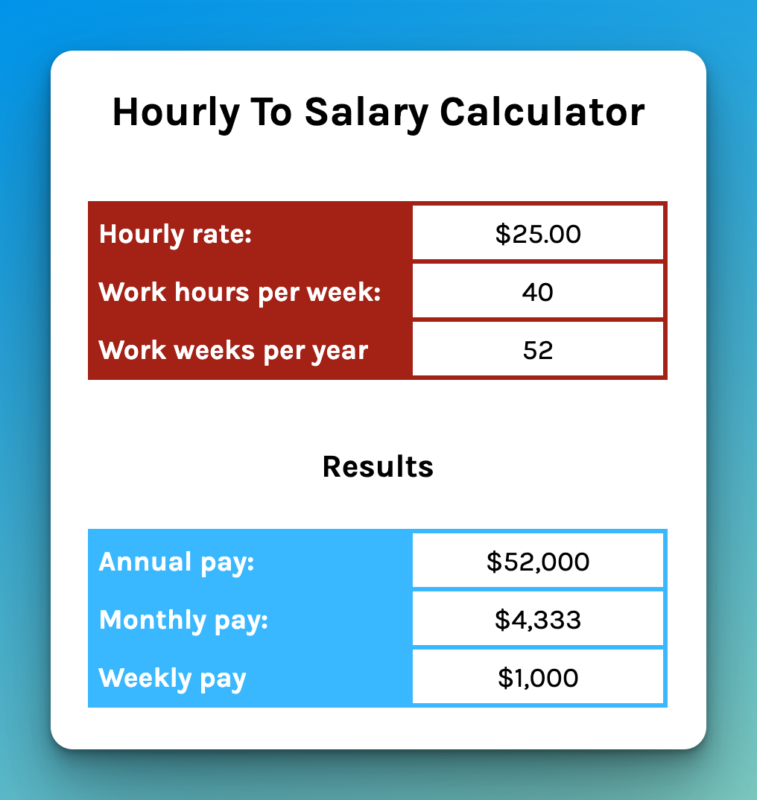
Understanding Your Income Streams: More Than Just a Paycheck
To accurately determine your annual income, you must first identify and itemize all sources of money flowing into your financial ecosystem. It’s often more complex than just glancing at a single pay stub.
Primary Employment Income
For most people, a significant portion of their annual income stems from their primary job. However, even this seemingly straightforward category has nuances.
-
Salary vs. Hourly Wage (Gross vs. Net): A salaried employee typically receives a fixed amount, while hourly workers’ income fluctuates based on hours worked. Both start with a “gross” figure (total earned before deductions). The “net” figure is what you actually take home after taxes and other deductions. It’s crucial to distinguish between these when calculating your total earnings.
-
Commissions, Bonuses, Overtime: Many roles supplement base pay with performance-based income. Commissions are a percentage of sales, bonuses are discretionary payments for achieving targets, and overtime pay is earned for working beyond standard hours. These variable components must be consistently tracked and added to your base pay.
-
Benefits: While not direct cash payments, employer-provided benefits like health insurance premiums, retirement contributions (e.g., 401(k) matches), and stock options hold significant monetary value and represent a substantial part of your overall compensation package. While they don’t directly count towards your cash income for taxes, understanding their value paints a complete picture of your financial compensation.
Self-Employment & Freelance Income
The landscape for self-employed individuals and freelancers is dynamic and requires diligent record-keeping.
-
Tracking Gross Revenue: This is the total amount billed to clients or customers before any business expenses are deducted. Maintain meticulous records of all invoices issued and payments received.
-
Accounting for Business Expenses (Net Income): Unlike employees, the self-employed must track their own business expenses (e.g., software subscriptions, office supplies, marketing costs, travel). Your taxable income, and often your personal spendable income, is your gross revenue minus these legitimate business expenses, resulting in your “net profit.”
-
Invoicing and Payment Records: Robust invoicing software or even a simple spreadsheet is essential for tracking who owes you money, when payments are due, and when they have been received.
Investment Income
Money can also work for you, generating passive income that contributes to your annual total.
-
Dividends and Interest: Dividends are payments made by companies to shareholders, while interest is earned from savings accounts, bonds, or loans you might have extended. Keep records of all dividend statements and interest income reports from banks or brokerage firms.
-
Capital Gains: When you sell an asset (like stocks, real estate, or even collectibles) for more than you paid for it, the profit is a capital gain. These can be short-term (assets held for a year or less) or long-term (held for more than a year), with different tax implications.
-
Rental Income: If you own property that you rent out, the rent collected, minus any allowable expenses (mortgage interest, property taxes, maintenance), contributes to your annual income.
Other Income Sources
Many individuals have diverse financial lives, with income flowing from various less common, but equally important, sources.
-
Side Hustles, Gig Economy Earnings: Whether it’s driving for a ride-share service, selling handmade crafts online, or dog-walking, earnings from side gigs need to be tracked.
-
Alimony, Child Support: These payments, received periodically, are often legally mandated and form a critical part of an individual’s financial picture.
-
Royalties, Intellectual Property: Creators, artists, and innovators may earn royalties from books, music, patents, or other intellectual property.
-
Government Benefits: Unemployment benefits, Social Security, disability payments, or certain welfare programs contribute to annual income and must be accounted for.
Methods for Calculating Your Annual Income
Once you’ve identified all your income streams, the next step is to consolidate this information using reliable methods.
Reviewing Pay Stubs and W-2s/1099s
These official documents are your most direct source of truth for employment income.
-
Understanding Year-to-Date Figures on Pay Stubs: Most pay stubs include a “Year-to-Date” (YTD) column, showing your cumulative earnings and deductions up to that specific pay period. By the end of the year, the final pay stub’s YTD figures will represent your gross and net income from that employer.
-
The Importance of W-2s (Employees) and 1099s (Contractors/Other Income): Employers are legally required to issue a Form W-2 by January 31st each year, summarizing your annual wages, tips, and other compensation, as well as taxes withheld. If you’re a contractor or freelancer, or receive income from other sources (e.g., investment income, certain government payments), you’ll receive various Form 1099s (e.g., 1099-NEC for nonemployee compensation, 1099-INT for interest, 1099-DIV for dividends). Collect all these forms as they provide the definitive summary of your taxable income for the year.
-
What to Do If You Have Multiple Employers/Income Sources: If you worked for more than one employer or had various 1099 income sources, you must add up the total gross income from all W-2s and 1099s to get your total annual gross income.
Utilizing Bank Statements and Financial Records
For those with less structured income, or to cross-reference official documents, bank statements are invaluable.
-
Tracking Deposits: Reviewing your bank statements can reveal all incoming funds. Look for consistent deposits labeled “Payroll,” “Freelance Payment,” “Dividend,” etc.
-
Reconciling with Known Income Sources: Compare the deposits in your bank account with your pay stubs, invoices, and investment statements to ensure everything aligns. This helps catch discrepancies or forgotten income streams.
-
Challenges with Mixed Deposits: Be aware that some deposits might lump together income from various sources or might include reimbursements or transfers that aren’t considered income. Careful categorization is key.
Leveraging Financial Software and Apps
Technology offers powerful tools for automating and simplifying income tracking.
-
Budgeting Apps (Mint, YNAB, Personal Capital): Many popular budgeting apps link directly to your bank accounts, credit cards, and investment accounts, automatically categorizing transactions, including income. They can provide a real-time snapshot of your earnings over any period.
-
Accounting Software (QuickBooks, FreshBooks for Self-Employed): For freelancers and small business owners, dedicated accounting software offers robust features for invoicing, expense tracking, and generating profit and loss statements, which clearly outline your annual income (net profit).
-
Automated Tracking and Categorization: These tools reduce manual effort and human error, offering a more accurate and comprehensive view of your financial inflows.
Manual Tracking and Spreadsheets

For those who prefer a hands-on approach, or for specific variable income streams, manual tracking remains effective.
-
Creating a Simple Income Tracker: A basic spreadsheet (Excel, Google Sheets) can be set up with columns for the date, source of income, amount, and a running total. This allows for complete customization.
-
Benefits of Meticulous Record-Keeping: While it requires discipline, manual tracking ensures you review every penny, fostering a deeper understanding of your financial habits and sources. It’s particularly useful for unpredictable side hustle income.
Gross vs. Net Income: Why the Distinction Matters
One of the most crucial distinctions in personal finance is between gross and net income. Misunderstanding this difference can lead to budgeting errors, tax surprises, and an inaccurate perception of your financial reality.
Defining Gross Income
Your gross income is the total amount of money you earn before any deductions are taken out.
-
Total Earnings Before Any Deductions: This is the headline figure often quoted for salaries or contract rates. For an employee, it’s your hourly rate multiplied by hours worked, plus any bonuses or commissions. For a self-employed individual, it’s your total revenue before business expenses.
-
Importance for Loan Applications, Income Thresholds: Lenders (for mortgages, car loans, personal loans) often look at your gross income to assess your borrowing capacity. Similarly, eligibility for certain government programs or benefits might be based on gross income thresholds.
Understanding Net Income (Take-Home Pay)
Your net income, often referred to as take-home pay, is the amount of money you actually receive after all mandatory and voluntary deductions have been subtracted from your gross income.
-
Gross Income Minus Taxes, Deductions: For an employee, this includes federal, state, and local income taxes, Social Security and Medicare taxes (FICA), and pre-tax deductions like 401(k) contributions, health insurance premiums, and flexible spending account contributions. For the self-employed, net income after business expenses is conceptually similar to net profit.
-
What You Actually Have to Spend or Save: This is the figure that truly matters for your day-to-day budgeting and financial planning, as it represents the cash available to you.
Deductions and Their Impact
Understanding what deductions are taken from your pay is vital.
-
Pre-tax vs. Post-tax Deductions: Pre-tax deductions (like 401(k) contributions or health insurance premiums) are taken out before your taxable income is calculated, reducing your current tax liability. Post-tax deductions (like Roth 401(k) contributions or some insurance premiums) are taken out after taxes have been calculated.
-
How They Affect Taxable Income and Take-Home Pay: Pre-tax deductions reduce your gross income for tax purposes, lowering your overall tax bill, but also reducing your take-home pay. All deductions, whether pre-tax or post-tax, reduce the actual cash you receive in your paycheck. Knowing these allows you to understand why your take-home pay might be significantly less than your gross salary.
The Importance of Knowing Your Annual Income
Beyond the simple arithmetic, accurately knowing your annual income is fundamental to nearly every aspect of your financial well-being.
Budgeting and Financial Planning
Your income is the anchor for your entire financial strategy.
-
Creating Realistic Spending Plans: A precise income figure allows you to build a realistic budget, allocating funds for necessities, wants, and savings without overextending yourself.
-
Setting Savings Goals: Whether it’s an emergency fund, a down payment for a house, or retirement, knowing your disposable income is key to setting achievable savings targets and tracking progress.
-
Debt Management: Understanding how much disposable income you have available after essential expenses allows you to devise effective strategies for paying down debt, whether through aggressive principal payments or by consolidating high-interest loans.
Tax Preparation and Compliance
Accurate income reporting is non-negotiable for tax purposes.
-
Accurate Tax Filing: All W-2s and 1099s contribute to your total taxable income. Having a clear record ensures you report everything correctly, preventing penalties or audits.
-
Estimating Tax Liability: If you have multiple income sources or are self-employed, knowing your total income helps you estimate your tax liability throughout the year, allowing you to make quarterly estimated tax payments and avoid a large tax bill at year-end.
-
Identifying Potential Deductions or Credits: A thorough understanding of your income and related expenses (especially for the self-employed) helps identify legitimate deductions and credits that can reduce your overall tax burden.
Career Advancement and Salary Negotiation
Your income data can be a powerful tool in your professional life.
-
Benchmarking Your Earnings: Knowing your current annual income allows you to compare it against industry standards and similar roles, identifying if you are underpaid or competitively compensated.
-
Justifying Salary Increase Requests: When negotiating a raise, having a clear understanding of your current total compensation (including benefits) and how it compares to market rates strengthens your argument.
-
Evaluating New Job Offers: A new job offer isn’t just about the base salary; it’s about the total compensation package. Comparing the potential annual income from an offer against your current earnings (and future earning potential) helps you make an informed decision.

Major Financial Decisions
From buying a home to planning for retirement, your annual income is a critical variable.
-
Loan Qualifications (Mortgage, Car): Lenders use your income-to-debt ratio to determine your eligibility and the amount you can borrow. A clear picture of your income is essential for significant purchases.
-
Investment Planning: Your income dictates how much you can afford to invest regularly. It also influences your tax bracket, which can impact investment strategies (e.g., choosing between pre-tax and Roth retirement accounts).
-
Retirement Planning: Calculating how much you need to save for retirement relies heavily on projecting your future income and current savings capacity. The more accurately you know your income, the more precise your retirement projections can be.
In conclusion, understanding “how much you make a year” is not a fleeting curiosity but a fundamental pillar of personal financial management. It empowers you to budget wisely, plan for the future, make sound investment choices, and navigate the complexities of taxes and career progression. By diligently tracking all your income sources and distinguishing between gross and net earnings, you gain an invaluable level of control and insight over your financial destiny. Make it a routine practice, and you’ll be well on your way to achieving financial security and growth.
aViewFromTheCave is a participant in the Amazon Services LLC Associates Program, an affiliate advertising program designed to provide a means for sites to earn advertising fees by advertising and linking to Amazon.com. Amazon, the Amazon logo, AmazonSupply, and the AmazonSupply logo are trademarks of Amazon.com, Inc. or its affiliates. As an Amazon Associate we earn affiliate commissions from qualifying purchases.