
Understanding Your Capital One Account Number
For anyone managing their finances, understanding the specifics of their banking details is paramount. Your Capital One account number is a critical piece of information, distinct from other numbers associated with your banking relationship, and serves a unique set of functions vital for various financial transactions. Mistaking it for other numbers can lead to significant delays or errors in financial dealings.
What is an Account Number?
An account number is a unique identifier assigned by your financial institution to a specific banking account, whether it’s a checking, savings, or money market account. It acts like a digital address for your funds, enabling them to be transferred accurately to and from your account. Typically ranging from 9 to 12 digits, this number, in conjunction with your bank’s routing number, facilitates the secure and precise movement of money within the financial system. It is indispensable for activities such as setting up direct deposit for your paycheck, authorizing automatic bill payments, initiating or receiving wire transfers, and linking your Capital One account to external financial applications or other banks.

Differentiating Account Numbers from Card Numbers
It’s crucial to distinguish your Capital One account number from your credit or debit card number. Capital One is widely known for its extensive range of credit cards. While your debit card is linked to your checking account, and a credit card is a line of credit, the 16-digit number embossed on these cards is primarily for point-of-sale transactions or online purchases. This card number cannot be used for direct deposits, ACH transfers, or linking external bank accounts. Your account number, on the other hand, is the unique identifier for the actual deposit account itself, the reservoir where your funds reside. Always ensure you are providing the correct type of number for the specific transaction required. Using a card number where an account number is requested will invariably lead to transaction failure.
Why You Might Need It
The scenarios requiring your Capital One account number are diverse and frequent in personal finance management. One of the most common uses is setting up direct deposit with your employer, ensuring your paycheck lands directly into your account on payday. Similarly, for freelancers or small business owners, providing this number is essential to receive payments via direct deposit or ACH transfers. When you link your Capital One account to external platforms, such as investment accounts, budgeting apps, or other bank accounts for transfers, your account number is the primary identifier. Furthermore, for bill payments, especially those set up directly through a payee rather than via your bank’s bill pay service, you may need to provide your account details. Finally, receiving international wire transfers or certain government payments also necessitates accurate provision of your account and routing numbers.
Primary Methods to Locate Your Capital One Account Number
Finding your Capital One account number is typically a straightforward process, thanks to the various accessible channels provided by the bank. These methods prioritize convenience and security, allowing you to retrieve this vital information with minimal hassle.
Through Capital One Online Banking
The most secure and frequently used method to find your account number is via your Capital One online banking portal. This digital gateway provides comprehensive access to your account details anytime, anywhere.
Using the Website:
- Log In: Navigate to the official Capital One website (capitalone.com) and log in to your account using your username and password.
- Select Account: Once logged in, you’ll see a dashboard displaying all your Capital One accounts (checking, savings, credit cards, etc.). Click on the specific checking or savings account for which you need the account number.
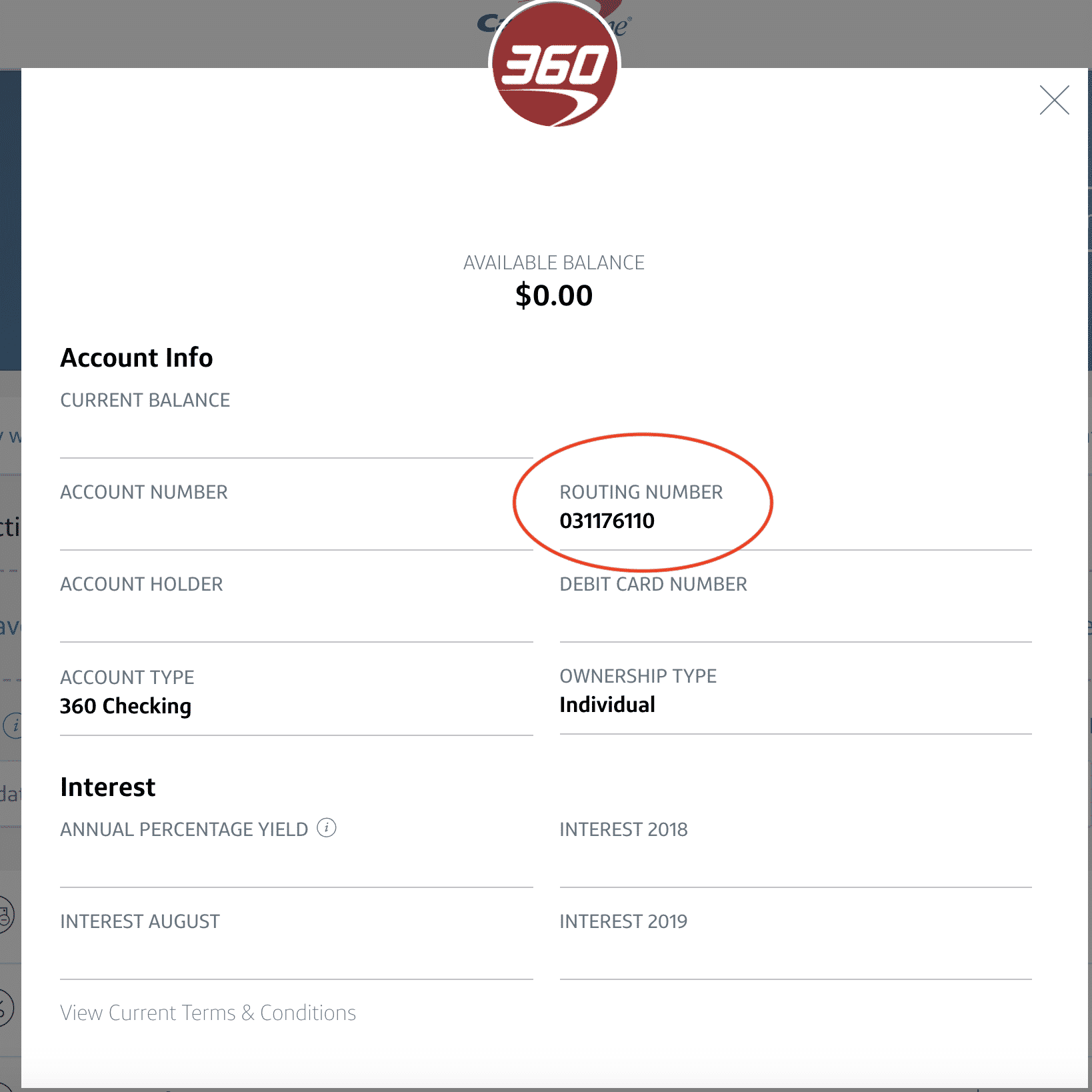
- View Account Details: Look for a section often labeled “Account Details,” “Account Services,” or “Download Statement.” Within this section, you should find your full account number displayed alongside the routing number. Capital One often requires an additional verification step (like entering your password again or a one-time code) to reveal sensitive information for security purposes.
- Copy Safely: Once revealed, you can safely copy or write down the number for your immediate need.
Using the Mobile App:
- Launch and Log In: Open the Capital One mobile app on your smartphone or tablet and log in using your credentials or biometric authentication (fingerprint, face ID).
- Choose Account: Tap on the specific checking or savings account from the main screen.
- Access Account Info: Look for an option like “Account Details,” “Show Account & Routing Numbers,” or a similar link within the account summary screen.
- Verify (if prompted): Similar to the website, the app may ask for re-authentication to display sensitive information.
- View Number: Your account and routing numbers will be displayed.
On Your Bank Statements
Bank statements are a reliable physical and digital record of your account activity and details.
Digital Statements:
Capital One provides access to digital statements through your online banking portal.
- Access Online Banking: Log in to your Capital One online account.
- Navigate to Statements: Look for a “Statements” or “Documents” section.
- Select and Download: Choose the most recent statement for the desired account and download it as a PDF.
- Locate Information: Your account number is typically found at the top of the statement, usually near your name and address, often grouped with the routing number.
Physical Statements:
If you receive paper statements by mail, simply locate the most recent one. The account number will be printed prominently on the statement, usually in the same location as on digital statements. Retain physical statements in a secure place, as they contain sensitive information.

Using Your Checkbook
For Capital One checking accounts, your physical checks are an immediate source of your account number.
- Locate a Check: Take out one of your personalized checks from your checkbook.
- Identify Numbers: At the bottom of the check, you will see three sets of numbers, typically separated by symbols.
- The first set of nine digits on the far left is the routing number.
- The middle set of numbers is your account number.
- The last set of numbers is the check number.
- Verify: Double-check that you are identifying the correct middle set of numbers as your account number, as these sequences are crucial for accurate transactions. Remember, this method is only applicable for checking accounts that have physical checks.
Alternative and Support Channels for Retrieval
While the primary methods are convenient, situations may arise where you cannot access online banking, statements, or checks. In such cases, Capital One offers robust customer support to assist you.
Contacting Capital One Customer Service
If you are locked out of your online account, don’t have access to statements, or have other issues, reaching out directly to Capital One customer service is an effective solution.
- Prepare Information: Before calling, gather personal identification details such as your full name, date of birth, social security number (or relevant tax ID), and possibly your debit card number or previous address. Customer service representatives will need to verify your identity thoroughly before providing sensitive account information.
- Dial the Right Number: Locate the appropriate customer service number for your specific Capital One product (e.g., checking/savings, credit card). These numbers are usually found on the back of your debit card, on the Capital One website under “Contact Us,” or on any past statements. For general banking inquiries, a common number is 1-800-655-2265.
- Follow Prompts: Navigate the automated system to speak with a representative. Explain that you need to retrieve your account number.
- Identity Verification: Be prepared for a series of security questions to confirm your identity. This is a critical step to protect your account from unauthorized access.
Visiting a Capital One Branch
For those who prefer face-to-face assistance or have a Capital One branch conveniently located, visiting a physical location is another viable option.
- Locate a Branch: Use the Capital One website or mobile app to find the nearest branch location and check its operating hours.
- Bring Identification: When visiting, ensure you bring valid, government-issued photo identification (e.g., driver’s license, passport). This is essential for identity verification.
- Speak with a Teller/Representative: A bank teller or customer service representative at the branch will be able to look up your account details after verifying your identity and provide you with your account number.
Previous Transactions or Linked Accounts
While not direct methods, sometimes you can infer or retrieve your account number from places where you’ve previously used it.
- Direct Deposit Forms: If you have a copy of a direct deposit authorization form submitted to your employer, your account and routing numbers will be printed on it.
- External Linked Accounts: If you have linked your Capital One account to another bank account (e.g., for transfers to a brokerage account or another checking account), the details of the linked account, including the account number, might be visible within the external bank’s online portal or app. Exercise caution and verify any inferred numbers.
- Bill Payment Records: Some recurring bill payment setups require your bank account number. Reviewing past payment confirmations or settings for these services might reveal the necessary information.
Security Considerations and Best Practices
Safeguarding your Capital One account number, like all financial identifiers, is crucial for preventing fraud and maintaining financial security. In an era where digital information is both powerful and vulnerable, adopting best practices is not merely recommended, but essential.
Protecting Your Account Information
Your account number, especially when paired with a routing number, acts as a key to your funds. Treat it with the same discretion you would your Social Security number or debit card PIN.
- Limit Sharing: Only provide your account number to trusted entities and for legitimate financial transactions (e.g., direct deposit, authorized bill payments, official bank transfers). Be wary of unsolicited requests for this information via email, text message, or phone calls, as these are common tactics for phishing scams.
- Secure Storage: If you need to write down your account number, store it in a secure, confidential location, away from easily accessible personal documents. Avoid storing it on unsecured digital devices or in easily guessable digital files.
- Public Wi-Fi Caution: When accessing your online banking to retrieve your account number, avoid using public or unsecured Wi-Fi networks. These networks can be vulnerable to eavesdropping, potentially exposing your login credentials and account information to malicious actors. Always use a secure, private network or your mobile data.
- Strong Passwords: Ensure your Capital One online banking account is protected by a strong, unique password and, whenever possible, enable two-factor authentication (2FA). This adds an extra layer of security, making it significantly harder for unauthorized individuals to access your account even if they manage to obtain your password.
What to Do If You Suspect Fraud
Vigilance is your first line of defense. If you notice any suspicious activity on your account, receive unusual communications purporting to be from Capital One, or suspect your account number has been compromised, act immediately.
- Contact Capital One Promptly: Report any unauthorized transactions or security concerns to Capital One’s fraud department without delay. The sooner you report, the better the chances of mitigating potential losses. Their contact information can be found on their official website or the back of your debit card.
- Monitor Your Accounts: Regularly review your account statements and transaction history through online banking or the mobile app. Look for any unfamiliar charges, withdrawals, or transfers.
- Change Passwords: If you suspect a breach, change your online banking password immediately to a new, strong, and unique password.
- Freeze/Block Cards: If your debit card number associated with the account is also compromised, request Capital One to block or freeze the card to prevent further unauthorized use.
Regularly Reviewing Account Details
Periodically reviewing your account information and associated settings ensures accuracy and helps in early detection of any discrepancies.
- Verify Direct Deposits/Payments: Confirm that direct deposits are correctly posting and automatic payments are being debited as expected.
- Update Information: If any personal details associated with your account change (e.g., address, phone number), update them promptly with Capital One.
- Understand Bank Communications: Pay attention to official communications from Capital One regarding account changes, security alerts, or updates to terms and conditions. These often contain vital information pertinent to your account’s security and functionality.
By adhering to these security measures and maintaining a proactive approach to managing your Capital One account information, you can significantly reduce your risk of financial fraud and ensure the secure operation of your banking activities.
aViewFromTheCave is a participant in the Amazon Services LLC Associates Program, an affiliate advertising program designed to provide a means for sites to earn advertising fees by advertising and linking to Amazon.com. Amazon, the Amazon logo, AmazonSupply, and the AmazonSupply logo are trademarks of Amazon.com, Inc. or its affiliates. As an Amazon Associate we earn affiliate commissions from qualifying purchases.