
Navigating the world of personal finance requires a high degree of organization and attention to detail. Whether you are managing a mortgage, a student loan, an auto loan, or a personal line of credit, the most critical piece of identifying information you possess—second only to your Social Security number in financial contexts—is your loan number.
A loan number, often referred to as an account number, serves as the unique identifier for your specific debt agreement with a lender. It is the key that unlocks your account details, allows you to make precise payments, and enables customer service representatives to assist you efficiently. Despite its importance, many borrowers find themselves searching for this number only when an urgent need arises, such as during tax season or when setting up an automated payment system. Understanding how to locate this number and why it matters is a fundamental step in proactive financial management.

Understanding the Importance of Your Loan Number
Before diving into the methods of retrieval, it is essential to understand the role this number plays in your financial ecosystem. A loan number is not merely a random string of digits; it is a tracking mechanism used by financial institutions to distinguish your debt from millions of others.
Why You Need Your Loan Number
The necessity of your loan number manifests in several critical scenarios. First and foremost is the application of payments. When you send a check or initiate a wire transfer, the loan number ensures the funds are credited to your specific balance rather than a general pool or another borrower’s account. This is particularly vital if you hold multiple loans with the same institution, such as a primary mortgage and a home equity line of credit (HELOC).
Furthermore, the loan number is indispensable for tax purposes. At the end of the fiscal year, lenders issue forms such as the 1098 (Mortgage Interest Statement) or 1098-E (Student Loan Interest Statement). To verify these documents against your own records, or to discuss discrepancies with the IRS, you must reference the specific account number. Additionally, if you decide to refinance your debt or consolidate multiple loans, the new lender will require the exact loan numbers of your current obligations to facilitate the payoff process.
The Anatomy of a Loan Number
While every bank and credit union has its own internal system, most loan numbers are between 8 and 15 digits long. Some may include hyphens or leading zeros. It is important to note that your loan number is distinct from your routing number (which identifies the bank) and your general bank account number (which identifies your checking or savings account). Keeping these numbers separate in your records prevents administrative errors that could lead to missed payments or late fees.
Primary Methods to Locate Your Loan Number
Finding your loan number is usually a straightforward process, provided you know where to look. Most lenders provide this information across multiple platforms, both physical and digital.
Monthly Billing Statements
The most reliable source for your loan number is your monthly billing statement. Whether you receive these via physical mail or as a PDF attachment in your email, the loan number is typically displayed prominently at the top of the document. Look for headers such as “Account Number,” “Loan ID,” or “Reference Number.” In many cases, it is located near the “Amount Due” or the “Payment Due Date” section. If you are viewing a paper statement, ensure you are looking at the main body of the bill rather than just the payment coupon, as some coupons may only show a partial or masked version of the number for security reasons.
Digital Banking Portals and Mobile Apps
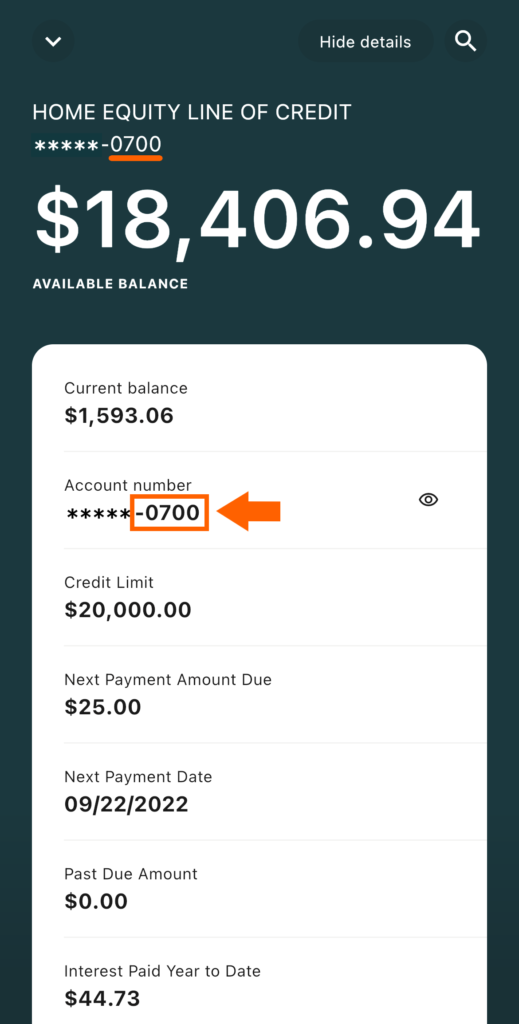
In the age of fintech, most borrowers manage their debt through online portals. Once you log in to your lender’s website or mobile application, navigate to the “Account Details” or “Loan Information” tab. Usually, clicking on the specific loan name (e.g., “30-Year Fixed Mortgage”) will open a summary page that lists the full loan number, the current balance, the interest rate, and the payment history. If the number is partially hidden (e.g., ****5678), there is often an “eye” icon or a “show” button that allows you to reveal the full string of digits after a secondary security verification.
Original Loan Agreement and Closing Documents
If you cannot access your monthly statements or online portal, your original loan contract is a definitive source. For a mortgage, this would be the Note or the Closing Disclosure you signed at the title company. For an auto loan or personal loan, it is the Truth in Lending Disclosure or the Promissory Note. These documents are the legal foundation of your debt and will always include the account number assigned at the time of origination. It is a best practice to keep digital scans of these documents in a secure, encrypted folder.
Finding Loan Numbers for Specific Debt Types
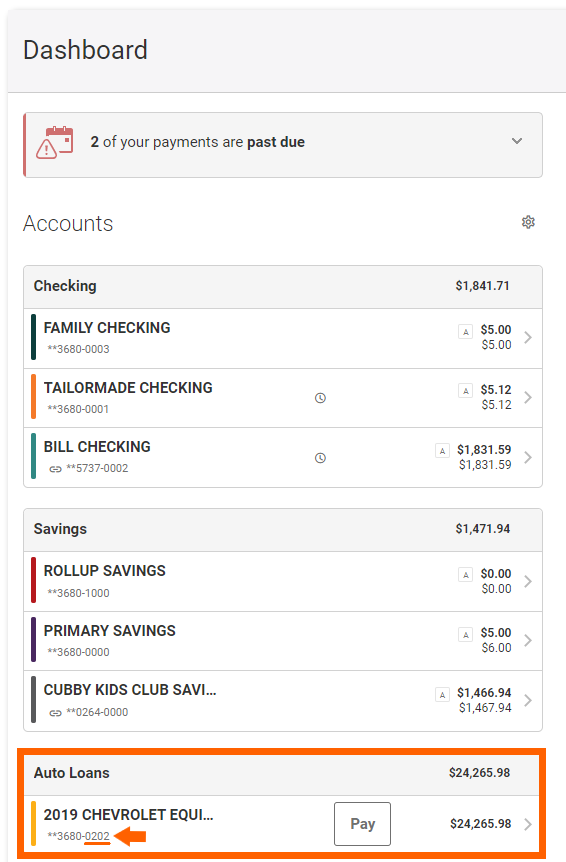
The process for finding a loan number can vary slightly depending on the type of financial product you are dealing with, as different industries have different reporting standards.
Mortgage Loan Numbers
Mortgages can be complex because the company that originated your loan is not always the company that services it. If your mortgage was sold to a different servicer, your loan number likely changed. In this case, you must look at the communications from the current servicer. The “Notice of Transfer of Servicing” document sent during the transition will list both your old and new loan numbers. If you pay your mortgage through an escrow account managed by your bank, the bank’s internal “mortgage ID” might be different from the servicer’s loan number; always use the servicer’s number for direct inquiries regarding the debt itself.
Student Loan Identifiers
Student loans, particularly federal ones, are managed through the Department of Education’s various servicers (such as Nelnet, Mohela, or EdFinancial). To find your federal loan numbers, your first stop should be the Federal Student Aid (FSA) website at StudentAid.gov. After logging in with your FSA ID, you can view a “Dashboard” that summarizes all your federal grants and loans. By clicking on “View Details,” you can see the specific servicer for each loan and the associated account numbers. For private student loans, you will need to log in to the specific lender’s portal, as these are not tracked by the federal government.
Auto and Personal Loans
Auto loans are often managed by the financing arm of a car manufacturer (e.g., Ford Credit, Toyota Financial Services) or a local credit union. If you have an auto loan, your loan number is frequently found on the “Welcome Letter” sent shortly after the purchase. If you use a physical payment book, the number is printed on every single coupon. Personal loans from online lenders (like SoFi or Upstart) almost exclusively use digital dashboards, so checking your initial “Funding Confirmation” email is often the fastest way to retrieve the number if you are locked out of the portal.
What to Do If You Cannot Find the Number
There are instances where documents are lost, and digital access is revoked or forgotten. If you find yourself in this situation, there are still several avenues available to retrieve your information.
Contacting Customer Service
The most direct path is calling the lender’s customer service department. You will need to verify your identity by providing your Social Security number, date of birth, and possibly the answers to security questions. Once verified, the representative can provide your loan number over the phone or, more securely, send a verification letter to the address they have on file.
Checking Your Credit Report
Every major loan is reported to the three primary credit bureaus: Equifax, Experian, and TransUnion. You can request a free copy of your credit report from AnnualCreditReport.com. Your credit report lists every open account in your name. While the report often truncates the account number for your protection (e.g., only showing the last four digits), it will provide the exact name of the creditor and their contact information, allowing you to reach out to the right place to get the full number.
Reviewing Tax Documents
If you have paid more than $600 in interest on a mortgage or student loan during the year, your lender is required to send you a 1098 form. These forms are usually available in January or February. The “Account Number” box on these forms (typically Box 8 or a designated side box) will contain the loan number you used for that tax year.
Best Practices for Financial Organization
Finding your loan number once is a task; keeping it accessible for the future is a strategy. Effective debt management requires a system that prevents the need for a frantic search.
Creating a Digital Financial Master List
Financial experts recommend maintaining a secure master document—either a password-protected spreadsheet or a dedicated section in a digital vault—that lists all active debts. This list should include the lender’s name, the full loan number, the interest rate, the monthly payment amount, and the login credentials for the portal. Having this information centralized simplifies the process of auditing your finances or preparing for major life events like buying a home or applying for a new line of credit.
Security and Privacy Considerations
Because a loan number is a sensitive identifier, it must be handled with care. Never share your loan number over unencrypted email or text messages. When disposing of old billing statements or loan documents, use a cross-cut shredder to prevent identity theft. Scammers often use partial loan information found in the trash to pose as bank representatives in “phishing” schemes. By treating your loan number with the same level of security as your credit card numbers, you protect your financial health from external threats.
In conclusion, while the loan number may seem like a minor administrative detail, it is the cornerstone of your relationship with your lender. By knowing where to find it—whether through statements, digital portals, or legal documents—and keeping it organized, you ensure that you remain in total control of your financial journey. Mastering these small details is what separates passive borrowers from proactive financial managers.
aViewFromTheCave is a participant in the Amazon Services LLC Associates Program, an affiliate advertising program designed to provide a means for sites to earn advertising fees by advertising and linking to Amazon.com. Amazon, the Amazon logo, AmazonSupply, and the AmazonSupply logo are trademarks of Amazon.com, Inc. or its affiliates. As an Amazon Associate we earn affiliate commissions from qualifying purchases.