
Understanding the financial specifics of your car loan is not just good practice; it’s a fundamental aspect of sound personal finance management. Among these specifics, the interest rate stands out as a pivotal figure that directly impacts the total cost of your vehicle and your monthly budget. Far too often, car buyers focus solely on the monthly payment, overlooking the compounding effect of interest over the loan’s lifetime. This oversight can lead to paying significantly more than anticipated for a vehicle, draining valuable financial resources that could be better allocated elsewhere. This article delves into the critical importance of knowing your car loan interest rate, precisely where to locate this crucial information, the factors that shape it, and strategies to ensure you secure the most favorable terms.
The Indispensable Role of Understanding Your Car Loan Interest Rate
The interest rate is arguably the single most important variable in a loan agreement, beyond the principal amount itself. It represents the cost of borrowing money, expressed as a percentage of the principal that you pay back to the lender over a specific period. Grasping its significance empowers you to make informed decisions and better manage your personal finances.
The True Cost of Borrowing
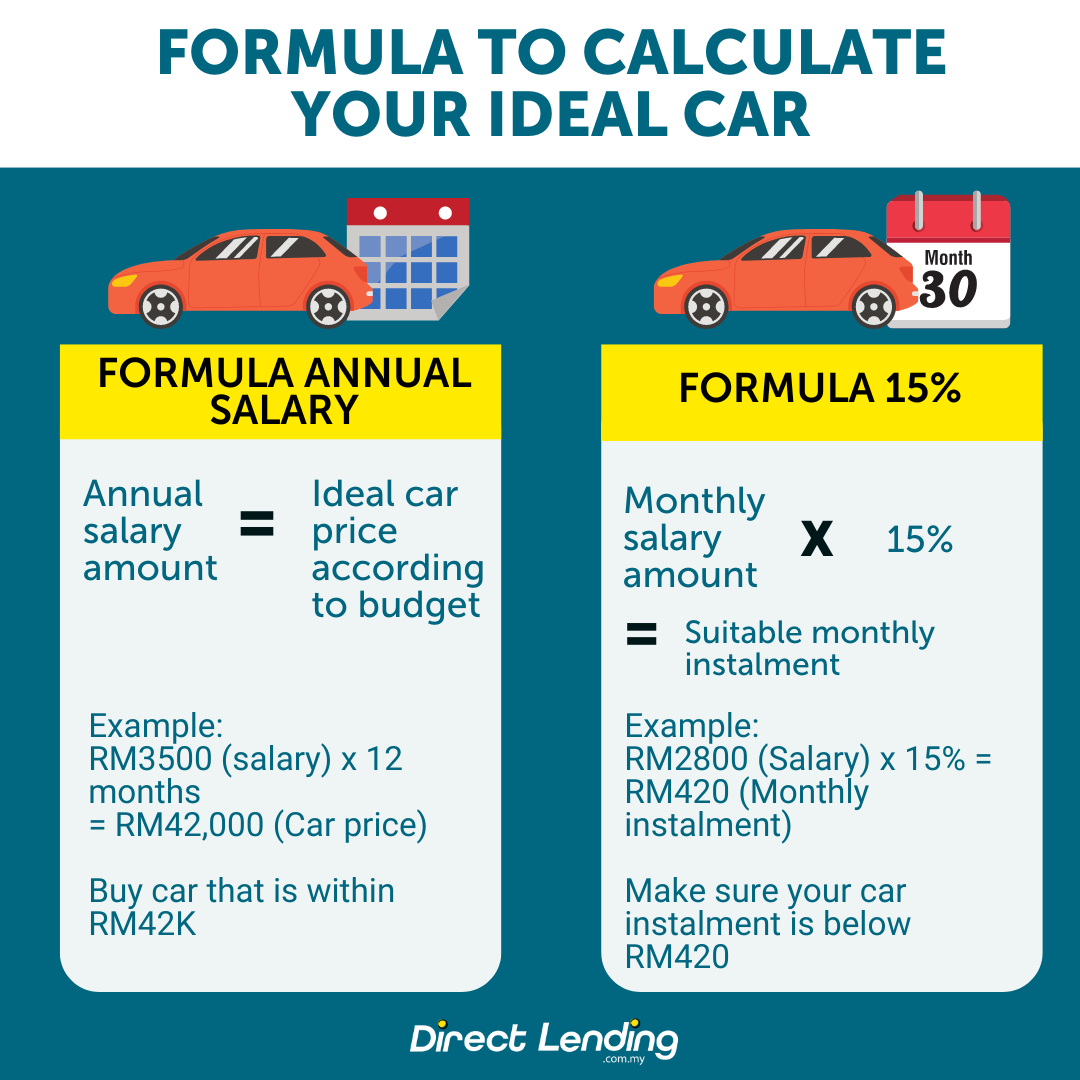
Without a clear understanding of your interest rate, you’re essentially signing a blank check for the cost of borrowing. A higher interest rate, even by a seemingly small percentage point, can translate into thousands of dollars in additional costs over the life of a car loan. For instance, a $30,000 car loan at 5% interest over five years will cost you significantly less in total interest paid than the same loan at 7%. This difference can add up to hundreds, even thousands, of dollars. Knowing your rate allows you to accurately calculate the total financial outlay for your vehicle, moving beyond just the sticker price and monthly payment. It’s the difference between merely affording a car and truly understanding its comprehensive financial impact on your long-term wealth. This insight is critical for budgeting, ensuring that your car payment fits comfortably within your financial plan without straining other essential expenditures or savings goals.
Empowering Your Financial Decisions
Knowledge of your interest rate equips you with leverage. Before you even sign on the dotted line, comparing interest rates from multiple lenders becomes a powerful negotiation tool. If you’ve been pre-approved for a loan at a certain rate, you can use this as a benchmark when negotiating with the dealership’s finance department or other banks. Post-purchase, knowing your current rate is the first step towards evaluating refinancing options. If market rates drop, or if your credit score significantly improves, you might be eligible for a lower rate through refinancing, which could save you a substantial amount of money. This proactive approach to managing your existing debt can free up cash flow and reduce your overall debt burden, contributing positively to your financial health.
Setting the Stage for Smart Refinancing
The decision to refinance a car loan is often driven by the desire to reduce monthly payments, decrease the total interest paid, or shorten the loan term. However, none of these objectives can be effectively pursued without first knowing your current interest rate. This baseline figure allows you to compare new offers against your existing loan, quantifying the potential savings. It helps you determine if a new offer genuinely represents a better deal or if the associated fees with refinancing would negate any interest rate benefits. For example, if your current rate is 8% and you find an offer for 5%, the savings are clear. But without that initial 8% figure, the 5% offer exists in a vacuum, making an informed decision impossible.
Navigating the Documentation: Where to Locate Your Rate
Once you’ve secured a car loan, your interest rate is formally documented in several places. Knowing where to look ensures you can quickly access this information whenever needed, whether for budgeting, refinancing, or simply understanding your financial commitments.
The Loan Agreement and Promissory Note
The definitive source for your car loan interest rate is the loan agreement or promissory note you signed when you finalized the purchase. This legal document outlines all the terms and conditions of your loan, including the principal amount, the loan term, your monthly payment, and, most importantly, the annual interest rate. It will typically be presented clearly, often near the top of the financial breakdown section. Always keep a copy of this document in a safe place, as it’s your primary reference for all loan specifics. If you can’t locate your physical copy, many lenders offer digital copies through their online portals or can provide one upon request.
Monthly Statements and Online Portals
Your lender provides monthly statements detailing your payment activity, remaining balance, and often, a breakdown of how much of your payment goes towards principal and interest. The statement will typically list your current interest rate. If you receive electronic statements or manage your loan through an online lender portal, you can usually find this information readily accessible within your account dashboard or under a “loan details” or “account summary” section. These digital platforms are designed for convenience, allowing you to quickly access your loan information without needing to dig through physical paperwork.
Leveraging Your Credit Report
Another valuable, though less direct, source for identifying your car loan details, including the original loan amount and sometimes the interest rate, is your credit report. Major credit bureaus (Experian, Equifax, TransUnion) compile detailed reports of your credit history, including all open and closed loan accounts. While the exact interest rate might not always be explicitly listed as a single figure on your credit report, the presence of the loan and its payment history confirms its existence. More importantly, understanding the loans listed on your credit report can help you piece together your financial obligations. Furthermore, reviewing your credit report regularly is a good financial habit, as it allows you to identify any discrepancies or potential identity theft. You are entitled to a free copy of your credit report from each of the three major credit bureaus annually via AnnualCreditReport.com.
Direct Communication with Your Lender
When all else fails, or if you simply prefer direct interaction, contacting your lender directly is the most straightforward way to ascertain your interest rate. You can call their customer service line, visit a local branch (if applicable), or even send an email through their secure messaging system. Be prepared to verify your identity by providing personal information such as your account number, date of birth, and possibly the last four digits of your Social Security number. The lender’s representatives have direct access to your loan details and can provide you with the exact interest rate and any other information you require. This method is particularly useful if you have multiple loans and need clarity on a specific one, or if you suspect there might be an error on your statements.
Decoding the Factors Influencing Your Interest Rate
The interest rate you receive on a car loan is not arbitrary; it’s the result of several interconnected factors that lenders assess to determine your creditworthiness and the risk associated with lending to you. Understanding these factors can help you improve your chances of securing a lower rate.

The Cornerstone of Credit Score
Your credit score is arguably the most significant determinant of the interest rate you’ll be offered. Lenders use credit scores (like FICO or VantageScore) as a snapshot of your financial reliability. A higher credit score (generally above 700) indicates a lower risk of default, making you a more attractive borrower. This translates into lower interest rates because lenders perceive less risk in extending credit to you. Conversely, a lower credit score suggests a higher risk, prompting lenders to charge a higher interest rate to compensate for that elevated risk. Maintaining a good payment history, managing your credit utilization, and avoiding excessive new credit applications can help improve your credit score over time, paving the way for better loan terms.
Loan Term, Down Payment, and Vehicle Specifics
Beyond your credit score, several other variables play a crucial role. The loan term (how long you have to repay the loan) can influence the rate; shorter terms often come with slightly lower interest rates because the lender’s money is tied up for a shorter period. A substantial down payment reduces the amount you need to borrow, thereby lowering the lender’s risk and potentially earning you a lower interest rate. Furthermore, vehicle specifics matter. Newer cars, being less of a depreciation risk, often qualify for lower rates than older, higher-mileage used cars, which are considered higher risk due to potential mechanical issues and faster depreciation. Lenders also consider the loan-to-value (LTV) ratio, which compares the loan amount to the car’s market value. A lower LTV (meaning you’ve borrowed less relative to the car’s worth) is generally favorable.
Market Dynamics and Lender Profiles
The broader economic environment and prevailing market interest rates also exert significant influence. When the Federal Reserve raises its benchmark interest rate, it typically leads to an increase in interest rates across various lending products, including car loans. Conversely, a period of economic slowdown might see rates decrease to stimulate borrowing. Finally, the type of lender can impact rates. Credit unions, for example, are member-owned non-profits and often offer more competitive rates than traditional banks or dealership financing departments, as they prioritize member benefits over shareholder profits. Shopping around and comparing offers from various lender types is therefore a crucial step in securing the best possible rate.
Calculating the Impact: Beyond the Stated Rate
While knowing your interest rate is crucial, understanding its full financial impact requires looking beyond just the percentage number. The true cost of borrowing incorporates more than just simple interest, and tools are available to help you visualize these costs.
Understanding Annual Percentage Rate (APR) vs. Interest Rate
It’s vital to differentiate between the interest rate and the Annual Percentage Rate (APR). While the interest rate solely reflects the cost of borrowing the principal amount, the APR provides a more comprehensive measure of the total cost of the loan. APR includes the interest rate plus any additional fees associated with the loan, such as origination fees, documentation fees, and certain closing costs. Because APR encapsulates all these charges, it is a more accurate representation of the total annual cost of your loan. When comparing loan offers, always use the APR to ensure an apples-to-apples comparison, as a lower interest rate might hide higher fees that drive up the overall APR.
Utilizing Online Calculators and Amortization Schedules
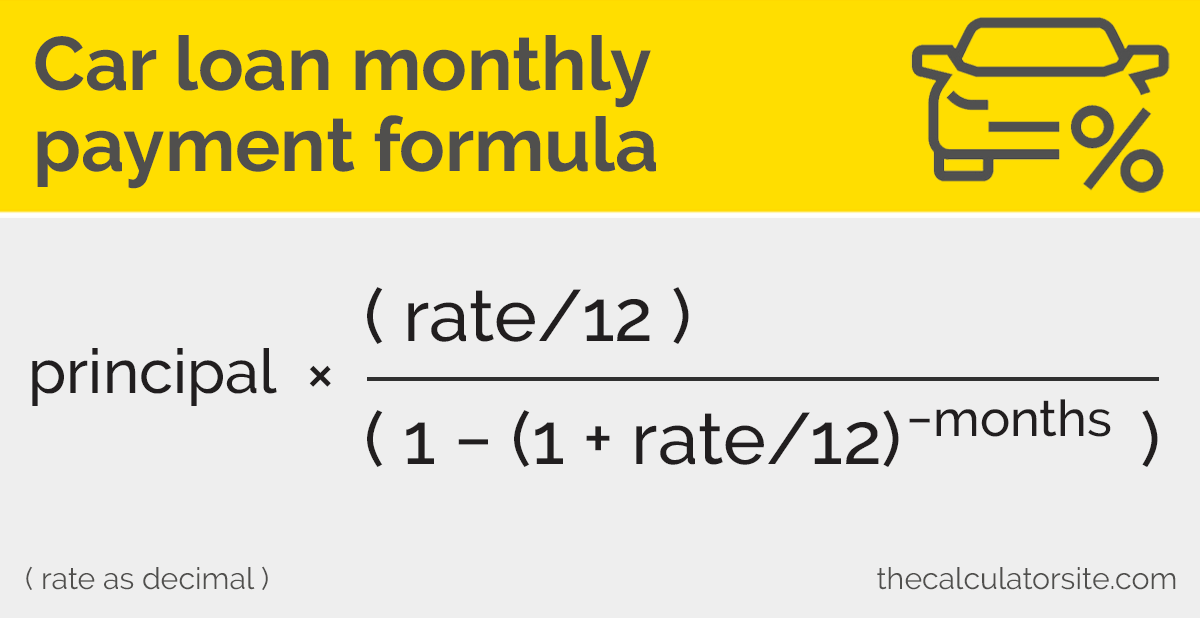
Once you know your interest rate, you can use online car loan calculators to project your total interest paid over the life of the loan. These tools typically require you to input the principal amount, interest rate, and loan term, and they will output your estimated monthly payment and the total interest you’ll pay. For a more detailed breakdown, an amortization schedule is invaluable. This schedule illustrates how your loan principal decreases over time, showing exactly how much of each monthly payment goes towards interest and how much goes towards reducing the principal balance. In the early stages of a loan, a larger portion of your payment typically goes to interest, gradually shifting to more principal repayment as the loan matures. Understanding this schedule can reveal the significant financial benefit of making extra principal payments, which can drastically reduce the total interest paid and shorten the loan term.
The Long-Term Financial Implications
The long-term financial implications of your car loan interest rate extend beyond just the total cost of the vehicle. A high-interest rate car loan can tie up a significant portion of your disposable income, limiting your ability to save for other financial goals, invest, or pay down higher-interest debt. Conversely, securing a low interest rate frees up cash flow, allowing you to allocate more money towards wealth-building activities. This demonstrates how a seemingly small percentage point difference can have a ripple effect on your overall financial health, impacting everything from your emergency fund growth to your retirement savings.
Strategies for Optimizing Your Car Loan Interest Rate
Armed with knowledge about where to find your interest rate and what influences it, you can take proactive steps to ensure you secure and maintain the most favorable terms possible.
Proactive Steps Before Committing
The best time to optimize your interest rate is before you sign for the loan. Start by checking your credit score and history well in advance. Correct any errors and take steps to improve your score if necessary. Secondly, shop around extensively for pre-approvals from multiple lenders—banks, credit unions, and online lenders. Having several offers in hand gives you leverage and a clear understanding of the best rate you qualify for. A pre-approval also separates the financing process from the car buying process, allowing you to focus on getting the best deal on the vehicle itself, rather than feeling rushed into financing decisions at the dealership. Finally, consider making a larger down payment and opting for the shortest loan term you can comfortably afford, as these actions typically lead to lower interest rates and reduced total interest paid.
Refinancing as a Post-Loan Strategy
If you’ve already secured a car loan and feel your interest rate is too high, or if your financial situation has improved, refinancing is a powerful strategy. Refinancing involves taking out a new loan to pay off your existing car loan, ideally at a lower interest rate or with more favorable terms. This strategy is particularly effective if your credit score has improved significantly since you first took out the loan, if market interest rates have dropped, or if you initially took a high-interest loan due to limited credit history. By lowering your interest rate, refinancing can reduce your monthly payments, decrease the total amount of interest you pay over the loan’s life, or even allow you to pay off the car sooner. Always compare the APRs of refinancing offers and factor in any associated fees to ensure the new loan truly offers a net benefit.
Negotiating for Better Terms
Whether you’re obtaining a new loan or exploring refinancing, don’t be afraid to negotiate. With pre-approval offers in hand, you can negotiate with dealerships or other lenders for a better rate. If a lender sees that you have a competitive offer from elsewhere, they may be more inclined to match or even beat it to earn your business. This applies not just to the interest rate but also to other loan terms. Even a slight reduction in the interest rate can lead to significant savings over the life of the loan. Be informed, be confident, and always be prepared to walk away if the terms aren’t favorable.
In conclusion, understanding how to find and interpret your car loan interest rate is paramount to effective financial management. It empowers you to make informed decisions, negotiate effectively, and ultimately save thousands of dollars over the lifetime of your vehicle. By proactively seeking out this information and leveraging available tools and strategies, you can drive smarter, both on the road and in your personal finances.
aViewFromTheCave is a participant in the Amazon Services LLC Associates Program, an affiliate advertising program designed to provide a means for sites to earn advertising fees by advertising and linking to Amazon.com. Amazon, the Amazon logo, AmazonSupply, and the AmazonSupply logo are trademarks of Amazon.com, Inc. or its affiliates. As an Amazon Associate we earn affiliate commissions from qualifying purchases.