
In an increasingly interconnected world, the ability to efficiently find flights is no longer just about convenience; it’s a critical skill leveraging technology to optimize travel planning and expenditure. From sophisticated metasearch engines to AI-driven price prediction tools, the digital landscape offers a wealth of resources for uncovering the best routes and fares. Navigating this ecosystem effectively requires an understanding of the underlying technologies and best practices for their application.
Leveraging Flight Search Engines and Aggregators
The cornerstone of modern flight discovery lies in the powerful search engines and aggregators designed to scour vast databases of airline data. These platforms streamline the process, presenting a consolidated view of options that would be impossible to gather manually.

The Power of Metasearch
Metasearch engines stand out as the initial port of call for most travelers. Platforms like Google Flights, Skyscanner, Kayak, and Momondo don’t sell tickets directly but rather aggregate data from hundreds of airlines and online travel agencies (OTAs). Their algorithms provide a comprehensive overview, allowing users to compare prices, routes, and airlines side-by-side. Key features often include interactive calendars for flexible date searching, map-based exploration for “everywhere” destinations, and granular filters for layovers, airlines, and cabin classes. The technological prowess behind these tools lies in their ability to process immense datasets in real-time, delivering actionable information instantly. Users benefit from the transparency they offer, often revealing the cheapest booking channels, whether it’s directly with an airline or via a third-party OTA.
Direct Airline Websites vs. OTAs
While metasearch engines provide the initial data, the decision often comes down to booking directly with an airline or through an Online Travel Agency (OTA) such as Expedia, Priceline, or Booking.com. Each has its technological advantages and disadvantages. Booking directly with an airline can offer greater flexibility for changes and cancellations, as well as direct access to customer service for operational disruptions. Airlines’ proprietary websites often feature exclusive fare classes, loyalty program benefits, and ancillary services that may not be fully integrated into third-party platforms. Conversely, OTAs frequently bundle flights with hotels or car rentals, sometimes offering significant discounts that leverage their bulk purchasing power and complex backend systems. They also excel at providing a one-stop shop for multi-leg journeys involving different carriers, simplifying the booking and management process through a single digital interface. However, resolving issues with OTA bookings can sometimes be more complex due to the intermediary layer. Understanding the technological frameworks of each allows travelers to make informed decisions based on their priorities.
Exploring Lesser-Known Platforms
Beyond the major players, a variety of niche and specialized platforms cater to specific travel needs. Services like Scott’s Cheap Flights (now Going) and Secret Flying use sophisticated algorithms and human expertise to identify error fares, hidden deals, and deeply discounted routes, often leveraging glitches or strategic pricing by airlines. These platforms typically operate on a subscription model, providing email alerts for attractive opportunities. Budget airlines’ own websites, while not aggregators, often present their best fares directly, bypassing the commission structures of larger OTAs. Furthermore, regional search engines or country-specific aggregators might unearth deals relevant to particular markets that larger global platforms could overlook. Exploring these less conventional digital avenues can uncover significant savings and unique travel opportunities, demonstrating the diverse technological landscape of flight discovery.
Mastering Advanced Search Techniques
Effective flight finding goes beyond basic point-to-point searches. Advanced techniques leverage the full capabilities of modern digital tools to uncover optimal itineraries and pricing.
Flexible Date Searches and “Everywhere” Destinations
One of the most potent features of contemporary flight search engines is their ability to accommodate flexible travel dates. Instead of inputting specific dates, users can often search by month, “any time,” or use interactive calendar views to identify the cheapest days to fly within a broader period. This flexibility is powered by complex algorithms that rapidly query millions of fare combinations. Similarly, the “everywhere” or “explore” feature, prominently found on platforms like Google Flights and Skyscanner, allows users to input their origin and desired travel dates (or range) and view prices to various destinations globally. This is invaluable for travelers without a fixed destination, as it can reveal surprisingly affordable routes to places they hadn’t considered, driven by real-time market data and dynamic pricing.
Multi-City and Stopover Strategies
For complex itineraries, multi-city search options are indispensable. Rather than booking separate one-way tickets, which can be more expensive, multi-city tools allow users to string together several flights into a single itinerary, often leading to significant savings. This is particularly useful for trips involving multiple destinations or returning from a different city than the arrival point. Some advanced platforms even facilitate “stopover” bookings, allowing travelers to spend an extended period (e.g., a few days) in a layover city before continuing to their final destination, often at no extra cost or for a minimal increase. This technique requires understanding how airlines structure their fares and leveraging search engines capable of handling these intricate routing rules.
Incognito Mode and Cookie Management
A widely discussed, though sometimes debated, technique is the use of incognito or private browsing mode and the regular clearing of browser cookies. The theory suggests that flight search websites, through cookies and IP tracking, may recognize repeat visits and potentially display higher prices to encourage immediate booking, creating a sense of urgency. While concrete evidence for widespread, intentional price manipulation through cookies is mixed, especially across all carriers and platforms, using incognito mode ensures a “clean slate” for each search session. This prevents any potential algorithmic adjustments based on previous browsing history, offering a fresh query each time. It’s a simple, privacy-enhancing digital habit that costs nothing and can be a good practice for sensitive online transactions.
Harnessing AI and Data for Optimal Deals
The frontier of flight finding is increasingly shaped by artificial intelligence and sophisticated data analysis, moving beyond simple comparison to predictive intelligence.
Price Prediction and Alert Tools
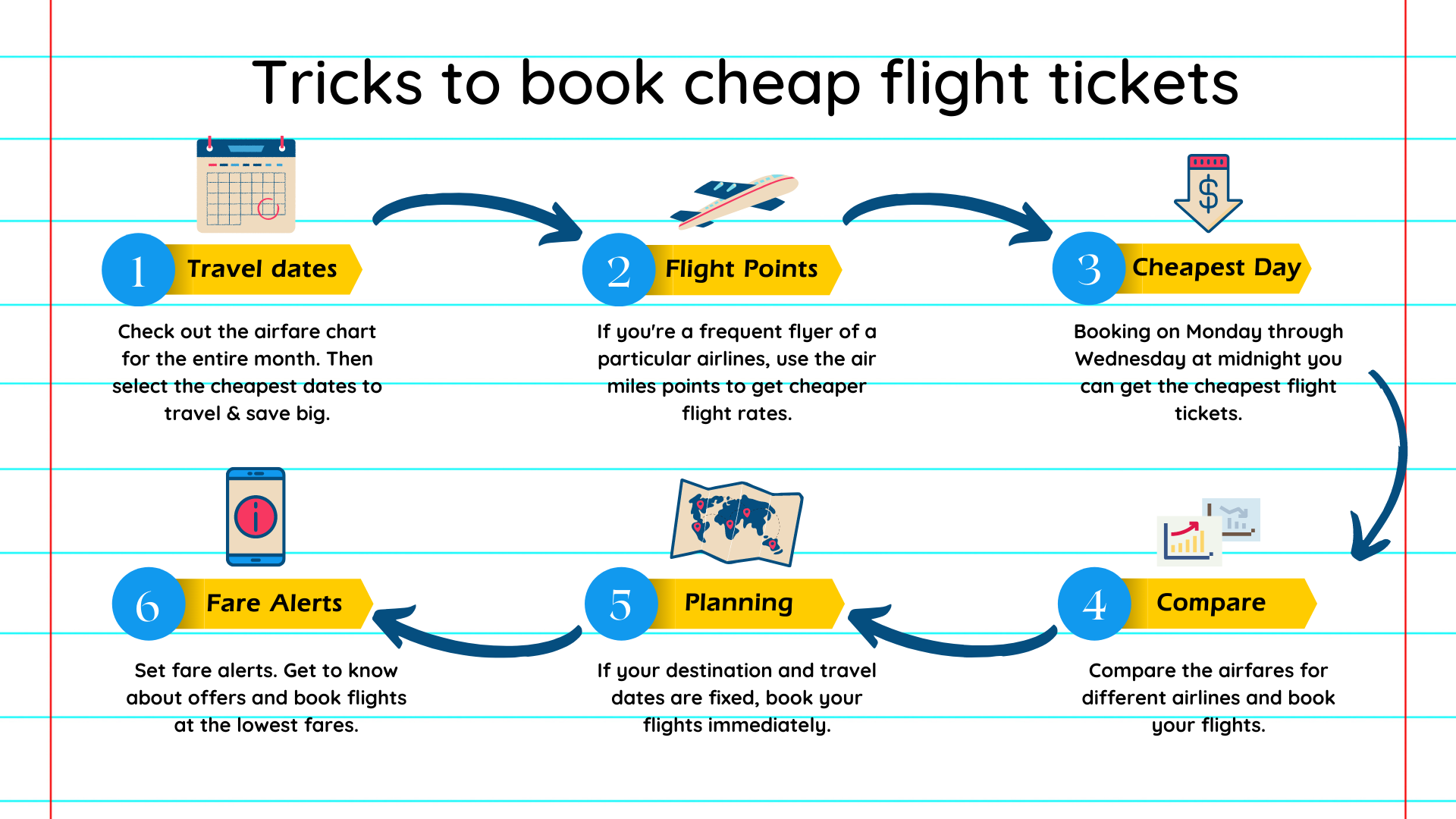
AI-powered price prediction tools represent a significant leap in identifying optimal booking times. Services like Hopper, Kayak’s price forecast, and Google Flights’ price history and prediction features analyze vast historical flight data, seasonal trends, fuel prices, demand, and even competitor pricing to predict whether a fare is likely to rise or fall. They provide recommendations on whether to “buy now” or “wait,” often with a confidence score. Furthermore, price alert tools allow users to set up notifications for specific routes and dates. When the fare drops to or below a target price, or simply changes significantly, an email or app notification is sent. This proactive approach, driven by continuous data monitoring and machine learning algorithms, automates the search for deals and allows travelers to capitalize on fleeting opportunities without constant manual checking.
Dynamic Pricing Insights
Airlines employ highly sophisticated dynamic pricing models, adjusting fares multiple times a day based on a multitude of factors, including remaining seat inventory, competitor pricing, time of day, day of the week, demand patterns, and even individual user profiles (though this is more controversial). Understanding the implications of dynamic pricing is crucial. AI tools and data analytics can sometimes reveal patterns, such as the cheapest days of the week to book (often Tuesday or Wednesday) or the optimal booking window (e.g., 21-120 days before departure for international flights). While these are general guidelines, AI helps to pinpoint specific fluctuations relevant to a given route, providing an edge over static price information.
AI-Powered Chatbots and Personal Assistants
The integration of AI into customer service and personal travel planning is also growing. Some travel platforms feature AI-powered chatbots that can answer booking-related questions, assist with modifications, or even help search for flights based on natural language queries. Personal travel assistant apps leverage AI to learn user preferences, track loyalty points, and proactively suggest relevant flights or deals based on past travel patterns and stated interests. While still evolving, these tools aim to create a more personalized and less labor-intensive flight finding experience, reducing cognitive load and offering intelligent recommendations.
Essential Apps and Digital Tools for On-the-Go Booking
The ubiquity of smartphones has transformed flight discovery, making dedicated mobile applications and digital tools indispensable for flexibility and real-time management.
Mobile-First Experience
Many leading flight search engines and OTAs have developed robust mobile applications designed for a seamless, intuitive on-the-go experience. These apps often feature streamlined interfaces optimized for smaller screens, allowing users to search, compare, and book flights quickly from anywhere. The mobile-first design philosophy ensures that all critical functions, from date selection to payment processing, are easily accessible and responsive. This immediate access is particularly valuable for spontaneous trips or for making last-minute adjustments to travel plans.
Notification Features
One of the standout advantages of mobile apps is their sophisticated notification capabilities. Beyond price alerts, these apps can send real-time updates on flight status, gate changes, delays, and cancellations. This proactive communication, driven by integration with airline operational systems, keeps travelers informed and allows them to react quickly to unforeseen circumstances. Some apps even offer push notifications for personalized recommendations or exclusive mobile-only deals, leveraging location data and user preferences.
Seamless Booking and Management
Mobile apps often integrate payment methods, loyalty programs, and passport information for a swift and secure booking process. Post-booking, they typically serve as a central hub for managing itineraries, accessing boarding passes, and communicating with customer support. Many allow for offline access to boarding passes and flight details, which is crucial when internet connectivity is unreliable. The goal is to provide a comprehensive digital toolkit that covers the entire journey, from initial search to final destination, all within a single application.
Security and Best Practices for Digital Flight Acquisition
While technology offers unprecedented convenience, it also necessitates a strong understanding of digital security and best practices to ensure a safe and reliable booking experience.
Verifying Trustworthy Platforms
The digital landscape can be a minefield of legitimate services and fraudulent sites. Before inputting personal or financial information, always verify the authenticity of a flight booking platform. Look for secure website indicators (HTTPS in the URL, a padlock icon), read reviews from multiple sources, and ensure the company has a clear privacy policy and terms of service. Be wary of deals that seem too good to be true, as they often are. Sticking to well-known, reputable metasearch engines, airlines, and OTAs minimizes risk.
Protecting Personal and Financial Data
When making a booking, safeguarding your personal and financial data is paramount. Always use strong, unique passwords for any travel accounts. Utilize two-factor authentication (2FA) where available. When entering credit card details, ensure the connection is secure and encrypted. Avoid using public Wi-Fi for sensitive transactions, or if you must, use a Virtual Private Network (VPN) to encrypt your data. After booking, monitor your credit card statements for any unauthorized charges and be vigilant against phishing emails that mimic airline or travel agency communications.

Understanding Terms and Conditions Digitally
The convenience of digital booking means that terms and conditions are often presented in lengthy, sometimes complex, digital documents. It is crucial to read and understand cancellation policies, baggage allowances, change fees, and any other restrictions before confirming a purchase. Many issues arise from travelers not fully grasping the digital fine print. Pay particular attention to policies regarding itinerary changes, refunds, and airline liability for delays or cancellations, as these can vary significantly between airlines and booking platforms. Digital contracts are legally binding, so an informed click is essential for a smooth travel experience.
aViewFromTheCave is a participant in the Amazon Services LLC Associates Program, an affiliate advertising program designed to provide a means for sites to earn advertising fees by advertising and linking to Amazon.com. Amazon, the Amazon logo, AmazonSupply, and the AmazonSupply logo are trademarks of Amazon.com, Inc. or its affiliates. As an Amazon Associate we earn affiliate commissions from qualifying purchases.