
Travel, for many, represents a significant discretionary expenditure, and among its various components, flight tickets often stand out as one of the most substantial costs. In an era where personal finance management is paramount, mastering the art of securing affordable airfare is not merely a convenience but a crucial financial skill. It allows individuals and families to stretch their travel budgets further, enabling more frequent adventures or freeing up funds for other financial goals. This guide delves into the strategies, tools, and mindset shifts required to consistently find the cheapest flight tickets, transforming what might seem like a daunting expense into an accessible part of your financial planning. We will explore how to navigate the complex world of airline pricing, leverage digital resources, and adopt a flexible approach to ensure your money goes the extra mile.
Strategic Planning for Maximum Savings
The foundation of securing cheap flight tickets lies in meticulous planning and a proactive approach. Understanding the dynamics of airline pricing and adopting a strategic mindset can yield significant financial benefits, turning potential overspending into smart savings.
Timing Your Purchase: The Golden Window
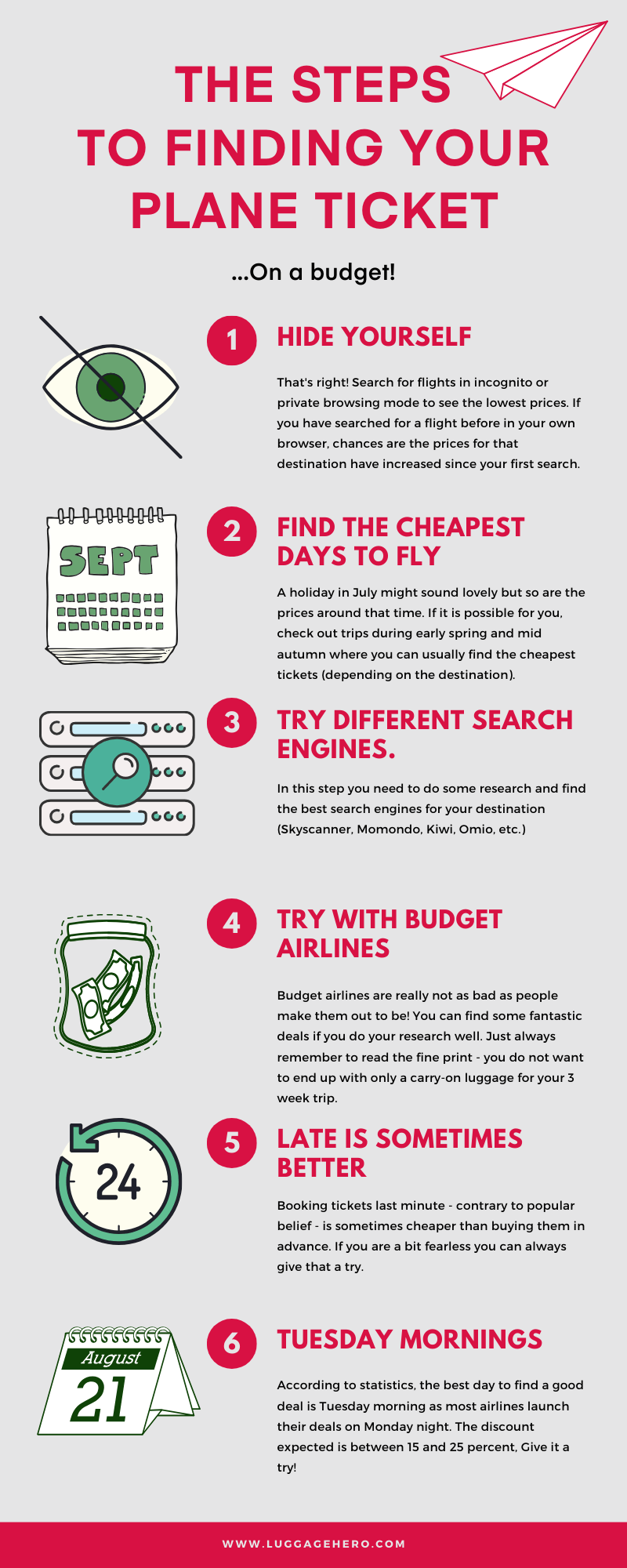
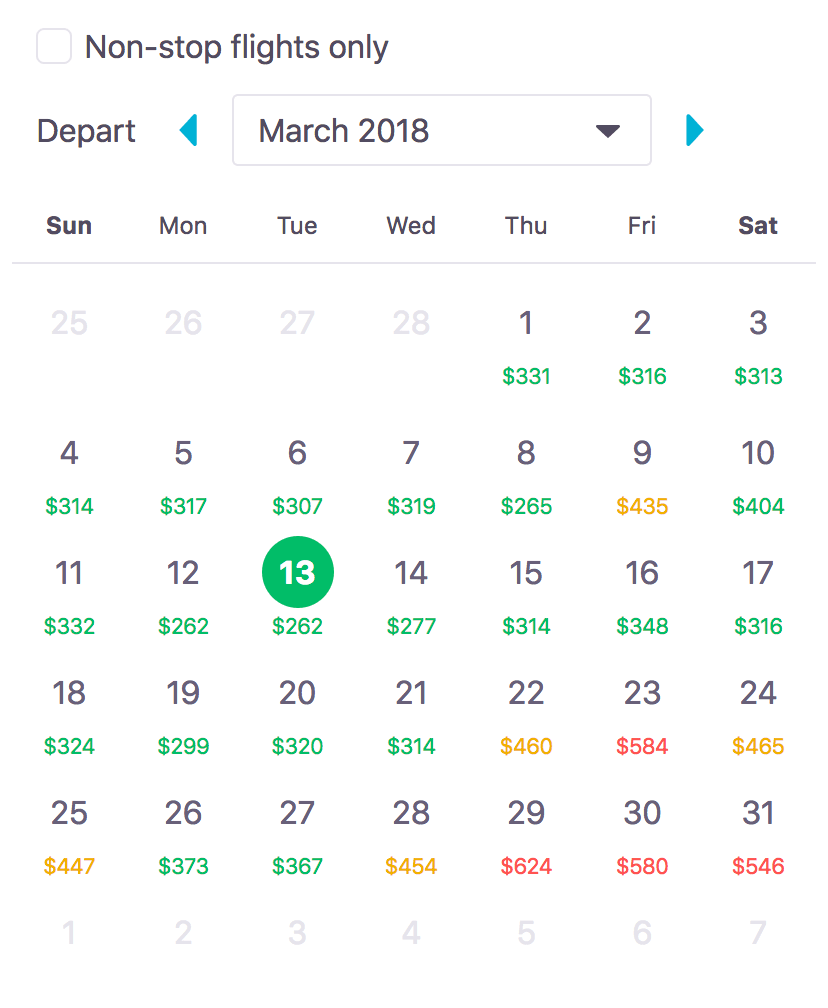
The timing of your flight booking is perhaps the most critical factor influencing the ticket price. Airlines employ sophisticated algorithms that dynamically adjust fares based on demand, capacity, historical data, and even competitor pricing. There isn’t a single “best” day or time, but general patterns emerge. For domestic flights, the “golden window” often falls between one to three months before departure. For international travel, this window typically extends to two to eight months in advance. Booking too early might mean missing out on promotional fares, while booking too late invariably leads to higher prices as airlines charge a premium for last-minute availability. Mondays and Tuesdays are often cited as the best days to book flights, as airlines may release sales or adjust prices after weekend demand analysis. Conversely, prices often peak towards the end of the week. By understanding these patterns, you can time your purchase to coincide with the lowest average prices, ensuring you’re not overpaying due to a lack of financial foresight. This strategic waiting game is a core financial play, akin to timing market entry for investments.
Flexibility is Your Financial Friend: Dates and Airports
Financial flexibility is a powerful asset in the quest for cheap flights. Being rigid with your travel dates or destination airports can severely limit your options and inflate costs. Flying on weekdays, particularly Tuesdays, Wednesdays, and Thursdays, is almost always cheaper than flying on weekends, as business travelers contribute to higher demand and prices then. Similarly, avoiding peak travel seasons (e.g., summer holidays, Christmas, spring break) can lead to substantial savings. If your schedule allows, consider traveling during the “shoulder season”—the periods just before or after peak season—when weather is still pleasant but crowds and prices have decreased.
Furthermore, exploring alternative airports within a reasonable distance of your primary destination can unlock hidden savings. Major hubs often charge higher landing fees, which are passed on to consumers. Smaller, regional airports might serve budget airlines or offer competitive fares for connecting flights. Tools that allow you to search for flights to “everywhere” or specify a region rather than a city can highlight these cheaper options. This strategic consideration of variables beyond the most obvious choice directly translates into a more financially optimized travel plan.
Understanding Fare Classes and Hidden Costs
The sticker price of a flight ticket can often be deceptive. Airlines categorize tickets into various “fare classes,” each with different rules, restrictions, and inclusions. The cheapest fares (often labeled “Basic Economy”) typically come with significant limitations: no seat selection, no checked baggage, strict change policies, and sometimes even no carry-on bag beyond a small personal item. While these tickets are financially appealing upfront, failing to understand their limitations can lead to unexpected expenses.
Before committing to a seemingly cheap fare, meticulously review what is included and what costs extra. Baggage fees, seat selection charges, in-flight meals, and even priority boarding can quickly add up, potentially negating any initial savings. For instance, a basic economy fare plus a checked bag and a reserved seat might end up being more expensive than a standard economy ticket that includes these amenities. A financially savvy traveler understands that the true cost of a flight is the sum of its base fare plus all necessary add-ons. Reading the fine print and calculating the “all-in” price is an essential step in sound financial decision-making for travel.
Leveraging Digital Tools and Platforms Wisely
In the digital age, a wealth of online tools and platforms exists to assist travelers in finding the best flight deals. Utilizing these resources effectively is a cornerstone of modern financial planning for travel, allowing for informed decisions and optimized spending.
Mastering Flight Comparison Websites
Flight comparison websites (often called aggregators or OTAs – Online Travel Agencies) are indispensable financial tools. Platforms like Google Flights, Skyscanner, Kayak, Expedia, and Momondo scour hundreds of airlines and online travel agencies to present you with a wide array of options and prices. Each platform has its unique strengths; for instance, Google Flights is excellent for its calendar view showing price fluctuations and its “explore” feature for discovering cheap destinations. Skyscanner is renowned for its “everywhere” search function, ideal for flexible travelers.
When using these sites, remember to:
-
Be comprehensive: Check multiple comparison sites as no single one covers every airline or deal.
-
Utilize filters: Narrow down results by price, airline, number of stops, flight duration, and departure/arrival times to find the best balance between cost and convenience.
-
Check direct airline sites: Always cross-reference prices found on comparison sites with the official airline website. Sometimes, airlines offer exclusive deals or have slightly lower prices directly, especially for their loyalty program members. This multi-platform approach ensures you’re getting the most financially advantageous deal.
Setting Up Price Alerts and Notifications
One of the most powerful features offered by flight comparison websites and several dedicated apps (like Hopper or Airfarewatchdog) is the ability to set up price alerts. Once you’ve identified a desired route and date range, you can instruct these platforms to notify you via email or push notification whenever the price changes.
This passive financial monitoring system is invaluable. Instead of constantly checking prices yourself, the alerts do the work for you, signaling opportune moments to book when prices drop. It’s particularly effective for long-term planning, allowing you to track prices over several months and jump on a deal as soon as it appears. This strategy removes the emotional impulse of booking and replaces it with data-driven financial decision-making, ensuring you only book when the price is right for your budget.
Exploring Incognito Mode and VPNs for Price Anomalies
The concept of dynamic pricing, where the cost of a flight can change based on your browsing history, location, or even the device you’re using, is a subject of much debate. While airlines and booking sites often deny direct manipulation based on individual browsing, clearing your browser’s cookies or using incognito/private browsing mode is a widely adopted practice among financially savvy travelers. The theory is that if a site detects repeated searches for the same flight, it might interpret this as high interest and potentially show higher prices. Using incognito mode prevents the site from tracking your previous searches, potentially revealing a lower price.
A more advanced tactic involves using a Virtual Private Network (VPN) to mask your geographical location. Prices for the same flight can sometimes vary significantly depending on the country from which you are browsing. For example, a flight originating from Europe might be cheaper when viewed from a European IP address than from an American one. While the impact of this strategy can be inconsistent, for those committed to squeezing every last dollar out of their travel budget, exploring different geographical pricing can occasionally yield unexpected savings. This is an example of leveraging digital privacy tools for direct financial benefit.

Unconventional Tactics for Deeper Discounts
Beyond the standard booking strategies, there are several “unconventional” approaches that astute travelers use to unlock even deeper discounts. These tactics often require greater flexibility or a willingness to think outside the box, but their financial rewards can be substantial.
The Art of Flying Midweek and Off-Season
Reiterating and expanding on the idea of flexibility, truly embracing midweek and off-season travel is an art form for the budget-conscious. Most leisure travelers are constrained by work or school schedules, leading to concentrated demand and higher prices during weekends, major holidays, and peak vacation months (e.g., summer in Europe, Christmas globally). By shifting your travel dates to the middle of the week or opting for destinations during their less popular months, you can tap into significantly lower fares.
For example, visiting a popular European city in November instead of July can slash flight costs by hundreds of dollars, in addition to finding cheaper accommodation and experiencing fewer crowds. This isn’t just about saving on flights; it’s a holistic financial strategy for your entire trip. It requires a willingness to challenge conventional travel timing but offers immense financial dividends, enabling more frequent or longer trips within the same budget.
Consider Connecting Flights and Budget Carriers
While direct flights offer convenience, they almost always come with a premium price tag. Opting for flights with one or more layovers can drastically reduce the cost, especially for international routes. The financial trade-off is often a longer travel time and the potential for a missed connection, but for those prioritizing savings, it’s a viable strategy. When considering connecting flights, ensure you have sufficient layover time to comfortably make your next flight and factor in potential delays.
Budget airlines (e.g., Ryanair, Spirit, Southwest) are another powerful tool in the arsenal of the financially shrewd traveler. These carriers offer extremely low base fares by unbundling every service. While the base ticket price might be incredibly cheap, be mindful of their extensive fee structures for everything from checked bags and carry-ons to seat selection, priority boarding, and even printing your boarding pass at the airport. The key is to calculate the total cost, including all necessary add-ons, before booking. Sometimes, a slightly more expensive traditional airline ticket that includes baggage might end up being cheaper overall than a budget carrier’s “super-low” base fare. This demands careful financial calculation rather than just looking at the headline price.
Leveraging Loyalty Programs and Credit Card Rewards
For frequent travelers, leveraging airline loyalty programs and travel-focused credit card rewards is a sophisticated financial strategy to significantly reduce or even eliminate flight costs. Earning frequent flyer miles through flying, co-branded credit cards, or partner promotions allows you to redeem them for free or heavily discounted flights.
Many travel credit cards offer substantial sign-up bonuses (tens of thousands of points or miles) after meeting initial spending requirements. These points can often be redeemed for hundreds of dollars worth of flights. Beyond sign-up bonuses, these cards often provide ongoing rewards (e.g., 2x-5x points on travel or specific categories), free checked bags, priority boarding, and travel insurance benefits, all of which contribute to overall travel savings. However, this strategy requires responsible credit card use, understanding interest rates, annual fees, and the true value of your points and miles to ensure that the financial benefits outweigh any potential costs. It’s a clear intersection of personal finance management and travel optimization.
Avoiding Common Pitfalls and Extra Expenses
Even the most seasoned travelers can fall victim to hidden costs and dynamic pricing traps. A truly financially astute approach to booking flights involves anticipating and actively mitigating these potential budgetbusters.
Beware of Dynamic Pricing Traps
Airlines and online travel agencies are masters of dynamic pricing, a strategy that continuously adjusts ticket prices based on a multitude of factors, including demand fluctuations, time of day, competitor pricing, and even remaining seat inventory. This means the price you see at 9 AM might be different from the price at 2 PM, or even the next day. This isn’t necessarily a “trap” designed to trick you, but a complex revenue management system.
To navigate this, avoid the impulse to book immediately if the price seems reasonable. Instead, track prices over a few days using price alerts. Be wary of booking during peak search times (e.g., Sunday evenings) when demand is highest. If you find a price you’re comfortable with, and it’s within your golden booking window, don’t wait indefinitely, as prices can quickly surge. It’s a delicate balance of patience and decisive action, requiring a financial discipline to avoid hasty decisions.
Decoding Baggage Fees and Seat Selection Charges
As discussed earlier, basic economy fares are a common pitfall. What appears as a fantastic deal can quickly escalate once you add in necessary services. Baggage fees, in particular, can be substantial, often costing as much as half the ticket price for a single checked bag, especially on budget carriers. Always check the baggage allowance and associated fees before booking, and plan your packing accordingly. Can you manage with just a carry-on or personal item? Sometimes pre-paying for baggage online is cheaper than paying at the airport.
Similarly, seat selection charges are increasingly common. While you can often forgo paying for a seat and let the airline assign one at check-in, this comes with the risk of being separated from travel companions or getting a less desirable middle seat. Decide if the comfort and certainty of a specific seat are worth the extra financial outlay. Understanding these micro-transactions is crucial to accurately calculating your total travel expenditure and avoiding budget surprises.
The Pros and Cons of Last-Minute Deals
The allure of a “last-minute deal” is powerful, conjuring images of spontaneous, inexpensive escapes. In reality, true last-minute flight deals are rare for popular routes, especially if you’re traveling during peak times or to specific destinations. Airlines generally increase prices dramatically as the departure date approaches, leveraging the urgency of last-minute travelers. The remaining seats are typically the most expensive ones.
While very occasionally an airline might drop prices on a nearly empty flight a day or two before departure to fill remaining seats, relying on this strategy is a significant financial gamble. It’s best suited for highly flexible individuals who have no fixed destination or schedule and can truly drop everything to travel. For most travelers, especially those with specific plans, booking in advance within the “golden window” remains the most financially prudent and reliable strategy for securing cheap flights. Don’t let the romantic notion of a last-minute deal undermine your careful financial planning.
Finding the cheapest flight tickets is an art form rooted in sound financial principles. It’s about more than just stumbling upon a low price; it’s a proactive strategy involving meticulous planning, leveraging digital financial tools, embracing flexibility, and understanding the true cost of travel beyond the initial fare. By adopting a professional, insightful, and engaging approach to your flight searches, you transform travel booking from a mere transaction into an integral part of your personal finance journey. Empowered with these strategies, you can unlock a world of affordable travel, allowing your money to take you further and experience more, all while maintaining fiscal discipline.
aViewFromTheCave is a participant in the Amazon Services LLC Associates Program, an affiliate advertising program designed to provide a means for sites to earn advertising fees by advertising and linking to Amazon.com. Amazon, the Amazon logo, AmazonSupply, and the AmazonSupply logo are trademarks of Amazon.com, Inc. or its affiliates. As an Amazon Associate we earn affiliate commissions from qualifying purchases.