
Car insurance is a significant and often non-negotiable expense for the modern driver. As inflation impacts the cost of vehicle repairs, medical care, and litigation, insurance premiums have seen a steady upward trajectory. For the financially conscious individual, managing these costs is not merely about finding the lowest number on a quote page; it is about understanding the underlying financial mechanics of risk assessment and leveraging that knowledge to secure the best value. Finding cheaper car insurance requires a strategic approach that combines market research, policy optimization, and personal financial management.

Understanding the Financial Mechanics of Insurance Pricing
To effectively lower your insurance costs, you must first understand how insurance companies calculate risk. Actuaries use complex algorithms to determine the statistical likelihood of a policyholder filing a claim. By identifying the variables within your control, you can shift your risk profile in a direction that favors lower premiums.
The Impact of Credit-Based Insurance Scores
In many jurisdictions, your credit history is one of the most influential factors in determining your premium. Insurance companies have found a high correlation between financial responsibility and driving safety. A higher credit score suggests to an insurer that you are less likely to file small claims and more likely to maintain your vehicle properly. To optimize your rates, focus on maintaining a low debt-to-income ratio and ensuring all payments are made on time. Improving your credit score by even fifty points can result in hundreds of dollars in annual savings on your auto policy.
Demographic and Geographic Variables
While you cannot easily change your age, your location and profession play significant roles in your financial profile as a driver. Living in a zip code with high rates of vehicle theft or frequent traffic accidents will naturally drive up costs. Furthermore, certain professions are viewed as “lower risk” by underwriters. For example, educators, scientists, and engineers often qualify for affinity discounts because statistical data suggests these groups are involved in fewer accidents. When seeking quotes, ensure your professional details are accurate to capture these niche savings.
Vehicle Selection and Asset Valuation
The type of car you drive is a primary determinant of your premium. Insurers look at the “Loss Cost Index” for every make and model. High-performance sports cars are expensive to insure not just because they are fast, but because they are statistically more likely to be involved in high-speed collisions. Conversely, vehicles with high safety ratings and low repair costs—such as mid-sized sedans or crossovers—command lower premiums. Before purchasing a new vehicle, it is a sound financial practice to run an insurance quote to understand the total cost of ownership.
Strategic Shopping and Comparison Techniques
The insurance market is highly competitive, yet many consumers fall victim to the “loyalty tax”—the tendency for insurers to gradually increase rates on long-term customers who are unlikely to shop around. Breaking this cycle is essential for maintaining a lean personal budget.
The Power of Annual Comparisons
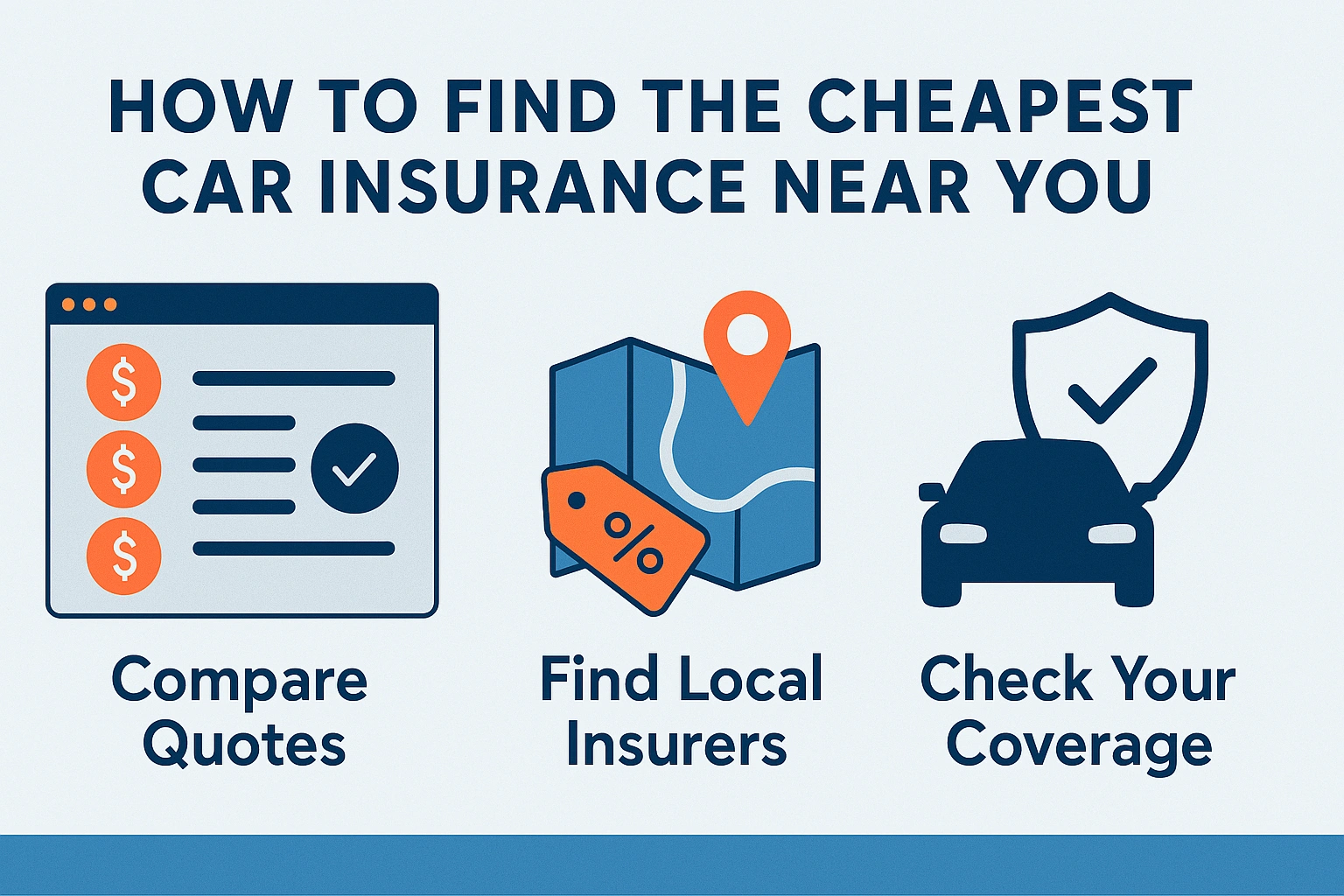
The financial landscape of the insurance industry changes rapidly. A company that was the most expensive for you two years ago might have recently adjusted its underwriting criteria to attract drivers in your specific demographic. It is recommended to shop for new quotes at least once every twelve months, or whenever a major life event occurs, such as getting married, moving, or changing jobs. Using digital comparison tools can streamline this process, but ensure you are comparing “apples to apples” regarding coverage limits and deductibles.
Capturing the “New Business” Discount
Insurance companies are often willing to take a lower profit margin initially to acquire a new customer. By switching carriers, you can often capture introductory rates that are significantly lower than renewal rates. However, be wary of “price optimization,” a tactic where some insurers track how often you shop around and may increase your rates if they sense you are unlikely to leave. Staying informed and active in the market signal to insurers that you are a price-sensitive consumer.
Working with Independent Agents vs. Direct Writers
There are two primary ways to purchase insurance: through direct writers (like Geico or Progressive) or through independent agents who represent multiple carriers. Independent agents can be a powerful financial ally because they have access to regional insurers that do not spend millions on national advertising. These smaller, “B-side” companies often offer more competitive rates for drivers with clean records or specific niche profiles.
Maximizing Discounts and Policy Adjustments
Once you have identified a competitive carrier, the next step in financial optimization is to fine-tune the policy itself. This involves a delicate balance between risk retention and premium reduction.
Adjusting Deductibles for Risk Management
The deductible is the amount you pay out-of-pocket before insurance coverage kicks in. From a personal finance perspective, increasing your deductible is one of the fastest ways to lower your premium. By moving from a $500 deductible to a $1,000 or $1,500 deductible, you are essentially “self-insuring” for minor fender-benders. This is a wise strategy if you have a healthy emergency fund. The monthly savings gained from a higher deductible can be redirected into an interest-bearing savings account, eventually covering the cost of the deductible itself.
The Benefits of Multi-Line Bundling
Insurance companies value “stickiness.” If you have your home, auto, and life insurance with the same carrier, you are statistically less likely to cancel your policies. To encourage this, insurers offer “multi-line” discounts that can range from 10% to 25% off the total premium. When calculating the cost of car insurance, always look at the holistic cost of all your insurance products combined.
Leveraging Telematics and Usage-Based Insurance (UBI)
The rise of financial technology has introduced telematics—small devices or smartphone apps that track your driving habits in real-time. For low-mileage drivers or those with safe driving habits (avoiding hard braking and late-night driving), UBI can offer substantial savings. If you work from home or use public transit frequently, a “pay-per-mile” insurance model can reduce your costs by aligning your premium directly with your actual road exposure.
Maintaining Long-Term Financial Efficiency
Finding cheaper car insurance is not a one-time event; it is an ongoing discipline of financial maintenance. Your behavior as a driver and a consumer over the long term will dictate your future rates.
The High Cost of Minor Claims
One of the most common financial mistakes policyholders make is filing claims for minor damages that barely exceed their deductible. While insurance is there to protect you, filing a $1,200 claim when you have a $1,000 deductible may only result in a $200 payout but could cause your premiums to spike by 20% or more for the next three to five years. For minor repairs, it is often more cost-effective to pay out-of-pocket and protect your “claims-free” discount.
Evaluating Coverage on Aging Vehicles
As a vehicle depreciates, the financial utility of certain types of coverage diminishes. For example, Collision and Comprehensive coverage are designed to repair or replace your car. If you are driving an older vehicle with a market value of $3,000 and your annual premium for these coverages is $600 with a $1,000 deductible, you are paying a significant percentage of the car’s value for very little potential payout. A common rule of thumb in personal finance is that if the annual cost of collision and comprehensive coverage exceeds 10% of the car’s book value, it may be time to drop those coverages and stick to liability only.

Proactive Record Maintenance
A single speeding ticket or a minor “at-fault” accident can stay on your insurance record for three to five years, costing you thousands in cumulative premium increases. In many cases, attending a certified defensive driving school can negate the points on your license and qualify you for an immediate “safe driver” discount. Furthermore, ensuring that there are no errors on your CLUE (Comprehensive Loss Underwriting Exchange) report—a database insurers use to check your claims history—is vital. Incorrectly reported accidents can lead to unfairly high premiums.
By viewing car insurance through the lens of a financial portfolio, you can transform it from a burdensome monthly bill into a managed risk. Through diligent comparison, strategic deductible adjustments, and a keen understanding of actuarial factors, you can significantly reduce your expenditure while maintaining the protection necessary for your financial security. The key is to remain proactive, stay informed of market trends, and treat insurance shopping as a vital component of your overall wealth management strategy.
aViewFromTheCave is a participant in the Amazon Services LLC Associates Program, an affiliate advertising program designed to provide a means for sites to earn advertising fees by advertising and linking to Amazon.com. Amazon, the Amazon logo, AmazonSupply, and the AmazonSupply logo are trademarks of Amazon.com, Inc. or its affiliates. As an Amazon Associate we earn affiliate commissions from qualifying purchases.