
Car insurance is a fundamental pillar of personal financial planning, yet for many, it remains an opaque and frustrating recurring expense. In an era of rising inflation, increased vehicle repair costs, and evolving actuarial models, the cost of staying legally and financially protected on the road has climbed significantly. However, finding “cheap” car insurance is not merely about selecting the lowest number on a quote generator; it is a strategic exercise in risk management, market research, and financial discipline.
To truly optimize your automotive expenses, you must understand the underlying mechanics of insurance pricing and leverage specific financial tools to your advantage. This guide explores the multi-faceted approach required to minimize premiums without compromising the essential protection of your assets.

Understanding the Financial Architecture of Insurance Premiums
Before attempting to lower your rates, you must understand how insurance companies evaluate your risk profile. From a money management perspective, insurance is the transfer of risk from an individual to a larger pool. The price you pay—the premium—is a reflection of the statistical likelihood that the insurer will have to pay out a claim on your behalf.
The Correlation Between Credit Health and Insurance Costs
In many jurisdictions, one of the most significant yet overlooked factors in determining insurance premiums is the “insurance-based credit score.” Actuarial data suggests a strong correlation between how a person manages their finances and how they manage their risks on the road. Individuals with high credit scores are statistically less likely to file claims. Therefore, a primary strategy for securing cheap car insurance is maintaining a robust credit profile. By paying down revolving debt and ensuring timely payments across all financial obligations, you are indirectly lowering your long-term insurance overhead.
Vehicle Selection as a Capital Investment
The type of car you drive is a direct variable in your insurance equation. When purchasing a vehicle, many consumers focus on the monthly loan payment but ignore the “total cost of ownership.” High-performance sports cars or luxury imports carry higher premiums due to the cost of specialized parts and labor. Conversely, vehicles with high safety ratings and lower theft rates are cheaper to insure. From a financial standpoint, choosing a vehicle that falls into a lower insurance bracket can save you thousands of dollars over the life of the car.
Demographics and Location-Based Risk
While you cannot easily change your age, your location is a significant financial factor. Living in a zip code with high rates of vandalism, accidents, or weather-related claims will naturally inflate your costs. When planning a move or a job change, evaluating the insurance implications of a new neighborhood is a savvy personal finance move that often goes ignored.
Strategic Comparison Shopping: Mastering the Market
The insurance market is highly fragmented and competitive. Sticking with the same provider for a decade out of a sense of loyalty is often a financial mistake. “Price optimization” is a practice used by some insurers where they gradually increase rates for loyal customers who they believe are unlikely to shop around.
Leveraging Aggregators and Financial Tools
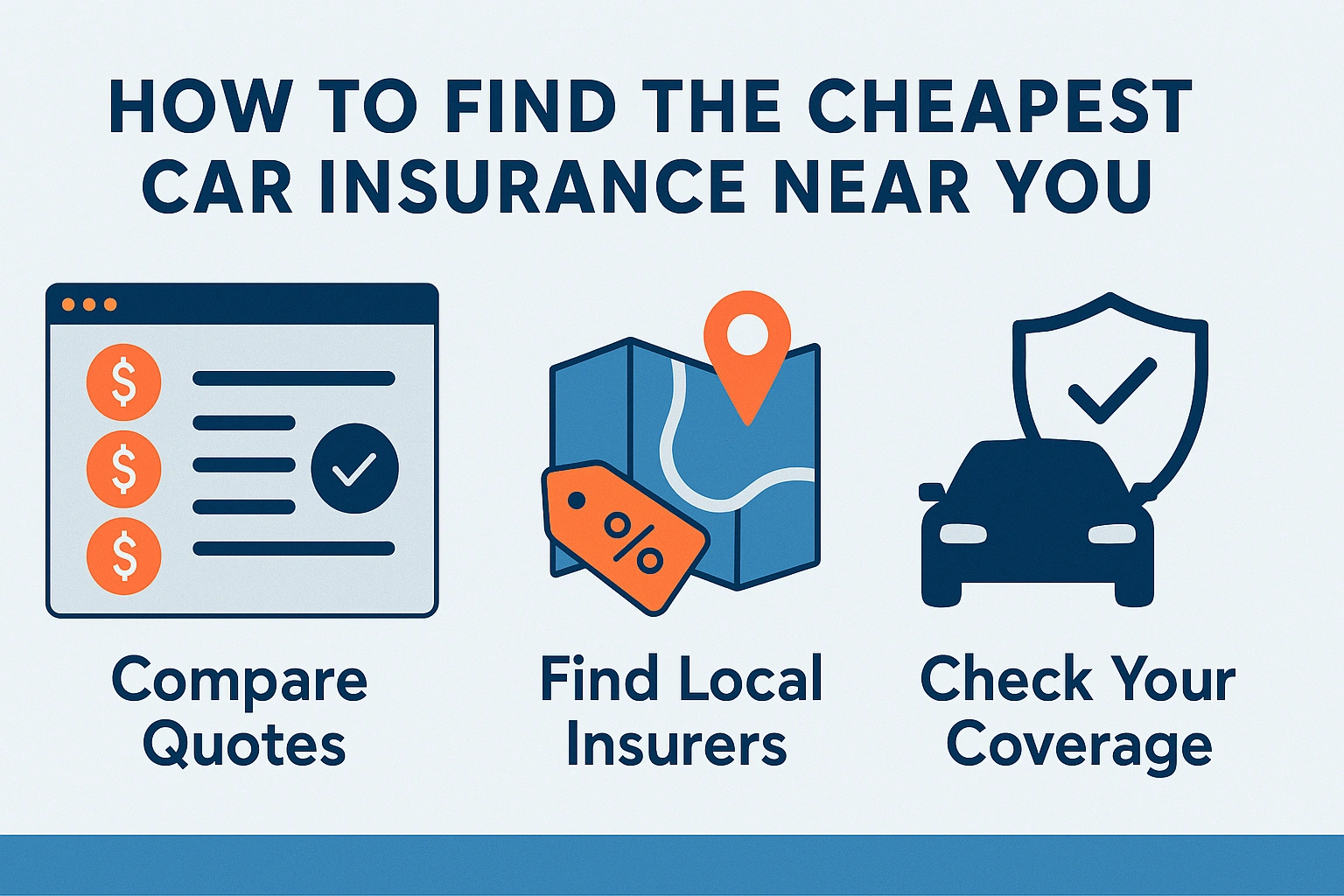
The modern financial landscape offers various digital tools designed to bring transparency to insurance pricing. Use reputable comparison platforms to gather multiple quotes simultaneously. However, the savvy investor knows that the cheapest quote isn’t always the best value. Use these tools to establish a baseline, then dive deeper into the specific terms of the top three most affordable options.
The Role of Independent Agents in Wealth Management
While direct-to-consumer websites are convenient, independent insurance agents can be powerful allies in your quest for savings. Unlike “captive” agents who work for a single brand, independent agents represent multiple carriers. They often have access to regional players or niche insurers that do not spend heavily on national advertising, allowing them to pass those savings on to you. An independent agent can act as a financial consultant, tailoring a policy that fits your specific net worth and risk tolerance.
Assessing the Financial Strength of Insurers
A “cheap” policy is a liability if the company lacks the liquidity to pay out during a catastrophic event. Before signing a contract, check the financial strength ratings of the insurer via agencies like A.M. Best or Standard & Poor’s. In the world of personal finance, the solvency of your risk-transfer partner is just as important as the premium they charge.

Maximizing Discounts and Policy Calibration
Once you have identified a competitive base rate, the next step is to aggressively apply discounts and calibrate the policy to reflect your current financial reality. This is where active management can lead to substantial percentage-based reductions.
The Power of Bundling and Multi-Policy Incentives
One of the most effective ways to lower car insurance costs is through “bundling.” By placing your homeowners, renters, or life insurance with the same provider as your auto insurance, you create a “multi-line” discount. From a money management perspective, this simplifies your bill-paying process while leveraging your total business to negotiate a lower overall rate.
Telematics and Usage-Based Insurance (UBI)
For low-mileage drivers or those with safe driving habits, telematics offers a way to move away from “generalized” pricing toward “personalized” pricing. By allowing an insurer to track your driving data via a plug-in device or a smartphone app, you can earn discounts of up to 30% or more. If you work from home or use public transit frequently, transitioning to a “pay-per-mile” model can significantly reduce your fixed monthly costs.
Strategic Deductible Adjustments
The deductible is the amount you pay out of pocket before insurance kicks in. Increasing your deductible from $500 to $1,000 can reduce your comprehensive and collision premiums by 15% to 30%. This is a classic risk-reward trade-off. If you have a healthy emergency fund, “self-insuring” for the first $1,000 of a claim is a smart way to lower your guaranteed monthly outflow.
Maintaining Long-Term Affordability Through Financial Discipline
Finding cheap car insurance is not a one-time event; it is an ongoing process of maintenance and optimization. As your financial life evolves, your insurance needs and the market’s offerings will change.
The Impact of a “Clean” Financial and Driving Record
Avoidable costs are the enemy of wealth building. Traffic violations and at-fault accidents stay on your record for three to five years, causing premiums to spike. Furthermore, lapses in coverage can lead to “high-risk” categorization, which carries a heavy financial penalty. Maintaining continuous coverage and a clean driving record is the most effective long-term strategy for keeping insurance costs at a minimum.
Periodic Policy Audits
A policy that made sense three years ago might be inefficient today. Perhaps your car has depreciated to the point where carrying collision coverage is no longer mathematically sound. A common rule of thumb in personal finance is that if the annual cost of collision and comprehensive coverage exceeds 10% of the car’s actual cash value, it may be time to drop those coverages and “self-insure” for the total loss of the vehicle. Conducting an annual audit of your policy ensures you aren’t paying for protection you no longer need.
Understanding the Trade-off Between “Cheap” and “Inadequate”
In the pursuit of the lowest possible price, many make the mistake of choosing state-minimum liability limits. From a professional financial perspective, this is a dangerous gamble. If you are involved in a major accident and your liability limits are exhausted, your personal assets—including your savings, home equity, and future wages—could be at risk. The goal of finding cheap car insurance should be to find the lowest price for the appropriate amount of coverage required to protect your net worth.
Conclusion: The Holistic Approach to Insurance Savings
Securing affordable car insurance is a vital component of a comprehensive personal finance strategy. It requires a blend of maintaining a strong credit profile, making informed vehicle purchases, and actively managing your policy through comparison shopping and discount utilization.
By treating insurance not as a “set it and forget it” bill, but as a dynamic financial product, you can free up significant capital to redirect toward your investment goals or debt reduction. True financial savvy lies in the ability to identify value where others only see cost, ensuring that every dollar spent on insurance is working as hard as possible to protect your financial future.
aViewFromTheCave is a participant in the Amazon Services LLC Associates Program, an affiliate advertising program designed to provide a means for sites to earn advertising fees by advertising and linking to Amazon.com. Amazon, the Amazon logo, AmazonSupply, and the AmazonSupply logo are trademarks of Amazon.com, Inc. or its affiliates. As an Amazon Associate we earn affiliate commissions from qualifying purchases.