
The allure of business class is undeniable: spacious seats that recline into flat beds, gourmet meals, premium lounge access, and attentive service. For many travelers, it represents not just luxury but also a vital investment in comfort and productivity, especially on long-haul flights. However, the price tag often seems prohibitive, leading many to dismiss it as an unattainable dream. This perception, while understandable, doesn’t tell the whole story. With strategic financial planning, astute use of loyalty programs, and intelligent booking tactics, securing business class tickets at a fraction of their advertised cost is not only possible but a well-trodden path for the financially savvy traveler.
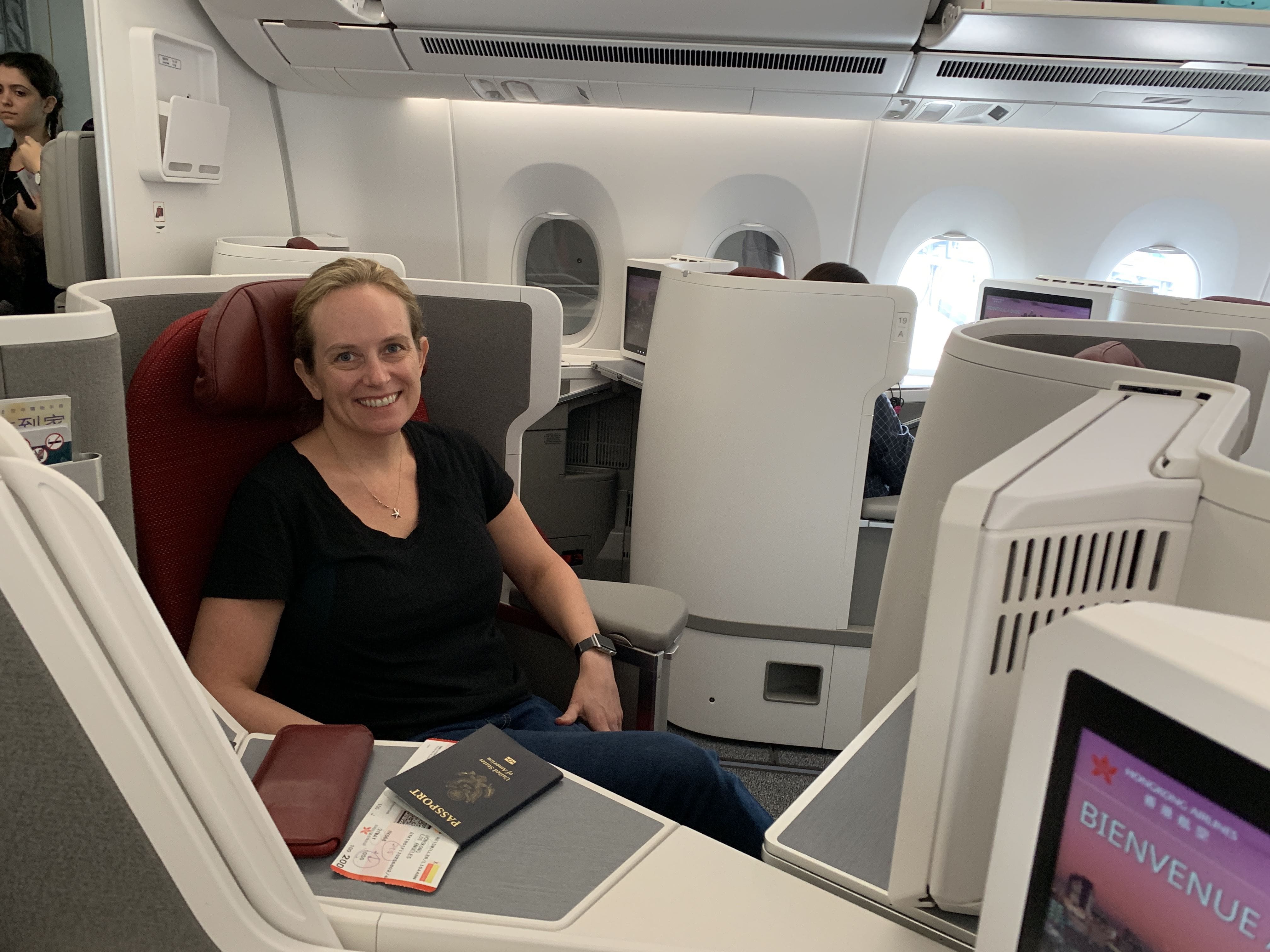
This guide will demystify the process, demonstrating how a clear understanding of financial instruments, market dynamics, and a disciplined approach can transform premium air travel from an extravagant expense into an accessible reality. We’ll delve into the actionable money-saving strategies that empower you to experience the comfort of business class without breaking your budget, ensuring your journey starts and ends with financial peace of mind.
Mastering the Art of Points and Miles
Without question, the single most powerful financial tool for accessing cheap business class tickets is the strategic accumulation and redemption of airline points and credit card miles. This isn’t just about collecting rewards; it’s about understanding and leveraging a complex financial ecosystem to your advantage.
Strategic Credit Card Acquisition and Use
The cornerstone of a robust points and miles strategy lies in selecting and utilizing the right credit cards. Many premium travel credit cards offer substantial welcome bonuses, often ranging from 50,000 to over 100,000 points, typically after meeting a specific spending requirement within the first few months. These bonuses alone can often be enough for a round-trip business class ticket on certain routes or airlines.
Focus your attention on cards that earn “transferable points” currencies, such as Chase Ultimate Rewards, American Express Membership Rewards, Citi ThankYou Points, and Capital One Miles. These programs offer unparalleled flexibility, allowing you to transfer your points to various airline loyalty programs at a 1:1 ratio (or sometimes with a bonus), effectively giving you access to dozens of airlines worldwide. This flexibility is crucial because it allows you to hunt for the best redemption values across multiple carriers and alliances, rather than being tied to a single airline.
Beyond welcome bonuses, use these cards for everyday spending to accumulate points steadily. Understand bonus categories – some cards offer accelerated earning on dining, groceries, or travel – and align your spending habits to maximize your points accrual. Consistently paying off your balance in full each month is paramount; the interest paid on a credit card balance will quickly negate any travel savings from points.
Maximizing Airline Loyalty Programs and Partners
While transferable points offer flexibility, direct airline loyalty programs like United MileagePlus, American AAdvantage, Delta SkyMiles, or British Airways Executive Club also hold significant value. Earning miles through flying with the airline or its partners, utilizing airline-branded credit cards, or shopping through airline portals are all avenues to bolster your mileage balance.
The key to maximizing these programs lies in understanding their award charts and identifying “sweet spots.” Award charts, though increasingly dynamic, outline the number of miles required for a given flight. Some programs, particularly those of foreign carriers like ANA Mileage Club or Virgin Atlantic Flying Club, offer exceptionally good redemption rates for business class travel on their own flights or partner airlines. For example, you might find a fantastic business class deal flying on a Star Alliance partner through ANA Mileage Club that costs significantly more miles if booked directly through a U.S. carrier’s program.
Furthermore, recognize the power of airline alliances (Star Alliance, SkyTeam, Oneworld). Miles earned with one airline can often be redeemed on any partner airline within the same alliance. This expands your options dramatically and allows you to leverage favorable redemption rates from a specific program for travel on a wider network of carriers.
Savvy Redemption: Getting the Most Value for Your Miles
Accumulating points is only half the battle; redeeming them wisely is where the true financial acumen comes into play. The goal is to maximize the “cents per mile” (CPM) value – how much monetary value you extract from each mile. While economy redemptions might yield 1-1.5 CPM, premium cabins like business class often provide 3-5 CPM, and sometimes even more, making them the most financially efficient use of your hard-earned points.
To achieve optimal redemption value, prioritize booking award travel as far in advance as possible, typically 9-11 months out, especially for highly sought-after routes and airlines. Business class award seats are limited, and availability diminishes rapidly. Utilize award search tools like ExpertFlyer or directly check partner airline websites (e.g., searching for Lufthansa availability on United’s website if you plan to use United miles) to find open seats.
Be flexible with your travel dates and even your destination. Sometimes, adjusting your travel by a day or two, or considering an alternative but nearby airport, can unlock award availability. Finally, always compare the cash price of a business class ticket against the mileage cost plus any associated taxes and fees. If a cash ticket is unusually cheap, it might not be the best use of your miles, allowing you to save them for a higher-value redemption. Remember, the goal is to make a financially sound decision that delivers premium travel at a fraction of the cost.
Intelligent Search and Booking Tactics
While points and miles are often the most effective route, it’s also entirely possible to find genuinely “cheap” business class tickets by employing smart search strategies and being flexible with your travel plans. This involves thinking like a financial analyst, constantly comparing, contrasting, and optimizing.
Leveraging Advanced Flight Search Engines
Forget generic travel websites; to unearth value in business class cash fares, you need to use powerful, flexible flight search engines. Tools like Google Flights, Skyscanner, Kayak, and Momondo are excellent starting points. They allow you to filter by cabin class, set flexible date ranges (e.g., “whole month” or “flexible dates” view), and explore various departure and arrival airports.
Google Flights, in particular, excels with its “explore” map feature and price graph, showing you the cheapest days to fly to a given region or city. Use its robust filtering options to specify “business class,” then play with departure and arrival cities. Don’t just search your home airport to your destination; expand your search to nearby major hubs, as a slightly longer drive might result in hundreds or even thousands of dollars in savings.
For even deeper analysis, consider ITA Matrix Software, the backbone of many commercial flight search engines. While less user-friendly, it offers granular control over search parameters, allowing you to specify exact fare classes, routing codes, and more, which can be invaluable for identifying complex, cheaper itineraries. Always remember to clear your cookies or use incognito/private browsing mode, as some theories suggest airlines or booking sites may track your searches and subtly adjust prices.
The Power of Flexibility: Dates, Airports, and Routes

Financial prudence in travel often boils down to flexibility. For cash fares, flying business class during off-peak seasons (e.g., Europe in late fall/winter, Asia during monsoon season) or shoulder seasons (just before or after peak) can yield significant savings. Mid-week travel (Tuesday, Wednesday) is typically cheaper than weekends. Avoid major holidays and school breaks like the plague, as demand and prices skyrocket.
Beyond dates, consider alternative airports. For example, flying from a secondary airport an hour or two away from your primary city might be considerably cheaper. Similarly, for your destination, look at nearby international airports. A short, inexpensive regional flight or train ride from a cheaper arrival point can save you hundreds on the long-haul business class segment.
Finally, explore “open-jaw” or “multi-city” itineraries. Instead of booking a simple round-trip, you might fly into one city and out of another, or include a stopover. Sometimes, these more complex routings can be cheaper than direct round-trips, especially if you can leverage a favorable fare from an airline operating a specific route segment. Turning a simple layover into a stopover for a few days can sometimes even reduce the overall ticket cost.
Capitalizing on Sales, Error Fares, and Promotions
While less common for business class than economy, airlines do run sales and promotions. Sign up for email alerts from your preferred airlines and alliances. Follow flight deal aggregators and specialized blogs that track premium cabin sales. These often highlight legitimate, time-sensitive sales where business class tickets can be found at significantly reduced rates, sometimes rivaling or even beating economy prices on certain routes.
Even rarer, but worth mentioning, are “error fares” or “mistake fares.” These occur when an airline or online travel agency accidentally publishes an incorrect, extremely low price for a ticket, often due to a technical glitch or human error. While these are fleeting and can be cancelled by the airline, finding and acting on them quickly can result in phenomenal savings. Deal alert websites and forums are the best place to spot these. When booking an error fare, always use a credit card for buyer protection, and refrain from making non-refundable travel plans until the ticket is confirmed and the airline hasn’t canceled it. Acting swiftly and having liquid funds ready for immediate booking are crucial for capitalizing on these rare opportunities.
Optimizing Timing and Upgrade Opportunities
Beyond the initial search and booking, the precise timing of your purchase and your approach to upgrades can also play a pivotal financial role in securing cheap business class seats.
The Best Time to Book Business Class
Unlike economy flights, where last-minute deals can sometimes materialize, business class typically operates on a different rhythm. For the best chance of securing a reasonably priced cash fare or, more importantly, award availability, aim to book your business class tickets well in advance. Generally, 2 to 6 months out is a good window for international cash business class fares, allowing you to monitor price fluctuations without feeling rushed. Award tickets, as previously discussed, often require booking 9-11 months in advance for the best selection and value.
However, there’s a nuanced exception: very last-minute deals. Occasionally, an airline might release unsold business class inventory at a reduced cash price in the days or even hours leading up to departure. This is a high-risk, high-reward strategy that works best for travelers with extreme flexibility and no fixed plans. These “distress sales” are rare and unpredictable, but if you’re physically at an airport and see an offer at the ticket counter for a significant upgrade, it might be worth considering. Monitoring price trends using tools like Google Flights will help you recognize what constitutes a genuinely good deal versus a standard price.
From Economy to Business: Upgrade Pathways
If purchasing a full business class ticket upfront isn’t feasible, strategically upgrading from an economy ticket can be a cost-effective alternative. This typically falls into a few categories:
- Points/Miles Upgrades: Many airlines allow you to upgrade an economy ticket to business class using points or miles. However, it’s crucial to understand the rules. Often, only specific, higher-fare economy classes are eligible for upgrades, and award availability for upgrades can be even more limited than for outright award tickets. Always check the specific airline’s policy and availability before purchasing an economy ticket with the intention to upgrade.
- Cash Bids and Paid Upgrades: A growing number of airlines offer “bid for upgrade” programs (e.g., Plusgrade) where you can submit a cash offer to upgrade your seat. While not guaranteed, a strategic, reasonable bid can sometimes secure a business class seat at a fraction of its direct purchase price. Alternatively, airlines sometimes offer paid upgrades at check-in, online, or at the gate, often at a discount compared to booking business class originally. These are usually offered when the business class cabin is not full.
- Elite Status Perks: For frequent flyers with elite status in an airline’s loyalty program, complimentary upgrades or upgrade vouchers are often a key benefit. Achieving even mid-tier status can unlock access to these valuable perks, making your regular economy travel occasionally transform into a business class experience. This strategy requires consistent loyalty to a particular airline or alliance, which is a financial commitment in itself.
Financial Due Diligence for Premium Travel
Even when you’ve found what appears to be a “cheap” business class ticket, it’s essential to perform thorough financial due diligence to ensure it aligns with your overall financial goals and provides genuine value. A cheap ticket that doesn’t serve your purpose or incurs hidden costs isn’t truly cheap.
Evaluating the True Cost vs. Value Proposition
Before clicking “book,” pause and compare the perceived value of the business class ticket against its actual cost. Ask yourself: Is the premium truly worth it for this specific trip? For a short, overnight flight, the benefits of a lie-flat seat might be invaluable for arriving rested and productive. For a daytime flight of only a few hours, the added comfort might not justify the extra expense, even if discounted.
Consider all the benefits: lounge access (saving on airport food/drinks), extra baggage allowance (avoiding checked bag fees), priority boarding/security (saving time), and the comfort for productivity or rest. Assign a monetary value to these if possible. For instance, if you would have spent $50 on food in the airport and another $60 on checking bags, those are actual savings from business class perks. Weigh these tangible and intangible benefits against the price difference compared to an economy ticket. A financially savvy traveler understands that value isn’t just about the lowest price, but about the best return on investment for their needs.

Budgeting for the Long Game: Taxes, Fees, and Opportunity Costs
When pursuing “cheap” business class, especially through points and miles, be acutely aware of potential hidden costs. Award tickets, while seemingly “free” in terms of miles, often come with significant taxes and carrier-imposed fees, particularly on certain airlines (e.g., British Airways’ fuel surcharges can be substantial). Factor these cash outlays into your budget.
Also, consider the annual fees of premium travel credit cards. While the welcome bonuses and ongoing benefits often justify these fees, ensure you’re utilizing the card’s perks (e.g., travel credits, lounge access) to offset the cost. If you’re paying a $500+ annual fee but not using its benefits, you’re losing money.
Finally, consider the opportunity cost. Would those points be better used for a different trip? Could the cash spent on taxes and fees be better allocated to another financial goal, like savings or investments? Integrating your travel aspirations into a broader personal finance strategy is key. This holistic view ensures that your pursuit of cheap business class tickets is a financially sound decision that enhances your life without compromising your long-term financial health.
By adopting a disciplined, informed, and strategic approach, the luxury of business class travel becomes an attainable reality rather than a distant dream. It’s not about being rich; it’s about being financially intelligent.
aViewFromTheCave is a participant in the Amazon Services LLC Associates Program, an affiliate advertising program designed to provide a means for sites to earn advertising fees by advertising and linking to Amazon.com. Amazon, the Amazon logo, AmazonSupply, and the AmazonSupply logo are trademarks of Amazon.com, Inc. or its affiliates. As an Amazon Associate we earn affiliate commissions from qualifying purchases.