
In an increasingly interconnected world, air travel has become a cornerstone of both personal and professional life. However, the cost of airline tickets often represents a significant hurdle, potentially dictating the feasibility and frequency of our journeys. For the financially savvy individual or business, understanding how to consistently secure affordable airfare isn’t just a convenience; it’s a critical component of effective personal finance and budgetary discipline. This comprehensive guide delves into the strategies, tools, and financial mindsets necessary to demystify the complex world of airfare pricing and empower you to make economically sound travel decisions. By treating airfare acquisition as a strategic financial endeavor, you can unlock substantial savings, allowing for more frequent travel, reinvestment of funds, or allocation towards other financial goals.
The Financial Imperative of Smart Travel Planning
At its core, finding cheap airline tickets is an exercise in personal finance. Every dollar saved on airfare is a dollar that remains in your budget, either for the trip itself, for other savings goals, or for investment. Approaching travel planning with a financial lens transforms it from a mere logistical task into a strategic opportunity for fiscal optimization.
Understanding the Economics of Airfare
Airline pricing is a dynamic and often opaque system influenced by a myriad of factors including demand, supply, fuel costs, competition, booking time, and even the day of the week. Airlines employ sophisticated algorithms to maximize revenue, constantly adjusting prices based on real-time data. Understanding this underlying economic model is the first step towards outsmarting it. For instance, knowing that business travelers often book last-minute and are less price-sensitive explains why fares surge closer to departure dates, especially on routes popular with corporate clients. Conversely, leisure travelers, who typically book further in advance, are targeted with early bird discounts to fill seats. Recognizing these patterns allows you to anticipate price movements and position your purchase for maximum financial advantage. Each seat on a plane is a perishable asset; once the plane takes off, that revenue opportunity is lost forever, driving airlines to fill as many seats as possible at the highest possible price point.
Budgeting for Travel: A Core Financial Discipline
Before even searching for tickets, a well-defined travel budget is paramount. This isn’t just about setting a total spending limit; it’s about allocating funds across all trip components, with airfare often being the largest single expenditure. A robust travel budget integrates with your broader personal finance strategy, ensuring that travel aspirations don’t derail other financial objectives like savings, debt reduction, or investment. By pre-determining your airfare ceiling, you establish a clear financial boundary, preventing impulsive overspending and guiding your ticket search towards options that align with your fiscal capacity. This proactive approach fosters financial discipline, turning potential liabilities into managed expenses. It also allows for a cost-benefit analysis: is an extra hundred dollars for a direct flight worth the deviation from your budget, or would that money be better spent on experiences at your destination or saved for future financial goals?
The Long-Term Financial Benefits of Savings
The immediate gratification of finding a cheap ticket is evident, but the cumulative effect of consistent savings on airfare can be substantial. If you save $200 on each of three trips per year, that’s $600 annually. Over a decade, this translates to $6,000 in your pocket – money that could have been paid in interest to an airline or travel agency. These savings aren’t just theoretical; they contribute directly to your net worth. This capital can be invested, generating further returns, or be directed towards high-priority financial goals like a down payment on a house, a child’s education fund, or retirement savings. Viewing airfare savings as an investment in your financial future provides a powerful incentive to meticulously apply the strategies outlined in this guide.
Strategic Approaches to Price Optimization
Finding cheap tickets is less about luck and more about applying a series of calculated strategies that leverage market dynamics and exploit pricing inefficiencies. These strategies often require flexibility and a willingness to explore alternatives.
The Power of Flexibility: Dates, Airports, and Destinations
Flexibility is perhaps the most potent financial weapon in your arsenal against high airfare. Airlines penalize rigidity. If you can only fly on specific dates, to a single airport, and for a fixed duration, you significantly limit your options and implicitly agree to pay a premium.
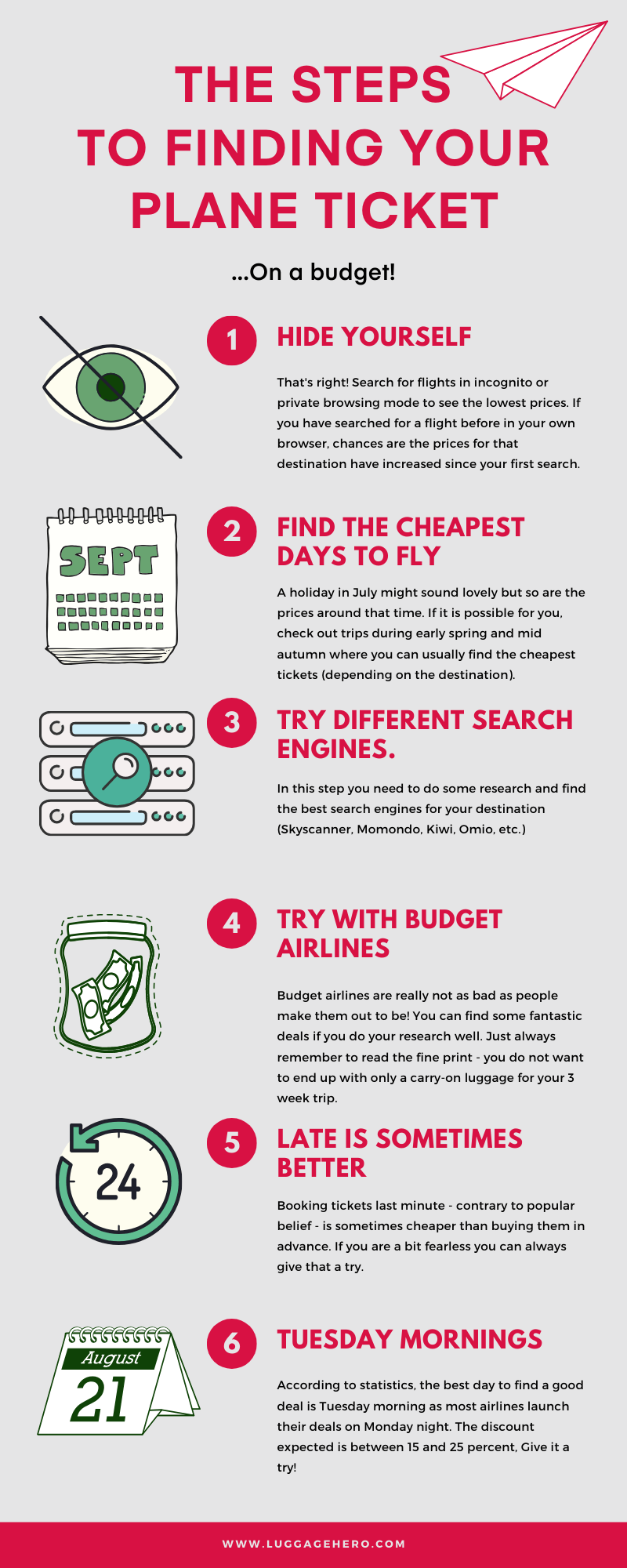
- Dates: Being open to departing or returning a day or two earlier or later can yield significant savings. Mid-week flights (Tuesday, Wednesday, Thursday) are typically cheaper than weekend flights due to lower demand from leisure travelers. Utilizing “flexible date” search functions on aggregators can instantly reveal these cost-saving windows.
- Airports: Many major metropolitan areas are served by multiple airports. While one might be more convenient, another might offer considerably cheaper flights. A quick financial calculation comparing the cost savings on the flight against potential extra transportation costs to a secondary airport can reveal the most economical choice.
- Destinations: If your primary goal is simply to travel, rather than visit a specific place, being open to various destinations can lead to extraordinary deals. Airlines frequently offer promotions to fill less popular routes or to stimulate demand in new markets.
Leveraging Off-Peak Seasons and Mid-Week Departures
The principle of supply and demand heavily dictates airfare. During peak travel seasons (holidays, school breaks, summer for many destinations), demand soars, and so do prices. Conversely, traveling during the “shoulder season” (just before or after peak) or the true off-peak season can result in dramatically lower fares and often, a less crowded, more enjoyable experience. Similarly, the specific day and time of your flight can impact the price. Flying early morning or late at night often presents cheaper options, as these times are less desirable for most travelers. Tuesdays, Wednesdays, and Saturdays are generally the cheapest days to fly internationally, while Tuesdays and Wednesdays often offer the best domestic deals. These nuances, though seemingly minor, can translate into substantial financial gains for the astute traveler.
The Art of Early Booking vs. Last-Minute Deals: A Financial Calculus
The conventional wisdom often states, “book early for the best deals.” While generally true, especially for popular routes and peak seasons, it’s not an absolute rule. Airlines typically release tickets 11 months in advance, with a “sweet spot” for booking often falling between 3 weeks and 3 months prior to departure for domestic flights, and 2-8 months for international flights. During this window, airlines are optimizing their pricing based on anticipated demand, offering competitive fares.
However, genuine “last-minute deals” do exist, though they are riskier. These often occur when an airline has failed to fill a plane and decides to offload remaining seats at a significantly reduced price. This strategy is best reserved for travelers with extreme flexibility and a high-risk tolerance, as there’s no guarantee of availability or desired routes. For most, the early-to-mid booking window offers the optimal balance of availability, price, and financial security.
Consider Alternative Routes and Layovers for Cost Efficiency
Direct flights offer convenience but often come at a premium. Opting for flights with layovers, especially those involving multiple airlines or longer connection times, can substantially reduce your financial outlay. When considering such options, it’s crucial to perform a cost-benefit analysis: calculate the monetary savings against the added travel time, potential stress, and risk of missed connections. Sometimes, a layover in a less direct hub can be thousands of dollars cheaper for international travel. Additionally, “hidden city ticketing” (booking a flight to a final destination with a layover at your desired destination and simply disembarking there) is a controversial strategy that can offer significant savings, but carries risks, including baggage issues and potential repercussions from airlines if detected. It’s a tactic best approached with caution and a thorough understanding of the associated financial and logistical risks.
Harnessing Financial Tools and Knowledge for Savings
In the digital age, a plethora of tools and specialized knowledge can be leveraged to systematically reduce airfare costs. These resources empower travelers to compare, track, and ultimately purchase tickets at optimal price points.
Mastering Flight Comparison Websites and Aggregators
Flight comparison websites like Google Flights, Skyscanner, Kayak, and Momondo are indispensable financial tools. They aggregate data from hundreds of airlines and online travel agencies, allowing you to compare prices across various providers quickly.
- Financial Advantage: These platforms provide a bird’s-eye view of the market, highlighting the cheapest options and identifying pricing disparities. Many offer features like “explore” maps to find the cheapest destinations from your origin or “flexible date” grids to pinpoint the most affordable travel days.
- Strategic Use: Don’t rely on just one aggregator. Prices can vary, so cross-referencing between 2-3 sites can ensure you’re getting the best deal. Pay attention to the fine print; sometimes the cheapest listed price links to an obscure online travel agency with strict refund policies or hidden fees.
Setting Price Alerts and Understanding Fare Fluctuations

Airline prices are not static; they fluctuate hourly, daily, and weekly. Setting price alerts (available on most aggregators and direct airline websites) allows you to monitor your desired route without constant manual checking. When the price drops to a specified threshold, you receive an email notification, enabling you to act swiftly. Understanding fare fluctuations means recognizing when prices are artificially high due to initial release or peak demand and knowing when they might dip. Tools like Hopper offer predictive analytics, advising whether to “buy now” or “wait,” providing a data-driven financial forecast for your purchase. This foresight helps avoid impulse buys at inflated prices and ensures you capitalize on temporary price drops.
The Smart Use of Incognito Mode and VPNs
While hotly debated, some travelers report that clearing browser cookies, using incognito/private browsing mode, or even a VPN (Virtual Private Network) can sometimes result in different, potentially lower, prices. The theory is that websites might track your repeated searches for a specific flight and subtly increase the price, leveraging your perceived interest. While evidence is anecdotal and not universally consistent, it costs nothing to try. Using incognito mode prevents websites from storing your browsing history and cookies, potentially presenting you with a fresh price quote, thereby negating any perceived “demand” the website might have inferred from your previous searches. A VPN can make it appear as if you are browsing from a different country, which can sometimes reveal different pricing structures if airlines offer regional deals. It’s a low-effort financial hack worth testing.
Exploiting Credit Card Rewards and Airline Loyalty Programs
For the financially astute, credit card rewards and airline loyalty programs are powerful mechanisms for reducing out-of-pocket airfare costs.
- Credit Card Rewards: Travel-focused credit cards offer lucrative sign-up bonuses (often enough for a free round-trip flight) and ongoing rewards (miles or points) for everyday spending. By strategically using these cards for all eligible purchases and paying off balances in full to avoid interest, you effectively accumulate currency for future travel. The ROI on these programs can be substantial.
- Airline Loyalty Programs: Joining an airline’s frequent flyer program (even if you don’t fly often) can yield benefits. Points accrue with each flight, leading to upgrades, discounted fares, or free tickets. Status tiers can offer perks like free checked bags, which translate to direct financial savings on ancillary fees. Even codeshare agreements mean you can earn miles on partner airlines, broadening your earning potential.
Exploring Budget Airlines: Weighing Cost vs. Comfort
Budget airlines (e.g., Spirit, Ryanair, EasyJet) are a common-sense financial choice for reducing upfront ticket costs. They achieve lower fares by unbundling services, meaning you pay extra for amenities like checked baggage, seat selection, and in-flight meals.
- Financial Consideration: Before booking, calculate the total cost, including all potential add-ons you deem necessary. Sometimes, a slightly more expensive ticket on a full-service carrier can end up being cheaper or comparable once all budget airline fees are factored in.
- Strategic Use: For short-haul flights, especially if you travel light, budget airlines often present the most economical option. For longer journeys, weigh the savings against potential discomfort or additional logistical challenges. This requires a personal cost-benefit analysis based on your travel preferences and financial priorities.
Beyond the Ticket: Ancillary Costs and Hidden Savings
A cheap ticket can quickly become expensive if you overlook the myriad of ancillary costs associated with air travel. A holistic financial approach considers the entire trip’s expenditure.
Navigating Baggage Fees and Seat Selection Charges
A significant portion of a ticket’s true cost can be hidden in fees for baggage and seat selection. Many airlines, especially budget carriers, charge for anything beyond a small personal item.
- Financial Impact: These fees can add $50-$100 or more per segment, potentially doubling the cost of a “cheap” ticket.
- Mitigation: Pack light to avoid checked bag fees. Consider sharing a checked bag with a travel companion. If you have elite status with an airline or a co-branded credit card, you might get a free checked bag. Strategic seat selection can also be costly; if not critical, accept an assigned seat rather than paying for a preferred one. Always check the airline’s baggage policy before booking.
The Financial Sense of Packing Light
Beyond avoiding baggage fees, packing light has broader financial benefits. It reduces the need for expensive luggage and makes navigating airports and public transportation easier, potentially avoiding costly taxis. A minimalist packing philosophy also encourages a focus on experiences over material possessions, aligning with a broader financially savvy lifestyle. Investing in versatile, lightweight travel gear can be an upfront cost that yields long-term financial returns through saved baggage fees and enhanced travel efficiency.
Ground Transportation and Accommodation: Total Trip Cost Analysis
The ticket is only one part of the travel equation. Ground transportation to and from the airport, and accommodation at your destination, significantly contribute to the total financial outlay.
- Integrated Budgeting: When comparing flight options, also consider the cost and time involved in reaching different airports and then your final destination. A cheaper flight to a distant airport might be negated by expensive taxi fares.
- Accommodation Strategy: Look for package deals that bundle flights and hotels, which can sometimes offer significant savings over booking separately. Leverage hotel loyalty programs or credit card points for free nights, further reducing the overall financial burden of your trip. Consider hostels, Airbnb, or staying with friends/family as cheaper alternatives to traditional hotels.
Travel Insurance: An Investment in Financial Security
While an added expense, travel insurance is a crucial financial safeguard. It protects against unforeseen circumstances such as trip cancellations, medical emergencies abroad, lost luggage, and travel delays, all of which can lead to substantial unplanned expenditures.
- Cost-Benefit: A relatively small upfront investment in travel insurance can prevent catastrophic financial losses. Evaluate policies carefully, understanding what’s covered and what’s excluded, and compare prices from various providers. Many premium travel credit cards offer some level of travel insurance as a benefit, which can save you from purchasing a separate policy. It’s a financial decision that mitigates risk, ensuring that a cheap ticket doesn’t turn into a financial nightmare due to an unexpected event.
Developing a Proactive Mindset for Consistent Savings
Successfully finding cheap airline tickets consistently isn’t a one-off event; it’s a continuous process that benefits from an informed, proactive, and financially disciplined mindset.
Continuous Research and Market Awareness
The landscape of airfare pricing is constantly evolving. New routes emerge, airlines launch sales, and fuel prices fluctuate. Staying abreast of these developments through continuous research, subscribing to airline newsletters, and following travel deal blogs is essential. This ongoing market awareness allows you to identify trends and pounce on genuine opportunities as they arise, rather than waiting until the last minute and reacting to inflated prices. It transforms you into an active participant in the market, rather than a passive consumer.
Learning from Experience: Tracking Your Savings
Keep a record of your flight purchases. Note the airline, route, price paid, and how far in advance you booked. Over time, this personal data can reveal patterns specific to your preferred routes and travel style, helping you refine your strategies and identify your personal “sweet spots” for booking. This empirical data becomes a valuable financial asset, informing future decisions and validating the effectiveness of your savings strategies.

Building a Sustainable Travel Budget
Ultimately, the goal is to integrate these airfare-saving strategies into a sustainable, long-term travel budget. This means not just finding cheap tickets for a single trip, but creating a financial framework that allows for regular, affordable travel without compromising other financial goals. By consistently applying financial discipline, leveraging smart tools, and embracing flexibility, air travel can shift from a luxury expense to an achievable and regular part of your financial lifestyle, opening up a world of possibilities without breaking the bank.
aViewFromTheCave is a participant in the Amazon Services LLC Associates Program, an affiliate advertising program designed to provide a means for sites to earn advertising fees by advertising and linking to Amazon.com. Amazon, the Amazon logo, AmazonSupply, and the AmazonSupply logo are trademarks of Amazon.com, Inc. or its affiliates. As an Amazon Associate we earn affiliate commissions from qualifying purchases.