
Navigating the landscape of modern banking requires more than just knowing your account balance. As digital finance becomes the cornerstone of our personal and professional lives, understanding the technical identifiers of your bank account—specifically the routing number—is essential. For customers of JPMorgan Chase, one of the largest financial institutions in the world, the routing number is the key that unlocks various financial tools, from setting up direct deposits to executing high-value wire transfers.
In the realm of personal finance, your routing number serves as a digital address for your money. Without it, the seamless movement of funds between institutions would grind to a halt. This guide provides an in-depth exploration of how to locate your Chase routing number, the different types of numbers used for specific financial activities, and why these digits are vital for your overall financial health.

Understanding the Role of Routing Numbers in Personal Finance
Before diving into the “how,” it is important to understand the “what” and “why.” In the United States, a routing transit number (RTN) is a nine-digit code used by financial institutions to identify themselves. Developed by the American Bankers Association (ABA) in 1910, this system was originally designed to make check processing more efficient. Today, it facilitates everything from electronic bill payments to sophisticated automated clearing house (ACH) transfers.
What is an ABA Routing Number?
The routing number is effectively a signature for the bank. The first four digits identify the Federal Reserve bank district where the institution is located. The next four digits represent the specific bank, and the final digit is a “check digit” used for verification. For Chase customers, this number ensures that when someone sends you money, it doesn’t just go to “a bank,” but specifically to the Chase branch or region where your account is held.
Why the Routing Number Matters for Your Money
In personal finance, accuracy is paramount. A single digit error in a routing number can lead to delayed paychecks, failed mortgage payments, or funds being sent to the wrong institution entirely. Whether you are a freelancer setting up a payment gateway, an investor linking a brokerage account, or an employee organizing a direct deposit, the routing number is the primary bridge between your Chase account and the rest of the financial world.
Practical Methods to Locate Your Chase Routing Number
Chase has invested heavily in its digital infrastructure, providing customers with multiple avenues to access their account details. Depending on whether you prefer digital tools or physical documents, there are three primary ways to find your routing information.
Using the Chase Mobile App
The Chase Mobile app is a powerhouse of financial management. For those who manage their money on the go, finding your routing number is a straightforward process:
- Log into the app using your biometric data or password.
- Tap on the specific checking or savings account you are inquiring about.
- Scroll down to the “Account Details” section.
- Tap on “Show details.” Here, you will see both your account number and the routing number clearly displayed.
This method is highly recommended because it provides the most up-to-date information specific to your account’s region.
Accessing the Chase Online Portal
For those who prefer a desktop view for their business or personal accounting, the Chase website offers an equally intuitive experience. Once you log in to Chase.com:
- Select the account you need the information for from the dashboard.
- Look for the “See full account number” link or the “Account services” tab.
- Your routing number will be listed alongside your account number.
The online portal often provides additional context, such as whether that specific number is intended for ACH transfers or domestic wire transfers, which is a critical distinction for complex financial maneuvers.
Finding the Number on Your Paper Checks
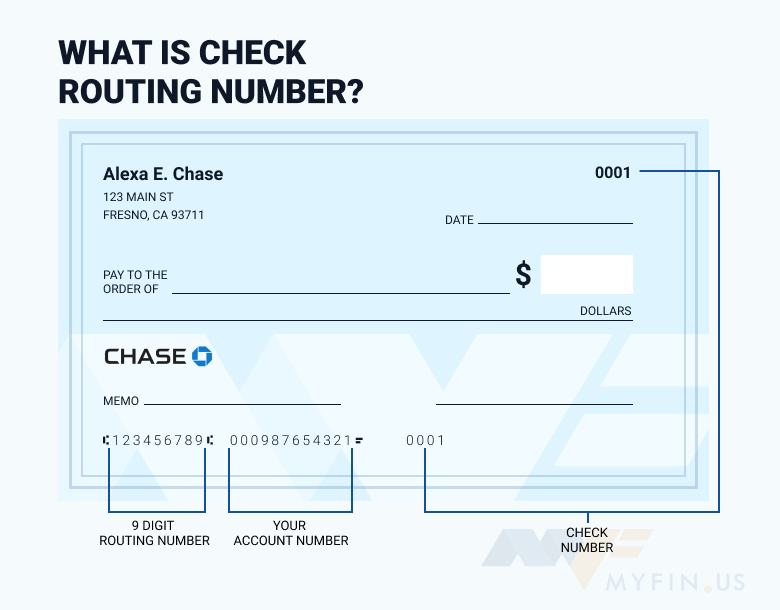
If you still use physical checks, your routing number is printed directly on them. At the bottom of every Chase check, you will see three sets of numbers. The first set of nine digits on the far left is your routing number. The middle set is your account number, and the final set is the check number.
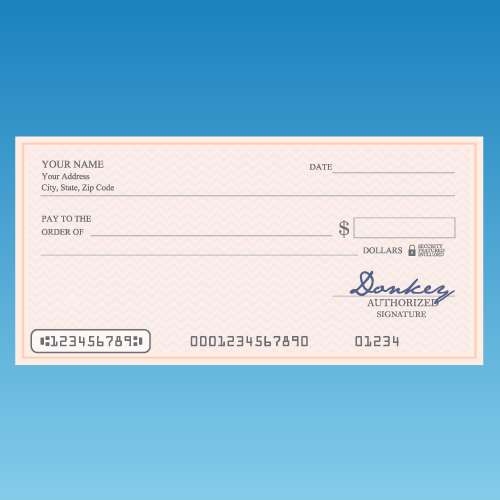
It is important to note that the routing number on a check is generally the “Paper” or “ACH” routing number. If you are attempting to perform a wire transfer, this number may differ from what is required by the institution.
Navigating the Different Types of Chase Routing Numbers
A common mistake in personal finance management is assuming that a bank has only one routing number. Large institutions like Chase utilize different numbers based on the type of transaction and the geographical location where the account was opened.
ACH vs. Wire Transfer Routing Numbers
The most significant distinction a Chase customer must make is between ACH (Automated Clearing House) and Wire Transfer numbers.
- ACH Routing Numbers: These are used for “slow” transfers, such as direct deposits from an employer, utility bill payments, or linking your bank to an app like Venmo or PayPal.
- Wire Transfer Routing Numbers: These are for “real-time” or high-priority transfers, often used for large transactions like real estate closings. Chase typically uses a specific, centralized routing number for all domestic wire transfers, regardless of which state the account was opened in. Using an ACH routing number for a wire transfer can result in the transaction being rejected and potentially incurring a fee.
Regional Variations and State-Specific Numbers
Because Chase grew through the acquisition of various regional banks over decades, it maintains different routing numbers based on the state where you initially opened your account. A Chase customer in New York will have a different routing number than one in Texas.
When searching for your routing number on the Chase website without logging in, you will often be prompted to select your state. This is because the routing number acts as a regional identifier within the Federal Reserve system. If you move across the country but keep your original account open, you must continue to use the routing number associated with the state where the account was first established.
Securing Your Financial Data While Accessing Routing Information
While a routing number is not as “secret” as an account number or a Social Security number (it is printed on every check you give to a stranger, after all), it is still a piece of the puzzle that governs your financial security. As you look for this information, it is vital to maintain high standards of digital hygiene.
Protecting Your Account Credentials
Always ensure you are accessing your Chase information through official channels. Phishing scams often involve fraudulent emails or websites that look like the Chase login page. These scammers aim to steal your login credentials under the guise of “verifying your routing information.” Always use the official Chase app or type chase.com directly into your browser.
The Importance of Verified Financial Tools
When you provide your routing number to a third-party app (such as a budgeting tool or a secondary investment platform), you are essentially giving that app permission to interface with your Chase account. From a financial management perspective, only share these details with reputable, encrypted services. Understanding how your routing number facilitates these connections allows you to better audit which services have access to your funds.
The Strategic Importance of Routing Information in Wealth Management
In the broader context of personal finance, knowing your routing number is a small but vital part of a larger strategy. It enables the automation of your financial life. Automation is the key to consistent saving and investing; by using your routing and account numbers to set up automatic transfers to brokerage accounts or high-yield savings accounts, you remove the “human error” element of manual saving.
Furthermore, for small business owners or freelancers using Chase for Business, the routing number is the lifeline of the enterprise. It allows for the seamless receipt of client payments and the timely payment of vendors. In the business world, a firm grasp of these “boring” details separates the professionals from the amateurs.
Conclusion
Finding your Chase account routing number is a simple task that carries significant weight in your financial journey. Whether you find it through the mobile app, the online portal, or a paper check, ensuring you have the correct number for your specific transaction—be it ACH or wire—is paramount. By mastering these small details of the banking system, you empower yourself to manage your money with greater precision, security, and confidence. As you continue to build your financial future, let these technical tools serve as the foundation for a more organized and efficient economic life.
aViewFromTheCave is a participant in the Amazon Services LLC Associates Program, an affiliate advertising program designed to provide a means for sites to earn advertising fees by advertising and linking to Amazon.com. Amazon, the Amazon logo, AmazonSupply, and the AmazonSupply logo are trademarks of Amazon.com, Inc. or its affiliates. As an Amazon Associate we earn affiliate commissions from qualifying purchases.