
In an increasingly digital world, the landscape of personal finance has expanded far beyond traditional banking. Cryptocurrencies, led by Bitcoin, have emerged as a significant asset class, capturing the attention of both seasoned investors and newcomers alike. For many, platforms like Cash App serve as accessible gateways into this exciting, yet often complex, arena. Understanding how to navigate these platforms, particularly how to locate essential details like your Bitcoin wallet address, is fundamental to effectively managing your digital wealth.
This guide delves into the specifics of finding your Bitcoin wallet address within Cash App, but more importantly, it frames this technical process within the broader context of personal finance, investing strategies, and digital asset management. We’ll explore why this address is crucial, how to use it safely, and best practices for integrating Bitcoin into your financial portfolio.
The Growing Significance of Bitcoin in Personal Finance
Bitcoin, launched in 2009, revolutionized the concept of money by introducing a decentralized digital currency. Its underlying blockchain technology promises transparency, security, and a degree of autonomy from traditional financial institutions. For individuals, Bitcoin has evolved from a niche interest to a legitimate investment vehicle and a potential hedge against inflation. Its volatility, while a risk, also presents opportunities for substantial returns, making it a subject of continuous discussion in personal finance circles.
Cash App as a Gateway to Cryptocurrency Investment
Cash App, developed by Block, Inc., has distinguished itself as more than just a peer-to-peer payment service. It has strategically expanded its offerings to include stock trading and, notably, Bitcoin buying and selling. This integration has democratized access to cryptocurrency, allowing millions of users to participate in the digital asset market with relative ease. For those taking their first steps into crypto, Cash App provides a user-friendly interface that simplifies the often intimidating technical aspects of Bitcoin. It allows users to buy fractions of Bitcoin, known as satoshis, making it accessible even with small investments. This low barrier to entry is a key reason for its popularity among everyday investors looking to diversify their financial holdings.
However, convenience must be coupled with knowledge. While Cash App streamlines many processes, users are still responsible for understanding the fundamentals of Bitcoin, including how to manage their wallet and transactions. The platform acts as a custodian for your Bitcoin, meaning it holds the private keys on your behalf, which is common for exchange-based wallets. While this simplifies security for the average user, it also highlights the importance of platform security and understanding how to access your assets within its ecosystem.
Why Knowing Your Bitcoin Wallet Address is Crucial
Your Bitcoin wallet address is akin to a bank account number, but for your digital currency. It is a unique string of alphanumeric characters (and often accompanied by a QR code) that identifies where Bitcoin should be sent. When someone wants to send you Bitcoin, they will need this address. Without it, there’s no way to receive funds into your Cash App Bitcoin balance.
Beyond receiving payments, knowing your address is crucial for:
- Diversifying holdings: If you hold Bitcoin on other exchanges or hardware wallets, you might want to consolidate it or transfer it to Cash App for easier management, or vice-versa.
- Participating in the broader crypto ecosystem: Some services or platforms might require you to provide your wallet address to receive rewards, payments, or complete transactions outside of Cash App.
- Verifying transactions: Sometimes, you might need to confirm your wallet address to ensure that a transaction you initiated or are expecting is indeed directed to your account.
- Security audits: Understanding where your Bitcoin resides and how to access its receiving address is a basic tenet of digital asset security and management. It ensures you have full visibility and control (within the bounds of Cash App’s custodial service) over your investments.
Navigating Cash App: Your Step-by-Step Guide to Locating Your Bitcoin Address
Finding your Bitcoin wallet address on Cash App is a straightforward process designed for user accessibility. However, it’s essential to follow each step carefully to ensure you retrieve the correct address.
Initial Access: Opening Cash App and Locating the Bitcoin Tab
- Open the Cash App: Begin by launching the Cash App on your mobile device (iOS or Android). Ensure you are logged into your account. If you have security features enabled, such as a PIN, Touch ID, or Face ID, you will need to authenticate to proceed.
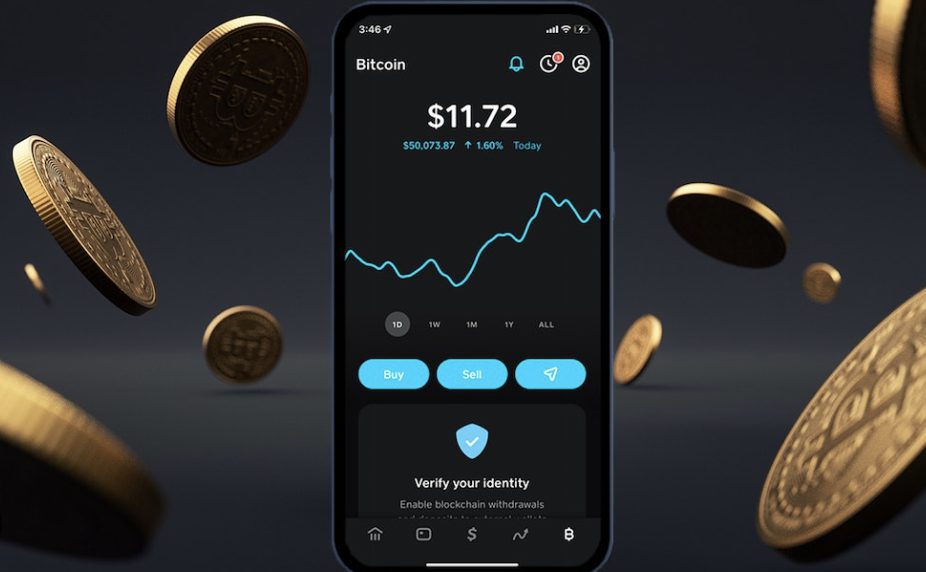
- Navigate to the Bitcoin Tab: At the bottom navigation bar of the Cash App home screen, you’ll typically see several icons. Look for the icon that represents Bitcoin. It usually looks like a stylized ‘B’ with two vertical lines, often presented within a circle or shield. Tap this icon to enter the Bitcoin section of the app. This section displays your current Bitcoin balance, market price, and various options for buying, selling, sending, and receiving Bitcoin.
Unveiling Your Unique Bitcoin Wallet Address
Once you are in the Bitcoin section, you’re just a few taps away from finding your address.
- Tap the “Receive” Button: Within the Bitcoin tab, you will see options like “Buy,” “Sell,” “Send,” and “Receive.” To find your wallet address, you need to tap the “Receive” button. This action signals to the app that you intend to get Bitcoin from another source.
- Display Your Bitcoin Wallet Address and QR Code: Upon tapping “Receive,” Cash App will display your unique Bitcoin wallet address. This address is a long string of alphanumeric characters (e.g.,
bc1q...or1A1zP1...). Alongside it, you will also typically see a QR code. The QR code is a visual representation of your wallet address, making it easier for others to scan and send you Bitcoin without manually typing the complex string.
It’s important to note that Cash App uses a single, consistent Bitcoin wallet address for your account. Unlike some other wallets that generate new addresses for each transaction for privacy reasons, Cash App maintains one primary receiving address linked to your account.
Copying and Sharing Your Address Securely
Once your wallet address is displayed, you have options to use it:
- Copy to Clipboard: Most users will simply tap the “Copy Address” button (or similar text) located near the address string. This action copies the entire alphanumeric string to your device’s clipboard, allowing you to paste it into another application, message, or website.
- Share Options: Cash App also typically provides a “Share” option, which allows you to send your address directly via messaging apps, email, or other communication platforms.
- QR Code Sharing: If the sender is physically near you, they can simply scan the displayed QR code with their Bitcoin wallet app to automatically populate your address. This is often the most convenient and error-proof method.
Critical Security Reminder: Always double-check the address you have copied or shared. Bitcoin transactions are irreversible. If you send Bitcoin to the wrong address, those funds are typically lost forever. A common scam involves malware that replaces a copied wallet address with a scammer’s address. Before confirming any transaction, always verify that the pasted address matches the one you intended to use.
Beyond Finding: Mastering Bitcoin Transactions on Cash App
Locating your wallet address is the first step; understanding how to effectively receive and send Bitcoin is the next. These functions are integral to managing your digital assets within the Cash App ecosystem.
Receiving Bitcoin: What to Expect After Sharing Your Address
Once you’ve shared your Cash App Bitcoin wallet address and someone sends you Bitcoin, here’s what typically happens:
- Transaction Initiation: The sender initiates the transaction from their wallet or exchange, using your provided address.
- Blockchain Confirmation: The transaction is broadcasted to the Bitcoin network. It must be verified and included in a block by miners, a process known as “confirmation.” This can take anywhere from a few minutes to an hour or more, depending on network congestion and the transaction fee paid by the sender.
- Pending Balance: Initially, you might see the incoming Bitcoin appear as a “pending” transaction in your Cash App balance.
- Confirmed Balance: After a sufficient number of confirmations (Cash App usually requires 3-6 confirmations), the Bitcoin will be fully credited to your Cash App balance and available for use. You will typically receive a notification from Cash App.
It’s crucial to communicate with the sender regarding expected transaction times and to verify that they have sent to the correct address.
Sending Bitcoin: A Complementary Function
While the focus here is on receiving Bitcoin, understanding the sending process provides valuable context for overall digital asset management.
- Navigate to the Bitcoin Tab: Similar to receiving, go to the Bitcoin section of Cash App.
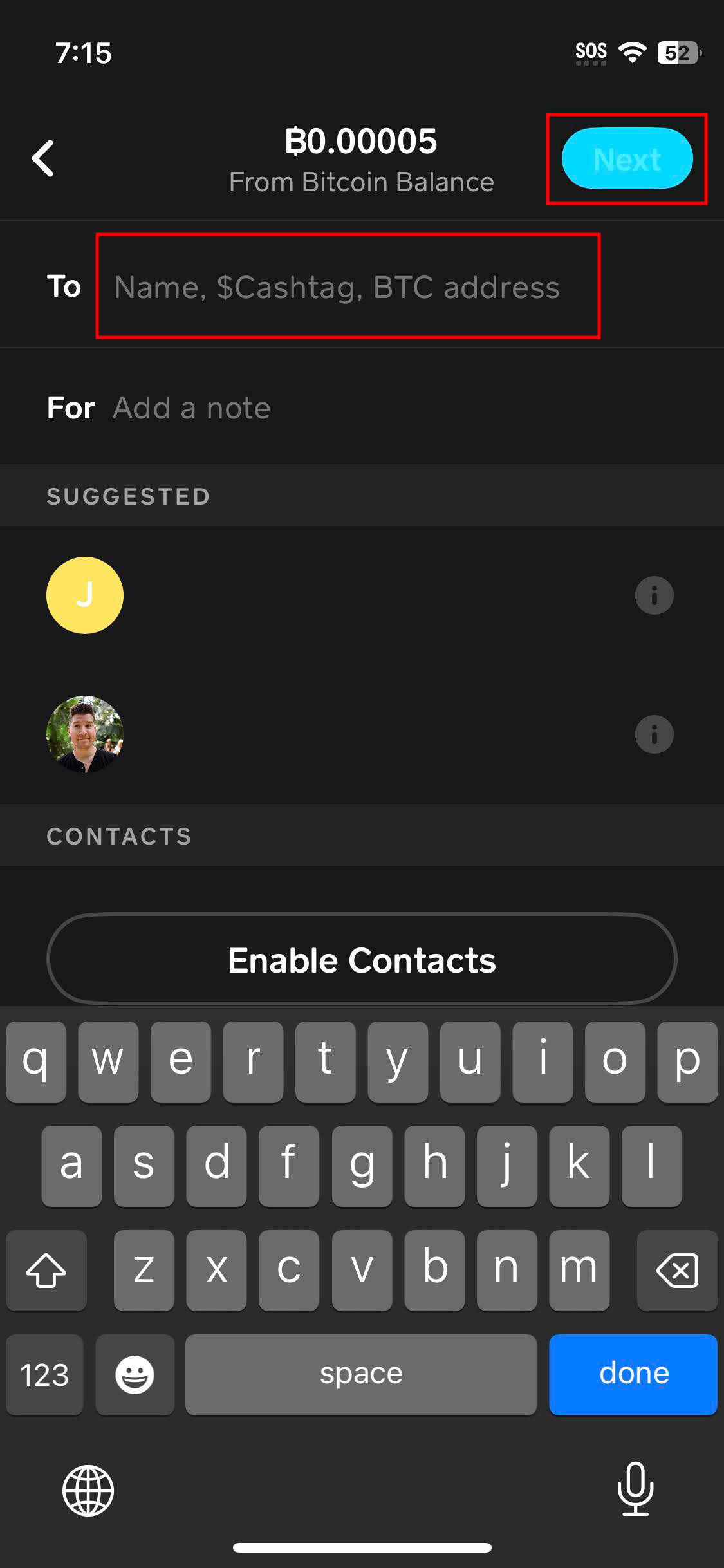
- Tap “Send”: Select the “Send” option.
- Enter Amount and Recipient Address: You’ll be prompted to enter the amount of Bitcoin (or USD equivalent) you wish to send. Crucially, you will then enter the recipient’s Bitcoin wallet address. This is where careful verification is paramount. You can typically paste the address or scan their QR code.
- Confirm Transaction: Review all details (amount, recipient address, network fee) before confirming the transaction. Once confirmed, the Bitcoin will be sent from your Cash App balance.
Cash App typically charges a small fee for Bitcoin transactions, which covers the network mining fee. These fees can vary based on network congestion.
Understanding Transaction Limits and Fees
Cash App, like most financial platforms, imposes limits on Bitcoin transactions. These limits can apply to:
- Buying Limits: The maximum amount of Bitcoin you can buy within a specific period (e.g., weekly).
- Selling Limits: The maximum amount of Bitcoin you can sell.
- Sending Limits: The maximum amount of Bitcoin you can send out of Cash App.
- Receiving Limits: While less common, some platforms might have limits on the total value you can receive.
These limits are often tied to your account verification status. Fully verified accounts (which usually require providing personal information like SSN) typically have higher limits. Always check the current limits within your Cash App settings or FAQ section.
Regarding fees, Cash App generally charges a service fee for buying and selling Bitcoin, which is typically a percentage of the transaction amount. There may also be a small spread on the purchase price. For sending Bitcoin, Cash App usually incorporates the network transaction fee (miner fee) into the cost. Always be aware of these fees as they impact the net amount of your investment and transactions.
Safeguarding Your Digital Wealth: Security and Best Practices
The decentralized nature of Bitcoin means that you are ultimately responsible for the security of your assets. While Cash App provides a secure environment, user vigilance is critical.
The Importance of Two-Factor Authentication (2FA)
Enable 2FA on your Cash App account immediately if you haven’t already. This adds an extra layer of security beyond just your password. Typically, 2FA requires you to enter a code from a separate device (like your phone via an authenticator app or SMS) in addition to your password when logging in or performing sensitive transactions. This significantly reduces the risk of unauthorized access even if your password is compromised.
Recognizing and Avoiding Scams
The cryptocurrency space is unfortunately ripe with scams. Be highly skeptical of:
- “Get Rich Quick” Schemes: Anyone promising guaranteed high returns for sending them Bitcoin.
- Impersonation Scams: Individuals pretending to be from Cash App support, law enforcement, or government agencies. Cash App will never ask for your PIN, login code, or full debit card number via unprompted calls, emails, or texts.
- Phishing Attempts: Emails or links that look legitimate but try to trick you into revealing your login credentials. Always check the sender’s email address and the URL.
- Fake Giveaways: Scammers often promise to send back multiple Bitcoins for every one you send them. These are always fraudulent.
Always verify the legitimacy of any request involving sending Bitcoin or sharing sensitive information. When in doubt, contact Cash App support directly through the official app or website.
What to Do If You Encounter Issues
If you lose access to your Cash App account, suspect unauthorized activity, or have trouble finding your Bitcoin wallet address, contact Cash App support immediately. Use the in-app support feature or visit their official website for contact information. Be prepared to provide verification details to prove your identity. Prompt action can be crucial in mitigating potential losses.
Optimizing Your Cash App Bitcoin Experience for Financial Growth
Integrating Bitcoin into your financial strategy via Cash App requires a thoughtful approach, balancing its potential with its inherent risks.
Integrating Bitcoin into Your Broader Financial Strategy
Consider Bitcoin as one component of a diversified investment portfolio, not the sole focus.
- Risk Tolerance: Bitcoin is highly volatile. Only invest what you can afford to lose.
- Dollar-Cost Averaging (DCA): Instead of trying to time the market, consider investing a fixed amount regularly (e.g., weekly or monthly). This strategy, easily implemented through Cash App’s recurring buys, can help mitigate the impact of volatility over time.
- Long-Term Holding (HODLing): Many investors view Bitcoin as a long-term asset. If your goal is long-term growth, be prepared to hold through market fluctuations.
- Allocate Wisely: Determine a small percentage of your overall investment portfolio that you are comfortable allocating to high-risk, high-reward assets like Bitcoin.
Staying Informed: The Volatility and Potential of Bitcoin
The cryptocurrency market is dynamic and influenced by numerous factors, including technological developments, regulatory news, macroeconomic trends, and investor sentiment.
- Market Research: Regularly follow reputable crypto news sources, analyze market trends, and understand the factors that drive Bitcoin’s price.
- Regulatory Landscape: Be aware of evolving cryptocurrency regulations in your region, as these can impact the legality and tax implications of your Bitcoin holdings.
- Technology Updates: Keep abreast of developments in Bitcoin’s underlying technology and the broader blockchain space.
Future-Proofing Your Digital Asset Management
As your Bitcoin holdings grow, or if you become more comfortable with cryptocurrency, you might consider:
- Self-Custody (Hardware Wallets): For significant amounts, moving your Bitcoin from Cash App’s custodial wallet to a hardware wallet (like Ledger or Trezor) gives you full control over your private keys, offering the highest level of security against platform-specific risks. This would involve sending Bitcoin from your Cash App to your hardware wallet’s address.
- Tax Implications: Understand the tax implications of buying, selling, and using Bitcoin. In many jurisdictions, cryptocurrency is treated as property, and capital gains taxes may apply. Keep accurate records of all your transactions.
- Estate Planning: Include your digital assets in your estate plan. Ensure trusted individuals know how to access your Cash App account or self-custody wallets in the event of unforeseen circumstances.
In conclusion, understanding how to find your Cash App Bitcoin wallet address is a fundamental skill for anyone engaging with digital assets on the platform. However, this technical step is merely a gateway to a broader responsibility: the informed, secure, and strategic management of your digital wealth within the ever-evolving financial ecosystem. By embracing best practices in security, staying informed, and integrating Bitcoin thoughtfully into your overall financial plan, you can harness its potential and navigate the future of finance with confidence.
aViewFromTheCave is a participant in the Amazon Services LLC Associates Program, an affiliate advertising program designed to provide a means for sites to earn advertising fees by advertising and linking to Amazon.com. Amazon, the Amazon logo, AmazonSupply, and the AmazonSupply logo are trademarks of Amazon.com, Inc. or its affiliates. As an Amazon Associate we earn affiliate commissions from qualifying purchases.