
In the intricate world of personal finance, knowing how to access crucial information about your financial products is paramount. Among the most fundamental pieces of data associated with your credit card is the account number – a string of digits distinct from the 16-digit number printed on the front of your card. While often conflated, the account number holds significant importance for various financial transactions and administrative tasks. Whether you’re setting up a balance transfer, applying for a loan, configuring direct debits, or dealing with a lost card, knowing how to securely locate this number is an essential skill for any Capital One cardholder. This comprehensive guide will walk you through the most reliable and secure methods to find your Capital One credit card account number, ensuring you can manage your finances with confidence and efficiency.
Understanding Your Capital One Account Number
Before diving into the “how-to,” it’s vital to grasp what your account number is and why it differs from the more visible card number. This distinction is not merely semantic; it’s a critical layer of financial security and operational clarity.
Differentiating Account Number from Card Number
The 16-digit number prominently displayed on the front of your credit card is your Primary Account Number (PAN). This number is primarily used for point-of-sale transactions, online purchases, and over-the-phone payments. It’s the identifier that links a transaction to your specific card, and it often changes if your card expires, is replaced, or is compromised.
Your credit card account number, on the other hand, is a unique identifier assigned to your overall credit line or account with Capital One. This number typically remains consistent even if your physical card is replaced multiple times. It’s the backend identifier that banks use to manage your account internally. While the PAN is designed for transactional ease, the account number is for more fundamental financial operations that directly involve the bank or other financial institutions. Often, the last few digits of your account number might be embedded within or related to the PAN, but it’s not the same sequence. For instance, sometimes the account number might be a shorter subset of digits found on your statements or within your online banking portal, serving as a permanent reference to your credit facility.
Why You Might Need It
The occasions necessitating your credit card account number are varied and often critical. Here are some common scenarios:
-
Balance Transfers: If you’re consolidating debt from another credit card to your Capital One card, or vice-versa, the receiving institution will almost certainly require your Capital One account number, not just the card number.
-
Setting Up Automatic Payments/Direct Debits: For certain recurring payments directly from your credit account (though less common than direct debits from checking accounts), the account number might be requested by the merchant or service provider.
-
Applying for Loans or Mortgages: Financial institutions assessing your creditworthiness or setting up repayment structures might ask for detailed information about your existing credit lines, including the account number, to verify balances or establish new payment methods.
-
Credit Card Disputes or Inquiries: When interacting with Capital One customer service about complex billing errors, fraud investigations, or specific account inquiries, providing your account number helps them quickly pinpoint your record.
-
Tax Purposes: In some jurisdictions or for certain business expenses, you might need your full account details for accurate record-keeping or reconciliation.
-
Closing an Account: While not always required, having your account number handy can streamline the process if you decide to close your Capital One credit card account.
Understanding these distinctions and use cases underscores the importance of knowing how to locate this crucial piece of financial data securely.
Official and Secure Methods to Locate Your Account Number
Capital One, like all reputable financial institutions, provides multiple secure channels for you to access your account information. Prioritizing these official methods ensures your data remains protected from potential fraud or compromise.
Accessing Through Capital One Online Banking
Your Capital One online banking portal is undoubtedly the most accessible and comprehensive resource for managing your account. It’s designed to provide a secure environment where you can view balances, transactions, statements, and, critically, your account details.
-
Log In Securely: Navigate to the official Capital One website (capitalone.com) and log in using your established username and password. Always ensure you are on the legitimate site, checking for “https://” and the padlock icon in your browser’s address bar.
-
Select Your Credit Card Account: Once logged in, you’ll typically see a dashboard listing all your Capital One accounts. Click on the specific credit card account for which you need the number.
-
Navigate to Account Details: Look for a section labeled “Account Details,” “Account Services,” “My Account,” or something similar. The exact nomenclature might vary slightly based on updates to the website interface. This section often contains sensitive information like your credit limit, available credit, and payment due dates.
-
Locate Your Account Number: Within the account details, your credit card account number should be displayed. For security reasons, Capital One often masks portions of the number (e.g., showing only the last few digits or asterisks for the middle section). You might need to click an icon (like an eye symbol) or a “show full number” link to reveal the complete sequence after re-entering your password or answering a security question.
Using the Capital One Mobile App
The Capital One mobile app offers a convenient, on-the-go solution that mirrors much of the functionality of the online banking portal, optimized for smartphone and tablet use.
-
Download and Log In: Ensure you have the official Capital One mobile app downloaded from your device’s app store (Apple App Store or Google Play Store). Log in using your credentials, possibly with biometric authentication (fingerprint or face ID) if enabled.
-
Select Account: Similar to online banking, select the credit card account from your list of accounts.
-
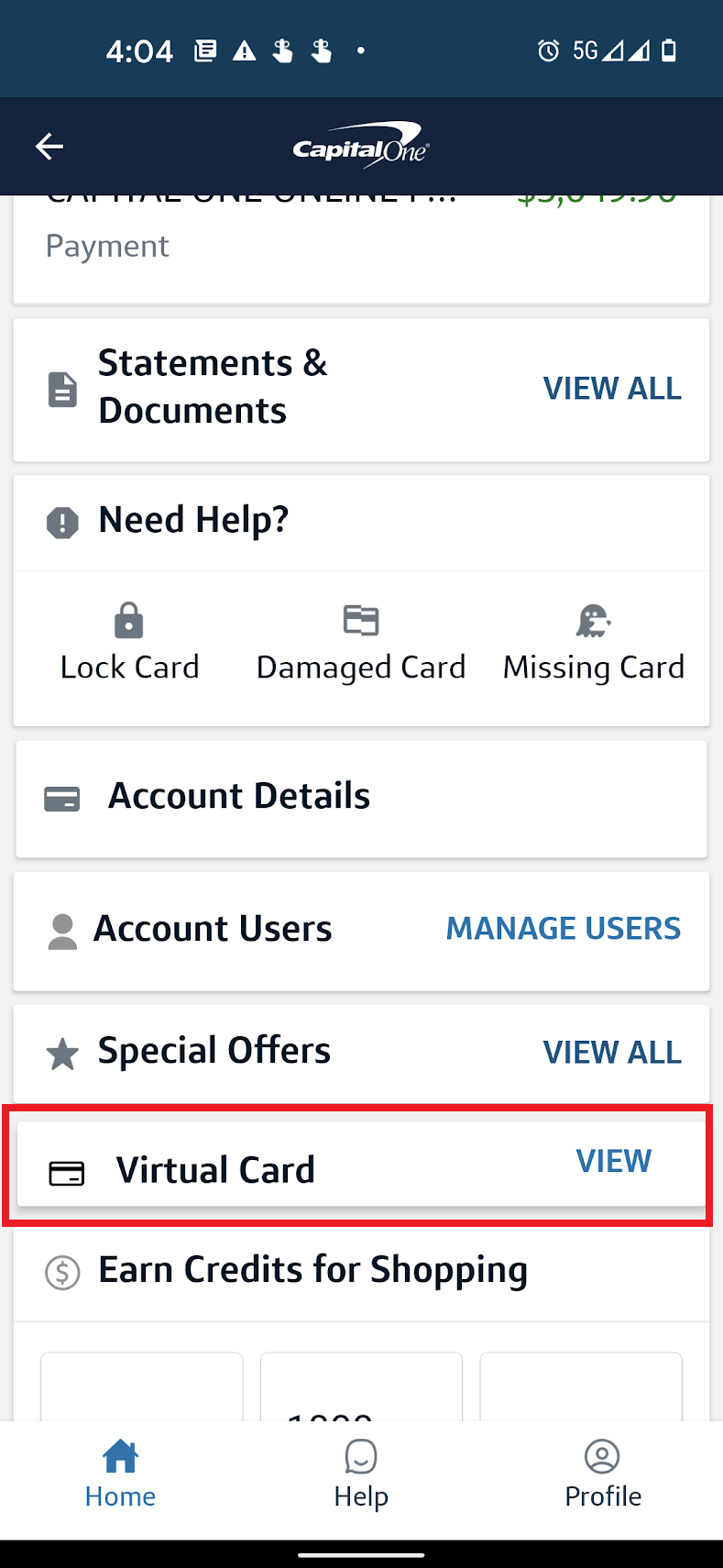
Find Account Details: Look for a section like “Account Details,” “More Options,” or a gear/settings icon specific to that card.
-
Reveal Account Number: Your account number will usually be listed here. Again, it might be partially masked, requiring an additional tap or security verification to display the full number. The app’s interface is generally intuitive, making this information readily available.
Reviewing Your Monthly Statement
Your monthly billing statements, whether paper or electronic, are a reliable source for your account number.
-
Paper Statements: If you receive paper statements, your credit card account number is typically printed prominently at the top of the statement, often near your name and address, or within an “Account Summary” section. Unlike the card number, which might only appear on the physical card, the account number is a consistent identifier on all your official communications from Capital One.
-
Electronic Statements (e-Statements): Access your e-statements through your online banking portal or mobile app. Navigate to the “Statements” section, select the most recent statement, and open the PDF document. Your account number will be in the same location as it would be on a paper statement. This method is particularly useful if you can’t access the “Account Details” section directly for some reason, or if you prefer a document reference.
Contacting Capital One Customer Service
When all else fails, or if you prefer direct human assistance, Capital One’s customer service can provide your account number.
-
Gather Information: Before calling, have some personal identification details ready, such as your full name, address, phone number associated with the account, date of birth, and potentially the last four digits of your Social Security Number. You might also be asked for your card number for initial verification.
-
Dial the Official Number: Find the customer service number on the back of your credit card, on your monthly statement, or on the official Capital One website. Do not rely on numbers found through generic web searches to avoid phishing scams.
-
Undergo Verification: Once connected, the representative will go through a rigorous identity verification process. This is crucial for your security.
-
Request Account Number: Clearly state that you need your credit card account number. They will then be able to provide it to you verbally or guide you on where to find it within your online portal. Be prepared to write it down accurately.
What to Do If Your Card is Missing or Stolen
A lost or stolen credit card is a stressful event, but knowing your account number might still be necessary for certain actions, even without the physical card.
Immediate Steps for Security
The absolute first priority when your card is missing is to secure your account and prevent unauthorized use.
-
Report Immediately: Contact Capital One as soon as you realize your card is missing. You can do this through the mobile app, online banking portal, or by calling their dedicated lost/stolen card number. Capital One can immediately freeze or cancel the card and issue a new one.
-
Monitor Your Account: Keep a close eye on your transactions, either through the app or online, for any suspicious activity. Capital One offers fraud alerts and sophisticated monitoring systems.
-
Review Your Credit Report: It’s a good practice to review your credit report from the three major bureaus (Equifax, Experian, TransUnion) periodically, especially after a security incident, to check for any unauthorized accounts opened in your name.
How This Impacts Account Number Access
Even if your physical card is compromised, your underlying account number with Capital One generally remains the same. When you report a card lost or stolen, Capital One will issue a new card number (PAN). However, the credit card account number associated with your overall credit line typically does not change. This is why accessing it via online banking, the mobile app, or customer service (after robust identity verification) remains a viable option, even if you no longer have the physical card. The system recognizes you as the account holder, regardless of the physical card’s status.
Best Practices for Account Number Security
Your credit card account number is highly sensitive information. Protecting it is paramount to safeguarding your financial well-being and preventing identity theft.
Protecting Your Digital Access
-
Strong, Unique Passwords: Use complex passwords for your Capital One online banking and mobile app, ideally employing a password manager. Avoid reusing passwords across multiple sites.
-
Two-Factor Authentication (2FA): Always enable 2FA wherever possible. This adds an extra layer of security, typically requiring a code sent to your phone or email in addition to your password.
-
Secure Wi-Fi: Only access your banking information over secure, private Wi-Fi networks. Avoid public Wi-Fi (e.g., in cafes or airports) for sensitive financial transactions, as these networks can be vulnerable to eavesdropping.
-
Regular Software Updates: Keep your operating system, browser, and Capital One app updated. Updates often include critical security patches that protect against new vulnerabilities.
-
Log Out: Always log out of your online banking session and mobile app when finished, especially if using a shared device.
Safe Handling of Physical Documents
-
Secure Storage: Keep physical statements and other documents containing your account number in a secure location, such as a locked filing cabinet or safe.
-
Shred Sensitive Documents: Before discarding any documents with your account number, shred them thoroughly. Simply tearing them up isn’t sufficient.
-
Review Mailed Statements Promptly: If you receive paper statements, open and review them as soon as they arrive. If a statement doesn’t arrive when expected, follow up with Capital One to ensure it hasn’t been intercepted.
Vigilance Against Phishing and Scams
-
Be Skeptical of Unsolicited Requests: Capital One will never ask for your full account number, password, or PIN via unsolicited email, text message, or pop-up. Be extremely wary of any communication asking you to “verify” your account details by clicking a link or replying.
-
Verify Senders: Always check the sender’s email address for legitimacy. Phishing attempts often use addresses that look similar to official ones but have subtle differences.
-
Never Click Suspicious Links: If you receive a suspicious email, do not click on any links. Instead, navigate directly to the official Capital One website or use the mobile app to access your account.
-
Report Suspicious Activity: If you suspect you’ve received a phishing attempt or encountered a scam, report it to Capital One immediately.
Common Pitfalls and Troubleshooting
Even with the best intentions, encountering issues when trying to locate your account number is possible. Knowing how to troubleshoot these common hurdles can save you time and frustration.
Incorrect Login Information
-
Forgotten Username/Password: Capital One’s online banking portal and mobile app both offer “Forgot Username” and “Forgot Password” recovery options. These typically involve verifying your identity through security questions, email, or text message codes.
-
Account Lockout: Multiple failed login attempts can lock your account for a set period. If this happens, wait for the lockout period to expire or contact customer service to have your account unlocked after successful identity verification.
Issues with Statement Delivery
-
Missing Paper Statements: If your paper statements aren’t arriving, verify your mailing address with Capital One through online banking or by calling customer service. There might be an issue with postal delivery or your preferences might have been switched to e-statements.
-
E-Statement Access Problems: Ensure your email address on file is current. Check your spam or junk folder if you’re expecting email notifications about new statements. If you’re having trouble viewing PDF statements, ensure your device has a compatible PDF viewer.
Navigating Customer Service Challenges
-
Long Wait Times: Customer service lines can sometimes have long wait times, especially during peak hours. Consider calling during off-peak times (e.g., mid-morning on a weekday) or utilizing Capital One’s secure messaging service within online banking or the app, if available, for non-urgent inquiries.
-
Verification Difficulties: If you have recently changed your phone number, address, or other personal details, ensure Capital One’s records are updated. Outdated information can complicate identity verification when calling customer service.
-
Be Patient and Clear: When speaking with a representative, be patient and clearly articulate your request. Having your existing card number (PAN) and other identifying information ready will expedite the process.

Conclusion
Successfully navigating your financial life with Capital One, or any financial institution, hinges on your ability to access and understand your account information. Knowing how to find your credit card account number is more than just a convenience; it’s a critical aspect of responsible financial management. By utilizing Capital One’s secure online banking portal, mobile app, reviewing your monthly statements, or contacting customer service, you can reliably retrieve this essential detail. Always prioritize security, differentiating your account number from your card number, and practicing vigilance against potential threats. Empower yourself with this knowledge, and you’ll be better equipped to handle a wide array of financial tasks with confidence and peace of mind.
aViewFromTheCave is a participant in the Amazon Services LLC Associates Program, an affiliate advertising program designed to provide a means for sites to earn advertising fees by advertising and linking to Amazon.com. Amazon, the Amazon logo, AmazonSupply, and the AmazonSupply logo are trademarks of Amazon.com, Inc. or its affiliates. As an Amazon Associate we earn affiliate commissions from qualifying purchases.