
In the intricate world of personal finance, a few seemingly small numbers hold immense power and utility. Among these, your bank routing number stands out as a critical identifier, acting as the digital address for your financial institution. Whether you’re setting up direct deposit for your paycheck, automating bill payments, or sending money via wire transfer, knowing how to locate this nine-digit code is fundamental for seamless and secure money management. This guide delves into the significance of your routing number and provides comprehensive, step-by-step instructions on how to find it using various reliable methods, ensuring your financial transactions always hit their mark.

Understanding the Essence of Your Routing Number
Before we dive into the practicalities of finding your routing number, it’s essential to grasp what it is and why it holds such importance in the financial ecosystem. It’s more than just a sequence of digits; it’s a lynchpin for electronic funds transfers.
What Exactly is a Routing Number?
A bank routing number, also known as an ABA (American Bankers Association) routing transit number (RTN), is a nine-digit code that identifies the financial institution responsible for processing a payment. Established in 1910 by the ABA, its original purpose was to facilitate the sorting and delivery of paper checks. In today’s digital age, its role has expanded exponentially, serving as the cornerstone for virtually all electronic funds transfers within the United States. Each bank, and sometimes even specific branches or types of accounts within a larger bank, has a unique routing number (or multiple numbers) that directs funds to the correct destination.
Think of your bank routing number as the postal code for your bank. Just as a postal code ensures a letter reaches the correct post office branch, a routing number ensures that an electronic payment is directed to the correct bank. Without it, your financial transactions would be lost in a digital void, unable to find their intended recipient.
Why Your Routing Number is Crucial for Financial Operations
The routing number is an indispensable tool for a wide array of financial activities that form the backbone of modern money management. Its correct usage ensures efficiency, accuracy, and security in your daily financial life.
- Direct Deposits: Perhaps the most common use, your routing number is essential for employers to deposit your paycheck directly into your account, and for government agencies to disburse benefits like Social Security or tax refunds. It eliminates the need for physical checks, ensuring prompt access to your funds.
- Online Bill Payments: When you set up automatic payments for utilities, loans, or subscriptions, your routing number, alongside your account number, allows these institutions to pull funds directly from your bank. This convenience helps avoid late fees and simplifies budgeting.
- Wire Transfers: For larger or time-sensitive money transfers, especially domestically, your bank’s routing number is crucial for initiating and receiving wire transfers. Note that international wire transfers often require a SWIFT/BIC code in addition to or instead of a domestic routing number.
- ACH Transactions (Automated Clearing House): This network facilitates a vast number of electronic funds transfers, including direct deposits, automatic debits, and peer-to-peer payments. Your routing number is a mandatory component for any ACH transaction, ensuring the funds move correctly between financial institutions.
- Tax Refunds: The IRS and state tax agencies use your routing and account numbers to deposit your tax refund directly into your bank account, offering a faster and more secure alternative to paper checks.
In essence, any transaction that involves moving money electronically between different banks within the U.S. will almost certainly require your routing number. Understanding its significance underscores the importance of knowing how to locate it accurately.
Primary Methods for Locating Your Routing Number
Fortunately, finding your bank routing number is a straightforward process, thanks to several easily accessible resources. The most common and reliable methods leverage physical documents you already possess or the digital tools provided by your bank.
Checking Your Physical Checks or Deposit Slips
For many, the quickest and most traditional way to find their routing number is by looking at a physical check or a deposit slip. This method is highly reliable as the numbers are pre-printed directly by your bank.
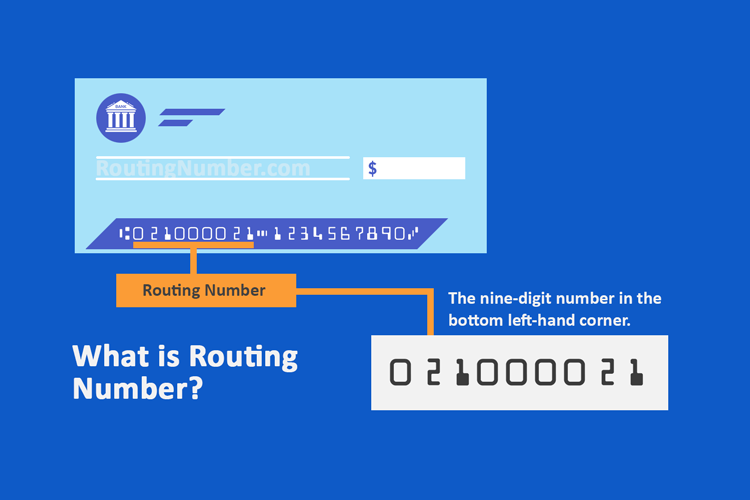
If you have a checkbook, grab one of your personal checks. You will typically find three sets of numbers printed at the bottom of the check. From left to right, these numbers are:
- The Routing Number (ABA RTN): This is usually the first set of nine digits.
- Your Account Number: This is the second set of numbers, which identifies your specific bank account.
- The Check Number: This is the last set of numbers, corresponding to the specific check you are using.
On a deposit slip, the routing number is usually the first set of numbers on the left, followed by your account number. It’s crucial to use your own checks or deposit slips, as routing numbers can differ between banks, branches, and even different types of accounts at the same bank. Also, be wary of temporary or starter checks, as these sometimes have generic routing numbers or may not be encoded correctly. Always verify if using such a check.
Utilizing Your Bank’s Online Banking Portal or Mobile App
In the digital age, your bank’s online platform or mobile application is an incredibly convenient and secure way to access your financial information, including your routing number. This method is often preferred for its speed and accessibility from anywhere with an internet connection.
Here’s a general step-by-step guide, though specific navigation may vary slightly by bank:
- Log In: Access your bank’s official website or mobile app and log in securely using your credentials (username, password, and any multi-factor authentication).
- Navigate to Account Details: Once logged in, look for a section related to “Account Summary,” “Account Details,” “My Accounts,” or similar. You might need to select a specific checking or savings account.
- Find Routing Information: Within the account details, there’s typically a dedicated section labeled “Routing Number,” “Account Information,” or “Direct Deposit Information.” Your routing number will be clearly displayed there, often alongside your full account number. Some banks even offer a printable “Direct Deposit Form” which contains both numbers.
Using your online portal or app is not only convenient but also offers an added layer of security, as you are accessing information directly from your bank’s secure servers. This minimizes the risk of misinformation or scams.
Contacting Your Bank Directly
If you prefer a personal touch, or if you’re unable to access your online banking, contacting your bank directly is a reliable alternative. Bank representatives are trained to assist you with such inquiries.
You have a few options for direct contact:
- Customer Service Phone Number: Locate the customer service number on the back of your debit card, on your bank statements, or on the official bank website. When you call, be prepared to verify your identity through security questions, your account number, or other personal details to ensure you are the legitimate account holder.
- Visiting a Local Branch: If there’s a physical branch nearby, you can visit in person. A teller or customer service representative can provide your routing number after verifying your identity with a valid ID and potentially your debit card or account number. This is often the best option if you have complex questions or require additional assistance.
While contacting your bank directly might take a little longer than checking online, it offers the peace of mind of speaking with a live person and getting verified information straight from the source.

Alternative and Specific Scenarios for Finding Routing Numbers
While the primary methods cover most situations, there are specific scenarios or tools that can also help in locating or verifying a bank’s routing number. These can be particularly useful if you need to find a routing number for a bank you don’t directly bank with, or for specialized transactions.
Using the Federal Reserve E-Payments Routing Directory
The Federal Reserve maintains an official directory of all routing numbers used by financial institutions in the U.S. This resource, often referred to as the FedACH routing directory, is primarily designed for financial institutions, but it can be accessed by the public for verification purposes.
You can typically find a search tool on the Federal Reserve Banks’ website. You would input the bank’s name or a known routing number to verify details. This method is less about finding your personal routing number and more about looking up a bank’s routing number in general. It’s especially useful if you’re trying to confirm the routing number of a financial institution before sending funds to someone else, or if you’re dealing with a less common or online-only bank. However, be aware that this directory might list multiple routing numbers for a single bank, so it’s always best to verify with the specific account holder or the bank itself which routing number applies to a particular transaction type or account.
Finding Routing Numbers for Different Account Types or Branches
It’s a common misconception that every account at a single bank shares the exact same routing number. While often true for standard checking and savings accounts within the same geographic region, there can be exceptions.
- Multiple Routing Numbers: Larger banks, especially those operating across many states, might have different routing numbers for different regions or states. This helps streamline processing within their extensive network.
- Wire Transfers vs. ACH: Some banks use a specific routing number exclusively for incoming domestic wire transfers, which may differ from the routing number used for standard ACH transactions (like direct deposits or bill payments). This distinction is usually made clear on the bank’s website or by contacting customer service directly.
- Specific Account Types: While rare, certain specialized accounts or investment accounts might have unique routing instructions. Always confirm with your bank if you are unsure, especially for complex financial products.
The best practice is always to verify the correct routing number for the specific transaction you are making and the particular account involved. When in doubt, consulting your bank’s online portal or customer service is the safest approach.
Safeguarding Your Financial Information and Common Pitfalls
Knowing how to find your routing number is just one part of the equation; understanding how to safeguard this vital piece of financial information and avoiding common mistakes is equally important for maintaining robust personal finance security.
The Importance of Verifying Your Routing Number
Using an incorrect routing number can lead to significant headaches and financial setbacks. Just like a misspelled address can send a letter to the wrong house, an incorrect routing number can misdirect your funds, causing delays, returned payments, and potentially costly fees.
Consequences of an incorrect routing number can include:
- Delayed Payments: Your direct deposit might be late, or your bill payment might not process on time, leading to potential late fees or service interruptions.
- Returned Payments: Funds might be returned to the sender, often incurring a “returned item fee” from both your bank and the originating institution.
- Funds Sent to the Wrong Account (Rare but Possible): In extremely rare cases, if an incorrect routing number combined with an incorrect account number happens to match another valid account, funds could theoretically be misdirected. This is why double-checking both numbers is paramount.
Always take an extra moment to verify the routing number before submitting it for any transaction. A quick cross-reference with your bank’s website or a physical check can save you a lot of trouble.
Security Best Practices
While your routing number is less sensitive than, say, your Social Security number or full bank account number, it’s still a piece of your financial identity that should be handled with care.
- Be Discerning About Sharing: Only provide your routing number to trusted institutions and individuals who genuinely need it for legitimate financial transactions (e.g., your employer for direct deposit, a utility company for automatic payments).
- Beware of Phishing Scams: Be cautious of unsolicited emails, texts, or calls asking for your banking information, including your routing number. Banks will rarely ask for this information via unsecure channels. Always verify the sender’s legitimacy.
- Secure Online Access: Ensure you are always using your bank’s official website or app, look for “https://” in the URL, and never access your banking information over unsecured public Wi-Fi networks.
- Shred Old Documents: When disposing of old checks, deposit slips, or bank statements, always shred them to prevent identity thieves from gleaning your financial details.
While a routing number alone usually isn’t enough for someone to drain your account, it’s a critical component in the larger puzzle of your financial identity. Practicing good security habits with all your financial information is always recommended.
What to Do If You Can’t Find It or Suspect a Problem
If you’ve exhausted all options and still can’t locate your routing number, or if you suspect you’ve used an incorrect one and funds haven’t appeared, don’t panic.
- Contact Your Bank Immediately: The first and most crucial step is to call your bank’s customer service. They can assist you in finding the correct routing number or investigate the status of a transaction.
- Contact the Initiating Party: If you’re expecting a direct deposit or payment and it hasn’t arrived, also contact the sender (e.g., your employer’s HR department, the bill payer) to confirm the details they used and initiate a trace if necessary.
- Monitor Your Accounts: Keep a close eye on your bank statements and transaction history for any unauthorized activity.
Proactive communication and vigilance are your best tools in resolving financial discrepancies.
Conclusion
Your bank routing number, though a seemingly simple nine-digit code, is an indispensable element of modern personal finance. It serves as the precise digital address for your financial institution, enabling everything from receiving your paycheck to effortlessly paying your monthly bills. Understanding its purpose and knowing how to locate it quickly and accurately are foundational skills for effective money management.
By leveraging your physical checks, navigating your bank’s secure online platforms, or simply reaching out to customer service, you can easily access this vital piece of information. Remember to always verify the correct routing number for your specific transaction and account, and to practice sound security habits to protect your financial details. With this knowledge, you empower yourself to manage your finances with confidence, precision, and peace of mind, ensuring your money flows exactly where it needs to go.
aViewFromTheCave is a participant in the Amazon Services LLC Associates Program, an affiliate advertising program designed to provide a means for sites to earn advertising fees by advertising and linking to Amazon.com. Amazon, the Amazon logo, AmazonSupply, and the AmazonSupply logo are trademarks of Amazon.com, Inc. or its affiliates. As an Amazon Associate we earn affiliate commissions from qualifying purchases.