
In an era increasingly dominated by digital ledgers and contactless payments, the physical banknote remains a cornerstone of global commerce. Despite the rise of “cashless” ecosystems, certain transactions—ranging from small-business purchases in developing markets to service-sector tipping and emergency contingencies—demand physical currency. For the savvy financial consumer, finding an Automated Teller Machine (ATM) is no longer just about spotting a glowing sign on a street corner; it is about navigating a complex landscape of banking networks, fee structures, and digital tools to ensure liquidity without eroding capital through unnecessary surcharges.
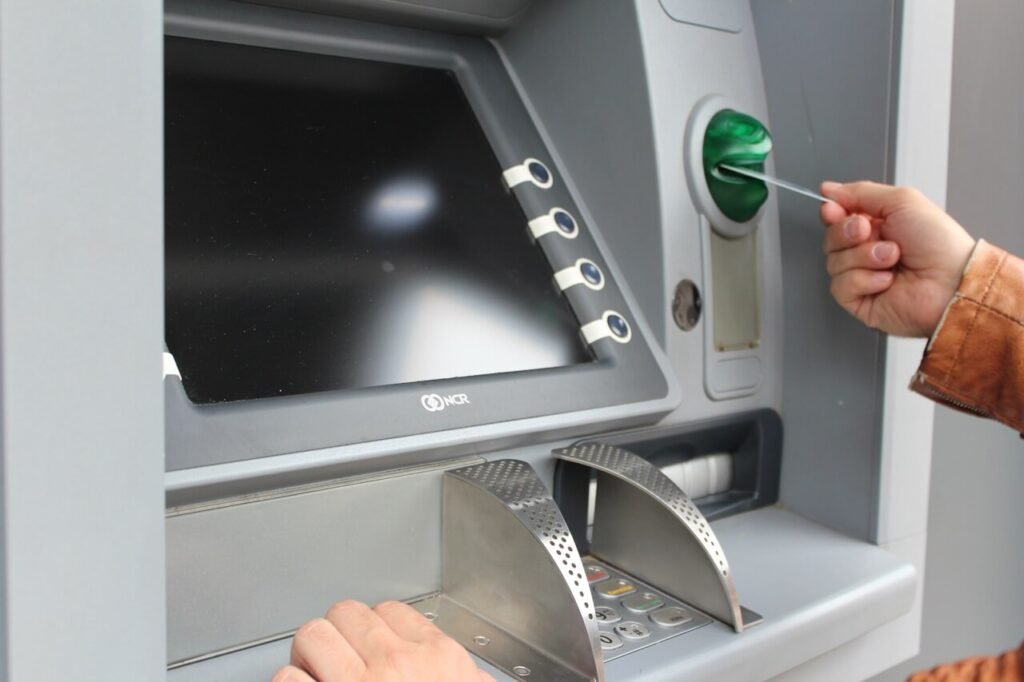
The ability to locate and utilize an ATM efficiently is a fundamental skill in personal finance management. It requires an understanding of how financial institutions interoperate and how technology can be leveraged to minimize the costs associated with accessing your own money.
Leveraging Modern Financial Tools for Cash Access
The first step in modern cash management is moving beyond the “walk and search” method. The digital transformation of the banking sector has provided consumers with precise tools to locate the nearest point of service while simultaneously providing data on operating hours and available services.
Banking Apps and Integrated Locators
The most reliable method for finding an ATM remains the proprietary mobile application provided by your primary financial institution. Large-scale retail banks invest heavily in geospatial data to ensure their customers can find branded machines. These apps typically offer real-time data, indicating not just the location, but also whether the machine is currently operational and if it accepts deposits.
From a financial strategy perspective, using your own bank’s ATM is the most cost-effective choice. Most Tier 1 and Tier 2 banks waive fees for their own customers. Furthermore, many modern banking apps now feature “cardless” functionality, allowing you to find a machine and initiate a withdrawal via a QR code or Near Field Communication (NFC) through your smartphone, reducing the risk of card skimming and the inconvenience of a lost physical card.
Third-Party Financial Aggregators and Surcharge-Free Networks
For those who use credit unions or online-only banks, the search for an ATM becomes a matter of network participation rather than brand recognition. Networks such as Allpoint, MoneyPass, and the CO-OP ATM network provide a vital service for smaller financial institutions. These networks aggregate tens of thousands of machines across various retail locations—such as pharmacies, grocery stores, and gas stations—to provide surcharge-free access.
Finding these requires using network-specific locator tools or apps like Yelp and Google Maps, where searching for “surcharge-free ATM” or the specific network name can yield immediate results. For the consumer, understanding which network your bank belongs to is essential for avoiding the “out-of-network” fees that can range from $2.00 to $5.00 per transaction, significantly impacting the cost-of-capital for small withdrawals.
Navigating International ATM Networks
Finding an ATM becomes significantly more complex when crossing international borders. In this context, the goal shifts from simply finding a machine to finding a “friendly” machine that offers favorable exchange rates and minimizes the impact of international transaction fees.
Understanding Fee Structures: Surcharge vs. Interbank Rates
When searching for an ATM abroad, the financial savvy traveler must distinguish between the “surcharge” (the fee charged by the ATM owner) and the “interbank rate” (the wholesale rate at which banks trade currency). To find the most cost-efficient ATM, look for machines located within the branches of major international banks (e.g., HSBC, Santander, or Citibank). These institutions are more likely to have transparent fee structures compared to “independent” ATMs found in convenience stores or tourist hubs.
Independent ATMs, often branded under names like Euronet, are frequently located in high-traffic tourist areas. While they are easy to find, they often employ “Dynamic Currency Conversion” (DCC). This is a mechanism where the ATM offers to “lock in” an exchange rate in your home currency. Financially, this is almost always a poor choice, as the rate provided is significantly worse than the interbank rate your own bank would provide. When you find an ATM, always choose to be charged in the local currency to ensure your home bank handles the conversion.
Security Protocols for Global Travelers

The physical location of an ATM is a major factor in financial security. When searching for a machine in an unfamiliar city, prioritize those located inside bank lobbies or secure shopping centers. Outdoor machines, particularly those in low-light areas, are prime targets for both physical theft and technical compromise, such as the installation of skimmers or hidden cameras designed to capture PINs.
Strategically, it is often better to find an ATM during daylight hours and inside a building with visible security or surveillance. This reduces the risk of “shoulder surfing” and ensures that if a technical error occurs—such as the machine failing to dispense cash or “swallowing” a card—there is staff on hand to provide immediate assistance.
Beyond the Traditional Bank: Alternative Cash Points
In some regions, traditional ATMs are being supplemented or replaced by “cash-point” retail partnerships. This shift represents a move toward a more integrated retail-finance model, providing more options for the consumer.
Retail Partnerships and Cash-Back Options
One of the most efficient ways to “find” an ATM is to look for a major supermarket or pharmacy. Many of these retailers offer “cash back” at the Point of Sale (POS) when you make a purchase with a debit card. While this technically requires a purchase, buying a small, necessary item can often be cheaper than paying a $3.00 out-of-network ATM fee.
This method is particularly useful in “ATM deserts”—rural or underserved urban areas where traditional banking infrastructure is sparse. From a personal finance perspective, this is a highly effective way to manage liquidity, as it combines a necessary chore (grocery shopping) with cash acquisition, saving both time and fuel costs.
Mobile Banking Hubs and Pop-up Solutions
As traditional branches close, some banks are experimenting with mobile banking hubs—vans or temporary kiosks that travel to specific locations on a schedule. Finding these requires checking the bank’s social media or local community websites. While less predictable than a permanent machine, these hubs provide full-service ATM capabilities and often include human staff to assist with more complex financial transactions that a standard machine cannot handle.
Maximizing Financial Efficiency and Security
Finding an ATM is the beginning of the transaction; completing it safely and efficiently is the objective. This requires a disciplined approach to how and when you access your funds.
Skimming Prevention and Physical Security
Once you have located an ATM, a quick “five-second check” can save you from significant financial loss. Before inserting your card, check the card reader for any loose parts, misaligned plastic, or sticky residue, which are common signs of a skimmer. Give the reader a firm tug; a legitimate bank-installed reader will not move.
Furthermore, always shield the keypad with your hand when entering your PIN. Even if no one is standing behind you, sophisticated thieves often use micro-cameras mounted on the top or side of the machine to record PIN entries. Protecting your PIN is the most effective way to prevent unauthorized access to your accounts, even if your card data is compromised.

Optimizing Withdrawal Limits for Liquidity Management
Finally, consider the financial strategy of the withdrawal itself. Most banks impose a daily withdrawal limit, typically between $300 and $1,000. When you find an ATM, it is often more efficient to withdraw a larger amount once than to make multiple small withdrawals, especially if you are paying any form of flat fee.
However, this must be balanced against the risk of carrying large amounts of cash. A sound financial plan involves knowing your weekly cash needs and making a single, secure withdrawal from a trusted, in-network ATM. This minimizes fee exposure and reduces the frequency of times you must search for a machine, thereby enhancing your overall financial security and time management.
In conclusion, while the digital economy continues to expand, the ability to find and utilize an ATM remains a vital component of a comprehensive financial strategy. By leveraging banking apps, understanding network affiliations, and maintaining a high level of situational awareness, consumers can navigate the physical world of currency with the same precision and efficiency they bring to their digital portfolios. Cash access should not be a matter of chance; it should be a calculated part of one’s personal finance routine.
aViewFromTheCave is a participant in the Amazon Services LLC Associates Program, an affiliate advertising program designed to provide a means for sites to earn advertising fees by advertising and linking to Amazon.com. Amazon, the Amazon logo, AmazonSupply, and the AmazonSupply logo are trademarks of Amazon.com, Inc. or its affiliates. As an Amazon Associate we earn affiliate commissions from qualifying purchases.