
In the modern landscape of personal finance, your bank account number is much more than a random string of digits. It is the fundamental coordinate that allows the global financial system to route your hard-earned money to the correct destination. Whether you are setting up a direct deposit for a new job, authorizing an automated bill payment, or transferring funds between investment accounts, knowing exactly how to locate and verify your account number is an essential skill in financial literacy.
Despite its importance, many consumers find themselves searching frantically through apps or paper files when the need arises. This guide provides a detailed roadmap for locating your account number across various platforms while emphasizing the security protocols necessary to protect your financial identity.
1. Locating Your Account Number Through Traditional Physical Documents
Even in an increasingly paperless world, physical documents remain one of the most reliable ways to verify financial information. For those who prefer a tangible “paper trail,” there are several key places where your account number is permanently recorded.
Understanding the Anatomy of a Paper Check
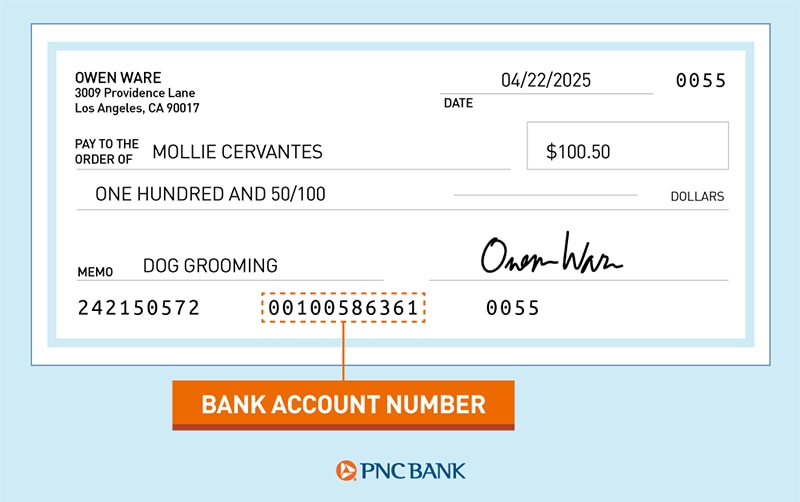
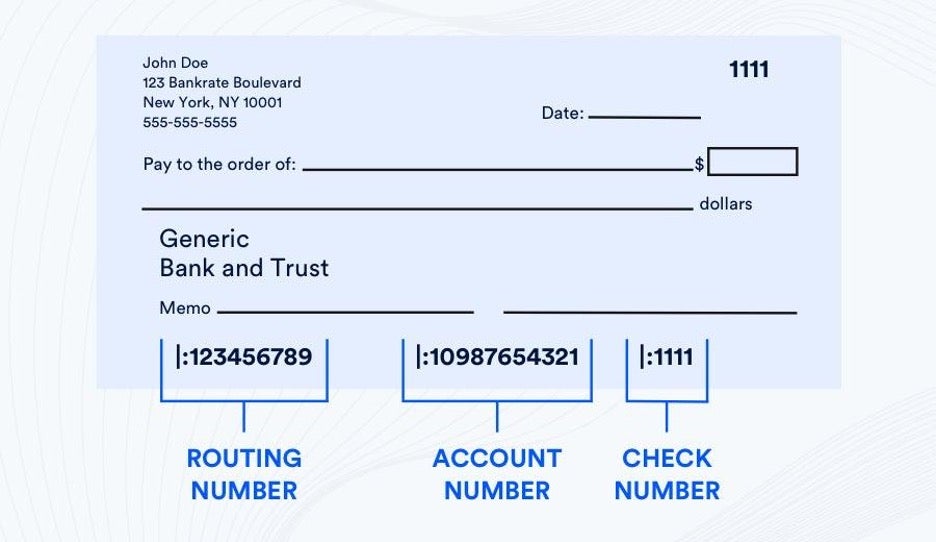
If you still use a physical checkbook, you hold the most direct tool for finding your account number. At the bottom of every personal check is a series of numbers printed in a specialized font known as MICR (Magnetic Ink Character Recognition). This line typically contains three distinct sets of numbers:
- The Routing Number: A nine-digit code that identifies your specific financial institution.
- The Account Number: Usually located in the middle or toward the right side of the MICR line. It identifies your specific personal or business account.
- The Check Number: A shorter sequence that corresponds to the specific check you are looking at.
When reading a check, your account number is typically the set of digits located between the routing number and the check number. It is important to note that some banks may vary the order slightly, but the account number is generally the longest string of digits in that row.
Reviewing Monthly Bank Statements
Your monthly bank statement—whether received via mail or downloaded as a PDF—is a legal record of your financial activity. In the header or “Account Summary” section of the statement, the bank will list the account number.
However, for security purposes, many modern financial institutions “mask” the first several digits (e.g., ****5678). If you need the full, unmasked number for a wire transfer or an ACH setup, you may need to look for a specific “Account Details” page or a “Direct Deposit Authorization” form often included at the back of the statement.
Welcome Kits and Initial Correspondence
When you first open a checking or savings account, the bank provides a “Welcome Kit” or a series of disclosure documents. These papers contain your full account number, your specific branch information, and the terms of service. Storing these documents in a secure fireproof safe or a locked filing cabinet is a best practice for any organized personal finance strategy.
2. Utilizing Digital Financial Tools and Online Banking
The rise of fintech and mobile banking has made retrieving financial information faster than ever. For those who manage their money on the go, digital portals offer immediate access to account details, provided you can navigate the security layers.
Navigating Mobile Banking Applications
Most major banks and credit unions have optimized their mobile apps to provide quick access to account numbers. Once you log in—ideally using biometric authentication like FaceID or a fingerprint—you can usually find your account number by tapping on a specific account (e.g., “Primary Checking”).
Because of the high risk of “shoulder surfing” (people looking at your phone screen in public), many apps default to hiding the account number. Look for an “eye” icon or a “Show Details” button to reveal the full string of digits. This feature ensures that your sensitive financial data remains private even if you check your balance in a crowded area.
Accessing Web Portals and e-Statements
If you are working from a desktop computer, logging into your bank’s official website provides the most comprehensive view of your financial profile. Within the “Account Management” or “Settings” menu, there is almost always a section labeled “Account and Routing Numbers.”

Online portals are also the best place to find “Direct Deposit Forms.” These pre-filled PDF documents are specifically designed to be handed to an employer’s HR department. They include the account number, routing number, and the bank’s official address, eliminating the risk of a manual data-entry error that could delay your paycheck.
Digital Wallets and Third-Party Finance Apps
With the integration of apps like Venmo, PayPal, and Mint, your bank account is often linked to third-party platforms. While these apps may show you the last four digits of your linked account, they rarely show the full account number for security reasons. To find the full number, you must always return to the primary source: your bank’s own proprietary app or website. Relying on the primary source reduces the risk of using outdated or truncated information.
3. Direct Verification with Financial Institutions
In some instances—such as when you have lost access to your online portal or have misplaced your checkbook—you may need to interact directly with bank personnel to retrieve your account number.
In-Person Branch Visits
The most secure way to retrieve a lost account number is to visit a local branch. Because an account number is a gateway to your liquid assets, bank employees are trained to follow strict “Know Your Customer” (KYC) protocols. You will be required to present a valid government-issued photo ID, such as a driver’s license or passport. Once your identity is verified, the banker can provide you with a printed document containing your full account details.
Customer Service and Secure Messaging
If you cannot visit a branch, you can contact the bank’s customer service line. Be prepared to pass several layers of security, which may include answering “out-of-wallet” questions (questions based on your credit report) or receiving a one-time passcode (OTP) on your registered mobile device.
For security reasons, many banks will not read an account number over the phone. Instead, they may offer to send a secure message to your online banking inbox or mail a physical letter to the address on file. This “friction” in the process is actually a positive sign; it indicates that the institution takes the security of your money seriously.
4. Why Protecting Your Account Number is Vital for Your Financial Health
Finding your account number is only half the battle; the other half is ensuring that this information does not fall into the wrong hands. In the realm of personal finance, your account number is a “static credential,” meaning it rarely changes over the life of the account. This makes it a prime target for fraudsters.
The Risks of Identity Theft and Unauthorized ACH Transfers
Unlike a credit card number, which can be easily canceled and reissued if compromised, changing a bank account number is a logistical nightmare. It involves closing the account, opening a new one, and re-configuring every single direct deposit and automatic payment you have.
If a bad actor obtains your account and routing numbers, they can theoretically initiate ACH (Automated Clearing House) transfers, effectively pulling money out of your account. While federal regulations (such as Regulation E in the United States) provide some protection against unauthorized transfers, the burden of proof and the time required to recover funds can cause significant financial strain.
Best Practices for Financial Information Security
To maintain a healthy financial life, follow these security protocols:
- Never Share via Email: Email is inherently insecure. Never send your full account number or photos of checks through standard email.
- Shred Financial Documents: Use a cross-cut shredder for any old bank statements, canceled checks, or direct deposit slips.
- Monitor Your Accounts Daily: Use personal finance apps or bank alerts to notify you of any transaction over a certain dollar amount.
- Use Strong, Unique Passwords: Ensure your banking login is not shared with any other site and enable Multi-Factor Authentication (MFA).
Conclusion: Empowering Your Financial Journey
Understanding how to find and manage your account number is a cornerstone of professional money management. Whether you are a young professional setting up your first investment portfolio or a seasoned investor streamlining your business finances, the ability to quickly and securely access your banking coordinates is essential.
By mastering the use of physical documents, digital tools, and direct institutional support, you ensure that your financial operations run smoothly. More importantly, by treating your account number with the same level of care as your Social Security number or your private passwords, you protect the wealth you have worked so hard to build. In the world of money, knowledge is not just power—it is the ultimate form of security.
aViewFromTheCave is a participant in the Amazon Services LLC Associates Program, an affiliate advertising program designed to provide a means for sites to earn advertising fees by advertising and linking to Amazon.com. Amazon, the Amazon logo, AmazonSupply, and the AmazonSupply logo are trademarks of Amazon.com, Inc. or its affiliates. As an Amazon Associate we earn affiliate commissions from qualifying purchases.