
Navigating the used car market can feel like a daunting task, fraught with potential pitfalls and financial anxieties. Yet, for many consumers, purchasing a pre-owned vehicle represents a financially astute decision, offering significant savings compared to buying new. The key to a successful acquisition lies not just in finding a desirable car, but in approaching the process with a rigorous financial strategy. This article will guide you through the intricate journey of finding a used car, strictly from a “Money” perspective, ensuring every decision is weighed against its financial implications and potential return on investment. From setting a realistic budget to shrewd negotiation and post-purchase financial planning, we’ll equip you with the insights to make a wise and economical choice.
1. Strategic Budgeting and Financial Preparation
The foundation of any sound financial decision, particularly one as significant as purchasing a car, is meticulous budgeting. Before you even begin browsing listings, a clear understanding of your financial limits and capabilities is paramount. This initial phase sets the stage for a financially responsible and stress-free acquisition.
Defining Your Budget: Beyond the Sticker Price
Many prospective buyers mistakenly focus solely on the sticker price of a vehicle. However, a comprehensive budget must extend far beyond the initial purchase cost. Start by assessing your disposable income and determining how much you can comfortably allocate to a car payment each month, if financing, or how much capital you are willing to disburse if paying cash. More importantly, factor in all associated costs. These include sales tax, registration fees, title fees, and potential documentation fees from dealerships. Ignoring these upfront charges can lead to an immediate budget shortfall. Think about the maximum total outlay you are prepared to make, not just the advertised price, to avoid surprises at the point of sale. This holistic view ensures you have sufficient funds to cover all immediate financial obligations without strain.
Understanding Total Cost of Ownership (TCO)
The true financial burden of a car extends far beyond its purchase price. The Total Cost of Ownership (TCO) encompasses every expense associated with owning and operating a vehicle over its lifespan. For a used car, this is especially crucial. TCO includes fuel costs, insurance premiums, routine maintenance (oil changes, tire rotations, brake pads), unexpected repairs, and depreciation. Researching average TCO for specific makes and models you are considering is vital. A seemingly cheap used car with a reputation for high maintenance costs or poor fuel economy can quickly become a money pit. Conversely, investing a little more upfront in a vehicle known for its reliability and fuel efficiency can lead to significant long-term savings. Utilize online TCO calculators and consumer reports to compare models. This foresight helps prevent buyer’s remorse and ensures your chosen vehicle aligns with your long-term financial health.
Financing Options: Cash vs. Loan (and their Financial Implications)
How you pay for your used car has significant financial implications. Paying cash avoids interest payments entirely, making it the most financially economical option in the long run. However, it ties up a substantial amount of liquid capital that could potentially be invested elsewhere or reserved for emergencies. Carefully weigh the opportunity cost of using cash. If you opt for financing, securing a low-interest loan is critical. Shop around with various lenders – banks, credit unions, and online lenders – before visiting dealerships. A pre-approved loan gives you significant leverage during negotiations and prevents you from being pressured into higher-interest dealer financing. Understand the terms of any loan: the Annual Percentage Rate (APR), loan term, and total interest paid over the life of the loan. A longer loan term might offer lower monthly payments but will almost always result in paying significantly more interest overall. Analyze how the monthly payment fits into your budget and assess the total financial commitment.
The Value of a Pre-Purchase Inspection (PPI)
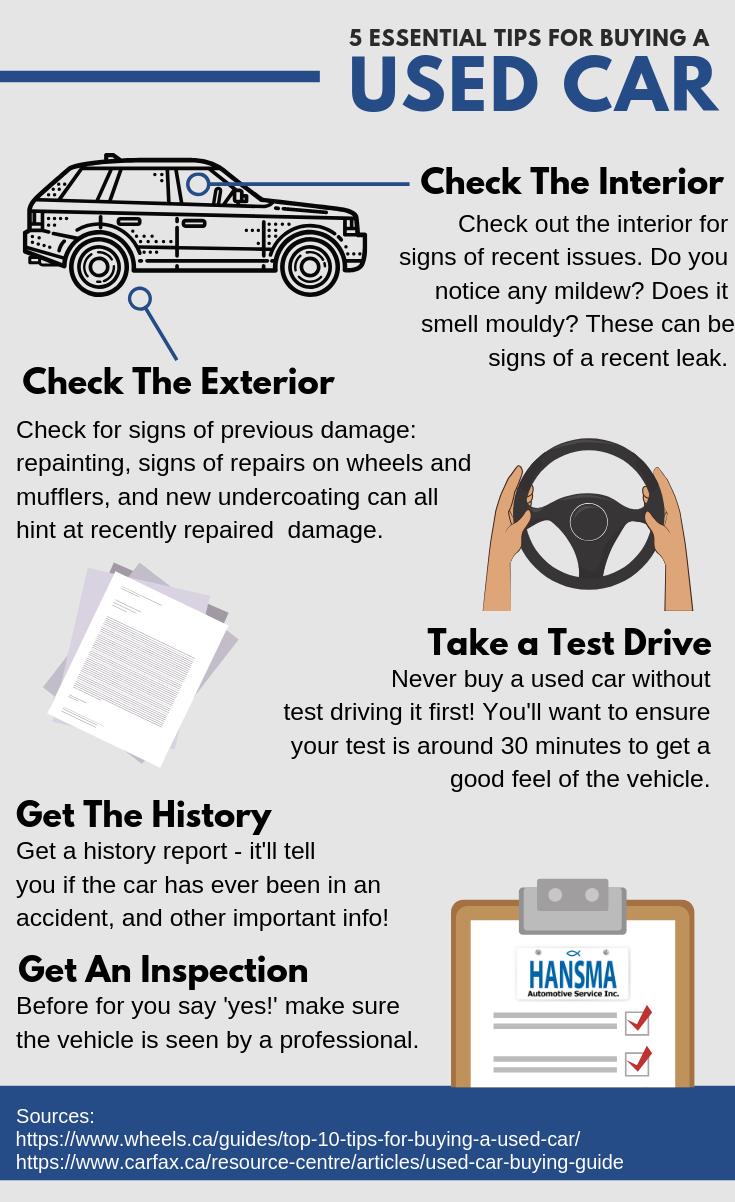
From a purely financial standpoint, a Pre-Purchase Inspection (PPI) is not an optional expense; it is a critical investment. Before finalizing any used car purchase, arrange for an independent, certified mechanic to thoroughly inspect the vehicle. This typically costs $100-$200, a minor sum compared to the potential cost of unforeseen repairs. A PPI can uncover existing mechanical issues, impending failures, or evidence of prior accidents that might not be apparent during a test drive. Identifying these issues before purchase allows you to either negotiate a lower price to cover the repair costs or walk away from a potentially problematic vehicle, saving you thousands in future maintenance and repair bills. It acts as a financial safeguard, ensuring you’re not inheriting someone else’s expensive problems.
2. Smart Sourcing and Value Assessment
Once your budget is firmly established, the next financial frontier is where and how you find your used car, and critically, how you assess its true market value and potential hidden costs. This phase is about leveraging financial acumen to locate the best value for your money.
Where to Find Value: Dealerships vs. Private Sellers vs. Auctions
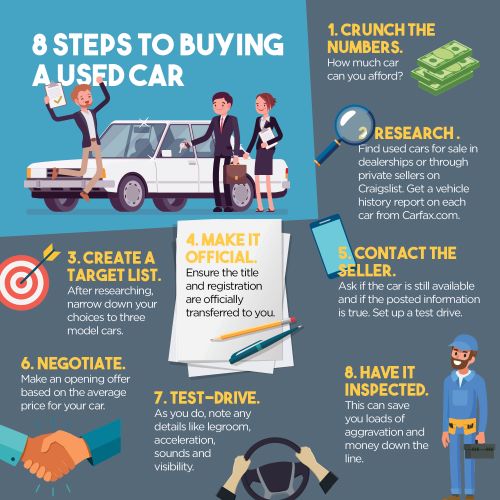
Each source for used cars presents a different financial proposition. Dealerships often offer certified pre-owned (CPO) vehicles, which come with warranties and assurances. While this provides peace of mind and mitigates some financial risk, it typically comes at a premium price. You’re paying for the convenience, inspection, and often, the warranty. Private sellers usually offer lower prices because they don’t have the overhead of a dealership. This can translate to significant savings, but it also carries more risk, as private sales are typically “as-is” with no recourse if issues arise later. The due diligence, including a PPI, becomes even more critical here. Car auctions, particularly public or government auctions, can yield incredibly low prices, but they are generally for experienced buyers comfortable with high risk and often no opportunity for a test drive or thorough inspection. From a financial perspective, a private sale, coupled with a thorough PPI, often offers the best balance of low price and mitigated risk for the average buyer. Online marketplaces and specialized used car platforms (like CarGurus, Autotrader, CarMax) act as aggregators, providing a broad view of options across both dealership and private listings.
Researching Market Value and Depreciation Trends
Understanding the market value of a specific make and model is paramount for smart financial decision-making. Don’t rely solely on the asking price. Utilize reputable valuation tools like Kelley Blue Book (KBB), Edmunds, and NADAguides to determine a fair market price based on year, mileage, condition, and trim level. These resources provide ranges for private sales, trade-ins, and retail prices, empowering you with data for negotiation. Beyond current market value, consider depreciation trends. Some vehicles hold their value better than others. Investing in a car with slower depreciation means your asset will retain more of its value over time, which is a significant financial advantage when you eventually sell or trade it in. Conversely, rapidly depreciating models, while cheaper initially, can lead to a greater financial loss over your ownership period. Researching these trends allows you to make a more informed investment choice, treating your car not just as transport, but as an asset.
Identifying Hidden Costs: Registration, Insurance, and Maintenance Reserves
Beyond the purchase price, several “hidden” costs can significantly impact your budget. Registration fees vary widely by state and vehicle type and can be substantial, especially for newer or heavier vehicles. Factor these into your initial outlay. More importantly, insurance premiums are a major ongoing expense. Obtain insurance quotes for the specific vehicles you are considering before purchasing. Premiums are influenced by the car’s make, model, year, safety features, repair costs, and your driving history. A sporty car, or one with expensive parts, will almost certainly cost more to insure. Lastly, and most critically for used cars, establish a maintenance and repair reserve fund. Even with a PPI, unexpected issues can arise. Having dedicated savings for vehicle upkeep prevents these incidents from derailing your personal finances or forcing you to defer necessary repairs, which could lead to even more expensive problems down the line. A good rule of thumb is to budget at least $500-$1000 annually for general maintenance and an emergency buffer.
3. Savvy Negotiation and Transaction Management
With your budget defined and your target vehicle identified, the next critical phase involves financially astute negotiation and meticulous transaction management. This is where your preparedness directly translates into significant savings and a secure financial outcome.
Mastering the Art of Negotiation: Strategies for Savings
Negotiation is a cornerstone of smart used car buying. Approach it as a strategic game where every dollar saved directly impacts your personal finance. Your research into market value and TCO gives you leverage. Always aim to negotiate the “out-the-door” price, which includes all fees, rather than just the sticker price. If buying from a dealership, be aware of add-ons (extended warranties, paint protection, anti-theft devices) that inflate the price; often, these are high-profit items for the dealer and can be declined or negotiated down significantly. For private sales, identifying minor flaws or upcoming maintenance needs (as revealed by a PPI) can be powerful negotiation points. Never reveal your maximum budget upfront. Instead, make a reasonable offer below your target price and be prepared to walk away if your terms aren’t met. Patience and a willingness to disengage are your strongest negotiating tools, preventing emotional decisions that cost money.
Due Diligence: Vehicle History Reports and Title Checks
Financial security in a used car transaction hinges heavily on thorough due diligence. A Vehicle History Report (VHR) from services like CarFax or AutoCheck is an indispensable tool. This report details past accidents, salvage titles, flood damage, odometer rollbacks, service history, and previous ownership. A clean VHR mitigates significant financial risk by confirming the car’s past health and authenticity. While these reports cost money (typically $30-$50), they are a tiny fraction of the potential cost of buying a lemon. Complement this with a title check to ensure the seller legally owns the vehicle and that there are no outstanding liens against it. A clear title means you’ll legally own the car free and clear upon purchase, avoiding any future financial entanglements. These steps are crucial for protecting your investment and ensuring you don’t inadvertently buy a vehicle with hidden financial liabilities.
Protecting Your Investment: Understanding Warranties and Guarantees
For used cars, warranties and guarantees offer a crucial layer of financial protection. Certified Pre-Owned (CPO) vehicles from dealerships often come with manufacturer-backed warranties that extend beyond the original factory warranty, providing assurance against major mechanical failures. This protection comes at a higher price point, but it can be a worthwhile investment for risk-averse buyers, essentially providing an insurance policy against unexpected, costly repairs. For private sales or non-CPO dealership cars, third-party extended warranties are an option. Carefully scrutinize the terms and conditions of any warranty: what is covered, what isn’t, deductibles, and the reputation of the warranty provider. Sometimes, these warranties offer poor value for money, with many exclusions or difficult claim processes. Compare the cost of the warranty against your self-imposed maintenance reserve; often, having a robust emergency fund is a more financially sound strategy than a costly, restrictive extended warranty. Understand what guarantees, if any, come with the purchase and what your rights are should an issue arise shortly after the sale.
4. Post-Purchase Financial Prudence
The financial journey doesn’t end when you drive your used car off the lot. Ongoing financial prudence is essential to maximize your investment and ensure the car remains a valuable, economical asset rather than a continuous drain on your finances.
Budgeting for Ongoing Maintenance and Repairs
Having acquired your used car, a proactive approach to maintenance is the best financial strategy. Adhere strictly to the manufacturer’s recommended maintenance schedule. Regular oil changes, tire rotations, fluid checks, and timely replacement of wear-and-tear items (like brakes and filters) are investments that prolong your vehicle’s lifespan and prevent minor issues from escalating into major, expensive repairs. A well-maintained vehicle is a reliable vehicle, which saves you money on unexpected breakdowns and ensures safer operation. Continue to maintain your dedicated maintenance and repair reserve fund. Life happens, and cars break down. Having funds specifically set aside for this purpose ensures that when an unexpected repair is needed, you can address it promptly without dipping into other savings or incurring debt. This disciplined approach protects your asset and your broader financial stability.
Optimizing Car Insurance Costs
Car insurance is a significant ongoing cost, and continuously optimizing it can lead to substantial long-term savings. Don’t simply renew with the same provider each year. Shop around periodically (annually or semi-annually) for quotes from different insurance companies. Rates can change based on market conditions, your driving record, and new discounts available. Look for opportunities to reduce your premiums, such as increasing your deductible (if you have sufficient emergency funds to cover it), bundling policies (home and auto), inquiring about discounts for good drivers, low mileage, or safety features, and reassessing coverage levels as the car ages and depreciates. For an older, less valuable used car, comprehensive and collision coverage might eventually become less cost-effective than the potential payout in an accident. Regularly reviewing your policy ensures you are getting the best coverage for your financial needs at the most competitive price.

Planning for Resale Value and Future Upgrades
Even as you enjoy your newly acquired used car, it’s financially astute to consider its eventual resale or trade-in value. Maintaining good service records, keeping the car clean, and addressing minor cosmetic issues (like dents or scratches) promptly can significantly impact its future value. A well-documented maintenance history is a major selling point and signals to future buyers that the car has been cared for, translating into a higher resale price. As your financial situation or transportation needs evolve, you might consider upgrading. Continuously monitoring the market value of your current vehicle allows you to make an informed decision about the best time to sell or trade it in, potentially leveraging any remaining equity towards your next purchase. By treating your used car as a depreciating asset that requires ongoing financial management, you maximize its utility and minimize your overall transportation costs over the long run.
In conclusion, finding a used car is more than just selecting a vehicle; it’s a series of strategic financial decisions. From meticulous budgeting and comprehensive TCO analysis to smart sourcing, astute negotiation, and diligent post-purchase financial management, every step offers an opportunity to protect and enhance your personal wealth. By adopting this rigorous “Money” perspective, you can navigate the complexities of the used car market with confidence, securing a reliable vehicle that serves your needs without compromising your financial well-being.
aViewFromTheCave is a participant in the Amazon Services LLC Associates Program, an affiliate advertising program designed to provide a means for sites to earn advertising fees by advertising and linking to Amazon.com. Amazon, the Amazon logo, AmazonSupply, and the AmazonSupply logo are trademarks of Amazon.com, Inc. or its affiliates. As an Amazon Associate we earn affiliate commissions from qualifying purchases.