
In an era saturated with digital soundscapes, encountering an irresistible melody without knowing its title or artist is a common, often frustrating, experience. Whether it’s a captivating track from a viral video, a snippet overheard in a café, or a catchy tune from a commercial, the quest to identify that mystery song has become a ubiquitous modern challenge. Fortunately, technological advancements have equipped us with a robust arsenal of tools and strategies to bridge this knowledge gap. This guide delves into the tech-driven methods and applications designed to help you pinpoint that elusive tune, transforming a moment of musical intrigue into an opportunity for discovery. We’ll explore everything from dedicated music recognition apps and sophisticated AI assistants to clever search engine tactics and community-driven platforms, all firmly within the realm of technology.

Leveraging Dedicated Music Recognition Applications
The most direct and often most effective route to identifying an unknown song is through specialized music recognition applications. These apps leverage sophisticated audio fingerprinting technology and vast databases to provide instant results, making them indispensable tools for any music enthusiast.
Shazam: The Pioneer of Instant Recognition
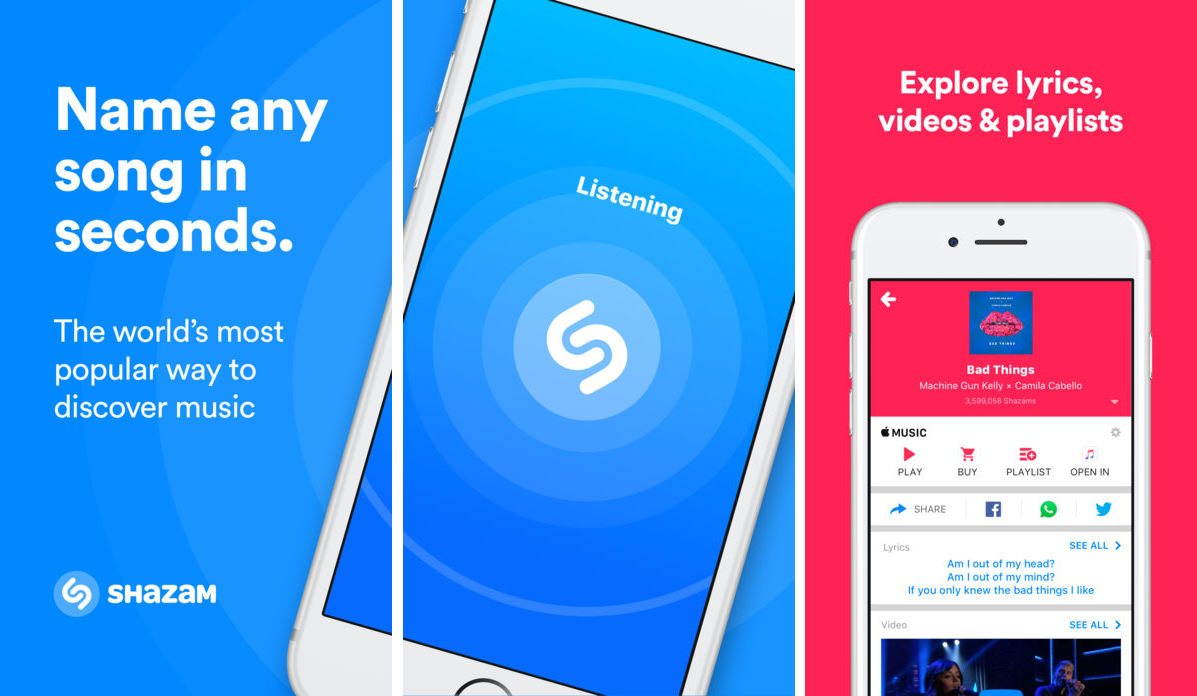
Shazam stands as the quintessential music discovery app, having pioneered the concept of instant song identification since its inception. Its technology relies on creating a unique “acoustic fingerprint” of the audio snippet it hears. This fingerprint, a compact representation of the song’s salient acoustic characteristics, is then compared against a massive database of millions of songs. When a match is found, Shazam swiftly returns the song title, artist, album, and often includes links to streaming services, music videos, and lyrics. The app’s strength lies in its speed and accuracy, even in environments with background noise or during short audio clips. Its user-friendly interface and integration with various platforms (iOS, Android, Apple Watch, macOS) make it incredibly accessible. Beyond simple identification, Shazam often offers a “Pop-Up Shazam” feature on Android, allowing it to recognize music playing in other apps, and a “Listen to Radio and TV” function, expanding its utility beyond just live environments.
SoundHound: Beyond Just Listening
While sharing core functionalities with Shazam, SoundHound differentiates itself with a unique feature: the ability to identify songs even when you hum, sing, or just speak the melody into the microphone. This is a significant technological leap, as it requires a different kind of audio processing and pattern matching than simply comparing a recorded snippet. SoundHound’s proprietary “humming recognition” algorithm analyzes the melodic contours and rhythmic patterns of your voice, attempting to match them against its database. This capability is particularly invaluable when you only have a melody stuck in your head and no active audio source to capture. Additionally, SoundHound offers integrated lyrics, music videos, and even hands-free “OK Hound” voice commands for a more seamless discovery experience, further enhancing its technological sophistication and user convenience.
Other Niche Recognition Tools and Features
Beyond these two giants, other tech solutions offer similar or specialized recognition capabilities. Many modern smartphones now embed a form of music recognition directly into their operating systems. Google’s Pixel phones, for instance, feature “Now Playing,” which passively listens to music in the background and displays song information on the lock screen without needing to launch an app. This on-device machine learning model processes audio locally, ensuring privacy and quick identification. Similarly, many smart speakers and voice assistants (discussed next) have integrated music recognition. Furthermore, desktop applications or browser extensions might offer similar services for identifying music played through your computer, catering to a different use case. These diverse options underscore the pervasive integration of audio recognition technology across various digital ecosystems.
Harnessing the Power of AI Voice Assistants and Search Engines
The evolution of artificial intelligence and advanced search algorithms has opened up new, intuitive avenues for song identification, moving beyond mere audio capture to more interactive and descriptive methods.
Google Assistant’s Hum to Search Feature
Google’s “Hum to Search” feature, integrated into Google Assistant and the Google Search app, represents a significant leap in AI-powered music recognition. Building on the capabilities popularized by SoundHound, Google’s technology goes deeper by employing machine learning models that convert your hummed, sung, or whistled melody into a number-based sequence. This sequence is then compared against existing songs. The genius lies in its ability to abstract away vocal quality, timbre, and pitch accuracy, focusing instead on the core melodic pattern. It doesn’t need to be perfect; the AI is trained to recognize musical patterns even with varying levels of human performance. To use it, simply activate Google Assistant and ask, “What’s this song?” or “Search a song,” then hum for 10-15 seconds. This intuitive interface makes complex AI accessible to anyone with a smartphone, democratizing song discovery through human vocal input.
Siri and Alexa: Your Personal Music Detectives
Apple’s Siri and Amazon’s Alexa, as prominent AI voice assistants, have robust integrations for music identification. When you hear a song you want to identify, simply ask Siri (on an iPhone, iPad, or HomePod) or Alexa (on an Echo device or app), “What song is this?” or “Who sings this song?” These assistants often leverage built-in Shazam technology (in Siri’s case, since Apple acquired Shazam) or their own proprietary audio recognition services to listen to the ambient audio and provide a quick answer. The seamless integration means you don’t need to open a separate app; the command-and-control interface of these AI systems makes music discovery feel natural and instantaneous. This hands-free capability, especially useful when driving or cooking, highlights the convenience brought by pervasive AI in our daily lives.
Advanced Search Engine Strategies for Song Identification
When audio recognition isn’t an option, standard search engines like Google, Bing, or DuckDuckGo become powerful tools, especially when armed with descriptive details. The key here is leveraging the advanced indexing and natural language processing capabilities of these search engines. If you can recall even a few distinct lyrics, typing them into the search bar is often the most effective method. Search engines are highly optimized to match lyrical snippets to song databases. Even if you only remember a vague phrase or misremember some words, the algorithms often correct for minor errors and provide relevant results. Beyond lyrics, consider searching with descriptive terms:
- Melody Description: “song that goes doo doo doo da da da” or “whistle tune classical.” While less precise than humming, combining this with other details can sometimes yield results.
- Contextual Clues: “song from that car commercial 2023,” “background music in TikTok video X,” “ending song in movie Y.” The more specific the context, the better the chances of a match, as content creators often tag or list their music sources.
- Artist Description (if known): “female vocalist powerful voice 80s pop” or “indie band with synth intro.”
Effective search engine use transforms your memory into a query, relying on the vast interconnectedness of the internet and sophisticated indexing to unearth the answer.

Utilizing Streaming Platforms and Online Communities
Beyond direct recognition apps, the digital ecosystem of streaming services and collaborative online communities offers alternative, often highly effective, pathways to song discovery.
Exploring Built-in Features of Spotify, Apple Music, and YouTube
Major streaming platforms are not just repositories for music; they are increasingly incorporating features that aid in discovery.
- Spotify and Apple Music: While they don’t have dedicated “listen and identify” features like Shazam (though Apple Music benefits from Shazam’s integration via Siri), they offer robust recommendation engines. If you have a hint of a genre, artist, or even a mood, exploring “Made For You” playlists, genre radio stations, or “Fans Also Like” sections can sometimes lead you to the desired track. Additionally, YouTube Music, a blend of YouTube’s vast video library and music streaming, often allows users to search by humming into the app, similar to Google’s general search.
- YouTube: As the world’s largest video platform, YouTube is an unexpected but powerful tool for song identification. Many users upload recordings of songs they want to identify, or they create “soundtrack” videos for films, games, or shows, listing all the music used. Searching with vague descriptions, hummed melodies, or contextual clues directly on YouTube can often yield surprisingly accurate results, sometimes even leading to a direct video with the song playing. Furthermore, comment sections on various videos (especially compilations or background music videos) often feature users asking for song IDs, with others providing answers.
These platforms, with their enormous databases and intelligent algorithms, turn passive listening into an active discovery process, making them valuable tech assets in your song search.
Tapping into Online Music Forums and Social Media
When automated tools fail, the collective intelligence of online communities can be remarkably effective. Social media platforms and dedicated music forums thrive on collaborative identification.
- Reddit: Subreddits like r/tipofmy_tongue, r/NameThatSong, or even genre-specific music subreddits are excellent places to post your query. Users can upload short audio clips, describe lyrics, hum melodies, or provide any contextual information. The community, often comprising highly knowledgeable music enthusiasts, is remarkably adept at identifying even obscure tracks. The upvote/downvote system helps surface the most accurate answers.
- Facebook Groups/Pages: Many genre-specific or general music appreciation groups on Facebook serve a similar purpose. A simple post with a description or audio snippet can often elicit quick responses from fellow members.
- Other Forums: Older, more traditional music forums (e.g., specific artist forums, sound engineering forums) can also be valuable, especially for niche or less mainstream music.
The power of these platforms lies in human pattern recognition and diverse musical knowledge, complementing the algorithmic approaches of dedicated apps. Leveraging these tech-enabled communities turns your individual quest into a collaborative effort.
Soundtrack Identification for Visual Media
A common scenario for encountering unknown songs is while watching movies, TV shows, documentaries, video games, or even advertisements. Thankfully, several tech resources specialize in this niche.
- Tunefind, WhatSong, Shazam for TV: Websites like Tunefind and WhatSong maintain extensive databases of music featured in films and television. They allow users to browse by show/movie title and season/episode, providing comprehensive lists of every song used, often with timestamps. Some services, like a feature within Shazam, also cater to identifying music from live TV broadcasts.
- Game Soundtracks: For video games, dedicated wikis, fan sites, and YouTube channels often meticulously document the entire musical score, including both original compositions and licensed tracks.
- Ad Tracking: For commercial jingles or background music in ads, services like Adtunes.com specifically track and identify music used in advertisements.
These specialized databases and communities streamline the process by linking music directly to its visual context, demonstrating how information organization and community contributions on the internet empower precise identification.
Overcoming Common Challenges and Advanced Tips
While technology has made song identification remarkably easier, certain scenarios can still pose challenges. Understanding these and applying advanced techniques can significantly improve your success rate.
Dealing with Background Noise and Poor Audio Quality
The efficacy of music recognition apps heavily relies on the clarity of the audio input. Background noise, distant music, or poor recording quality can severely hamper the app’s ability to create an accurate acoustic fingerprint.
- Minimizing Noise: If possible, move closer to the sound source or try to reduce ambient noise. Use headphones if the music is playing on your own device and you want to capture it internally.
- Multiple Attempts: Sometimes, an app might fail on the first try but succeed on subsequent attempts, especially if the audio conditions change slightly.
- Utilize Different Apps: Different recognition apps might have varying strengths in noise cancellation or database matching. If Shazam fails, try SoundHound, and vice-versa.
- Recording and Enhancing: If you can record a snippet of the music, even on your phone’s voice recorder, you might then be able to use basic audio editing apps (like Audacity on desktop, or simple mobile editors) to enhance the sound, reduce noise, or isolate the music before feeding it into a recognition app or uploading it to a forum. This requires a bit more technical effort but can be a lifesaver for challenging clips.
Recognizing Instrumental or Obscure Tracks
Instrumental music, without lyrics, can be harder to identify because the primary textual search method (lyrics) is unavailable. Obscure tracks, especially from independent artists or older, less digitized collections, also pose difficulties due to smaller database representation.
- Focus on Melody/Rhythm: For instrumental pieces, hum-to-search features (Google, SoundHound) become even more critical, as they focus solely on the musical structure. Try to capture the most distinctive melodic line.
- Genre and Instrumentation Clues: When using search engines or forums, describe the instrumentation (e.g., “piano jazz piece,” “synthwave track 80s feel”) and potential genre.
- Community Power: For obscure tracks, online music communities (Reddit, specialized forums) are often your best bet. A human listener might have specialized knowledge of niche genres or artists that algorithms haven’t fully indexed. Providing as much context as possible (e.g., “Heard it in a small coffee shop in Berlin,” “From an old cassette tape”) can be crucial.
- Reverse Audio Search: Some less common, experimental tools or services might offer a more advanced form of reverse audio search for full tracks, but these are less user-friendly than the mainstream apps.
Integrating Multiple Tech Solutions for Best Results
The most effective strategy for identifying a mystery song often involves a multi-pronged approach, integrating various technological solutions.
- Start with Quick Recognition: Always begin with dedicated apps like Shazam or SoundHound for immediate results.
- Move to AI Assistants: If apps fail, try Google’s Hum to Search or ask Siri/Alexa.
- Leverage Search Engines: If still stuck, use descriptive keywords, lyrics (if any), and contextual information in Google, YouTube, or other search engines.
- Engage Communities: For persistent unknowns, turn to online forums and social media groups, providing any audio snippets or detailed descriptions you have.
- Utilize Contextual Databases: If the song is from visual media, consult sites like Tunefind.
By strategically combining these tech tools and platforms, you significantly increase your chances of successfully identifying that elusive song. The journey from a fleeting melody to a full-fledged track in your playlist is a testament to the powerful and diverse technological innovations at our fingertips.
aViewFromTheCave is a participant in the Amazon Services LLC Associates Program, an affiliate advertising program designed to provide a means for sites to earn advertising fees by advertising and linking to Amazon.com. Amazon, the Amazon logo, AmazonSupply, and the AmazonSupply logo are trademarks of Amazon.com, Inc. or its affiliates. As an Amazon Associate we earn affiliate commissions from qualifying purchases.