
Navigating the world of financing can often feel like deciphering a complex financial roadmap. Whether you’re looking to fund a significant personal purchase, launch an ambitious business venture, or strategically grow your investment portfolio, understanding the diverse financing options available is paramount. Effective financing isn’t just about securing funds; it’s about making informed decisions that align with your long-term financial health and objectives. This guide delves into various financing avenues, strategies, and considerations across personal, business, and investment realms, equipping you with the knowledge to make prudent financial choices.
Understanding Your Financing Needs
Before exploring specific financing instruments, a critical first step is to clearly define what you need to finance and why. This foundational understanding will dictate the most appropriate and cost-effective path forward.
Personal vs. Business Financing
The distinction between personal and business financing is crucial, as the criteria, lending products, and implications differ significantly. Personal financing typically addresses individual needs such as buying a home, purchasing a car, funding education, or consolidating personal debt. Business financing, conversely, is for entrepreneurial endeavors, covering startup costs, operational expenses, inventory, expansion, or working capital. Lenders assess personal creditworthiness for individuals, while businesses face scrutiny of their business plan, revenue projections, assets, and the principals’ personal guarantees.
Short-Term vs. Long-Term Goals
The duration of your financing need also plays a vital role in determining the best strategy. Short-term financing, usually repaid within a year, might be suitable for bridging temporary cash flow gaps, covering seasonal expenses, or financing quick-turnaround projects. Examples include short-term loans, lines of credit, or factoring for businesses. Long-term financing, extending over several years, is typically used for substantial assets like real estate, major equipment, or significant business expansion. Mortgages, long-term business loans, or equity investments fall into this category. Matching the financing term to the asset’s useful life or the project’s timeline helps mitigate risk and optimize cash flow.
Assessing Your Financial Health
Lenders will invariably evaluate your financial health before extending credit. For individuals, this includes your credit score, debt-to-income (DTI) ratio, employment history, income stability, and existing assets. Businesses will be scrutinized based on their revenue, profitability, cash flow, existing debt, industry outlook, and the financial strength of their owners. Understanding your own financial standing allows you to identify potential weaknesses, take steps to improve them, and apply for financing with realistic expectations. A strong financial profile not only increases your chances of approval but can also secure more favorable interest rates and terms.
Common Personal Financing Avenues
When personal needs arise that exceed immediate cash reserves, several established financing options become relevant.
Personal Loans and Credit Lines
Personal loans are unsecured loans typically offered by banks, credit unions, and online lenders, providing a lump sum with fixed interest rates and repayment terms. They are versatile, usable for debt consolidation, home improvements, medical expenses, or large purchases. A personal line of credit, conversely, offers more flexibility, allowing you to draw funds as needed up to a certain limit, repaying and re-using the credit. Interest is only charged on the drawn amount, making it ideal for ongoing or unpredictable expenses. Both options are heavily influenced by your credit score and DTI.
Home Equity Loans/Lines of Credit (HELOCs)
For homeowners, leveraging the equity built in their property can be a powerful financing tool. A home equity loan provides a lump sum with a fixed interest rate, repaid over a set period. A HELOC acts more like a revolving credit line, allowing you to borrow against your home’s equity as needed, with variable interest rates. Both are secured by your home, potentially offering lower interest rates than unsecured personal loans, but carry the risk of foreclosure if you default. They are often used for significant expenses like home renovations, college tuition, or large-scale debt consolidation.
Credit Cards (Strategic Use)
While often viewed with caution due to high interest rates, credit cards can serve as a short-term financing tool when used strategically. For small, immediate needs or to take advantage of promotional 0% APR periods, they can be efficient. However, carrying balances month-to-month on high-interest cards can quickly erode financial stability. Responsible use involves paying off balances in full each month, utilizing rewards programs, and maintaining a low credit utilization ratio to bolster your credit score.
Peer-to-Peer Lending
Peer-to-peer (P2P) lending platforms connect borrowers directly with individual investors, bypassing traditional financial institutions. These platforms often offer competitive rates and more flexible terms, particularly for individuals with fair to good credit who might not qualify for the best bank rates. The application process is typically online and streamlined, making it a convenient option for personal loans.
Financing for Business & Entrepreneurial Ventures
The landscape for business financing is broad, catering to startups, growing businesses, and established enterprises alike.
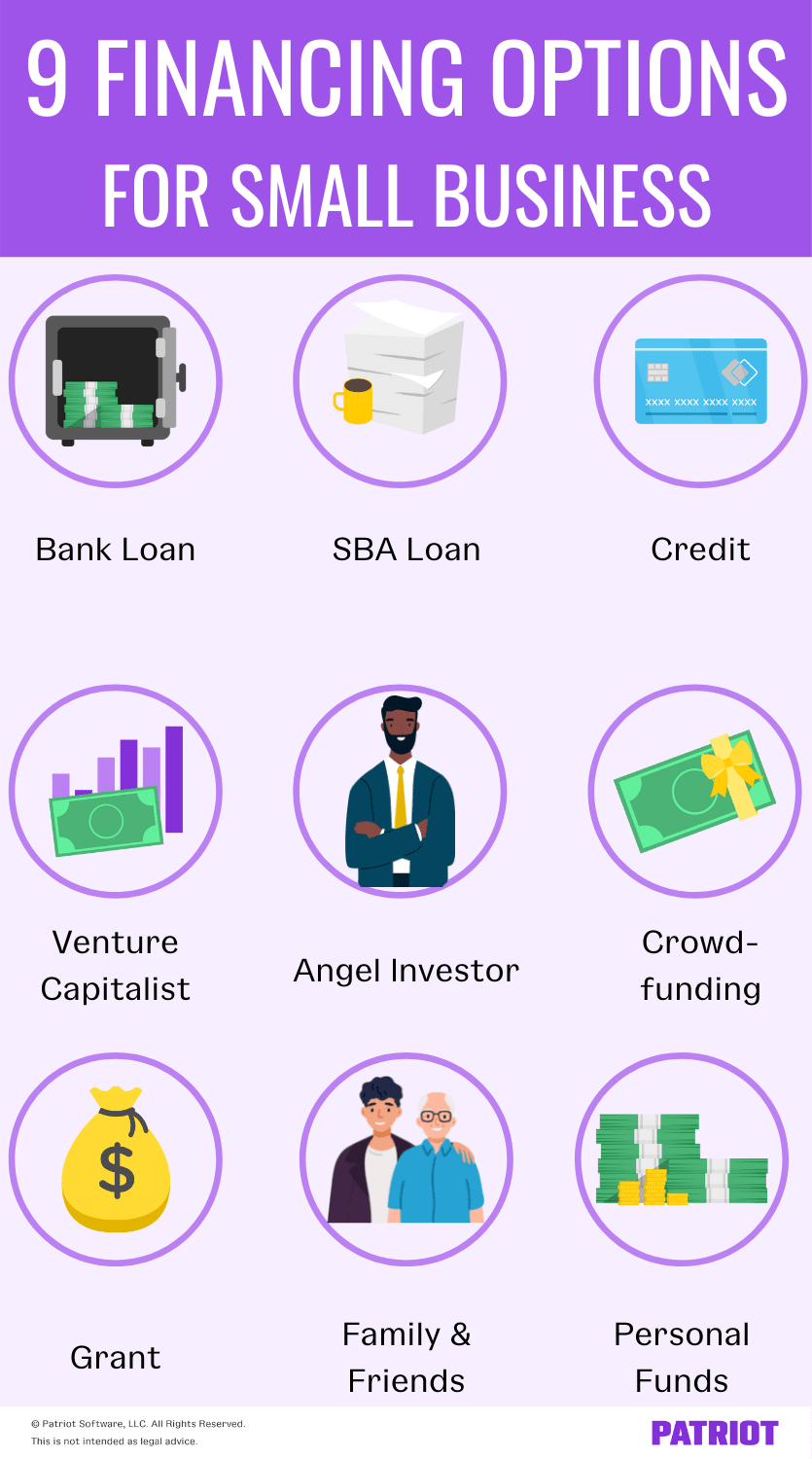
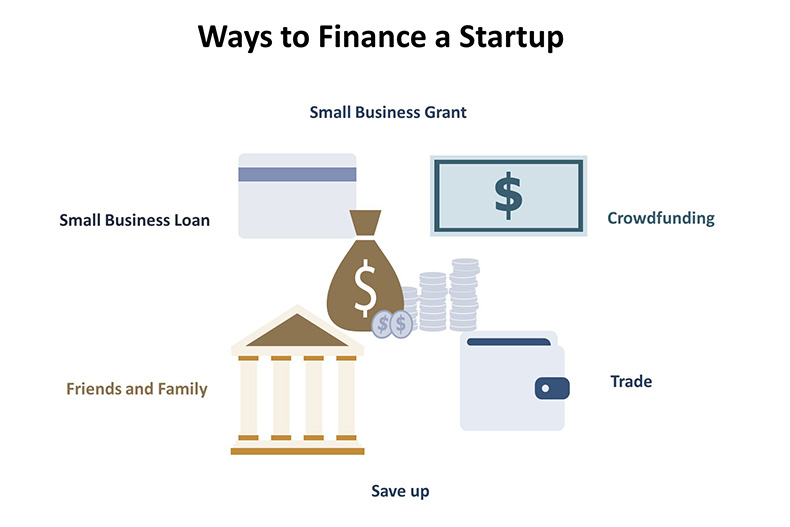
Bootstrap Financing and Self-Funding
The most fundamental form of business financing is bootstrapping, where entrepreneurs use their personal savings, initial revenue, and minimal external capital to fund operations. This approach fosters discipline, encourages lean operations, and preserves equity. Self-funding is often the initial phase before seeking external investment, proving a concept and building a track record.
Small Business Loans (SBA, Term Loans)
Traditional small business loans from banks and credit unions are a common choice. Term loans provide a lump sum with a fixed repayment schedule, suitable for specific needs like equipment purchases or expansion. The U.S. Small Business Administration (SBA) guarantees a portion of certain loans made by approved lenders, making it easier for small businesses to qualify for favorable terms, especially those that might struggle with conventional lending criteria. SBA loans can be used for working capital, real estate, equipment, or business acquisition.
Venture Capital and Angel Investors
For high-growth potential startups seeking substantial capital, venture capitalists (VCs) and angel investors become key players. Angel investors are affluent individuals who provide capital for a startup, usually in exchange for equity. Venture capital firms invest institutional money into companies they believe have significant potential for rapid growth, often in technology or innovative sectors, taking a larger equity stake and often a more active role. This type of financing is typically sought after a business has demonstrated initial traction and requires significant capital to scale.
Crowdfunding
Crowdfunding platforms allow businesses to raise capital from a large number of individuals, typically via the internet. There are different types:
- Donation-based: Individuals donate without expecting anything in return (often for social causes).
- Rewards-based: Backers receive a product or service in exchange for their contribution (common for new product launches).
- Equity-based: Investors receive a small stake in the company.
- Debt-based (P2P lending for businesses): Individuals lend money to a business with the expectation of repayment plus interest.
Crowdfunding can be an excellent way to gauge market interest, build a community, and raise capital without diluting significant equity early on.
Grants and Subsidies
Government agencies, non-profit organizations, and corporations offer grants and subsidies to businesses and individuals, often to promote specific industries, research, or public welfare initiatives. Unlike loans, grants do not need to be repaid. While highly competitive, securing a grant can provide non-dilutive capital, which is invaluable for startups and businesses engaged in research and development or socially impactful projects.
Investment Financing Strategies
Financing isn’t solely about acquiring money for consumption; it can also be a strategic tool for growing wealth through investments.
Margin Loans for Securities
Experienced investors can use margin loans to borrow money from their brokerage firm to purchase securities. This leverage can amplify returns if the investments perform well, but it also significantly magnifies losses if the market turns unfavorable. Margin loans are typically used by short-term traders or for specific arbitrage opportunities, demanding a deep understanding of market dynamics and risk management.
Real Estate Investment Financing (Mortgages, Hard Money)
Investing in real estate often requires substantial financing. Traditional mortgages are the most common route for purchasing residential or commercial properties, offering long-term repayment schedules. For more specialized or distressed properties, or for investors needing quick access to funds, hard money loans might be considered. These are short-term, asset-based loans from private lenders, typically carrying higher interest rates but offering faster approval and more flexible criteria than conventional mortgages. They are often used for flipping properties or as bridge loans.
Leveraged Investing Risks and Rewards
Leveraged investing, whether through margin loans, real estate, or other means, involves using borrowed capital to increase potential returns. The reward is higher profit if the investment appreciates significantly. However, the risk is equally potent: increased losses, potential margin calls, and the obligation to repay the loan regardless of investment performance. A thorough risk assessment, robust financial planning, and a deep understanding of the underlying assets are critical before engaging in leveraged investment strategies.
Building a Solid Financial Foundation for Future Financing
Regardless of your immediate financing needs, cultivating a strong financial foundation is the most effective long-term strategy for securing favorable terms and ensuring financial stability.
Credit Score Management
Your credit score is a numerical representation of your creditworthiness. A high score (typically above 700) is crucial for securing personal loans, mortgages, business loans, and even lower insurance premiums. Strategies for improvement include paying bills on time, keeping credit utilization low, avoiding excessive new credit applications, and regularly reviewing your credit report for errors.
Debt-to-Income Ratio Optimization
Your DTI ratio compares your total monthly debt payments to your gross monthly income. Lenders use this to assess your ability to manage monthly payments and take on additional debt. A lower DTI (ideally below 36%) signals less risk, making you a more attractive borrower. Reducing existing debt and increasing income are key ways to optimize this ratio.
Emergency Funds and Savings
Having an emergency fund—typically 3-6 months’ worth of living expenses—provides a buffer against unforeseen financial setbacks, reducing the need for high-interest, urgent financing. Regular savings habits not only build wealth but also demonstrate financial discipline, which can indirectly aid in future financing applications by improving your overall financial profile.
Professional Financial Advice
Navigating complex financing decisions can be daunting. Engaging with a financial advisor, mortgage broker, or business consultant can provide invaluable personalized guidance. These professionals can help you assess your needs, evaluate options, understand terms and conditions, and develop a comprehensive financial strategy tailored to your specific goals and risk tolerance. Their expertise can save you time, money, and potential pitfalls in the long run.
aViewFromTheCave is a participant in the Amazon Services LLC Associates Program, an affiliate advertising program designed to provide a means for sites to earn advertising fees by advertising and linking to Amazon.com. Amazon, the Amazon logo, AmazonSupply, and the AmazonSupply logo are trademarks of Amazon.com, Inc. or its affiliates. As an Amazon Associate we earn affiliate commissions from qualifying purchases.