
The journey to homeownership is often described as a quintessential American dream, representing stability, a personal haven, and a significant long-term investment. However, turning that dream into a tangible reality primarily hinges on one critical factor: financing. For many, navigating the complex world of mortgages, interest rates, down payments, and closing costs can feel like traversing a labyrinth without a map. This comprehensive guide aims to illuminate the path, demystifying the process of financing a house and empowering prospective homeowners with the knowledge and strategies needed to secure their ideal property. From understanding the core financial mechanics to selecting the right loan product and managing your mortgage post-purchase, we will explore every essential facet of this pivotal financial undertaking.
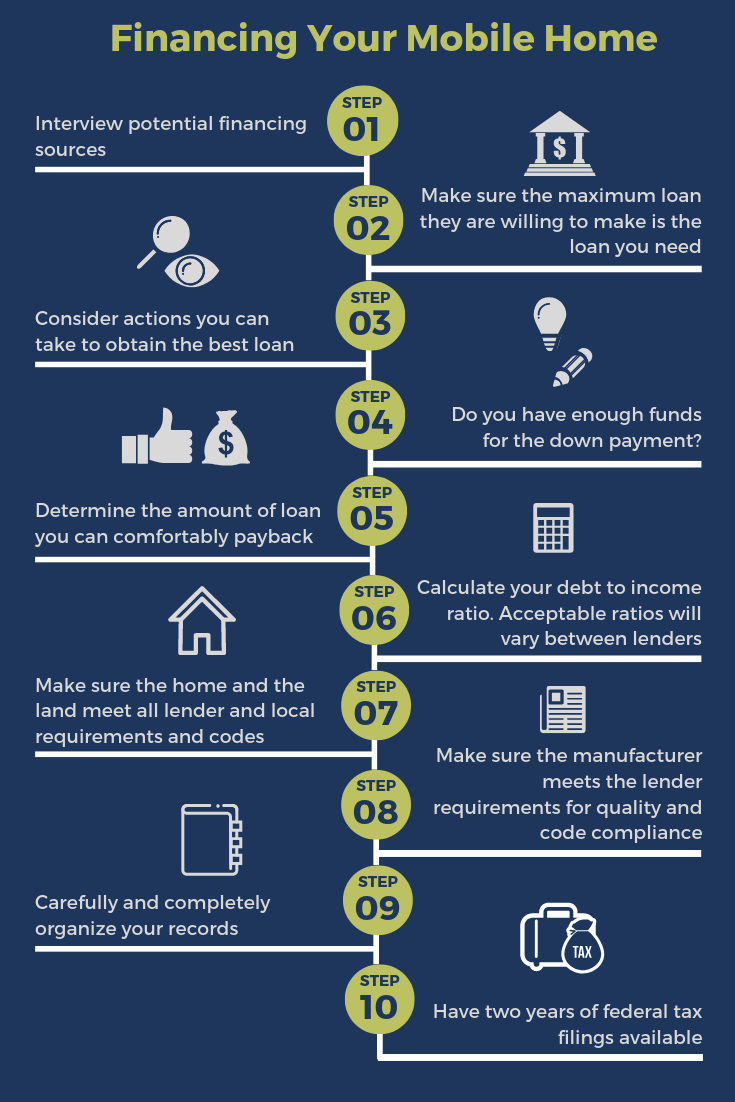
Understanding the Home Financing Landscape
Before diving into the specifics of loan applications and financial prerequisites, it’s crucial to grasp the broader ecosystem of home financing. This understanding provides context and helps you approach the process with clarity and confidence.
The Dream of Homeownership: More Than Just Four Walls
For many, a house is more than just a place to live; it’s a foundation for family, a community hub, and a significant asset that can appreciate over time. Homeownership offers a sense of permanence and the freedom to customize your living space, alongside potential tax benefits and wealth accumulation. However, it also comes with substantial financial responsibilities, making a well-thought-out financing strategy paramount. Recognizing both the emotional and financial implications of buying a home sets the stage for a diligent and informed approach to financing.
Key Players in the Financing Process
Financing a house is rarely a solitary endeavor. You’ll interact with several professionals, each playing a distinct role in guiding you toward homeownership.
- Lenders (Banks, Credit Unions, Mortgage Companies): These are the institutions that provide the funds for your mortgage. They assess your financial health, offer various loan products, and ultimately approve or deny your application. Different lenders may offer different rates, fees, and customer service experiences, making comparison shopping essential.
- Mortgage Brokers: Unlike lenders, brokers act as intermediaries. They work with multiple lenders to help you find the best loan product and terms that suit your financial situation. While they can simplify the search, they also charge fees for their services, which should be factored into your overall costs.
- Real Estate Agents: While not directly involved in lending, real estate agents are crucial for finding the right property and negotiating the purchase price. Their knowledge of the market can indirectly impact your financing by helping you secure a home within your budget.
- Appraisers: These professionals independently assess the market value of the home you intend to purchase, ensuring it’s commensurate with the loan amount.
- Underwriters: These are the individuals at the lending institution who critically review your application, documents, and the property appraisal to determine the risk involved in lending to you.
Essential Terminology: Demystifying Mortgages
The world of home financing is rife with specialized terms that can be intimidating. Familiarizing yourself with key concepts will empower you to understand loan offers and make informed decisions.
- Mortgage: A loan used to purchase a home, where the property itself serves as collateral.
- Principal: The original amount of money borrowed, excluding interest.
- Interest Rate: The cost of borrowing money, expressed as a percentage of the principal. This significantly impacts your monthly payments and the total cost of the loan over its lifetime.
- Amortization: The process of paying off a debt over time through regular principal and interest payments. Early payments are mostly interest, while later payments are mostly principal.
- Down Payment: An upfront payment made by the buyer to reduce the amount borrowed. A larger down payment can lead to lower monthly payments and better interest rates.
- Closing Costs: Various fees and expenses beyond the down payment incurred at the closing of a real estate transaction. These can include appraisal fees, loan origination fees, title insurance, and more, typically ranging from 2% to 5% of the loan amount.
- Escrow: An account held by a third party (often the lender) to pay property taxes and homeowner’s insurance premiums on behalf of the homeowner.
- Private Mortgage Insurance (PMI): Insurance required by lenders for conventional loans when the down payment is less than 20% of the home’s purchase price. It protects the lender in case you default on your mortgage.
Preparing for Home Financing: Laying the Foundation
Before you even start looking at houses or speaking to lenders, a thorough financial self-assessment is essential. Preparing your finances effectively will not only improve your chances of loan approval but can also secure you better terms and save you money over the long run.
Assessing Your Financial Readiness
A critical first step is to gain a clear picture of your current financial standing. Lenders will scrutinize various aspects of your financial life to determine your eligibility and the risk they would undertake by lending to you.
- Budgeting and Income Stability: Evaluate your monthly income versus your expenses. Lenders look for stable income, typically from full-time employment, and a consistent track record. Understand how much you can comfortably afford for a monthly mortgage payment, including principal, interest, taxes, and insurance (PITI).
- Debt-to-Income (DTI) Ratio: This crucial metric compares your total monthly debt payments (including the prospective mortgage payment) to your gross monthly income. Most lenders prefer a DTI ratio of 36% or less, though some programs allow up to 43% or even higher. A lower DTI indicates you have more disposable income to manage your mortgage.
- Emergency Savings: Beyond your down payment and closing costs, having an emergency fund (typically 3-6 months of living expenses) is vital. It provides a financial cushion against unexpected events, such as job loss or significant home repairs, preventing mortgage default.
Building a Strong Credit Profile
Your credit score and credit history are paramount in the financing process. A strong credit profile signals to lenders that you are a responsible borrower, increasing your chances of approval and qualifying for lower interest rates.
- Review Your Credit Reports: Obtain free copies of your credit reports from the three major bureaus (Equifax, Experian, TransUnion) via AnnualCreditReport.com. Check for any errors or inaccuracies that could negatively impact your score and dispute them immediately.
- Improve Your Credit Score: Pay all bills on time, keep credit card balances low (ideally below 30% utilization), avoid opening new lines of credit unnecessarily, and refrain from closing old, established accounts. A good to excellent credit score (typically 670 and above) is generally required for competitive mortgage rates.
- Understand Credit Score Factors: Payment history, amounts owed, length of credit history, new credit, and credit mix all contribute to your score. Focusing on these areas can lead to significant improvements.
Saving for a Down Payment and Closing Costs
The two largest upfront costs associated with buying a home are the down payment and closing costs. Planning for these expenses early is critical.
- Down Payment: While a 20% down payment is ideal for conventional loans to avoid PMI, many programs allow for much lower down payments (e.g., FHA loans at 3.5%, VA loans at 0%). However, a smaller down payment means a larger loan and potentially higher monthly payments and interest over the loan term.
- Closing Costs: These can add up quickly. Be prepared to pay 2-5% of the loan amount in various fees. Ask your lender for an estimate of closing costs early in the process. Some sellers may agree to contribute to closing costs, depending on market conditions.
- Saving Strategies: Consider automated savings transfers, dedicating windfalls (bonuses, tax refunds), or even temporary side hustles to accelerate your savings. Explore down payment assistance programs, especially if you’re a first-time homebuyer or meet specific income criteria.
Pre-Approval vs. Pre-Qualification: What’s the Difference?
These terms are often used interchangeably but have distinct meanings and implications in the home buying process.
- Pre-Qualification: This is a preliminary assessment based on self-reported financial information. It gives you an estimate of how much you might be able to borrow. It’s a useful starting point but not a guarantee of a loan.
- Pre-Approval: This is a much more robust evaluation where a lender verifies your financial information (credit, income, assets). Upon approval, they issue a letter stating the maximum loan amount they are willing to lend you. A pre-approval letter makes you a more serious and attractive buyer to sellers, as it demonstrates your financial capability. Obtaining a pre-approval early is highly recommended.
Exploring Mortgage Options and Loan Types
The mortgage market offers a diverse array of loan products, each with unique features, eligibility requirements, and advantages. Understanding these options is crucial for selecting the financing that best aligns with your financial goals and risk tolerance.
Conventional Loans: The Standard Choice
Conventional loans are the most common type of mortgage, offered by private lenders without government backing.
- Features: They typically require good credit scores (usually 620+) and often prefer a down payment of at least 20% to avoid Private Mortgage Insurance (PMI). However, conventional loans with lower down payments (as low as 3%) are available, though they will require PMI.
- Advantages: Generally offer competitive interest rates, flexible terms (10, 15, 20, 30 years), and the ability to cancel PMI once you reach 20% equity.
- Considerations: Stricter credit and debt-to-income requirements compared to government-backed loans.
Government-Backed Loans: Tailored Support
These loans are insured or guaranteed by government agencies, making them more accessible to a broader range of borrowers, particularly those with less-than-perfect credit or lower down payments.
- FHA Loans: Insured by the Federal Housing Administration, these loans are popular among first-time homebuyers. They allow for down payments as low as 3.5% and have more lenient credit requirements (typically 580+). However, they require both an upfront and annual Mortgage Insurance Premium (MIP), which often lasts for the life of the loan.
- VA Loans: Guaranteed by the U.S. Department of Veterans Affairs, these are an incredible benefit for eligible veterans, active-duty service members, and some surviving spouses. They typically require no down payment, no PMI, and often have lower interest rates. Eligibility depends on service history.
- USDA Loans: Backed by the U.S. Department of Agriculture, these loans are designed for low-to-moderate-income individuals purchasing homes in eligible rural and suburban areas. They often require no down payment and offer competitive interest rates, but income and property location restrictions apply.
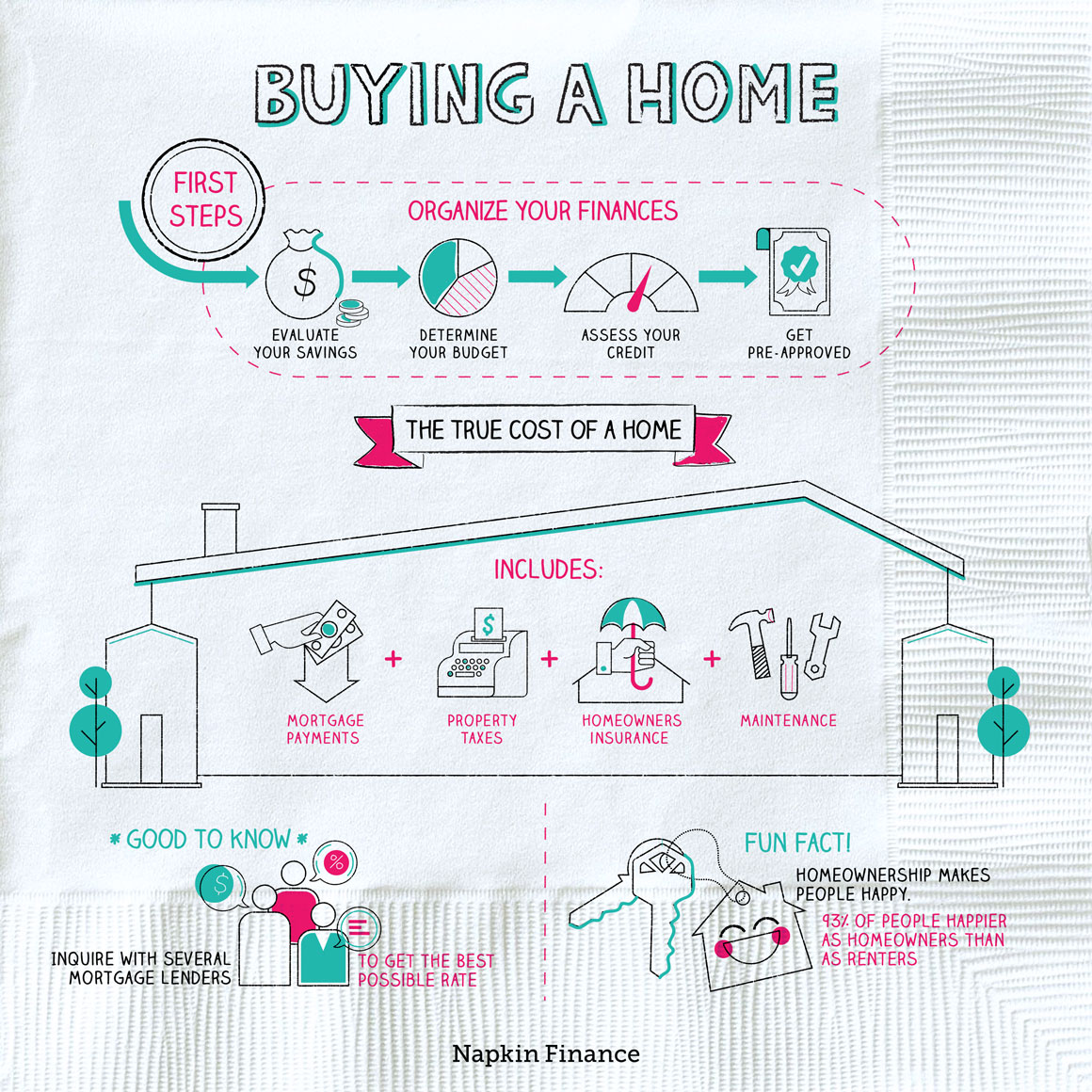
Adjustable-Rate vs. Fixed-Rate Mortgages: Weighing Risk and Stability
The choice between a fixed-rate and adjustable-rate mortgage (ARM) significantly impacts your financial predictability and long-term costs.
- Fixed-Rate Mortgage: The interest rate remains the same for the entire loan term, providing predictable monthly principal and interest payments. This stability makes budgeting easier and protects you from rising interest rates. Most common terms are 15-year and 30-year fixed.
- Adjustable-Rate Mortgage (ARM): The interest rate is fixed for an initial period (e.g., 3, 5, 7, or 10 years) and then adjusts periodically based on a market index. ARMs typically start with lower interest rates than fixed-rate mortgages, making them attractive for those who plan to sell or refinance before the fixed period ends. However, the interest rate (and thus your monthly payment) can increase significantly after the initial period, introducing payment uncertainty.
Specialized Loan Programs and First-Time Homebuyer Incentives
Beyond the main categories, various niche programs exist to assist specific groups of borrowers or promote homeownership.
- Jumbo Loans: For loan amounts exceeding conventional limits, these are non-conforming loans for high-value properties.
- Interest-Only Mortgages: Allow borrowers to pay only the interest for a set period, resulting in lower initial payments but no principal reduction during that time.
- Balloon Mortgages: Feature low payments for a short period, followed by one large “balloon” payment to pay off the remaining principal.
- First-Time Homebuyer Programs: Many states, counties, and non-profit organizations offer grants, low-interest loans, or tax credits specifically for first-time buyers, often in conjunction with FHA, VA, or USDA loans. These can significantly reduce upfront costs.
Navigating the Application and Closing Process
Once you’ve prepared your finances and explored loan options, the next stage involves formal application, securing your loan, and ultimately closing on your new home. This phase is characterized by extensive documentation and careful review.
Gathering Required Documentation
Lenders require a comprehensive set of documents to verify your financial information. Being organized and providing these promptly can expedite the process.
- Proof of Income: Pay stubs (last 30-60 days), W-2 forms (last two years), and federal tax returns (last two years). If self-employed, two years of personal and business tax returns, and profit & loss statements.
- Proof of Assets: Bank statements (last 60 days) for checking and savings accounts, investment account statements, and documentation for any large deposits.
- Credit History: Lenders will pull your credit report, but having reviewed yours beforehand helps you understand potential issues.
- Personal Identification: Government-issued ID (driver’s license, passport) and Social Security card.
- Property-Related Documents: Purchase agreement, appraisal report, and homeowner’s insurance policy details.
Understanding Interest Rates and Fees
Interest rates and various fees directly impact the total cost of your mortgage. It’s crucial to understand how they are determined and what you’re paying for.
- Factors Affecting Interest Rates: Your credit score, debt-to-income ratio, loan type, loan term, down payment size, and current market conditions all influence the interest rate you receive.
- Loan Estimates (LE): Once you apply for a mortgage, lenders are legally required to provide a Loan Estimate within three business days. This document details your estimated interest rate, monthly payment, closing costs, and other loan terms. It’s a critical tool for comparing offers from different lenders.
- Origination Fees: Charged by the lender for processing your loan application, typically 0.5% to 1% of the loan amount.
- Discount Points: Optional fees paid upfront to reduce your interest rate. One “point” typically equals 1% of the loan amount.
- Other Fees: Appraisal fee, credit report fee, title insurance, attorney fees, recording fees, and taxes.
The Underwriting Stage: What Lenders Look For
After you submit your application and documents, your loan moves into the underwriting phase. The underwriter’s job is to assess the risk of lending to you and ensure all documentation meets lender and program guidelines.
- Income Stability and Verification: Confirming your employment history and that your income is stable and sufficient to cover the mortgage.
- Creditworthiness: A deep dive into your credit report for any red flags, payment history, and overall debt management.
- Asset Verification: Ensuring you have sufficient funds for the down payment, closing costs, and required reserves, and that the source of these funds is legitimate.
- Property Assessment: Reviewing the appraisal to ensure the home’s value supports the loan amount, and checking for any major issues that could affect its marketability.
- Debt Review: A thorough analysis of your DTI ratio and other financial obligations.
The Closing: Finalizing Your Home Purchase
The closing is the culmination of the financing process, where all parties sign the necessary documents to transfer ownership and finalize the loan.
- Closing Disclosure (CD): You’ll receive this document at least three business days before closing. It details the final loan terms, projected monthly payments, and all closing costs. Compare it carefully to your initial Loan Estimate.
- Reviewing Documents: Take your time to read all documents thoroughly before signing. If anything is unclear, ask questions. Key documents include the promissory note (your promise to repay), the mortgage or deed of trust (the lender’s claim on the property), and the closing disclosure.
- Funds Transfer: You will typically need to bring a certified check or wire transfer for the remaining down payment and closing costs.
- Keys and Ownership: Once all documents are signed, funds are disbursed, and the deed is recorded, you officially become the homeowner and receive your keys!
Post-Financing: Managing Your Mortgage and Investment
Financing a house is not a one-time event; it’s the beginning of a long-term financial commitment. Effective mortgage management and strategic planning can optimize your investment and build lasting wealth.
Strategies for Early Mortgage Payoff
While a 30-year mortgage offers lower monthly payments, paying it off sooner can save you tens or even hundreds of thousands of dollars in interest over the loan term.
- Bi-Weekly Payments: By paying half of your monthly payment every two weeks, you’ll make one extra full payment per year, significantly shortening your loan term.
- Making Extra Principal Payments: Even small, consistent extra payments directly to the principal can have a substantial impact. Designate tax refunds, bonuses, or other windfalls specifically for principal reduction.
- Refinancing to a Shorter Term: If interest rates drop or your financial situation improves, refinancing from a 30-year to a 15-year mortgage can save a lot in interest, though it will increase your monthly payments.
Refinancing Options: When and Why to Consider
Refinancing involves replacing your existing mortgage with a new one, often to secure a better interest rate or change loan terms.
- Lower Interest Rates: If market rates have dropped significantly since you originated your mortgage, refinancing can reduce your monthly payments and total interest paid.
- Changing Loan Term: You might refinance from a 30-year to a 15-year to pay off your home faster, or from a 15-year to a 30-year to lower monthly payments if facing financial strain.
- Switching from ARM to Fixed-Rate: If you have an adjustable-rate mortgage and fear rising interest rates, refinancing to a fixed-rate loan can provide stability.
- Cash-Out Refinance: Allows you to borrow more than you owe on your current mortgage, taking the difference out in cash. This can be used for home improvements, debt consolidation, or other large expenses, but it increases your mortgage debt.
Protecting Your Investment: Insurance and Maintenance
Owning a home comes with ongoing responsibilities that protect your significant financial investment.
- Homeowner’s Insurance: Mandatory for most mortgages, this insurance protects your home and possessions against perils like fire, theft, and natural disasters. Shop around for competitive rates and adequate coverage.
- Property Taxes: These are recurring costs assessed by local governments, typically paid through your escrow account. Taxes can increase over time, so factor this into your long-term budget.
- Regular Maintenance: Proactive maintenance (HVAC servicing, roof inspection, plumbing checks, yard work) can prevent costly repairs down the line and preserve your home’s value. Budget for annual maintenance costs and occasional large repairs.

Leveraging Home Equity: HELOCs and Home Equity Loans
As you pay down your mortgage and your home’s value potentially appreciates, you build equity—the portion of your home you own outright. This equity can be a valuable financial tool.
- Home Equity Loan: A lump-sum loan secured by the equity in your home. It has a fixed interest rate and fixed repayment schedule, similar to a second mortgage.
- Home Equity Line of Credit (HELOC): A revolving line of credit that allows you to borrow money as needed, up to a certain limit, using your home equity as collateral. Interest rates are typically variable, and you only pay interest on the amount you borrow.
- Uses of Equity: Home improvements (which can further increase home value), consolidating high-interest debt, or funding education are common uses. However, remember that your home serves as collateral, so defaulting on these loans can put your home at risk.
Financing a house is a monumental financial undertaking, but with careful planning, diligent research, and a clear understanding of the process, it becomes an achievable goal. By mastering the fundamentals of credit, debt, loan types, and post-purchase management, you can confidently navigate the path to homeownership and build a solid financial foundation for your future.
aViewFromTheCave is a participant in the Amazon Services LLC Associates Program, an affiliate advertising program designed to provide a means for sites to earn advertising fees by advertising and linking to Amazon.com. Amazon, the Amazon logo, AmazonSupply, and the AmazonSupply logo are trademarks of Amazon.com, Inc. or its affiliates. As an Amazon Associate we earn affiliate commissions from qualifying purchases.