
Tax season is often greeted with a mixture of anxiety and procrastination. For many, the complexities of the tax code feel like an insurmountable barrier, leading them to delegate the task to expensive professionals or commercial firms. However, taking control of your own tax filing is one of the most significant steps you can take toward total financial literacy. When you file your own taxes, you gain a transparent view of your cash flow, a deeper understanding of how the government incentivizes certain financial behaviors, and the ability to make more informed decisions regarding your investments and savings.

Filing your own taxes is no longer the manual, paper-heavy chore it once was. With the evolution of financial tools and accessible IRS resources, the process has become a manageable aspect of personal finance management. This guide will walk you through the essential components of filing your own taxes, focusing on wealth optimization and long-term financial health.
Understanding Your Tax Obligations and Documentation
The foundation of a successful tax filing experience is preparation. Before you even open a digital form, you must understand the framework of your specific financial situation. Tax law is not one-size-fits-all; it varies significantly based on your life choices, your career path, and your family structure.
Determining Your Filing Status
Your filing status is the first major decision you will make, and it dictates your tax bracket and the size of your standard deduction. The five main statuses—Single, Married Filing Jointly, Married Filing Separately, Head of Household, and Qualifying Surviving Spouse—each carry different financial implications. For instance, the “Head of Household” status often provides more favorable tax rates and a higher standard deduction than filing as “Single,” but it requires meeting specific criteria regarding dependents and household maintenance costs. Choosing the correct status is the first step in ensuring you don’t overpay the government.
Organizing Essential Financial Documents
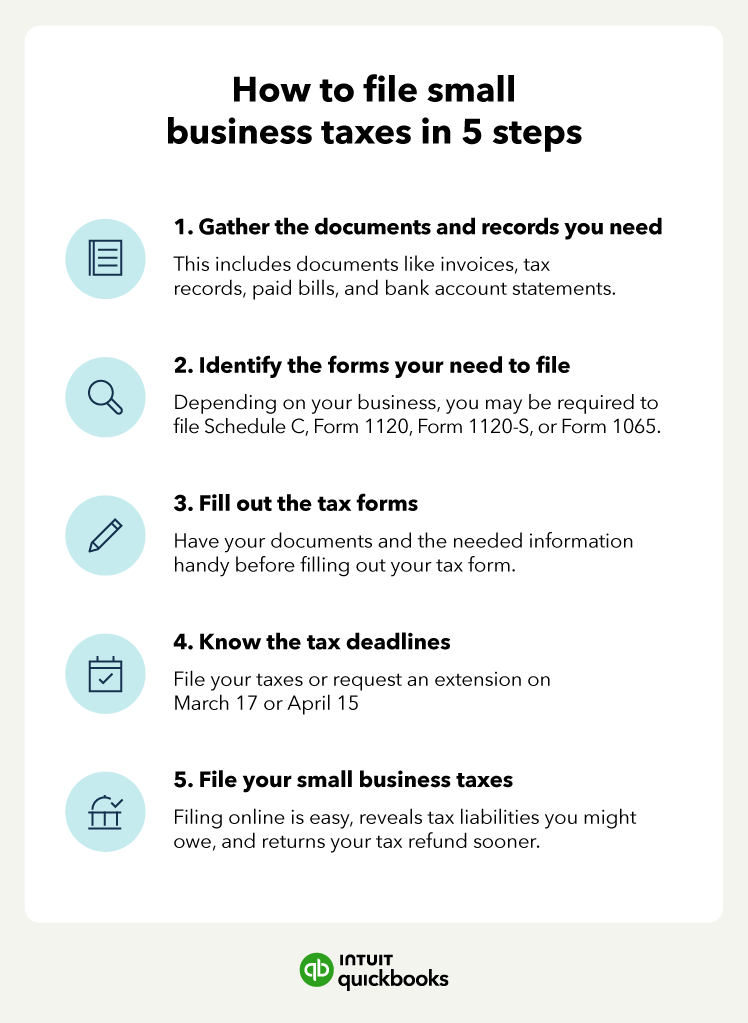
A common pitfall in DIY tax filing is the “missing form” syndrome. To avoid mid-process delays, you should gather all income-reporting documents by late January. This includes W-2s from employers, various 1099 forms (1099-INT for bank interest, 1099-DIV for dividends, and 1099-NEC for freelance income), and 1098 forms for mortgage interest or student loan interest. If you are involved in the digital economy or have a side hustle, you must also compile records of your business expenses. Digital organization—using dedicated folders or financial tracking apps—can turn a chaotic week of searching for receipts into a streamlined afternoon of data entry.
The Importance of the Tax Calendar
Financial discipline involves more than just knowing how to file; it involves knowing when. While April 15th is the traditional deadline, your financial strategy might require earlier action. For example, if you realize you owe a significant amount, filing early gives you time to arrange payment before interest accrues. Furthermore, for those who are self-employed, the tax “season” is actually year-round, requiring quarterly estimated payments to avoid underpayment penalties. Understanding these timelines is crucial for maintaining a healthy credit score and avoiding unnecessary financial leakage in the form of fines.
Maximizing Wealth through Deductions and Credits
The most empowering part of filing your own taxes is the ability to hunt for “tax wins.” In the world of personal finance, a tax win is any legal method used to reduce your taxable income or your final tax bill. This is where you move from merely reporting data to actively managing your wealth.
Standard Deduction vs. Itemized Deductions
The Tax Cuts and Jobs Act significantly increased the standard deduction, making it the most common choice for taxpayers. However, the savvy individual should always run the numbers for itemizing. If your qualified expenses—such as mortgage interest, state and local taxes (SALT) up to $10,000, and charitable contributions—exceed the standard deduction threshold, itemizing will save you more money. Filing your own taxes allows you to toggle between these two options in real-time to see which path yields a lower tax liability.
Key Tax Credits for Individuals and Families
While deductions lower the amount of income you are taxed on, tax credits are even more powerful because they provide a dollar-for-dollar reduction in the actual tax you owe. Understanding the nuances of the Child Tax Credit (CTC), the Earned Income Tax Credit (EITC), and Education Credits (like the American Opportunity Tax Credit) can result in thousands of dollars back in your pocket. Because you are filing yourself, you can ensure that every eligible credit is claimed, whereas some high-volume tax prep storefronts might overlook the specific nuances of your eligibility.

Self-Employed and Freelancer Tax Benefits
If you participate in the “gig economy” or run a small business, filing your own taxes reveals the massive potential for tax savings through business deductions. You can deduct “ordinary and necessary” expenses, which might include a portion of your internet bill, home office expenses, marketing costs, and even half of your self-employment tax. By tracking these throughout the year and applying them during the filing process, you transform what looks like a heavy tax burden into a strategic advantage for your business’s bottom line.
Navigating the Filing Process: Step-by-Step
Once the documentation is ready and you understand the strategies available to you, the actual act of filing is a procedural exercise. Accuracy and honesty are the benchmarks of a successful filing, ensuring that you remain in good standing with the IRS while receiving any due refunds promptly.
Choosing the Right Filing Method
The IRS “Free File” program is a valuable resource for taxpayers with an Adjusted Gross Income (AGI) below a certain threshold, providing access to top-tier software at no cost. For those with more complex financial portfolios—such as heavy stock trading, rental properties, or foreign assets—investing in a premium tax software package or using the IRS’s Direct File system (where available) is a wise move. The goal is to use a platform that offers “error checking” and “audit flags,” which act as a digital safety net for the DIY filer.
Reporting Income Accurately
Accuracy is non-negotiable. The IRS receives copies of your W-2s and 1099s; if the numbers on your return do not match their records, it triggers an automated red flag. When filing, ensure you report all sources of income, including capital gains from selling investments or cryptocurrency. In the “Money” niche, transparency with the tax authorities is the best way to protect your long-term assets. Reporting every dollar accurately prevents future legal headaches and financial penalties that could erode your net worth.
Reviewing for Errors and Audit Prevention
Before hitting the “submit” button, a thorough review is essential. Check for simple clerical errors, such as a mistyped Social Security number or a transposed digit in your bank routing number for direct deposit. Modern filing tools often provide a summary of your return compared to the previous year. If there is a massive discrepancy in your income or deductions that you cannot explain, it is worth a second look. Most audits are triggered by simple mathematical errors or extreme outliers in deductions; by self-filing carefully, you can mitigate these risks significantly.
Strategic Financial Planning Beyond Tax Season
Filing your taxes shouldn’t be a sequestered event that you forget about as soon as the refund hits your account. Instead, the data from your tax return should serve as a diagnostic tool for your overall financial health. The insights gained during the filing process provide a roadmap for the coming year.
Adjusting Withholdings for Better Cash Flow
A common misconception in personal finance is that a large tax refund is a “gift” from the government. In reality, a refund is an interest-free loan you gave to the government throughout the year. If you receive a massive refund, it may be a sign that you are over-withholding on your W-4 form. By adjusting your withholdings, you can increase your take-home pay each month, allowing you to invest that money in high-yield savings accounts or the stock market, where it can grow for your benefit rather than sitting idle in the Treasury’s accounts.
Leveraging Retirement Accounts for Tax Efficiency
During the filing process, you might notice that your taxable income is uncomfortably high. This is the perfect time to evaluate your retirement contributions. Contributions to a traditional 401(k) or IRA are often tax-deductible, meaning they lower your taxable income for the year you contribute. Conversely, contributing to a Roth IRA or Roth 401(k) doesn’t give you a break today, but it allows for tax-free growth and withdrawals in the future. Filing your own taxes makes the impact of these decisions visible, helping you decide which vehicle is best for your current tax bracket.
Building a Long-term Tax Strategy
Wealth management is inherently tied to tax management. As you become more comfortable filing your own taxes, you will begin to see patterns. You might notice how “tax-loss harvesting”—selling losing investments to offset gains—can drastically reduce your tax bill. You might see the benefit of holding assets for more than a year to qualify for lower long-term capital gains rates. This high-level perspective is the hallmark of financial maturity. Filing your own taxes isn’t just about the current year; it’s about building a legacy of financial efficiency and intelligence.
By mastering the art of filing your own taxes, you transition from a passive observer of your financial life to an active architect of your wealth. The process demands diligence, organization, and a willingness to learn, but the rewards—saved fees, optimized returns, and profound financial clarity—are well worth the effort.
aViewFromTheCave is a participant in the Amazon Services LLC Associates Program, an affiliate advertising program designed to provide a means for sites to earn advertising fees by advertising and linking to Amazon.com. Amazon, the Amazon logo, AmazonSupply, and the AmazonSupply logo are trademarks of Amazon.com, Inc. or its affiliates. As an Amazon Associate we earn affiliate commissions from qualifying purchases.