
Filing taxes is an annual financial responsibility that can often feel daunting, complex, and time-consuming. For many individuals and businesses, navigating the labyrinthine rules and regulations of tax codes can lead to anxiety and potentially costly errors. This is where financial tools like TurboTax come become invaluable, transforming a potentially overwhelming process into a structured, manageable, and often empowering experience. By offering an intuitive platform, TurboTax enables millions to meet their tax obligations with greater ease, accuracy, and confidence, ultimately contributing to better personal financial management.
This guide will walk you through the process of filing taxes using TurboTax, framing it within the broader context of sound personal finance. We’ll explore not just the mechanics of using the software, but also the financial considerations and strategies that underpin successful tax preparation and planning.

Understanding Your Tax Obligations and TurboTax’s Role
Before diving into the mechanics of any financial tool, it’s crucial to grasp the fundamental importance of tax filing and how a platform like TurboTax serves as an essential aid in this critical personal finance activity.
The Importance of Timely and Accurate Tax Filing
Tax filing is more than just an annual chore; it’s a fundamental pillar of personal financial integrity and civic duty. Timely and accurate submission of your tax return ensures compliance with federal and state laws, preventing penalties, interest charges, and potential legal issues. Beyond compliance, your tax return often serves as a foundational document for various financial endeavors, from applying for loans and mortgages to qualifying for government assistance programs. It’s a snapshot of your financial health, reflecting your income, expenses, and overall economic activity for the year. Neglecting this responsibility can have severe long-term financial repercussions, underscoring the necessity of approaching it with diligence and precision.
Why Consider a Financial Tool Like TurboTax?
In an era of increasingly complex tax codes and diverse income streams, traditional manual tax preparation can be prone to human error and inefficiency. TurboTax emerges as a leading financial tool designed to simplify this intricate process. Its primary value lies in its ability to translate convoluted tax laws into an easily digestible, question-and-answer format. This user-friendly interface guides you through each section, prompting for necessary financial information and calculating your tax liability or refund automatically. For individuals who may not have the budget for a professional tax accountant or the expertise to navigate tax forms themselves, TurboTax offers an affordable and accessible alternative. It acts as a digital financial assistant, helping you identify potential deductions and credits you might otherwise overlook, thereby optimizing your financial outcome.
Key Information Needed Before You Begin
To ensure a smooth and accurate filing process, gathering all pertinent financial documents before you even open TurboTax is paramount. Think of this as laying the groundwork for a solid financial report. Essential documents typically include:
- Income Statements: W-2 forms (for employees), 1099 forms (for independent contractors, investment income, retirement distributions, etc.), and any other statements detailing earned income.
- Deductions and Credits: Receipts and records for eligible deductions such as student loan interest, medical expenses, charitable contributions, mortgage interest (Form 1098), and education expenses.
- Prior Year Information: Your adjusted gross income (AGI) from the previous year’s return is often required for identity verification when e-filing.
- Personal Information: Social Security numbers for yourself, your spouse, and any dependents.
- Bank Account Information: For direct deposit of refunds or direct debit of taxes due.
Organizing these documents beforehand will not only save time but also reduce stress and minimize the chance of errors, laying a strong foundation for an accurate financial declaration.
Navigating the TurboTax Platform for Efficient Filing
Once your financial documents are organized, TurboTax provides a guided path to input this information, ensuring that every financial detail is accounted for.
Choosing the Right TurboTax Version for Your Financial Situation
TurboTax offers various product versions tailored to different financial complexities. Selecting the appropriate version is a crucial initial step to avoid overpaying for features you don’t need or, conversely, lacking necessary functionalities.
- TurboTax Free Edition: Ideal for simple returns, typically those with W-2 income, limited interest/dividend income, and the standard deduction.
- TurboTax Deluxe: Best for homeowners, those with significant deductions, or who need to itemize.
- TurboTax Premier: Geared towards individuals with investments (stocks, bonds, mutual funds) and rental properties.
- TurboTax Self-Employed: Designed for freelancers, independent contractors, small business owners, and those with significant self-employment income and expenses.
Carefully assessing your financial situation—your income sources, investments, deductions, and business activities—will guide you to the version that best suits your needs, ensuring you leverage the optimal financial tool for your specific circumstances.
Step-by-Step Data Entry: Income, Deductions, and Credits
TurboTax’s strength lies in its ability to break down the complex tax filing process into manageable steps. The platform uses a question-and-answer format to guide you through entering all your financial data:
- Personal Information: Start by entering basic details for yourself, your spouse, and dependents.
- Income: TurboTax will prompt you to enter information from your W-2s, 1099s, and other income statements. Many financial institutions allow direct import of these forms into TurboTax, streamlining the process and reducing data entry errors.
- Deductions and Credits: This is where careful record-keeping pays off. TurboTax asks about common deductions like student loan interest, health savings account contributions, and charitable donations. It also helps you identify applicable credits such as the Child Tax Credit, Earned Income Tax Credit, or education credits, which can directly reduce your tax liability. The software’s intuitive design aims to maximize these financial benefits based on your input.
- Review and Optimization: As you enter data, TurboTax continuously updates your estimated refund or tax due, providing real-time financial insight.
Leveraging Smart Features for Financial Optimization
TurboTax incorporates several smart features designed to enhance accuracy and financial optimization:
- Data Import: Connect directly to banks and payroll providers to automatically import W-2 and 1099 forms, reducing manual entry errors and saving time. This digital bridge between your financial accounts and your tax return is a significant efficiency boost.
- Error Check: Before finalizing your return, TurboTax runs a comprehensive check for common errors, missing information, and potential audit triggers. This vital step helps prevent costly mistakes and ensures the integrity of your financial submission.
- Audit Risk Meter: Some versions offer an audit risk meter that analyzes your return for red flags, providing insights and advice on how to strengthen your financial position should the IRS inquire.
- “What If” Scenarios: Explore different tax scenarios to understand the financial impact of various decisions, aiding in future financial planning.
Financial Implications and Maximizing Your Return
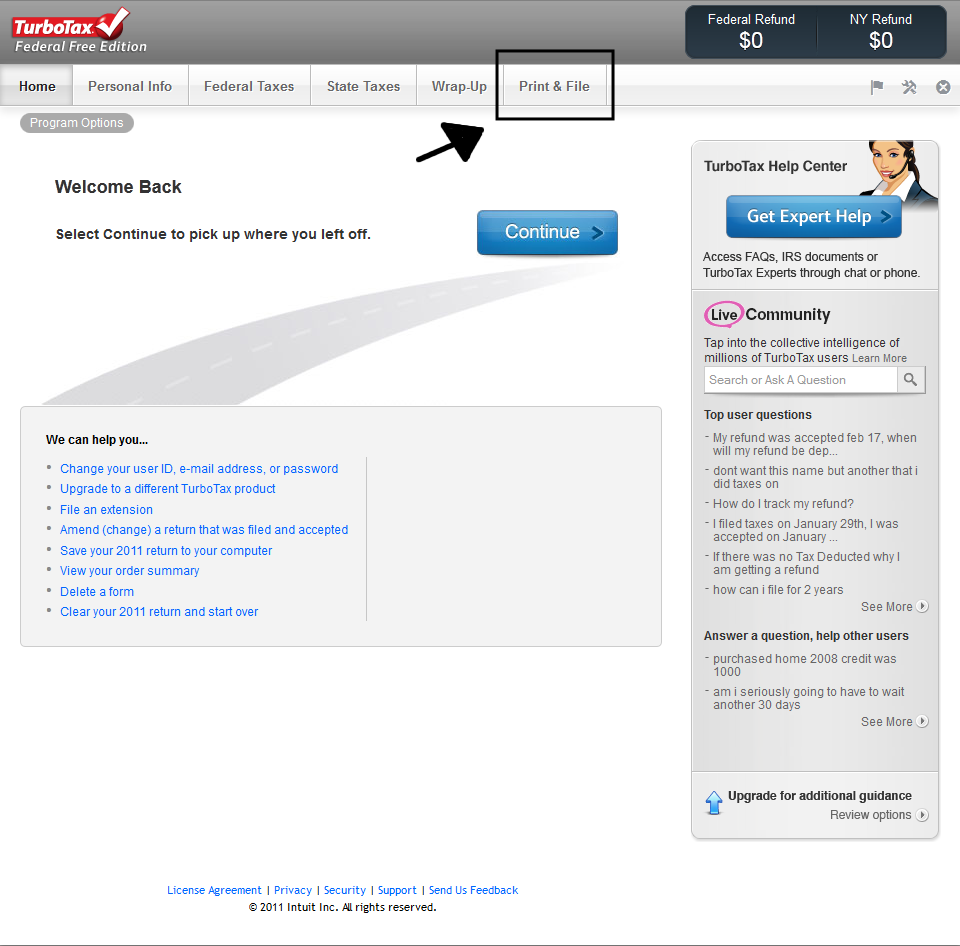
Beyond simply filling out forms, the process of filing taxes with TurboTax offers a powerful opportunity to understand and optimize your personal finances.
Understanding Your Tax Liability or Refund
Upon completing your data entry, TurboTax provides a clear summary of your financial outcome: either a tax refund due to you or a tax liability you owe. Understanding this outcome is crucial for financial planning. A refund means you overpaid taxes throughout the year, essentially providing an interest-free loan to the government. While a refund can feel like a windfall, it often indicates suboptimal tax withholding. Conversely, owing taxes means you underpaid. Both scenarios provide valuable feedback for adjusting your payroll withholdings or estimated tax payments for the upcoming year to better align with your financial goals.
Strategies for Minimizing Taxable Income Through Deductions and Credits
TurboTax excels at guiding you through potential deductions and credits, which are vital tools for minimizing your taxable income and, consequently, your tax bill.
- Deductions reduce the amount of your income subject to tax (e.g., student loan interest, traditional IRA contributions).
- Credits directly reduce the amount of tax you owe, dollar for dollar (e.g., Child Tax Credit, Earned Income Tax Credit).
The software’s prompts ensure you consider all eligible items, helping you maximize these financial benefits. Regularly reviewing your financial transactions throughout the year for potential deductions, such as business expenses for freelancers or eligible educational costs, can significantly impact your year-end tax outcome.
The Importance of Record-Keeping for Future Financial Planning
Effective record-keeping extends beyond the current tax year. Maintaining organized digital or physical copies of all tax-related documents (W-2s, 1099s, receipts for deductions, previous tax returns) is a cornerstone of robust financial planning. These records serve as a reference for future tax filings, provide evidence in case of an IRS audit, and offer a historical perspective on your financial journey. They are indispensable for setting financial goals, tracking progress, and making informed decisions about investments, retirement, and major purchases.
Finalizing and Submitting Your Return with Confidence
After meticulously entering your financial data, the final steps involve a thorough review and secure submission.
Reviewing Your Return for Financial Accuracy
Before hitting “send,” TurboTax prompts a comprehensive review of your entire return. This is your last chance to catch any discrepancies or overlooked financial details. Scrutinize all sections, especially income, deductions, and credits, comparing them against your original documents. Pay close attention to personal information like Social Security numbers and bank account details for direct deposit/debit. TurboTax’s built-in error check will flag common mistakes, but a human eye is invaluable for contextual accuracy. This final review reinforces your confidence in the financial declaration you are about to make.
E-filing vs. Mail: Making an Informed Choice
TurboTax primarily facilitates electronic filing (e-filing), which is generally the recommended method due to its speed, accuracy, and confirmation of receipt. E-filing provides immediate confirmation that the IRS has received your return, significantly reducing processing time for refunds. If you opt to mail your return, ensure all forms are signed, dated, and sent via certified mail with a return receipt for proof of submission. However, for most users, e-filing through TurboTax is the most efficient and secure option, integrating seamlessly with the platform’s financial tools.
What to Do After Filing: Post-Submission Financial Steps
Submitting your return isn’t the absolute end of the tax cycle. Several post-submission steps are crucial for maintaining good financial health:
- Keep Records: Save a copy of your filed return and all supporting documentation for at least three years (or longer for certain assets/transactions).
- Track Refund/Payment: Use the “Where’s My Refund?” tool on the IRS website or your TurboTax account to track the status of your refund. If you owe taxes, ensure your payment is made by the deadline.
- Adjust Withholdings: If you received a large refund or owed a significant amount, consider adjusting your W-4 form with your employer or modifying estimated tax payments to better match your tax liability for the upcoming year. This proactive financial adjustment helps avoid large surprises next year.
Beyond Filing: Integrating TurboTax into Your Financial Strategy
The utility of TurboTax extends beyond a once-a-year filing event. It can be a powerful component of a holistic financial strategy.
Tax Planning Throughout the Year
Effective tax planning is not an annual scramble but a year-round discipline. By understanding how your financial decisions impact your tax situation, you can make smarter choices. TurboTax, while primarily a filing tool, provides insights that can inform this continuous process. For example, if you track potential deductions throughout the year, or understand the tax implications of selling an investment, you can proactively minimize your tax burden. Consider consulting a financial advisor for complex situations, but empower yourself with the knowledge gained from using tools like TurboTax.
Understanding Potential IRS Communications
While TurboTax aims for accuracy, occasionally the IRS may have questions or send notices. Understanding that these communications are often routine requests for clarification, rather than accusations of wrongdoing, is important. Always respond promptly and provide the requested financial documentation. Your meticulously kept records, informed by the TurboTax process, will be invaluable in addressing any inquiries with confidence and clarity.
The Long-Term Benefits of Organized Financial Records
The discipline instilled by using TurboTax annually—gathering financial documents, understanding income and expenses, and maintaining records—cultivates excellent financial habits. This organization extends beyond taxes, providing a clear picture of your overall financial health. It aids in budgeting, investment decisions, retirement planning, and wealth management. Ultimately, utilizing a financial tool like TurboTax not only simplifies tax filing but also lays a robust foundation for a more secure and prosperous financial future.
aViewFromTheCave is a participant in the Amazon Services LLC Associates Program, an affiliate advertising program designed to provide a means for sites to earn advertising fees by advertising and linking to Amazon.com. Amazon, the Amazon logo, AmazonSupply, and the AmazonSupply logo are trademarks of Amazon.com, Inc. or its affiliates. As an Amazon Associate we earn affiliate commissions from qualifying purchases.