
Filing taxes online has become the standard for millions, transforming a once-dreaded annual chore into a streamlined, often intuitive process. Beyond mere convenience, leveraging digital tools for tax preparation offers significant financial advantages, from increased accuracy to faster refunds, and even access to expert guidance at a lower cost. Understanding the landscape of online tax solutions is crucial for managing personal finances effectively and ensuring compliance while maximizing your financial position.
Choosing the Right Online Filing Method for Your Financial Needs
The digital era offers a spectrum of online tax filing options, each catering to different financial situations and complexities. Selecting the appropriate method is the first critical step toward a smooth and financially optimal tax season. Your choice will depend on factors like your income level, the intricacy of your financial transactions (investments, business income, property), and your comfort level with financial software.
Understanding Direct Filing and Commercial Software
For taxpayers with straightforward financial situations, the IRS Free File program is an invaluable resource. This initiative provides eligible taxpayers access to leading commercial tax software at no cost, or allows them to use Free File Fillable Forms directly from the IRS website. Eligibility for partner software is typically based on Adjusted Gross Income (AGI), which can change annually, making it essential to check current requirements. This option is particularly beneficial for individuals and families looking to minimize expenses associated with tax preparation, ensuring more of their financial resources remain intact.
Commercial tax software, such as TurboTax, H&R Block, TaxAct, and TaxSlayer, dominates the online tax filing market. These platforms offer a range of products, from free versions for simple returns to premium tiers designed for complex financial scenarios involving investments, rental properties, or small businesses. The value proposition of commercial software lies in its user-friendly interfaces, step-by-step guidance, and robust error-checking capabilities. They often integrate with financial institutions to import data automatically, saving time and reducing data entry errors. For those with diverse income streams, deductions, or credits, the investment in a paid version can be justified by the software’s ability to identify potential savings and ensure compliance, ultimately impacting your net financial outcome. Many also offer audit support and access to tax professionals, adding a layer of security to your financial decisions.
Engaging Professional Online Tax Services
While not strictly “filing yourself,” an increasing number of taxpayers are opting for hybrid models that combine online convenience with professional expertise. Services like TurboTax Live or H&R Block Online Assist connect you directly with certified tax professionals (CPAs or Enrolled Agents) through video calls or secure messaging within the software platform. This approach is ideal for individuals who desire the accuracy and confidence that comes with professional review without the higher cost or time commitment of traditional in-person tax preparers.
For those with highly complex financial portfolios, including significant investment gains/losses, international income, or intricate business structures, engaging a dedicated online CPA firm might be the most prudent financial choice. These firms leverage secure portals for document exchange and virtual meetings, offering comprehensive tax planning and preparation services. While this route incurs a higher fee, the strategic financial advice and optimization provided by a dedicated professional can often lead to substantial savings and long-term financial benefits, far outweighing the initial cost. They can identify advanced tax strategies, ensure compliance with evolving tax laws, and assist with complex financial decisions that impact your overall wealth.
Preparing Your Financial Records for Online Filing
Effective tax preparation, whether online or offline, begins with meticulous financial record-keeping. The digital environment simplifies the input process, but the accuracy of your return hinges entirely on the completeness and correctness of the financial information you provide. A systematic approach to gathering documents not only ensures accuracy but can also uncover deductions or credits you might otherwise overlook, positively impacting your financial bottom line.
Gathering Essential Financial Documents
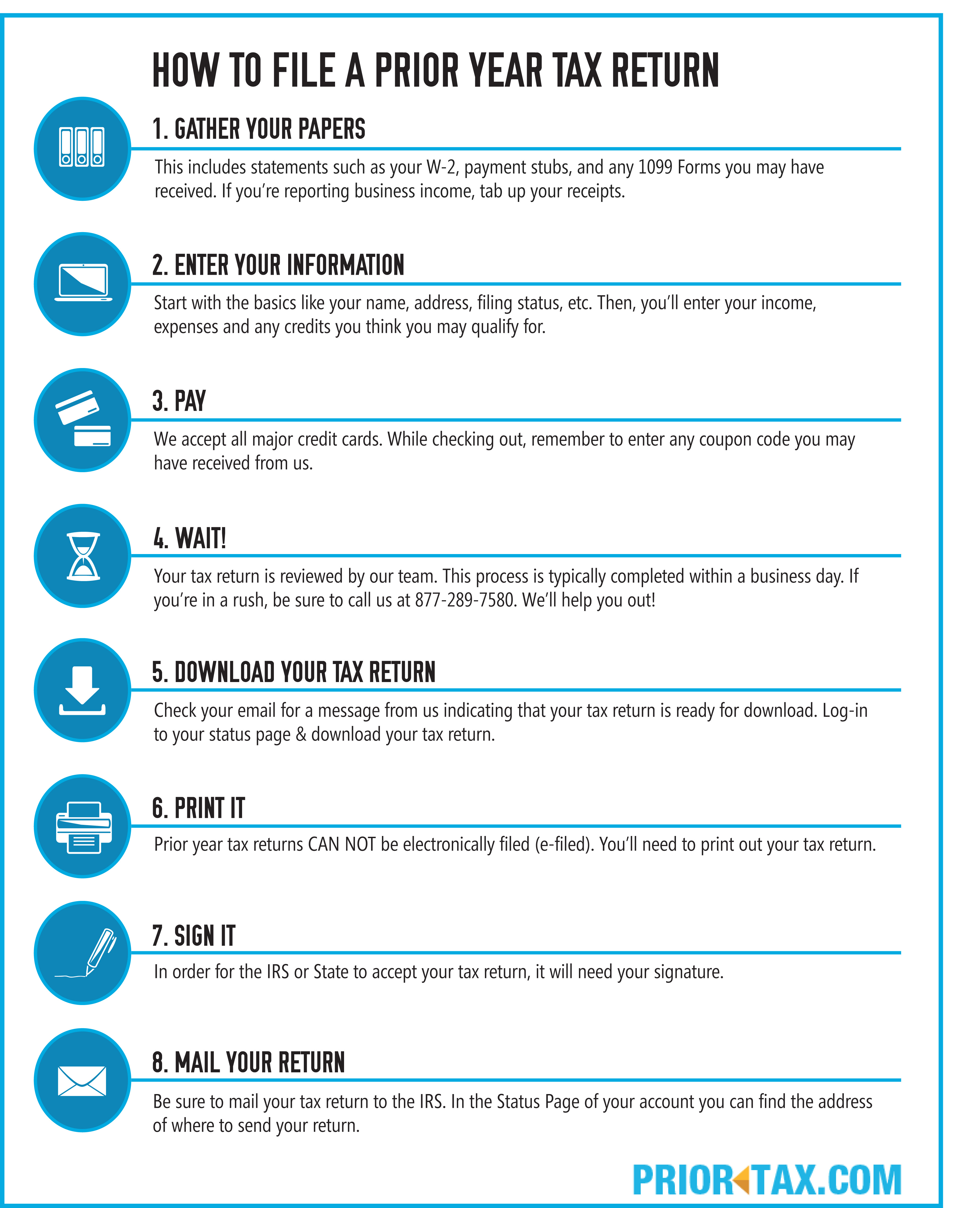
Before logging into any tax software, create a dedicated folder, either physical or digital, for all pertinent tax documents. This organized approach minimizes stress and reduces the likelihood of errors. Key financial documents typically include:
- Income Statements: W-2s from employers, 1099-NEC for nonemployee compensation, 1099-MISC for miscellaneous income, 1099-INT for interest income, 1099-DIV for dividend income, and Schedule K-1 for partnership/S-corp income. If you have online income from platforms like YouTube, Etsy, or freelancing, ensure you have records of all earnings, even if a 1099 form isn’t issued.
- Investment Records: 1099-B for proceeds from broker and barter exchange transactions, statements detailing capital gains and losses, and records of cryptocurrency transactions. Accurate reporting here is crucial for managing your investment portfolio’s tax implications.
- Deduction & Credit Documentation: This category is vital for reducing your taxable income and improving your financial outlook. Collect receipts and statements for:
- Mortgage Interest: Form 1098.
- Student Loan Interest: Form 1098-E.
- Medical Expenses: Itemized receipts from doctors, pharmacies, and insurance premiums paid out-of-pocket.
- Charitable Contributions: Receipts for cash and non-cash donations, especially for significant contributions.
- Child Care Expenses: Provider’s Employer Identification Number (EIN) or Social Security Number, and payment records.
- Educational Expenses: Form 1098-T for tuition and fees, along with records of other qualified expenses.
- Retirement Contributions: Records of contributions to IRAs or other retirement accounts that may be tax-deductible.
- Business Expenses: For self-employed individuals or gig workers, detailed records of all business-related expenses (home office, supplies, mileage, software subscriptions) are critical for minimizing taxable income.
Understanding Tax Law Changes and Financial Implications
Tax laws are not static; they evolve annually, often with significant implications for personal and business finance. Before filing, it’s wise to quickly review any major legislative changes for the current tax year. Tax software is updated to reflect these changes, but a basic understanding can help you identify new opportunities for deductions, credits, or altered income thresholds.
For instance, changes to standard deduction amounts, modifications to tax brackets, new or expired credits (like energy-efficient home improvement credits), or alterations to retirement contribution limits can all impact your financial strategy. Many financial news outlets and the IRS website itself publish summaries of key changes. Staying informed ensures you don’t miss out on financial advantages or inadvertently misreport information, which could lead to penalties.

Navigating the Online Tax Filing Process with Financial Precision
The actual act of filing taxes online is a structured process designed for clarity, but maintaining financial precision at each step is paramount. The goal is not just to submit a return, but to submit an accurate return that reflects your true financial position and optimizes your tax obligations.
Step-by-Step Data Entry and Review
Once you’ve selected your online tax software and gathered your documents, the process generally follows a logical flow:
- Account Setup & Personal Information: Begin by creating a secure account and accurately entering your personal details, including your Social Security Number (SSN) or Individual Taxpayer Identification Number (ITIN), and dependent information. Precision here prevents processing delays.
- Income Reporting: Systematically enter all your income. Most software allows you to import W-2s and 1099s directly from employers or financial institutions, which is a major time-saver and accuracy booster. For self-employment or gig economy income, you’ll manually input earnings and corresponding expenses, often guided by the software to ensure you capture all relevant deductions.
- Deductions and Credits: This is where financial optimization truly comes into play. The software will prompt you with questions to identify eligible deductions (e.g., student loan interest, HSA contributions, traditional IRA contributions) and credits (e.g., child tax credit, earned income tax credit, education credits). Be thorough and provide documentation when prompted. Understanding the difference between a deduction (reduces taxable income) and a credit (reduces tax owed dollar-for-dollar) is crucial for appreciating their financial impact.
- Review and Error Check: This is perhaps the most critical stage. Online tax software performs extensive calculations and error checks. However, a manual review of the entire return is essential. Look for:
- Misspelled Names or Incorrect SSNs: Common errors that can lead to processing delays.
- Missing Income Sources: Double-check against your gathered documents.
- Overlooked Deductions/Credits: Ensure you’ve accounted for every possible reduction.
- Bank Account Information for Refund/Payment: Verify routing and account numbers if you expect a refund or owe taxes. An incorrect number means financial delays or misdirected funds.
- State Tax Filing: If your state has an income tax, the online software will typically prepare your state return concurrently or after your federal return, often importing much of the federal data, simplifying the process.
Understanding Your Tax Liability or Refund
As you progress through the software, it will provide real-time updates on your estimated tax liability or refund. This feedback is invaluable for understanding the financial impact of each entry. Before final submission, take time to understand the summary of your return:
- Adjusted Gross Income (AGI): A key figure used to determine eligibility for many deductions and credits.
- Total Income: All your reported earnings.
- Total Deductions: The sum of all items reducing your taxable income.
- Taxable Income: The amount of income subject to tax after deductions.
- Total Tax: The calculated amount of tax you owe.
- Payments & Credits: Amounts already paid through withholding or estimated payments, plus any tax credits.
- Refund or Amount Due: The final financial outcome.
Ensure you understand why you are receiving a refund or owing money. A large refund might indicate excessive withholding, suggesting an adjustment to your W-4 could improve your cash flow throughout the year. Conversely, owing a significant amount might mean insufficient withholding or estimated tax payments, warranting a review of your financial planning.
Post-Submission Financial Management and Best Practices
Filing your taxes online isn’t merely about hitting “submit”; it’s about robust financial management that extends beyond the filing deadline. Proper post-submission practices safeguard your financial information, prepare you for future tax years, and ensure you remain compliant and financially sound.
Secure Submission and Payment/Refund Tracking
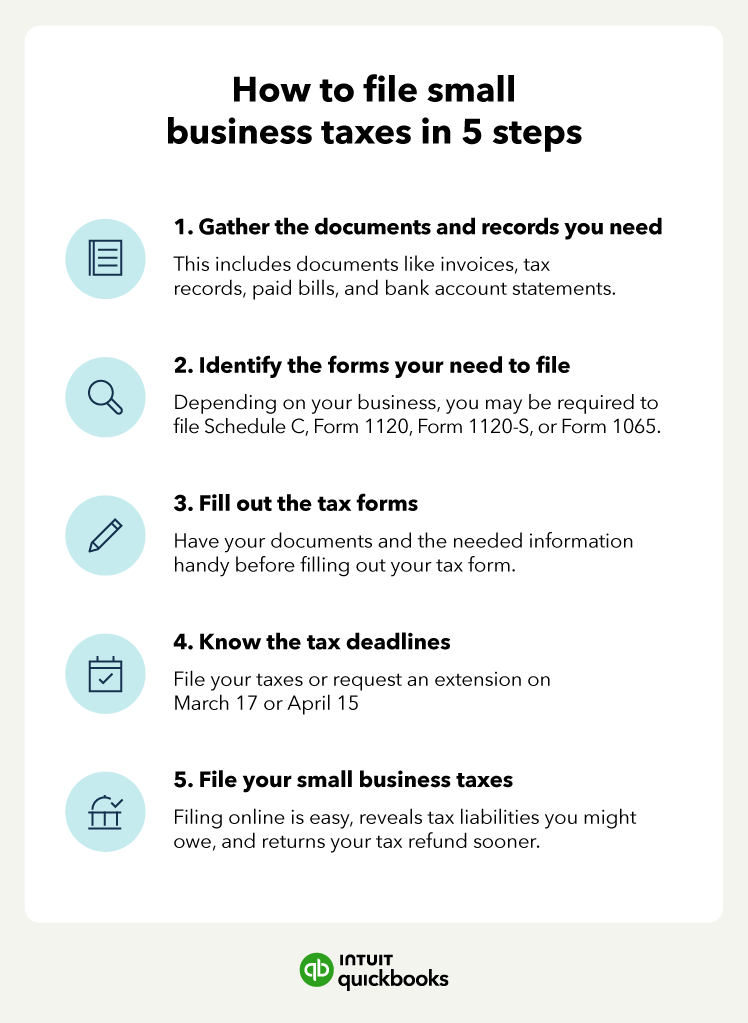
Once your return is thoroughly reviewed and you’ve addressed any financial discrepancies, electronically sign and submit it. The IRS e-file system, used by all legitimate online tax software, is highly secure. You’ll receive a confirmation email once your federal (and state, if applicable) return has been accepted. Keep these confirmations as proof of timely filing.
If you are due a refund, direct deposit is the fastest and most secure method to receive your money. Ensure your bank account details are correct. You can track the status of your federal refund using the “Where’s My Refund?” tool on the IRS website, and state tax agencies typically offer similar tools. If you owe taxes, most online software allows you to schedule an electronic payment directly from your bank account or pay via credit card (though a processing fee may apply). Scheduling your payment ensures it’s made on time, avoiding penalties. If you cannot pay the full amount due, explore payment options with the IRS, such as installment agreements, before the deadline to avoid greater financial strain.
Record Keeping and Future Financial Planning
Even though you’ve filed electronically, maintaining meticulous records is a cornerstone of sound financial management. Save a digital copy of your entire tax return (federal and state) and all supporting documents. Most tax professionals recommend keeping these records for at least three years from the date you filed your original return or two years from the date you paid the tax, whichever is later. For certain financial activities, such as real estate or significant investments, it may be prudent to retain records longer.
This practice is invaluable for several reasons:
- Audit Protection: In the unlikely event of an audit, having immediate access to your financial records makes the process significantly smoother and less stressful.
- Future Reference: Your prior year’s tax return is a critical document for applying for loans, financial aid, or even calculating the basis of investments sold in future years.
- Financial Planning: Reviewing past returns can highlight trends in your income, deductions, and credits, informing your financial planning for the upcoming year. It can help you identify areas where you might save more, invest more wisely, or adjust your withholding to optimize your cash flow. Consider adjusting your W-4 form with your employer if your tax liability was significantly off your expectations, helping you keep more of your money throughout the year.
By approaching online tax filing not just as a compliance task but as an integral part of your annual financial management, you can leverage its efficiencies to gain clarity, ensure accuracy, and ultimately strengthen your financial well-being.
aViewFromTheCave is a participant in the Amazon Services LLC Associates Program, an affiliate advertising program designed to provide a means for sites to earn advertising fees by advertising and linking to Amazon.com. Amazon, the Amazon logo, AmazonSupply, and the AmazonSupply logo are trademarks of Amazon.com, Inc. or its affiliates. As an Amazon Associate we earn affiliate commissions from qualifying purchases.