
Missing a tax deadline can feel like a heavy weight on your financial shoulders. Whether life got in the way, you didn’t have the necessary documentation at the time, or you were worried about a balance you couldn’t pay, the result is the same: a lingering “to-do” that can prevent you from achieving total financial clarity. However, one of the biggest misconceptions in personal finance is that filing back taxes is an expensive, punitive process that requires hiring a high-priced CPA.
In reality, there are several robust, high-quality methods to file previous years’ taxes for free. Getting current with the IRS is not just about compliance; it is a strategic financial move that can unlock thousands of dollars in unclaimed refunds and restore your eligibility for various financial products. This guide explores the most effective tools and strategies for navigating the world of prior-year tax preparation without spending a dime.

Understanding the Financial Implications of Back Taxes
Before diving into the “how,” it is essential to understand the “why” from a financial perspective. Filing late returns is often less about avoiding the IRS and more about reclaiming your own money. The IRS currently holds billions of dollars in unclaimed refunds because taxpayers fail to file.
The Three-Year Refund Window
From a personal finance standpoint, time is literally money when it comes to back taxes. The IRS generally allows a three-year window to claim a refund. If you do not file a return within three years of its original due date, that money becomes the property of the U.S. Treasury. For example, to claim a refund for the 2020 tax year, you generally must have filed by the tax deadline in 2024. Understanding this window is crucial for prioritizing which years to file first.
Avoiding the Substitute for Return (SFR)
If you do not file, the IRS may eventually file a “Substitute for Return” (SFR) on your behalf. This is rarely in your financial interest. When the IRS files an SFR, they use information from your employers and banks but do not include any deductions, credits, or exemptions you might be entitled to. This usually results in a much higher tax bill than if you had filed yourself. Filing your own return, even late, allows you to replace the SFR with an accurate assessment of your financial situation.
Free Tools and Resources for Late Filers
The tax preparation industry is vast, but you don’t need to pay for premium software to handle previous years. Several programs and platforms are designed specifically to help low-to-moderate-income earners and those with straightforward tax situations.
IRS Free File and Fillable Forms
While the primary IRS Free File program (which partners with brand-name software) is usually focused on the current tax year, the IRS provides “Prior Year Products” through their website. You can access every form, instruction booklet, and schedule from previous years in PDF format. While this requires a more manual approach, it is the most direct way to ensure your filing is accurate and free of charge. For those comfortable with financial documents, using the IRS’s own archives is the gold standard for zero-cost filing.
The VITA and TCE Programs
The Volunteer Income Tax Assistance (VITA) program offers free tax help to people who generally make $64,000 or less, persons with disabilities, and limited English-speaking taxpayers. Similarly, the Tax Counseling for the Elderly (TCE) program offers free tax help for all taxpayers, particularly those aged 60 and older. These programs are staffed by IRS-certified volunteers who can often assist with prior-year returns. This provides the benefit of professional oversight without the professional price tag.
FreeTaxUSA and Other Value Providers
In the world of online financial tools, FreeTaxUSA has built a strong reputation for allowing users to file prior-year federal returns for free (though they may charge a small fee for state returns). Unlike many major competitors who hide their prior-year software behind a paywall, these types of platforms allow you to input data from years as far back as 2015. Using an automated tool is often safer than manual filing, as the software calculates the math and ensures you are using the correct tax laws for that specific year.
The Step-by-Step Process for Filing Prior-Year Returns
Filing late requires a slightly different logistical approach than filing in April. The most significant difference is that the IRS generally does not allow individuals to e-file prior-year returns; they must be printed and mailed.

Gathering Lost Documentation
The most common hurdle in filing back taxes is missing W-2s or 1099s. From a financial management perspective, your first step should be requesting a “Wage and Income Transcript” from the IRS. You can request this online through the IRS “Get Transcript” tool. This document lists all the information reported to the IRS by your employers and financial institutions for a specific year. This ensures that your self-prepared return matches the records the IRS already has on file, preventing processing delays.
Choosing and Completing the Correct Forms
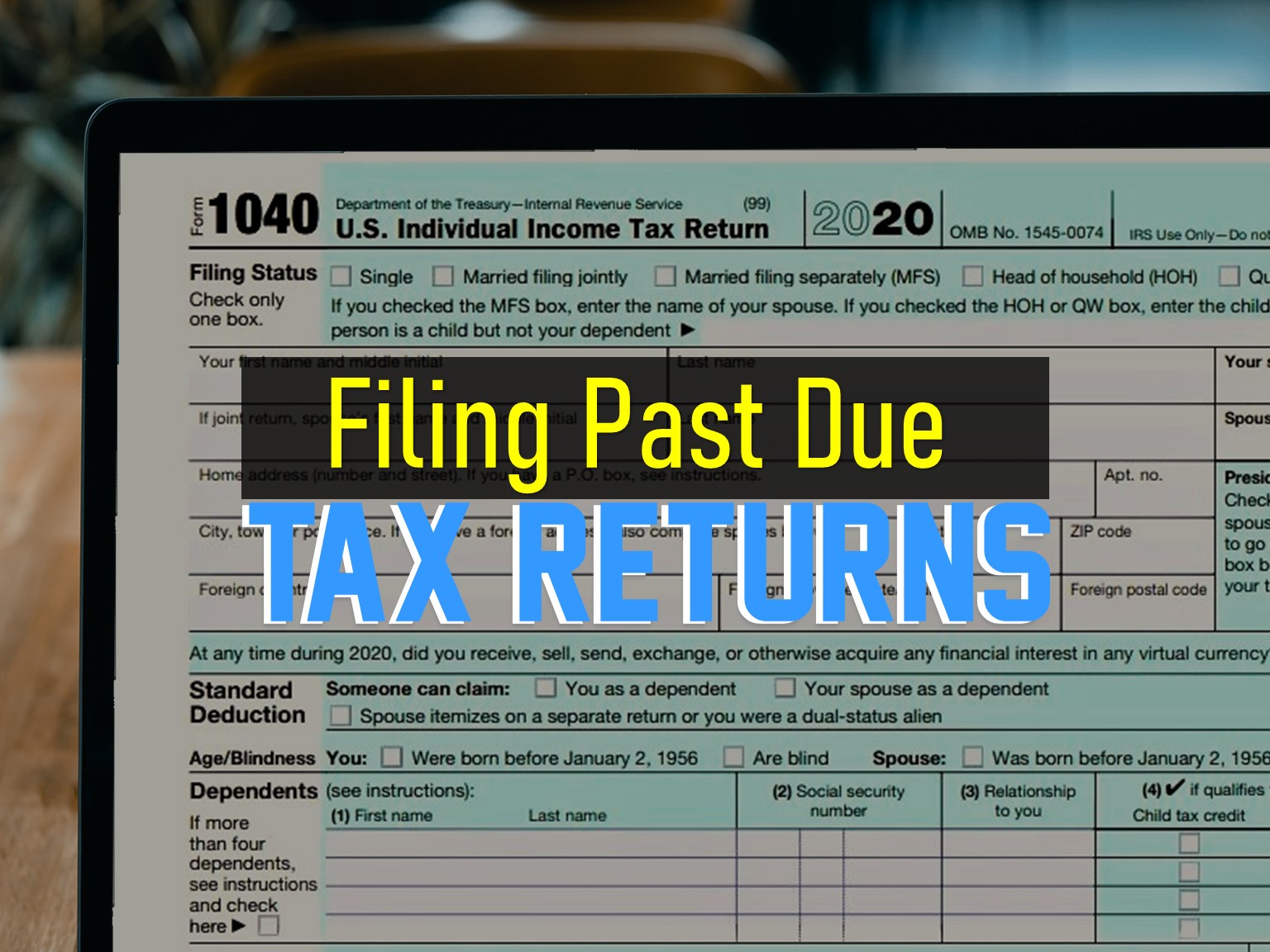
Tax laws change every year. You cannot use the 2023 version of Form 1040 to file your 2021 taxes. You must download the specific forms for the year you are filing. This is critical because tax brackets, standard deductions, and available credits fluctuate. For example, the stimulus payments and expanded Child Tax Credits of the pandemic era require specific worksheets found only in the 2020 and 2021 instruction booklets.
The “Paper and Postage” Reality
Because you cannot e-file these yourself, you must print the completed forms. It is a best practice in financial record-keeping to send these via Certified Mail with a Return Receipt. This provides you with legal proof that you filed the return before any statutory deadlines (like the three-year refund window). While the postage isn’t “free,” it is a nominal cost compared to the hundreds of dollars a tax preparer would charge.
Strategic Financial Benefits of Getting Current
Filing back taxes is an act of financial self-care. It opens doors that are otherwise locked to those with “unfiled” status on their IRS record.
Claiming Missed Credits: EITC and Child Tax Credit
Many taxpayers who fail to file are unaware that they are eligible for “refundable” credits. Unlike a standard deduction, which only reduces the tax you owe, a refundable credit can give you money back even if you owed zero tax. The Earned Income Tax Credit (EITC) is one of the most substantial tools for financial mobility in the U.S. tax code. If you were eligible three years ago and didn’t file, you are essentially leaving thousands of dollars on the table that could be used for an emergency fund or debt repayment.
Improving Loan Eligibility and Credit Access
If you are planning to buy a home or start a business, you will likely need to provide several years of tax transcripts to a lender. Lenders view unfiled taxes as a major financial red flag. By filing your previous years now, you create the paper trail necessary to secure mortgages, SBA loans, or even certain student financial aid packages. It transforms you from a “financial risk” to a “qualified borrower.”
Managing Penalties and Interest Professionally
A major deterrent to filing back taxes is the fear of the bill. However, the financial system provides several mechanisms to mitigate the damage for those who act proactively.
The First-Time Abatements (FTA)
If you have a clean history for the three years preceding your late filing, you may qualify for “Administrative Waiver” or First-Time Abatement. This allows the IRS to remove certain penalties for failing to file or pay on time. This is a powerful financial tool that can save you hundreds of dollars in late fees, but you generally have to ask for it after you receive a notice of assessment.
Setting Up a Sustainable Payment Plan
If you find that you owe money and cannot pay it immediately, do not let that stop you from filing. Filing the return stops the “failure to file” penalty, which is much higher than the “failure to pay” penalty. Once the return is processed, you can use the IRS’s online payment agreement tool to set up a monthly installment plan. In the context of business finance and personal budgeting, an installment plan is a manageable way to clear debt without liquidating your savings.
Conclusion: Taking Control of Your Financial Narrative
Filing previous years’ taxes for free is entirely possible with a bit of organization and the right resources. By leveraging IRS transcripts, VITA volunteers, or value-driven software like FreeTaxUSA, you can navigate the complexities of tax law without incurring professional fees.
The transition from being behind on taxes to being current is one of the most significant steps toward financial health. It clears the path for future investments, secures your social security benefits, and—in many cases—puts a much-needed refund check back into your bank account. Don’t let the complexity of the past dictate your financial future; start the process today and reclaim your financial standing.
aViewFromTheCave is a participant in the Amazon Services LLC Associates Program, an affiliate advertising program designed to provide a means for sites to earn advertising fees by advertising and linking to Amazon.com. Amazon, the Amazon logo, AmazonSupply, and the AmazonSupply logo are trademarks of Amazon.com, Inc. or its affiliates. As an Amazon Associate we earn affiliate commissions from qualifying purchases.