
While federal and state income taxes often dominate the conversation during tax season, local taxes represent a critical, albeit frequently misunderstood, component of a sound personal finance strategy. For many taxpayers, local taxes—collected by cities, counties, school districts, or townships—fund the very infrastructure and services they use daily, from public education and road maintenance to emergency services and waste management. However, because local tax codes are highly fragmented across thousands of jurisdictions, the filing process can feel significantly more opaque than the streamlined federal system.
Navigating local tax filing requires a disciplined approach to documentation and an understanding of how your residence and place of work intersect. Whether you are a traditional employee, a freelancer, or a small business owner, mastering your local obligations is essential to avoiding unexpected penalties and ensuring your financial house is in order.

Understanding the Landscape of Local Taxation
The first step in filing local taxes is identifying which jurisdictions have the authority to tax you. Unlike the federal government, which applies a broad brush to all citizens, local tax authority is derived from state legislation and varies wildly from one region to another. In the United States, for example, some states like Pennsylvania, Ohio, and Michigan have robust local income tax systems, while others like Florida or Texas rely primarily on property and sales taxes to fund local budgets.
The Types of Local Taxes You May Encounter
Local taxes generally fall into three major categories: income-based, property-based, and privilege-based.
-
Earned Income Tax (EIT): This is the most common form of local tax that requires an annual filing. It is typically a flat percentage of your wages or net profits. In some areas, this is also referred to as a “Wage Tax” or “Municipal Income Tax.”
-
Local Services Tax (LST): Often a small, flat fee (e.g., $52 per year), this tax is frequently withheld by employers for the privilege of working within a specific municipality. While it rarely requires a separate filing for W-2 employees, self-employed individuals must often remit this themselves.
-
Property Tax: While usually handled through annual assessments and billing cycles rather than a “tax return” in the traditional sense, property taxes are the backbone of local funding. If you own real estate, ensuring these are paid—often through an escrow account with your mortgage—is vital to your local tax standing.
-
Business Privilege or Mercantile Tax: If you operate a business or work as a consultant from a home office, your municipality may require you to file a return based on your gross receipts, regardless of whether you turned a profit.
The Role of Tax Collection Agencies
One of the most confusing aspects of local filing is that you often do not send your forms to the city hall or the county courthouse. Instead, many regions utilize third-party tax collection agencies or regional bureaus. These entities act as the clearinghouse for multiple municipalities and school districts. Identifying the specific collector for your “Political Subdivision” (PSD) is the prerequisite for obtaining the correct forms and instructions.
Determining Your Local Filing Obligations
Before you begin calculations, you must determine your tax “nexus.” In the world of local finance, this is generally dictated by two factors: where you live (your domicile) and where you perform your work.
Residency vs. Workplace Requirements
Most local income taxes are “resident-based,” meaning you owe a percentage of your total income to the municipality where you live. However, some cities—notably major hubs like New York City, Philadelphia, or Cincinnati—also impose taxes on non-residents who work within city limits.
In many cases, your employer is required to withhold the higher of the two rates (resident vs. workplace). If your workplace tax is higher than your residence tax, that money usually stays with the workplace municipality. If your residence tax is higher, your employer may withhold the workplace amount and then withhold the “remainder” to satisfy your home municipality’s requirements. Understanding these nuances prevents you from overpaying or underpaying when you sit down to file your final return.
Identifying Your Specific Taxing Jurisdictions
To file correctly, you must know your exact municipality and school district. This is not always as simple as looking at your mailing address. Zip codes often span multiple townships or boroughs with different tax rates.
To find your specific jurisdiction, consult your most recent property tax bill or use your state’s department of community and economic development website. Many states provide “Address-to-Tax-District” look-up tools. These tools provide you with a specific code (often called a PSD code) that you must enter on your filing forms to ensure the revenue is distributed to the correct local treasury.
The Step-by-Step Process for Filing Local Returns
Once you have identified your jurisdictions and the relevant tax collector, the actual filing process mirrors a simplified version of your federal return. The goal is to reconcile what was withheld by your employer against what you actually owe based on your total annual earnings.
Gathering Necessary Financial Documentation
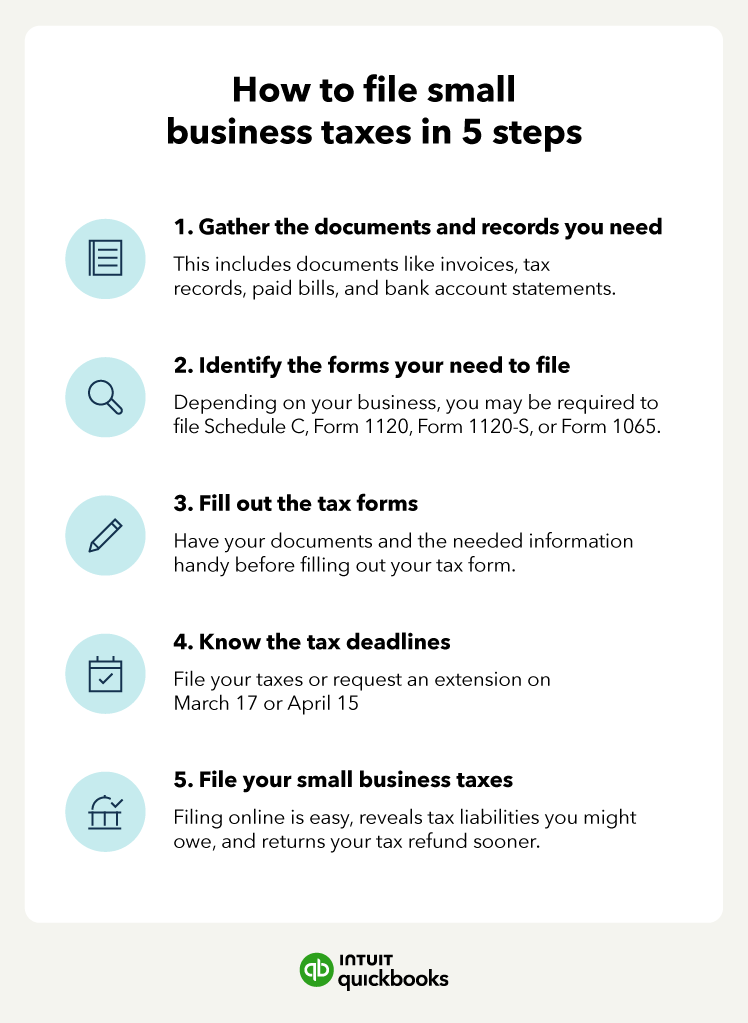
Precision is the hallmark of effective financial management. Before starting your local return, gather the following:
-
W-2 Statements: Specifically, look at Boxes 18, 19, and 20, which detail local wages and withholdings.
-
1099 Forms: If you are a freelancer or have a side hustle, these represent income that has likely not had any local tax withheld.
-
Federal Schedule C: If you are self-employed, your local tax bureau will want to see your federal profit and loss statement to verify your net earnings.
-
Proof of Residency: If you moved during the year, you will need the dates of residency for each location to “prorate” your taxes between two different municipalities.
Calculating Net Profits and Earned Income
For W-2 employees, the calculation is usually straightforward: Total Local Wages x Local Tax Rate. However, for those with diverse income streams, the definition of “taxable income” at the local level can vary. Generally, local taxes apply only to “earned” income (wages, tips, net business profits). “Unearned” income—such as interest, dividends, capital gains, and social security benefits—is typically exempt from local municipal taxes, though you should always verify this with your specific local ordinance.
Choosing the Right Filing Method
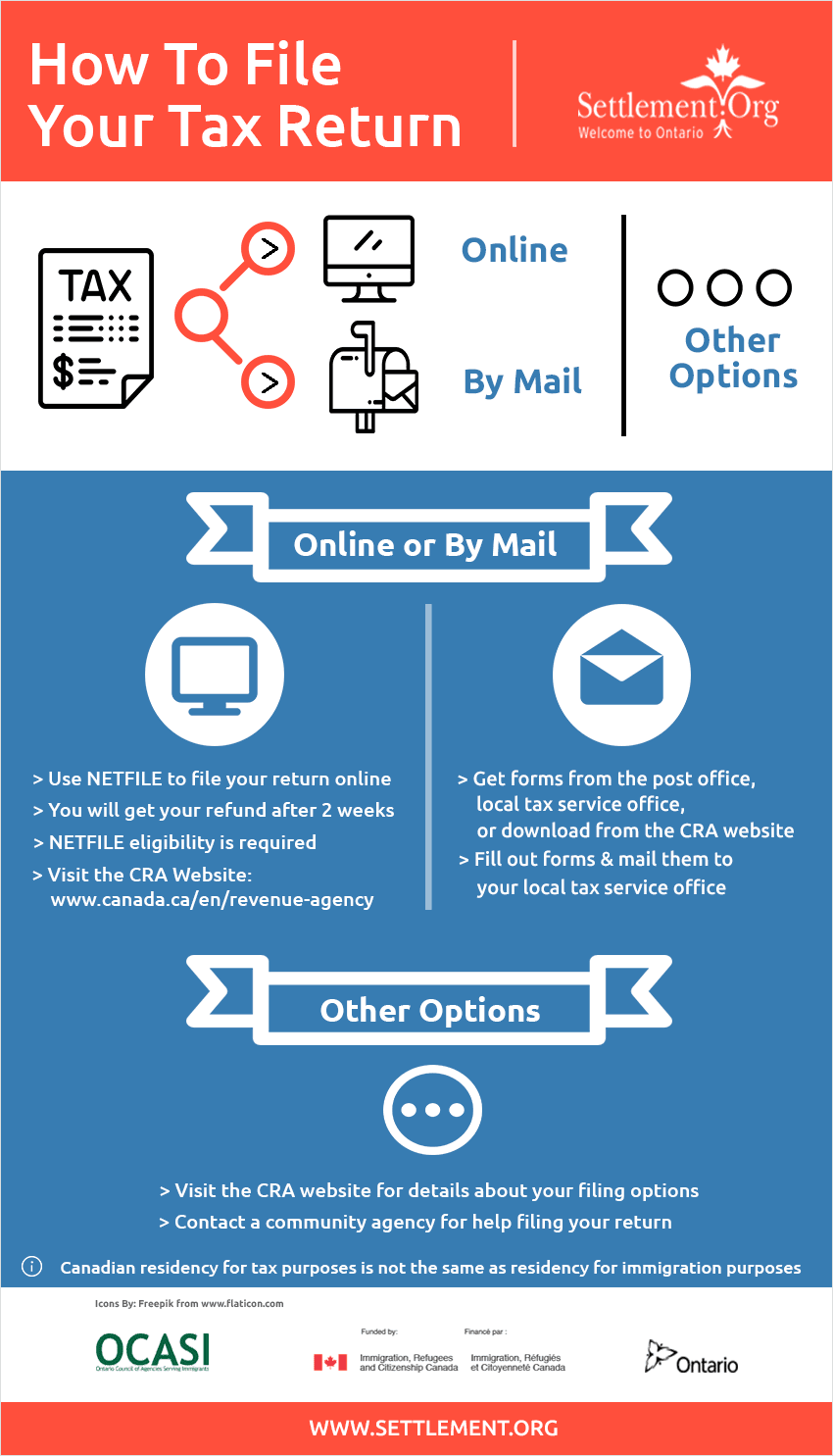
Most modern tax collection agencies offer an e-filing portal. This is highly recommended for three reasons: it reduces mathematical errors, provides an immediate receipt of filing, and usually speeds up any potential refunds. If you prefer paper filing, ensure you use the exact form provided by your specific collector, as generic forms are rarely accepted.
Navigating Complex Scenarios and Deadlines
Local tax filing becomes significantly more complex when your life doesn’t fit into a single geographic box. The rise of the digital economy and remote work has introduced new hurdles for local tax compliance.
Multi-Jurisdictional Issues for Remote Workers
If you live in one township but work remotely for a company based in another city, you may be subject to “convenience of the employer” rules. Some jurisdictions argue that if you could work in the office but choose to work from home, you still owe the workplace tax. However, many local laws have shifted to a “physical presence” model.
If you are a remote worker, review your W-2 carefully. If your employer is withholding tax for a city you never physically enter, you may be entitled to a refund from that city, but you will likely owe that same money to your home municipality. Reconciling these “cross-border” issues requires filing non-resident returns in the workplace city and resident returns in your home town.
Penalties, Interest, and Extensions
In most jurisdictions, the deadline for local income tax filing aligns with the federal deadline—typically April 15th. It is a common misconception that filing a federal extension automatically extends your local deadline. While many local collectors will honor a federal extension, you often must proactively mail them a copy of your federal extension form (Form 4868) before the April deadline.
Failure to file on time can lead to a cascading series of financial penalties. Local collectors are often more aggressive with “late file” fees than federal authorities, sometimes charging a flat fee of $25 to $50 just for the missing paperwork, in addition to interest on the unpaid balance.
Leveraging Financial Tools for Local Tax Efficiency
In the modern financial era, you don’t have to navigate these complexities manually. Integrating local tax planning into your broader financial ecosystem can save hours of frustration.
Software and Outsourcing Solutions
Most major tax preparation software suites (like TurboTax or H&R Block) handle state returns well, but their local tax capabilities vary by region. If you live in an area with complex local requirements, ensure your software supports “Local Filing.”
For small business owners and freelancers, using accounting software like QuickBooks or FreshBooks is essential. These tools allow you to categorize income by location, making it simple to generate a report at year-end that shows exactly how much was earned in specific jurisdictions. This is particularly helpful if you perform “on-site” work in multiple municipalities throughout the year.
Long-term Planning and Record Keeping
The best way to handle local taxes is to treat them as a year-round responsibility rather than an April chore.
-
Quarterly Estimated Payments: If you are self-employed or have significant 1099 income, you should make quarterly estimated payments to your local collector. This prevents a massive, unmanageable tax bill in April and avoids “underpayment interest.”
-
Audit Protection: Keep copies of your local returns and the “Local” portion of your W-2s for at least seven years. Local bureaus are notorious for sending “failure to file” notices years after the fact due to data processing delays. Having your digital or physical records organized allows you to resolve these discrepancies with a single email or letter.
Final Thoughts on Local Compliance
Filing local taxes is a fundamental aspect of civic participation and personal financial management. While the sheer number of jurisdictions and the variation in rules can be daunting, the process boils down to three core actions: identifying where you owe, documenting what you earned, and reconciling your withholdings by the annual deadline. By staying organized and utilizing the digital tools available, you can demystify the local tax process, avoid costly penalties, and ensure that your contributions are correctly supporting the community where you live and work.
aViewFromTheCave is a participant in the Amazon Services LLC Associates Program, an affiliate advertising program designed to provide a means for sites to earn advertising fees by advertising and linking to Amazon.com. Amazon, the Amazon logo, AmazonSupply, and the AmazonSupply logo are trademarks of Amazon.com, Inc. or its affiliates. As an Amazon Associate we earn affiliate commissions from qualifying purchases.