
The notion of filing taxes when you haven’t earned any income might seem counterintuitive, even unnecessary to many. Why bother engaging with the complexities of the tax system if there’s nothing to report and no tax liability to settle? However, this common misconception overlooks a critical reality: for many individuals, filing a tax return even with “no income” can be profoundly beneficial, often leading to significant financial returns in the form of tax credits and refunds. In some specific circumstances, it might even be a mandatory requirement. Navigating this landscape requires a clear understanding of what “income” truly means in the eyes of the IRS and the strategic advantages that come with proactive tax engagement.
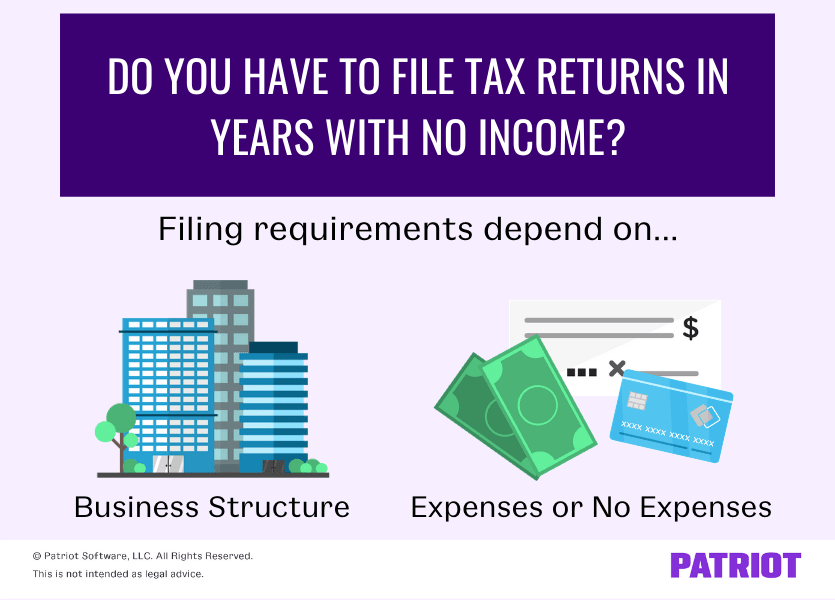
Understanding “No Income” for Tax Purposes
Before delving into the how-to, it’s crucial to define what “no income” signifies within the tax framework. The IRS has specific definitions and thresholds that determine filing obligations and eligibility for various tax benefits.
Defining Taxable Income vs. Gross Income
The IRS distinguishes between gross income and taxable income. Gross income includes all income from any source, unless it’s specifically exempt by law. This can encompass wages, salaries, self-employment earnings, investment income, rental income, and more. Taxable income, on the other hand, is your gross income minus any allowable deductions. When people refer to having “no income,” they often mean they didn’t earn enough taxable income to meet the IRS filing threshold for their age and filing status, or that their income consisted solely of non-taxable sources.
For instance, certain types of income like welfare benefits, some disability payments, workers’ compensation, and qualified scholarships are generally not considered taxable income. However, having received these doesn’t necessarily mean you had “no income” in all senses, and their presence can sometimes influence eligibility for certain credits or other tax considerations. It’s also important to remember that even a very small amount of taxable income, particularly from self-employment, can trigger a filing requirement.
When You Must File Even With Low or No Income
While it’s true that if your gross income falls below a certain threshold (which varies based on age, filing status, and whether you’re a dependent), you generally aren’t required to file, there are several key exceptions that mandate filing regardless of your income level:
- Self-Employment Income: If your net earnings from self-employment were $400 or more, you generally must file to pay self-employment taxes (Social Security and Medicare taxes). This threshold is significantly lower than for wage income.
- Received Advanced Premium Tax Credit (APTC): If you purchased health insurance through a Health Insurance Marketplace and received advance payments of the Premium Tax Credit, you must file a federal income tax return to reconcile the amount of credit received with the actual credit you were due.
- Special Taxes: If you owe any special taxes, such as alternative minimum tax, additional tax on a qualified plan, or household employment taxes.
- Nonresident Alien Status: If you are a nonresident alien engaged in a trade or business in the U.S.
- Certain Distributions: If you received distributions from a health savings account (HSA), an Archer MSA, or a Medicare Advantage MSA.
Ignoring these requirements can lead to penalties and interest down the line, making proactive filing a wise financial decision.
Common Scenarios for “No Income” Filers
Many different groups of people might find themselves in a “no income” or low-income situation, yet still benefit from or be required to file. These include:
- Students: Particularly those in higher education, who might have received scholarships, grants, or tuition payments that aren’t taxable but could qualify them for education credits.
- Retirees: Individuals whose only income consists of non-taxable social security benefits, but who might be eligible for other credits or need to report certain distributions.
- Stay-at-Home Parents/Spouses: Who might have zero personal income but are part of a household with dependents that could qualify for credits.
- Unemployed Individuals: Those receiving unemployment benefits (which are generally taxable) but whose overall income remains low. However, even if only receiving non-taxable benefits, they might still be eligible for credits.
- Individuals with Only Non-Taxable Income: Such as certain disability benefits, gifts, or inheritances.
The Benefits of Filing When You Have No Taxable Income
The primary reason to file a tax return when you have no or low taxable income is to take advantage of refundable tax credits. These credits can result in a direct payment to you from the government, even if you paid no income tax during the year.
Claiming Tax Credits and Refunds
The U.S. tax code is designed with several provisions to support low-to-moderate income individuals and families. These often come in the form of refundable tax credits:
- Earned Income Tax Credit (EITC): This is one of the most significant refundable credits for low- and moderate-income working individuals and families. The amount depends on your income, filing status, and number of qualifying children. Even without children, some single filers can qualify for a smaller EITC.
- Child Tax Credit (CTC): Eligible parents can claim this credit for each qualifying child. A portion of this credit can be refundable, meaning you could get money back even if you owe no tax.
- American Opportunity Tax Credit (AOTC): For students pursuing a degree or other recognized education credential, this credit offers up to $2,500 per eligible student. A significant portion of this credit is refundable, providing a direct refund even if you don’t owe taxes.
- Premium Tax Credit (PTC): If you purchased health insurance through the Health Insurance Marketplace and meet certain income requirements, you might be eligible for this credit, which helps make health insurance more affordable. As mentioned, if you received advance payments of this credit, you must file to reconcile it.
- Credit for Other Dependents: For dependents who do not qualify for the Child Tax Credit, a non-refundable credit is available, but understanding your overall tax picture can still be beneficial.
These credits are powerful tools that can put hundreds or even thousands of dollars back into your pocket, acting as a vital financial safety net.
Carrying Forward Deductions and Losses
Even if you have no income to offset in the current year, filing allows you to establish and potentially carry forward certain deductions and losses to future tax years. For example:
- Capital Losses: If you sold investments at a loss, you can deduct up to $3,000 of capital losses against ordinary income each year. Any unused losses can be carried forward indefinitely to offset future capital gains and ordinary income.
- Business Losses: If you operated a small business with a net loss, these losses can potentially be carried forward to offset future business profits.
By filing, you create a formal record of these losses, preserving your right to use them when they can provide a tax benefit.
Establishing a Tax Record
Having a consistent history of filing tax returns, even with no income, can be important for various financial purposes. This includes:
- Loan Applications: Lenders for mortgages, student loans, or small business loans often request tax transcripts to verify income and financial stability, even if it’s low.
- Social Security Benefits: Your earnings record, documented through tax filings, is used to determine future Social Security and Medicare benefits. While “no income” means no new contributions, it keeps your record updated.
- Government Benefits: Some government assistance programs may require proof of non-filing or a filed return to verify income status.
A formal tax record provides verifiable documentation of your financial situation, which can be crucial for future planning.
Protecting Against Future Issues

Filing a tax return, even if you believe you don’t owe anything, can protect you from potential future issues with the IRS. For example, if you received a W-2 or 1099 form from an employer or payer (even if the amount was very small or non-taxable), the IRS has a record of potential income attributed to you. If you don’t file, the IRS might assume you owe taxes or are attempting to evade them, potentially leading to inquiries or penalties. Filing a “zero income” return clarifies your status and mitigates such risks.
Steps to File Your Taxes with No Income
Filing a tax return when you have no income doesn’t have to be complicated. With the right approach, it can be a straightforward process.
Gathering Necessary Documents
Even without traditional pay stubs, you’ll still need to gather any relevant documentation:
- Identity Information: Social Security numbers (SSN) for yourself, your spouse (if filing jointly), and all dependents.
- Information Returns: Even if for small or non-taxable amounts, collect any W-2s (even if showing zero wages), 1099-NEC (for very low self-employment income), 1099-INT (interest income), 1099-DIV (dividend income), 1098-T (tuition statement for education credits), and 1095-A (Health Insurance Marketplace Statement).
- Proof of Expenses for Credits: Documentation for education expenses, child care costs, or other items that could qualify you for credits.
- Bank Account Information: For direct deposit of any refund.
Choosing the Right Filing Method
Several options are available, many of them free for low-income filers:
- IRS Free File Program: If your adjusted gross income (AGI) is below a certain threshold (which changes annually), you can use commercial tax software offered through the IRS Free File program at no cost. These guided programs help you identify eligible credits.
- Volunteer Income Tax Assistance (VITA) and Tax Counseling for the Elderly (TCE) Programs: These programs offer free tax help to people who generally make $64,000 or less, persons with disabilities, and limited English-speaking taxpayers (VITA) or those 60 years or older (TCE). IRS-certified volunteers provide free basic income tax return preparation with electronic filing.
- Commercial Tax Software: Many popular tax software providers (e.g., TurboTax, H&R Block) offer free editions for simple returns, which are often sufficient for “no income” filers. Be sure to check their income limitations for the free versions.
- Paper Filing: While less common and slower, you can still download IRS forms (like Form 1040) and manually fill them out, entering “0” where applicable, and mail them in.
Navigating the Tax Forms
For most “no income” filers, Form 1040 is the primary document. You’ll typically:
- Enter your personal information: Name, SSN, filing status.
- Report any income: Even if it’s zero, or non-taxable income you want to list for clarity.
- Claim your standard deduction: Even with no income, you are generally entitled to a standard deduction (unless you are a dependent being claimed by someone else).
- Calculate your tax liability: This will often be $0.
- Claim applicable tax credits: This is where you would enter details for credits like the EITC or CTC, which can generate a refund.
Understanding Your Filing Status
Your filing status (Single, Married Filing Jointly, Married Filing Separately, Head of Household, Qualifying Widow(er)) is critical as it determines your standard deduction amount and eligibility for certain credits. If you support dependents, especially children, electing “Head of Household” could significantly increase your potential refund from credits.
Important Considerations and Potential Pitfalls
While filing with no income is generally straightforward, a few key points require careful attention.
Distinguishing Between Gross Income and Non-Taxable Income
It’s crucial to understand the difference between gross income (what you earn before deductions) and non-taxable income (money you receive that the IRS doesn’t tax). For instance, welfare payments, federal student aid, and certain veteran’s benefits are generally non-taxable. While you don’t report these as income on your tax return, receiving them might impact your eligibility for certain tax credits, particularly those with AGI thresholds. Always read the credit eligibility requirements carefully.
Avoiding Common Mistakes
- Forgetting to Claim Credits: The biggest mistake is simply not filing, thus missing out on potential refunds from refundable credits.
- Miscalculating Eligibility for Credits: Ensure you meet all criteria for any credit you claim, especially residency requirements for dependents or earned income thresholds for EITC.
- Missing Filing Deadlines: Even if you’re due a refund, there’s a limit to how long you can claim it (generally three years from the original due date of the return). Don’t delay.
- Incorrect Filing Status: Choosing the wrong filing status can reduce your refund or incorrectly exclude you from credits.
When to Seek Professional Help
While many “no income” returns are simple, your situation might be more complex if you have unusual circumstances, such as:
- Complex investment losses.
- International income or residency issues.
- Significant self-employment expenses or losses.
- Questions about specific state tax requirements.
In these cases, consulting a tax professional can ensure accuracy and optimize your return.
State Taxes and No Income
It’s important to remember that state income tax laws operate independently of federal laws.
Separate State Filing Requirements
Even if you aren’t required to file a federal return, or if your federal taxable income is zero, your state might have different filing thresholds or require a return if you’re eligible for state-specific credits (e.g., a state EITC). Always check your state’s tax department website for their specific requirements and any available state tax credits for low-income residents. Many states mirror federal guidelines, but not all.
Conclusion
The decision to file a tax return when you have no taxable income is not merely a formality; it’s a strategic financial move. It’s an opportunity to claim valuable refundable tax credits that can significantly boost your financial well-being, establish a crucial tax record, and protect you from potential future issues with the IRS. While the idea of navigating tax forms can be daunting, numerous free resources and user-friendly software options are available to simplify the process. By understanding the nuances of “no income” filing and taking proactive steps, you can ensure you leverage the tax system to your advantage, securing potential refunds and maintaining a clear financial standing. Don’t let the absence of income deter you from engaging with your tax obligations; it might just be one of the smartest financial decisions you make.
aViewFromTheCave is a participant in the Amazon Services LLC Associates Program, an affiliate advertising program designed to provide a means for sites to earn advertising fees by advertising and linking to Amazon.com. Amazon, the Amazon logo, AmazonSupply, and the AmazonSupply logo are trademarks of Amazon.com, Inc. or its affiliates. As an Amazon Associate we earn affiliate commissions from qualifying purchases.