
The realization that you have unfiled tax returns can be a significant source of financial anxiety. Whether it was due to a missing document, a personal crisis, or simply the complexity of the filing process, the result is the same: a cloud hanging over your personal balance sheet. However, staying current with the IRS is one of the most critical steps in maintaining a healthy financial life. Not only does filing back taxes stop the accumulation of “failure to file” penalties, but it is also often the only way to claim refunds that are legally yours.

Fortunately, the digital landscape for personal finance has evolved. While many people assume that correcting years of missed filings requires hiring an expensive CPA, there are several ways to leverage online tools to file back taxes for free—or at a significantly reduced cost. This guide explores the strategic financial reasons for catching up and the specific tools available to help you navigate the process without breaking the bank.
The Financial Stakes of Unfiled Tax Returns
Before diving into the “how,” it is vital to understand the “why.” Unfiled taxes are not just a legal oversight; they are a financial liability that compounds over time. Understanding the mechanics of IRS penalties and the potential for lost assets is the first step in reclaiming control over your money.
The Penalty Trap and Interest Accumulation
The IRS imposes two primary penalties for those who do not comply with tax laws: the failure-to-file penalty and the failure-to-pay penalty. Financially, the failure-to-file penalty is much more severe. It generally amounts to 5% of the unpaid taxes for each month or part of a month that a tax return is late, capping at 25%. If you owe the IRS $5,000, that penalty can quickly balloon, adding thousands of dollars to your debt in just a few months.
Beyond the penalties, the IRS charges interest on any unpaid balance from the date the return was originally due. This interest is compounded daily, meaning your debt grows exponentially. By filing as soon as possible, you freeze the “failure to file” penalty, even if you cannot pay the full balance immediately.
The Three-Year Window for Refunds
Many individuals who fail to file back taxes are actually leaving money on the table. If you are owed a refund—perhaps due to over-withholding or eligibility for the Earned Income Tax Credit—the IRS does not simply send it to you if you haven’t filed. There is a strict three-year window from the original due date of the return to claim a refund. If you wait longer than three years to file, the Treasury is legally allowed to keep your refund, and you lose any credit toward future tax years. Filing back taxes is essentially a process of reclaiming your own capital before it expires.
Impacts on Credit and Loan Eligibility
From a broader financial perspective, unfiled taxes can hinder your ability to build wealth. If you are applying for a mortgage, a car loan, or a business line of credit, lenders almost always require the last two to three years of tax transcripts. Without these documents, you are a high-risk borrower in the eyes of financial institutions. Furthermore, if the IRS decides to file a Substitute for Return (SFR) on your behalf, they may over-calculate your liability and eventually place a lien on your property, which can devastate your credit score.
Navigating Free Online Software Options for Prior Years
While the IRS e-file system for the current year is widely advertised, filing for previous years requires a more targeted approach. Most major commercial software providers charge a premium for “prior-year” returns, but specific resources exist for those seeking a free or low-cost path.
IRS Free File and the Volunteer Income Tax Assistance (VITA) Program
The IRS Free File program is a public-private partnership that allows taxpayers under a certain income threshold (typically around $79,000) to use brand-name software for free. However, a major caveat is that Free File usually only supports the current tax year.
For back taxes, the most robust free human-assisted option is the VITA program. VITA offers free tax help to people who generally make $64,000 or less, persons with disabilities, and limited-English-speaking taxpayers. VITA sites are often located in community centers or libraries and have access to software that can file returns for several previous years. While you may prepare the information online or via their portals, these certified volunteers ensure the accuracy of your back filings.
FreeTaxUSA: The Gold Standard for Back Taxes
In the realm of DIY online software, FreeTaxUSA is frequently cited by financial experts as the most cost-effective tool for filing prior years. Unlike many competitors that “hide” their prior-year software behind expensive paywalls, FreeTaxUSA allows users to prepare federal back taxes for free for up to seven to ten years in the past.
While they may charge a small fee for state returns, the federal filing—which is where the bulk of the penalties reside—remains free. Their interface is interview-based, meaning it asks you simple questions and populates the forms for you, making the daunting task of 2020 or 2021 returns much more manageable.
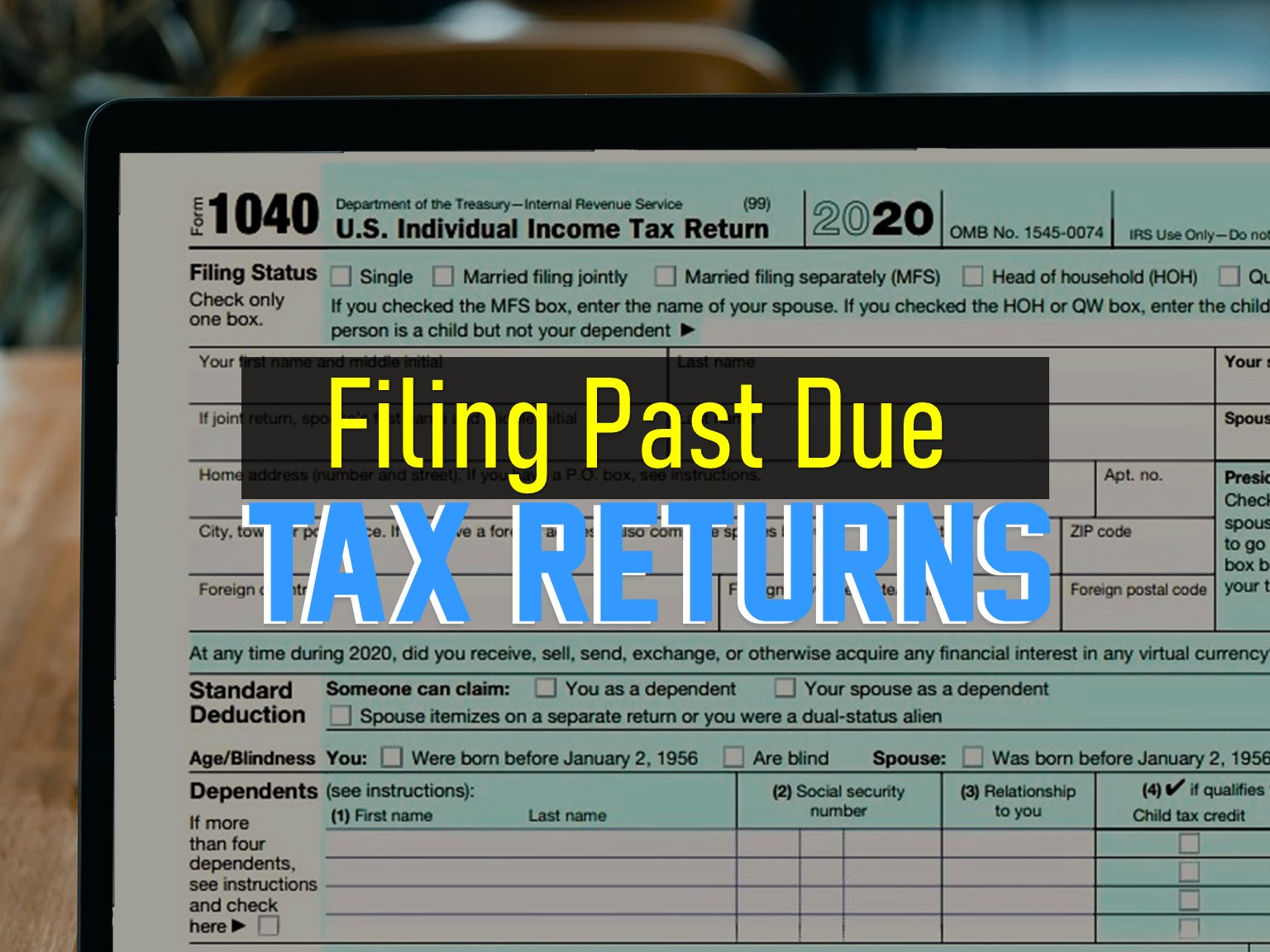
MyFreeTaxes by United Way
Another powerful resource is MyFreeTaxes, a partnership between United Way and several tax software providers. This service is designed to help individuals and families file their taxes for free if they meet income requirements. While its primary focus is the current year, its support network can often direct users to free software versions that allow for the preparation of past-due returns. It serves as an excellent entry point for those who need a guided financial tool but cannot afford a private accountant.
A Practical Roadmap to Documentation and Transcript Retrieval
The biggest hurdle to filing back taxes is often the lack of documentation. If you are trying to file a return from three years ago, you might not have your W-2s or 1099s on hand. Navigating this requires a systematic approach to data retrieval.
Requesting a Wage and Income Transcript
If you are missing your records, you do not need to contact your former employer (though you can). The IRS receives copies of every tax document issued to your Social Security Number. You can request a “Wage and Income Transcript” online through the “Get Your Tax Record” tool on the IRS website. This transcript shows data from information returns the IRS has received, such as Forms W-2, 1099, 1098, and Form 5498. This data is usually available for the last ten years, providing you with all the financial figures necessary to complete your back taxes accurately.
Distinguishing Between Online Preparation and E-filing
A common misconception is that “online filing” always means “e-filing.” While you can use online software to prepare your back taxes, the IRS generally only allows e-filing for the current year and the two years prior. For anything older than three years, you will likely need to use the online software to generate the forms, print them out, and mail them to the IRS. This is a critical distinction in your financial planning; you must factor in the time for mail delivery and manual processing by the IRS, which is significantly slower than electronic processing.
Organizing by Tax Year
When filing back taxes, it is essential to treat each year as a separate financial project. Never combine income or deductions from different years on a single form. Use the specific forms for the year you are filing (e.g., use a 2021 Form 1040 for 2021 income). Most online software tools like FreeTaxUSA will automatically select the correct forms based on the year you choose, but double-checking the header of each document is a necessary safeguard for your financial records.
Strategies for Managing Tax Debt and Negotiating with the IRS
Once you have used online tools to prepare your returns, you may find that you owe a balance. For many, this is the moment of peak stress. However, the IRS is often more interested in compliance than in immediate, full payment. There are several financial vehicles available to manage this debt.
Installment Agreements
If you cannot pay the full amount of back taxes immediately, you can apply for an Online Payment Agreement. This allows you to pay your debt over time in monthly installments. From a personal finance perspective, this is far superior to ignoring the debt, as it prevents the IRS from taking more aggressive collection actions, such as wage garnishments or bank levies. While interest still accrues, the “failure to pay” penalty may be reduced if you are on an approved payment plan.
Offer in Compromise (OIC)
In extreme financial hardship cases, you might qualify for an Offer in Compromise. This is an agreement between a taxpayer and the IRS that settles a tax liability for less than the full amount owed. The IRS considers your ability to pay, income, expenses, and asset equity. While the application process is rigorous and requires a fee (which can be waived for low-income individuals), it is a powerful tool for those whose tax debt exceeds their total net worth and future earning potential.
Penalty Abatement
If you have a history of filing on time but missed a year due to a specific hardship—such as a natural disaster, a serious illness, or a death in the family—you may qualify for “First-Time Penalty Abatement.” You can often request this over the phone or by filing Form 843. If granted, the IRS will remove the failure-to-file and failure-to-pay penalties, which can instantly reduce your total debt by hundreds or even thousands of dollars. This is one of the most underutilized strategies in debt management.
Securing Your Financial Future Through Consistent Compliance
Filing back taxes is not just about settling a debt; it is about establishing a foundation for future financial growth. Once you have cleared the hurdle of prior years, you must pivot toward proactive financial management.
Adjusting Your Withholding
The most common reason people fall behind on taxes is that they do not have enough money withheld from their paychecks or they fail to pay estimated taxes throughout the year. Use the IRS Tax Withholding Estimator online to ensure you are on track for the current year. Adjusting your W-4 with your employer can ensure that you never find yourself in a “back tax” situation again.
Building a Digital Tax Archive
Moving forward, adopt a digital-first approach to your finances. Use cloud storage or dedicated financial apps to save copies of your W-2s, receipts for deductible expenses, and copies of your filed returns. Having these documents readily available online makes future filing—and any potential audits—significantly less stressful.
The Psychological Benefit of Financial Clarity
There is an intangible but profound benefit to filing your back taxes: the elimination of “financial noise.” Knowing exactly where you stand with the government allows you to plan for other goals, such as retirement, homeownership, or investing, without the fear of an unexpected IRS intervention. By using the free online tools available today, you can transform a complex legal obligation into a manageable financial task, ultimately reclaiming your peace of mind and your financial sovereignty.
aViewFromTheCave is a participant in the Amazon Services LLC Associates Program, an affiliate advertising program designed to provide a means for sites to earn advertising fees by advertising and linking to Amazon.com. Amazon, the Amazon logo, AmazonSupply, and the AmazonSupply logo are trademarks of Amazon.com, Inc. or its affiliates. As an Amazon Associate we earn affiliate commissions from qualifying purchases.