
Understanding your yearly income is more than just a numerical exercise; it’s a fundamental pillar of sound financial health. Whether you’re planning a budget, applying for a loan, setting financial goals, or strategizing for tax season, an accurate grasp of your annual earnings is indispensable. This guide will walk you through the essential steps and considerations to precisely determine your yearly income, empowering you to make more informed financial decisions and chart a clearer path toward your financial aspirations.
The journey to financial clarity begins with this foundational knowledge. Many people have a vague idea of what they earn, but “vague” won’t suffice when it comes to effective money management. A precise figure allows for realistic budgeting, helps identify areas for potential savings or investment, and provides a benchmark for evaluating your financial progress year over year. In an increasingly complex financial landscape, where income streams can be diverse and deductions intricate, mastering this calculation is a skill every financially savvy individual must cultivate.
The Indispensable Value of Knowing Your Yearly Income
Accurately determining your yearly income serves as the bedrock for virtually every aspect of personal finance. It’s not merely a number for tax purposes; it’s a dynamic figure that informs your present spending, shapes your future investments, and dictates your ability to achieve significant life milestones. Without this crucial data point, financial planning often becomes guesswork, leading to potential pitfalls and missed opportunities.
Foundation for Budgeting and Financial Planning
At its core, a budget is a spending plan built upon your income. Knowing your yearly income, both gross and net, allows you to create a realistic and sustainable budget. It helps you allocate funds effectively across various categories like housing, food, transportation, savings, and entertainment. Without an accurate income figure, any budget you attempt to construct will be flawed, potentially leading to overspending, unexpected shortfalls, or an inability to meet essential financial commitments. This foundational knowledge enables you to:
- Allocate Resources Wisely: Distribute your earnings consciously, ensuring all financial obligations are met while still having room for discretionary spending and savings.
- Track Progress Towards Goals: Set measurable financial goals, such as saving for a down payment, retirement, or a child’s education, and monitor your progress against your actual income.
- Identify Financial Leaks: A clear picture of your income versus expenditures can quickly highlight areas where money might be unnecessarily slipping away.
Tax Planning and Compliance
One of the most immediate and tangible reasons to know your yearly income is for tax purposes. Your total earnings determine your tax bracket, the amount of tax you owe, and your eligibility for various deductions and credits. A precise income calculation throughout the year helps you:
- Estimate Tax Liabilities: Avoid surprises during tax season by proactively estimating what you might owe, allowing you to save accordingly or adjust withholdings.
- Optimize Deductions and Credits: Understand which tax breaks you qualify for based on your income level and financial activities, maximizing your returns or minimizing your payments.
- Ensure Compliance: File accurate tax returns, mitigating the risk of audits, penalties, or legal complications with tax authorities. This is particularly vital for those with multiple income streams or self-employment income, where estimated taxes are a common requirement.
Goal Setting and Wealth Accumulation
Beyond immediate budgeting and tax obligations, knowing your yearly income is a powerful tool for long-term wealth accumulation. It allows you to project your financial trajectory and set ambitious yet achievable goals for the future. Whether it’s purchasing a home, funding a significant investment, or planning for a comfortable retirement, these goals require a clear understanding of your earning capacity. By knowing your income, you can:
- Set Realistic Saving Targets: Determine how much you can realistically save each month or year to reach your financial milestones within a desired timeframe.
- Plan for Investments: Understand your capacity to contribute to investment vehicles like 401(k)s, IRAs, or brokerage accounts, accelerating your wealth growth.
- Evaluate Career Progression: Benchmark your current income against industry standards and your own financial needs, informing decisions about career changes, skill development, or negotiation strategies for raises. Your income is a key metric in assessing your earning potential and planning for future salary growth.
Deconstructing Your Income Streams: Types and Sources
To accurately figure out your yearly income, you must first identify and understand all the distinct sources from which you derive earnings. Modern financial lives are rarely singular; many individuals benefit from a mix of traditional employment, side gigs, investments, and other forms of income. Each source requires a slightly different approach to calculation and consideration.
Standard Employment (W-2 Income)
For most employed individuals, the primary source of income comes from a traditional employer, resulting in a W-2 form at the end of the year. This is often the most straightforward income to calculate but still requires attention to detail.
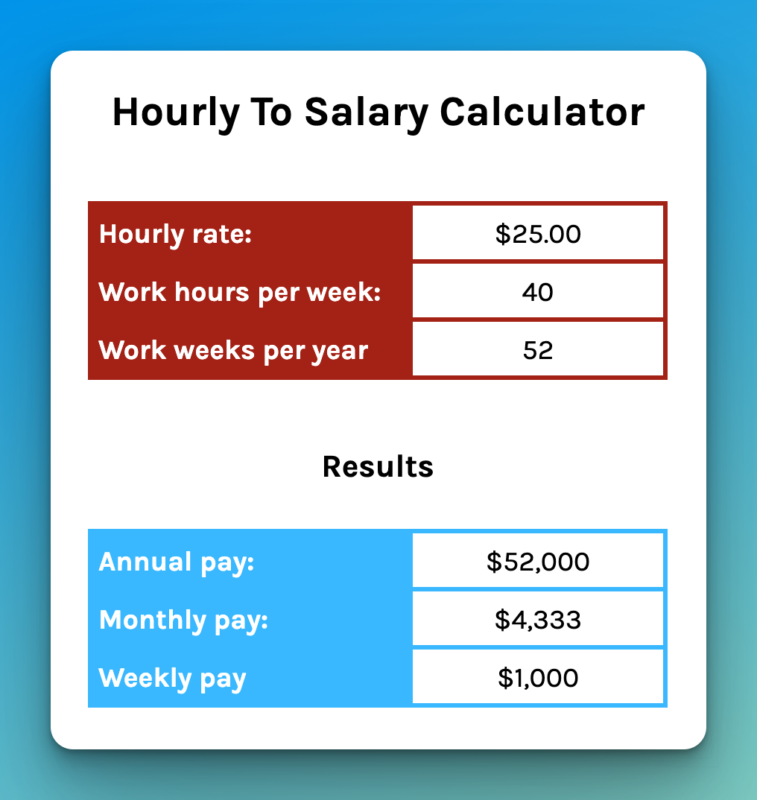
- Salary or Hourly Wages: Your base pay is the starting point. If salaried, it’s a fixed amount per pay period. If hourly, you’ll need to account for the number of hours worked and your hourly rate.
- Bonuses and Commissions: These can significantly augment your base pay. Ensure you include any performance bonuses, sales commissions, or other incentive payments received throughout the year.
- Overtime Pay: For hourly workers, overtime wages, typically paid at a higher rate (e.g., time and a half), must be factored in.
- Benefits (Taxable Portions): While many benefits are non-taxable, some, like certain fringe benefits or non-cash perks, might be considered taxable income and should be included. Your pay stubs and year-end statements (like your W-2) are your primary sources for this information.
Freelance, Self-Employment, and Gig Work (1099 Income)
The rise of the gig economy means many individuals supplement their income, or even earn their primary living, through self-employment, contracting, or freelance work. This income is often reported on a 1099-NEC or 1099-MISC form.
- Client Invoices and Payments: Track all payments received from clients for services rendered or goods sold. This requires diligent record-keeping throughout the year.
- Platform Earnings: If you work through platforms like Uber, Lyft, Upwork, Fiverr, Etsy, or Airbnb, these platforms usually provide year-end summaries or tax documents (e.g., 1099-K, 1099-NEC) detailing your total earnings.
- Business Revenue (Gross): For sole proprietors or small business owners, this includes all revenue generated before deducting business expenses. It’s crucial to calculate the gross income from these sources before considering profitability.
Investment and Passive Income
Beyond active work, your money can also work for you, generating passive or investment income. These sources contribute to your yearly total and must be included.
- Dividends and Interest: Income earned from stocks, bonds, savings accounts, or other investment vehicles. You’ll typically receive 1099-DIV and 1099-INT forms for these.
- Rental Income: If you own property and lease it out, the rent collected (before expenses) counts as income. This is reported on Schedule E of your tax return.
- Capital Gains: Profits from selling assets like stocks, real estate, or other investments are considered income. These are often reported on Form 1099-B.
- Royalties: Earnings from intellectual property, such as books, music, or patents, are also a form of income.
Other Irregular or Supplemental Income
Don’t overlook less frequent or unconventional income sources, as they can collectively add up significantly over a year.
- Alimony or Child Support: While child support is generally not taxable income for the recipient and not deductible for the payer, alimony payments can be taxable for the recipient and deductible for the payer (for divorce agreements pre-2019).
- Gambling Winnings: Winnings from lotteries, casinos, or other gambling activities are generally taxable income and should be reported.
- Retirement or Pension Distributions: If you’re retired, income from pensions, annuities, or withdrawals from retirement accounts (e.g., 401(k), IRA) contributes to your yearly income.
- Social Security Benefits: A portion of Social Security benefits may be taxable depending on your overall income level.
- Freelance Sales/Side Gigs: Even small, infrequent gigs like selling items online, pet-sitting, or tutoring contribute to your overall income.
By meticulously identifying and tracking each of these potential income streams, you lay the groundwork for an accurate and comprehensive calculation of your total yearly earnings. Neglecting even small sources can lead to an underestimation of your true financial capacity and potential tax discrepancies.
The Calculation Process: Gross vs. Net Income
When discussing yearly income, it’s vital to differentiate between “gross” and “net” income. These two figures provide distinct yet equally important perspectives on your earnings, each serving a specific purpose in financial planning and tax preparation. Understanding both is crucial for a complete financial picture.
Understanding Gross Income
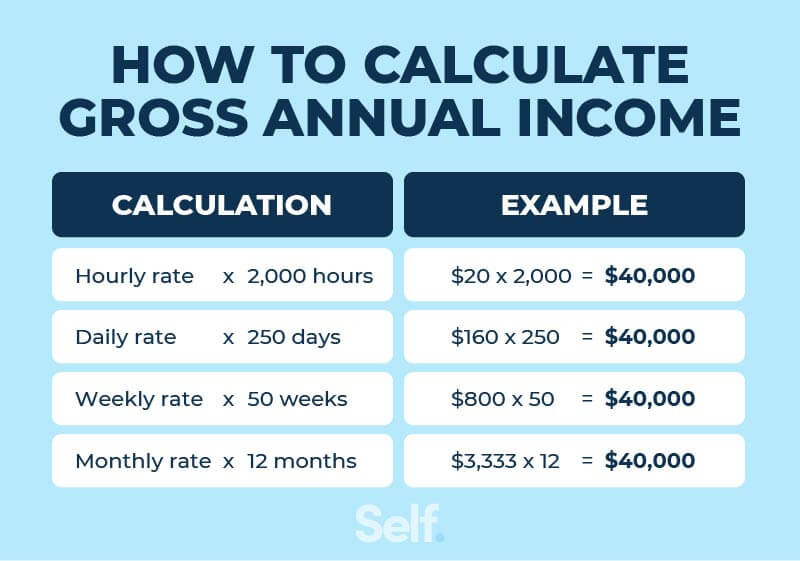
Gross income represents the total amount of money you’ve earned from all sources before any taxes, deductions, or withholdings are taken out. It is your raw, unadjusted earnings. For salaried employees, this is your annual salary. For hourly workers, it’s your hourly rate multiplied by the total hours worked, plus any overtime. For self-employed individuals, it’s the total revenue generated from their business or services before any business expenses are considered.
How to Calculate Gross Income:
- For W-2 Employees:
- Salary: If salaried, your annual gross income is your stated salary plus any bonuses, commissions, or taxable benefits.
- Hourly: (Hourly Rate x Total Regular Hours Worked) + (Overtime Rate x Total Overtime Hours Worked) + Bonuses/Commissions.
- Where to Find It: Your pay stubs typically show your gross earnings for each pay period and year-to-date. Your annual W-2 form will clearly state your total gross wages in Box 1.
- For Self-Employed/1099 Individuals:
- Sum of all payments received from clients, sales of goods, or services rendered, before deducting any business expenses.
- Where to Find It: Your invoices, bank statements, accounting software reports, or 1099-NEC/1099-K forms received from clients/platforms.
- For Investment/Passive Income:
- Sum of all interest, dividends, rental income (before expenses), capital gains, and royalties.
- Where to Find It: 1099-INT, 1099-DIV, 1099-B, Schedule K-1, or personal records for rental income.
Your total gross yearly income is the sum of all gross earnings from all identified sources. This figure is critical for determining eligibility for loans, mortgages, and certain government benefits, as these often look at your pre-tax income.
Navigating Deductions and Withholdings

Once you have your gross income, the next step towards understanding your take-home pay involves accounting for deductions and withholdings. These are amounts subtracted from your gross pay before you receive it. They fall into several categories:
- Mandatory Federal and State Taxes:
- Federal Income Tax: Withheld based on your W-4 form (for W-2 employees) or paid via estimated taxes (for self-employed).
- State Income Tax: Applicable in most states.
- Local Income Tax: Applicable in some cities/localities.
- Payroll Taxes (FICA):
- Social Security Tax: A fixed percentage (currently 6.2% for employees, up to an annual limit). Self-employed individuals pay both employer and employee portions (12.4% total) as part of their self-employment tax.
- Medicare Tax: A fixed percentage (currently 1.45% for employees). Self-employed individuals pay both portions (2.9% total).
- Pre-Tax Deductions: These are amounts taken out of your gross pay before income taxes are calculated, thereby reducing your taxable income.
- Health Insurance Premiums: Often deducted directly from paychecks.
- Retirement Contributions: Contributions to 401(k)s, 403(b)s, or traditional IRAs.
- FSA/HSA Contributions: Flexible Spending Account or Health Savings Account contributions.
- Commuter Benefits: Pre-tax contributions for transit or parking.
- Post-Tax Deductions: These are taken out after income taxes have been calculated.
- Roth 401(k) or Roth IRA Contributions: These are made with after-tax dollars.
- Life Insurance Premiums: If paid through payroll deduction.
- Loan Repayments: For employer-sponsored loans.
- Garnishments: Court-ordered deductions for debts.
Calculating Your Net (Take-Home) Income
Net income, often referred to as “take-home pay,” is the amount of money you actually receive after all taxes, deductions, and withholdings have been subtracted from your gross income. This is the money you have available for spending, saving, and investing.
Formula:
Net Yearly Income = Gross Yearly Income – Total Yearly Taxes – Total Yearly Pre-Tax Deductions – Total Yearly Post-Tax Deductions
Where to Find It: Your pay stubs will show your net pay for each period and the year-to-date totals for all deductions. For self-employed individuals, your net income is typically your gross revenue minus your business expenses (before personal income tax), and then further reduced by estimated tax payments.
Special Considerations for Self-Employed Individuals
Calculating net income for self-employed individuals is more complex because they are responsible for paying estimated taxes directly, rather than having them withheld.
- Business Expenses: Self-employed individuals must subtract all legitimate business expenses (e.g., office supplies, software, advertising, travel, home office deductions, health insurance premiums) from their gross revenue to arrive at their “net profit” from the business. This net profit is then subject to income tax and self-employment tax.
- Self-Employment Tax: This covers Social Security and Medicare taxes (the employer and employee portions). It’s calculated on 92.35% of your net earnings from self-employment.
- Estimated Taxes: Self-employed individuals typically pay estimated quarterly taxes to the IRS and state tax authorities to cover their income and self-employment tax liabilities.
By diligently tracking both gross earnings and all applicable deductions and withholdings, you can confidently arrive at an accurate yearly net income figure, providing a realistic understanding of the money you truly have at your disposal. This distinction is paramount for effective financial management and strategic planning.
Practical Steps and Tools for Accurate Assessment
Calculating your yearly income doesn’t have to be an overwhelming task. By adopting a systematic approach and leveraging readily available tools, you can ensure accuracy and make the process much more efficient. From gathering your initial documents to utilizing modern financial software, these practical steps will guide you.
Gathering Your Financial Documents
The first and most critical step is to collect all relevant financial documents. These documents serve as your primary data sources, providing the exact figures needed for an accurate calculation. Consistency and completeness are key here.
- Pay Stubs: For W-2 employees, keep all your pay stubs throughout the year. They detail gross pay, deductions, and net pay for each period and often provide year-to-date totals.
- W-2 Forms: Your employer will send you a W-2 form by January 31st each year, summarizing your gross wages, taxes withheld, and certain pre-tax deductions for the previous year. This is a definitive source for W-2 income.
- 1099 Forms (NEC, MISC, K, INT, DIV, B): If you have freelance income, investment income, or receive payments from certain platforms, you will receive 1099 forms. These are crucial for documenting non-W-2 income sources.
- Bank Statements: Review your bank statements to track direct deposits, payments received from clients (especially for self-employed individuals), and any other income that might not be formally documented elsewhere.
- Invoices and Sales Records: For freelancers and small business owners, detailed records of invoices issued and payments received are essential for calculating gross revenue.
- Business Expense Receipts/Records: Crucial for self-employed individuals to accurately determine net profit, which is taxed.
- Retirement Account Statements: If you are taking distributions from retirement accounts, these statements will provide the necessary income figures.
Utilizing Spreadsheets and Financial Software
Once your documents are assembled, you need a method for organizing and calculating the data. Digital tools offer significant advantages in terms of accuracy, automation, and ease of use.
- Spreadsheets (Excel, Google Sheets): For those comfortable with spreadsheets, this is an excellent, free tool. Create columns for each income source, gross amounts, deductions, and net amounts. You can set up formulas to automatically sum your monthly and yearly totals. This allows for detailed tracking and customization.
- Personal Finance Software:
- Budgeting Apps (e.g., Mint, YNAB – You Need A Budget, Personal Capital/Empower): Many of these apps can link to your bank accounts and investment platforms, automatically categorizing transactions and providing a dashboard view of your income and expenses. While primarily for budgeting, they can provide a good overview of your aggregated income.
- Tax Software (e.g., TurboTax, H&R Block): These programs are designed to help you prepare your taxes, but they also serve as an excellent tool for compiling your annual income. By inputting your W-2s, 1099s, and other income data, the software will automatically calculate your total gross and taxable income.
- Small Business Accounting Software (e.g., QuickBooks, FreshBooks): If you are self-employed, these tools are invaluable for tracking invoices, payments, expenses, and ultimately, your net business income. They can generate comprehensive reports that make income calculation straightforward.
Consulting with Financial Professionals
While self-assessment is achievable, complex financial situations may warrant professional guidance.
- Tax Preparers/Accountants: If you have multiple income streams, own a business, or have significant investments, a qualified tax professional can help you accurately calculate your yearly income, ensure compliance with tax laws, and identify potential deductions or credits you might overlook. They can provide an official, accurate figure for your total adjusted gross income (AGI), which is often the most important income figure for various financial applications.
- Financial Advisors: Beyond just tax preparation, a financial advisor can help you understand how your income fits into your broader financial plan, offering insights into investment strategies, retirement planning, and wealth management based on your earning capacity.
Annual Review and Adjustments
Figuring out your yearly income isn’t a one-time task; it’s an annual commitment.
- Regular Monitoring: Throughout the year, regularly review your pay stubs, bank statements, and business records to keep track of your earnings. This helps catch discrepancies early.
- Year-End Reconciliation: At the end of each year (or the beginning of the new one), gather all your documents and perform a comprehensive reconciliation. Compare your personal calculations with the official tax documents you receive (W-2s, 1099s).
- Adjustments for Changes: Your income can fluctuate due to raises, job changes, new side hustles, or changes in investment performance. Factor these changes into your calculations for the upcoming year to maintain accuracy.
By following these practical steps and leveraging the appropriate tools, you can transform the potentially daunting task of figuring out your yearly income into a streamlined and insightful process, providing you with a robust foundation for all your financial decisions.
Leveraging Your Income Knowledge for Financial Growth
Calculating your yearly income is not an end in itself; it’s a powerful beginning. The true value lies in how you apply this knowledge to enhance your financial well-being and achieve your long-term goals. With a precise understanding of your earnings, you are equipped to make strategic decisions that can accelerate debt reduction, amplify savings, optimize investments, and plan for a more prosperous future.
Informed Budgeting and Expense Management
Your yearly income is the master key to unlocking effective budgeting. Knowing exactly how much money flows into your accounts allows you to create a budget that is not only realistic but also empowering.
- Create a Realistic Budget: Based on your net yearly income, you can confidently allocate funds for necessities (housing, food, utilities), discretionary spending, and savings. This eliminates guesswork and minimizes the risk of overspending.
- Identify Areas for Optimization: By comparing your income to your spending, you can pinpoint where your money is truly going. This insight can reveal opportunities to cut unnecessary expenses, reallocate funds to more impactful areas, or identify luxury items that could be trimmed to free up capital for savings or debt repayment.
- Track Spending Habits: Regular review of your budget against your actual income helps you understand your financial behavior, allowing for adjustments and improvements over time. It transforms budgeting from a restrictive chore into a strategic tool for financial control.
Debt Management and Accelerated Payoff
Understanding your yearly income is instrumental in formulating an effective debt repayment strategy. Whether it’s credit card debt, student loans, or a mortgage, a clear income picture helps you determine how aggressively you can tackle your liabilities.
- Determine Affordable Payments: Your net income dictates how much extra you can realistically allocate towards debt beyond minimum payments without compromising other financial needs.
- Choose a Repayment Strategy: Strategies like the “debt snowball” or “debt avalanche” rely on consistent extra payments. Knowing your income helps you commit to these strategies and project a clear payoff timeline.
- Assess Refinancing Opportunities: Lenders evaluate your income-to-debt ratio when considering refinancing options. A strong, clear income figure can help you secure better interest rates, potentially saving you thousands over the life of a loan.
Strategic Savings and Investment Planning
The ultimate goal of knowing your income is often to grow your wealth. With a solid income figure, you can set meaningful savings goals and construct a robust investment portfolio.
- Set Achievable Savings Goals: Whether for an emergency fund, a down payment, or a specific purchase, your income helps you set realistic monthly or yearly savings targets.
- Maximize Retirement Contributions: Understand how much you can contribute to tax-advantaged accounts like 401(k)s, IRAs, and HSAs. Maximizing these contributions, based on your income level, can significantly boost your retirement nest egg and reduce your taxable income.
- Diversify Investments: As your income grows, you might have more capital to explore different investment vehicles beyond retirement accounts, such as individual stocks, bonds, mutual funds, or real estate, aligning with your risk tolerance and financial goals.
- Automate Savings: Automating transfers from your checking account to savings or investment accounts immediately after receiving your net income is a powerful strategy, often made easier once you know your consistent take-home pay.
Future Income Projections and Career Planning
Beyond the current year, your understanding of your income is a valuable asset for future planning and career development.
- Project Future Earning Potential: By analyzing your current income and industry trends, you can project future earning potential, which is vital for long-term financial planning, such as estimating future retirement needs or affordability for major purchases.
- Inform Career Decisions: Your income knowledge can influence decisions about pursuing further education, changing careers, negotiating raises, or starting a side business. It provides a data-driven basis for evaluating the financial impact of different career paths.
- Build Financial Resilience: A clear understanding of your income helps you build financial resilience against unexpected events. It allows you to calculate how long your emergency fund would last if your income temporarily ceased, prompting you to build a stronger financial safety net.
In conclusion, figuring out your yearly income is far more than an administrative task; it’s a critical step towards financial empowerment. It provides the clarity and data required to budget effectively, manage debt strategically, save diligently, and invest wisely. By consistently tracking and understanding your earnings, you lay a solid foundation for achieving financial security and unlocking your full wealth-building potential.
aViewFromTheCave is a participant in the Amazon Services LLC Associates Program, an affiliate advertising program designed to provide a means for sites to earn advertising fees by advertising and linking to Amazon.com. Amazon, the Amazon logo, AmazonSupply, and the AmazonSupply logo are trademarks of Amazon.com, Inc. or its affiliates. As an Amazon Associate we earn affiliate commissions from qualifying purchases.