
Understanding your wages is far more than simply knowing the number that appears on your paycheck. It’s a fundamental cornerstone of personal finance, career development, and long-term financial planning. Whether you’re a job seeker evaluating an offer, an employee aiming for a raise, a freelancer setting your rates, or an entrepreneur determining your worth, gaining a comprehensive grasp of “how to figure out wages” is indispensable. It empowers you to make informed decisions, negotiate effectively, and build a stable financial future.
This guide will deconstruct the various facets of wages, moving beyond the gross figure to explore total compensation, market benchmarks, deductions, and strategies for maximizing your earning potential across diverse employment models.

Deconstructing Your Compensation Package
A wage is rarely a singular, static figure. Instead, it’s often a complex mosaic of various components that, when understood holistically, reveal your true financial value.
Base Salary vs. Total Compensation
The base salary is the fixed amount of money you receive for performing your job duties, typically paid on an hourly, weekly, bi-weekly, or monthly basis. It’s the most straightforward part of your compensation. However, focusing solely on this figure can be a significant oversight. Total compensation encompasses your base salary plus all other forms of remuneration, including benefits, bonuses, equity, and other perks. Understanding this broader picture is crucial for comparing job offers accurately and appreciating your full financial package. For instance, a job with a lower base salary but exceptional health insurance, a generous 401(k) match, and significant equity might be financially superior to one with a higher base but minimal benefits.
Hourly vs. Salaried Structures
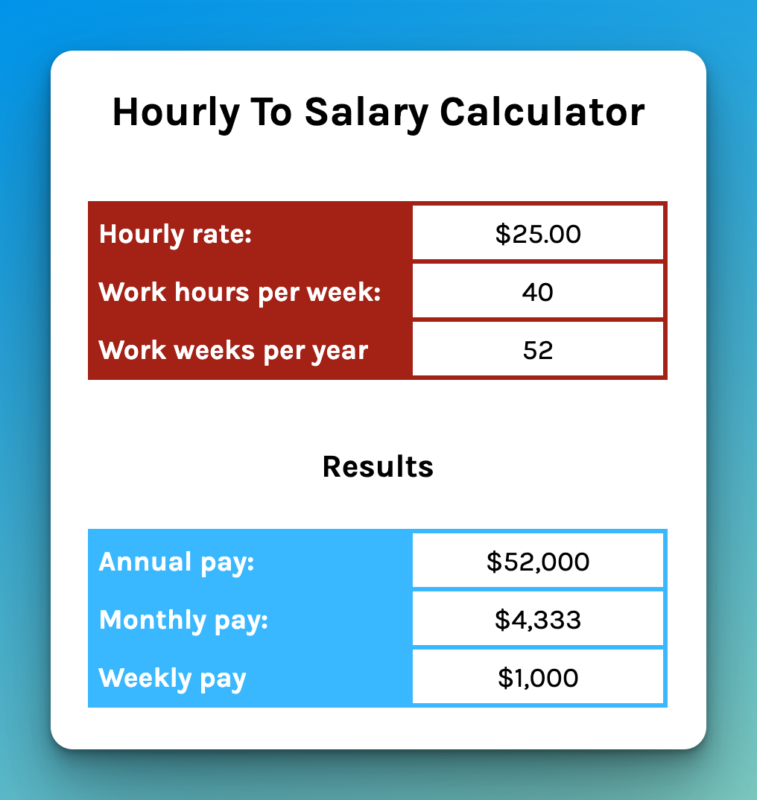
The structure of your pay profoundly impacts your financial life. Hourly employees are paid for each hour worked, often making them eligible for overtime pay (typically 1.5 times their regular rate) for hours exceeding 40 in a workweek. This structure can offer flexibility and direct compensation for extra effort but might lack predictability. Salaried employees, on the other hand, receive a fixed annual sum, regardless of the hours worked, and are generally exempt from overtime pay. This provides consistent income but may require working beyond standard hours without additional direct compensation. Each structure has its trade-offs in terms of income predictability, work-life balance, and potential for increased earnings.
Variable Pay Components
Beyond your base, many roles offer variable pay components that can significantly boost your overall earnings.
-
Bonuses are one-time payments tied to individual, team, or company performance, often paid annually or quarterly.
-
Commissions are earnings based on sales or achieving specific revenue targets, common in sales roles.
-
Profit-sharing plans distribute a portion of a company’s profits among its employees.
-
Equity, such as stock options or Restricted Stock Units (RSUs), grants employees ownership in the company, which can be immensely valuable, especially in high-growth industries like tech, but comes with inherent market risks. These variable components add excitement and potential for significant financial gain but introduce an element of unpredictability to your overall wage.
The Value of Benefits and Non-Monetary Perks
Often overlooked, the value of benefits and non-monetary perks can represent a substantial portion of your total compensation. Health, dental, and vision insurance are standard, but the quality and cost-sharing can vary wildly. Retirement plans, especially those with employer matching (like a 401(k) match), are essentially free money for your future. Paid Time Off (PTO), sick leave, and holidays also have a direct monetary value. Other perks might include tuition reimbursement, professional development stipends, wellness programs, gym memberships, subsidized meals, transportation allowances, and even remote work flexibility. Quantifying these benefits is vital. For example, a company covering 100% of your health premiums could be worth thousands of dollars annually compared to one where you pay a significant portion.
Navigating Market Rates and Benchmarking Your Value
One of the most effective ways to figure out your wages, or what you should be earning, is to understand the market value for your skills, experience, and role. This requires diligent research and an awareness of various influencing factors.
Leveraging Online Salary Tools and Databases
The digital age has provided an unprecedented level of transparency regarding compensation. A wealth of online salary tools and databases can offer insights into what professionals in similar roles are earning. Platforms like Glassdoor, LinkedIn Salary, Payscale, Salary.com, and Indeed Salary are invaluable resources. To use them effectively, refine your searches with specific filters: job title, industry, company size, years of experience, and crucially, geographic location. Remember that these tools rely on self-reported data, so it’s wise to cross-reference multiple sources and view the figures as broad ranges rather than definitive amounts.
Industry-Specific Surveys and Professional Networks
Beyond general salary aggregators, many industries have specialized surveys published by professional organizations or consulting firms. These reports often provide more granular and accurate data for niche roles within a specific sector. Joining professional associations and attending industry conferences can also connect you with peers who can offer qualitative insights into compensation trends. Networking, both online and in-person, allows for discreet information gathering about typical salary ranges without directly asking individuals about their specific earnings.
Geographic and Experience-Based Adjustments
Location plays a massive role in wage determination. A software engineer in San Francisco will likely earn significantly more than one in a lower cost-of-living area, even with similar experience. This is due to factors like the local cost of living, demand for specific skills in that region, and the prevalence of high-paying industries. Similarly, your years of experience directly correlate with your earning potential. Entry-level roles command lower wages, while senior or leadership positions, requiring extensive experience and specialized knowledge, command substantial premiums. Always consider these adjustments when evaluating salary data.
Skills, Education, and Certifications Premiums
Your specific skill set, educational background, and any professional certifications you hold can significantly impact your wage. In-demand skills, especially those related to emerging technologies or specialized fields (e.g., data science, cybersecurity, cloud computing, advanced AI/ML), often command a premium. Higher education, particularly master’s degrees or PhDs in relevant fields, can open doors to higher-paying positions and leadership roles. Professional certifications, such as a Project Management Professional (PMP) or a Certified Public Accountant (CPA), validate expertise and often lead to higher compensation. Continuous learning and upskilling are therefore critical for wage growth.
Calculating Your Take-Home Pay
Understanding your gross wage is just the first step; your take-home pay, or net pay, is what truly matters for your budget and financial planning. The journey from gross to net involves various deductions.
The Impact of Taxes

Taxes are the largest deduction from most paychecks. These typically include:
-
Federal Income Tax: Progressive tax brackets mean higher earners pay a larger percentage of their income in taxes.
-
State Income Tax: Not all states have income tax, but for those that do, rates vary significantly.
-
Local Income Tax: Some cities or counties impose their own income taxes.
-
FICA Taxes: This covers Social Security and Medicare contributions. Social Security has a wage cap, while Medicare does not.
Your W-4 form dictates how much tax is withheld from each paycheck, which can be adjusted to minimize under- or over-withholding.
Pre-Tax vs. Post-Tax Deductions
Deductions are categorized as either pre-tax or post-tax, which affects your taxable income.
-
Pre-Tax Deductions: These are subtracted from your gross pay before taxes are calculated, thereby lowering your taxable income. Common examples include contributions to a traditional 401(k), health insurance premiums, Flexible Spending Accounts (FSAs), and Health Savings Accounts (HSAs). Leveraging pre-tax deductions can reduce your current tax liability.
-
Post-Tax Deductions: These are subtracted from your pay after taxes have been calculated. Examples include contributions to a Roth 401(k), certain disability insurance premiums, life insurance, union dues, or garnishments. While they don’t reduce your taxable income now, they serve other financial purposes, like future tax-free growth in a Roth account.
Deciphering Your Pay Stub
Your pay stub is a vital financial document, detailing all components of your compensation and deductions. It typically shows:
-
Gross Pay: Your total earnings before any deductions.
-
Net Pay: Your actual take-home amount.
-
Itemized Deductions: A clear breakdown of all taxes (federal, state, local, FICA) and other deductions (health insurance, 401(k), etc.).
-
Year-to-Date (YTD) Totals: Cumulative totals for earnings and deductions, useful for tracking annual progress and tax planning.
Learning to read and understand your pay stub ensures accuracy and helps you identify any discrepancies or opportunities to optimize your deductions.
Budgeting Based on Net Pay
The most crucial financial practice stemming from understanding your wages is budgeting based on your net pay. It’s tempting to think in terms of your gross salary, but that isn’t the money available to you for living expenses, savings, and investments. Creating a budget based on your actual take-home pay provides a realistic financial framework, allowing you to allocate funds effectively, save responsibly, and avoid overspending.
Strategies for Effective Salary Negotiation and Growth
Knowing your worth and understanding market rates is powerful, but translating that knowledge into higher wages requires strategic negotiation and a commitment to continuous growth.
Research as Your Foundation
Every successful negotiation begins with thorough research. Before you even enter discussions, you should have a solid understanding of market rates for your role, industry, location, and experience level. Utilize the online tools, industry reports, and networking insights discussed earlier. This foundational knowledge empowers you to articulate a fair and justified salary expectation, demonstrating that your request is not arbitrary but data-driven.
Articulating Your Value Proposition
When negotiating, it’s not enough to just ask for more money; you must clearly articulate why you deserve it. This means showcasing your unique value proposition. Prepare concrete examples of your accomplishments, skills, and contributions to previous roles or projects. Quantify your impact whenever possible (e.g., “increased sales by 15%,” “reduced costs by $50,000,” “led a team of 5 to successfully launch a critical product”). Focus on how your skills and experience will directly benefit the employer and contribute to their success.
The Negotiation Process
Salary negotiation is a conversation, not a demand.
-
Be Patient and Professional: Don’t accept the first offer immediately. Express enthusiasm for the role but indicate you’d like to discuss the compensation package.
-
Aim for a Range: When asked about your salary expectations, provide a well-researched range, with your desired figure towards the higher end. This shows flexibility while setting your anchor.
-
Consider Total Compensation: Remember to negotiate the entire package, not just the base salary. Benefits, sign-on bonuses, relocation assistance, equity, and vacation time are all negotiable components.
-
Handle Counter-Offers Gracefully: If the employer provides a lower counter-offer, re-emphasize your value and the data supporting your request. Be prepared to walk away if your minimum acceptable terms aren’t met, but do so respectfully.
Continuous Improvement and Performance Reviews
Wage growth isn’t a one-time event; it’s an ongoing process.
-
Skill Development: Continuously learning new skills, especially those in high demand, makes you more valuable and justifies higher pay.
-
Performance Excellence: Consistently exceeding expectations in your current role strengthens your case for raises and promotions. Document your achievements throughout the year.
-
Annual Reviews: Performance reviews are prime opportunities to discuss your accomplishments, career trajectory, and compensation expectations. Prepare a strong case outlining your contributions and market value. Proactively scheduling these conversations, even outside formal cycles, can also be effective.
Wages in Non-Traditional Employment Models
The evolving landscape of work means “wages” can take many forms beyond the traditional employee-employer relationship. Figuring out your earnings in freelance, entrepreneurial, or gig economy roles requires a different approach.
Freelance and Contract Work
For freelancers and independent contractors, setting rates is crucial. You’re not just selling your time or output; you’re also covering your own benefits, taxes, and business overhead.
-
Pricing Strategies: You can charge hourly, per project, or via a retainer. Hourly rates need to factor in your desired annual income, plus time for administrative tasks, client acquisition, and skill development. Project-based fees require breaking down the work into tasks and estimating the time required, then adding a profit margin. Retainers offer predictable income for ongoing services.
-
Value-Based Pricing: Instead of just charging for time, consider the value you provide to the client. If your work helps a client save $10,000, charging $2,000 for it is a bargain for them and profitable for you.
-
Overhead: Remember to account for self-employment taxes, health insurance, software subscriptions, office supplies, and other business expenses when setting your rates.
Entrepreneurial Income
For business owners, “wages” are typically drawn from the business’s profits.
-
Owner’s Draw vs. Salary: Sole proprietors or partners might take an “owner’s draw” from business profits. For incorporated businesses, you might pay yourself a regular salary.
-
Profit Margins: Understanding your revenue, cost of goods sold (COGS), and operating expenses is fundamental to determining your profit margins, which dictate how much you can realistically pay yourself.
-
Business Growth: A successful business prioritizes reinvesting profits for growth. Your personal wage will often balance your financial needs with the business’s capacity to reinvest.
Side Hustles and Gig Economy
Side hustles and gig economy work provide supplementary income, but it’s essential to calculate the true net earnings.
-
Valuing Your Time: Consider how much you’re making per hour after accounting for all related activities (travel, preparation, cleanup, administrative tasks).
-
Platform Fees: Many gig economy platforms (e.g., ride-sharing, delivery, freelancing sites) take a percentage of your earnings. Factor these fees into your calculations.
-
Expenses: Don’t forget expenses like fuel, vehicle maintenance, specialized equipment, or marketing costs when determining the profitability of your side hustle.
Understanding these factors ensures your supplementary income truly adds value to your financial picture.
Conclusion
Figuring out wages is a multifaceted skill that transcends merely looking at a number on a contract. It demands a holistic understanding of your total compensation package, diligent research into market benchmarks, a clear grasp of tax implications and deductions, and the strategic application of negotiation tactics. Furthermore, it requires adaptability as you navigate various employment models, from traditional roles to the dynamic world of freelancing and entrepreneurship. By taking a proactive and informed approach to understanding your wages, you empower yourself to make better financial decisions, secure your worth, and confidently steer your career toward sustained growth and financial well-being.
aViewFromTheCave is a participant in the Amazon Services LLC Associates Program, an affiliate advertising program designed to provide a means for sites to earn advertising fees by advertising and linking to Amazon.com. Amazon, the Amazon logo, AmazonSupply, and the AmazonSupply logo are trademarks of Amazon.com, Inc. or its affiliates. As an Amazon Associate we earn affiliate commissions from qualifying purchases.