
Purchasing a vehicle is often the second-largest financial commitment a person makes, surpassed only by the purchase of a home. Yet, many consumers enter the dealership focused solely on the “monthly payment,” a narrow perspective that can lead to long-term financial strain. To truly master your personal finances, you must look beyond the sticker price and understand the intricate mechanics of auto financing. Figuring out a car loan involves more than just basic arithmetic; it requires a strategic analysis of interest rates, loan terms, and the total cost of ownership.
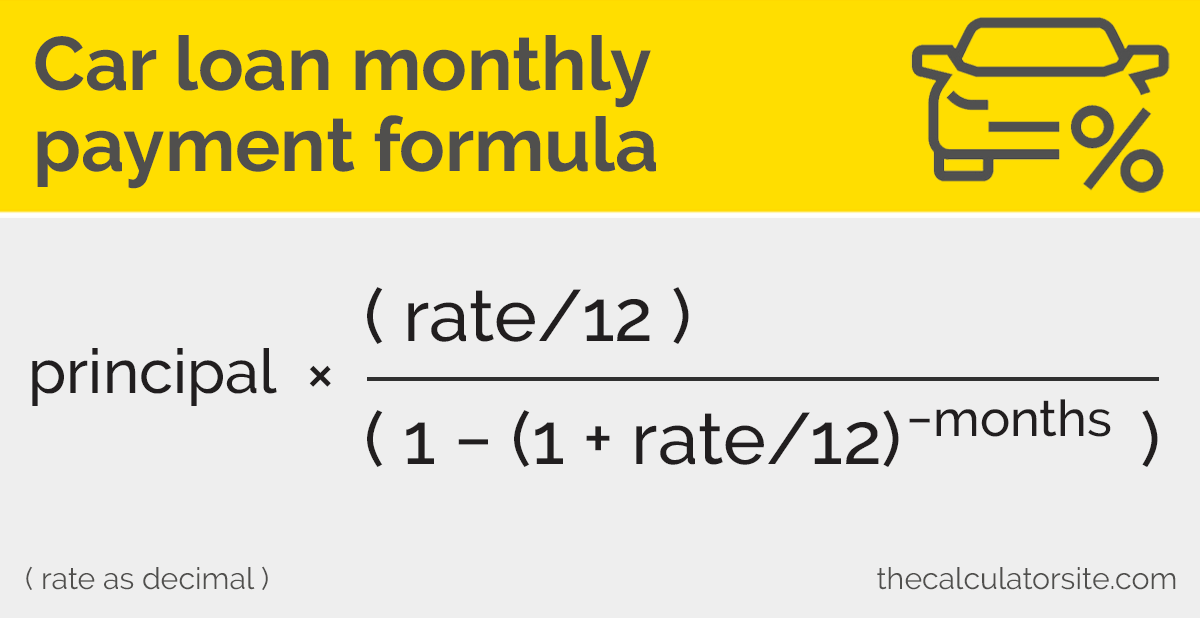
This guide provides a deep dive into the financial frameworks of auto loans, empowering you to make a decision that aligns with your long-term wealth-building goals rather than just your immediate transportation needs.
Decoding the Mechanics of a Car Loan
Before you sign a contract, you must understand the individual levers that determine how much your car will actually cost over the life of the loan. A car loan is a multi-variable equation where a change in one factor—such as the interest rate or the term length—can have a massive ripple effect on your net worth.
Understanding Principal and Interest Rates (APR)
The principal is the actual amount you borrow to cover the purchase price of the vehicle, minus your down payment and any trade-in equity. The interest rate, often expressed as the Annual Percentage Rate (APR), is the cost of borrowing that money.
In the world of personal finance, the APR is the most critical number. It includes not just the base interest rate but also any lender fees. Because car loans are typically “simple interest” loans, the interest is calculated based on the remaining principal balance each month. Consequently, paying more than the minimum each month directly reduces the principal, which in turn reduces the amount of interest you owe in the following months.
The Role of Credit Scores in Loan Pricing
Your credit score is the primary determinant of the interest rate you will be offered. Lenders categorize borrowers into “tiers.” Those with “Super Prime” scores (usually 780 and above) receive the lowest rates, while “Subprime” borrowers (below 600) may face interest rates that are four to five times higher.
When figuring out your car loan, you must first pull your credit report. A difference of just 100 points on your credit score can result in thousands of dollars of extra interest over the life of a five-year loan. If your credit is on the cusp of a higher tier, it may be financially prudent to wait a few months and improve your score before applying for a loan.
Loan Terms and Amortization
The “term” refers to how long you have to pay back the loan, usually expressed in months (e.g., 36, 48, 60, 72, or 84 months). While a longer term reduces your monthly payment, it significantly increases the total interest paid. Furthermore, because cars are depreciating assets, a long-term loan increases the risk of becoming “upside down” or having “negative equity”—where you owe more on the loan than the car is worth.
Calculating the Total Cost of Ownership
A common mistake in personal finance is equating the car loan payment with the total cost of the car. To figure out a car loan’s true impact on your monthly budget, you must account for the ancillary costs that come with vehicle ownership.
Going Beyond the Monthly Payment
When you take on a car loan, you are also committing to increased insurance premiums, fuel costs, and maintenance. Most lenders require “full coverage” insurance (comprehensive and collision) for the duration of the loan. This is often significantly more expensive than the “liability only” insurance you might carry on an older, paid-off vehicle. Before finalizing a loan, call your insurance provider to get an estimate for the specific make and model you are considering.
Taxes, Fees, and Documentation Costs
The “out-the-door” price is the only number that matters. This includes the negotiated price of the car plus state sales tax, title and registration fees, and the dealership’s documentation fee. Many buyers forget to factor these in, often finding themselves needing to borrow an additional $2,000 to $4,000 just to cover these “soft costs.” Ideally, these should be paid in cash rather than rolled into the loan to avoid paying interest on taxes.
The Reality of Depreciation
While not a direct monthly cash outflow, depreciation is a massive “hidden cost.” Most new cars lose 15% to 20% of their value in the first year alone. When figuring out your loan, consider how the vehicle’s value will drop relative to your loan balance. If you put 0% down and take a 72-month loan, you will likely have negative equity for the first four years of ownership. This can become a financial disaster if the car is totaled in an accident or if you need to sell it unexpectedly.
Strategic Financial Planning for Your Purchase
To maintain financial health, you should apply standardized personal finance rules to your car purchase. This prevents “lifestyle creep” and ensures that your car doesn’t prevent you from hitting other milestones, like retirement savings or home ownership.
The 20/4/10 Rule of Thumb
A gold standard in personal finance for car buying is the 20/4/10 rule. This rule suggests:
- 20% Down Payment: Put at least 20% down to offset initial depreciation.
- 4-Year Term: Finance the vehicle for no more than 48 months (4 years).
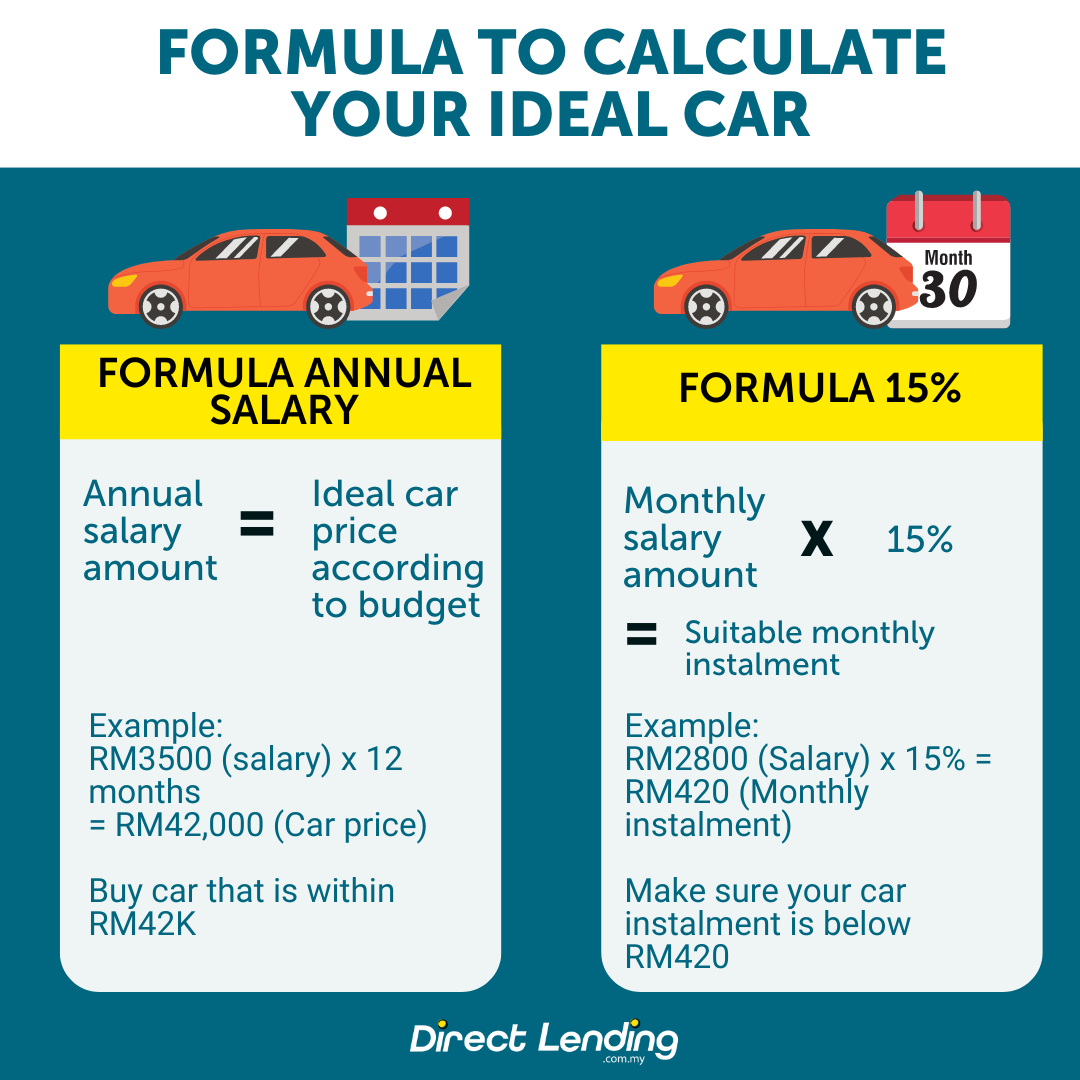
- 10% of Income: Ensure that your total transportation costs (loan payment, insurance, fuel, and maintenance) do not exceed 10% of your gross monthly income.
Following this framework ensures that you are not “car poor” and that you maintain a healthy equity position in the vehicle.
The Impact of a Substantial Down Payment
A down payment is your greatest tool for reducing the cost of a car loan. Not only does it reduce the principal balance, but it also lowers the lender’s risk. Lenders often offer better interest rates to borrowers who have more “skin in the game.” If you can increase your down payment from 5% to 20%, you might qualify for a lower interest tier, saving you money twice over.
Pre-approval vs. Dealership Financing
One of the most effective ways to figure out your car loan is to secure pre-approval from a bank or credit union before visiting a dealership. This gives you a “floor” for your interest rate. Dealerships often have “captive lenders” (like Ford Credit or Toyota Financial Services), but they may also mark up the interest rate they get from third-party banks to make a profit. With a pre-approval in hand, you can force the dealer to beat your existing rate, turning the financing process into a competitive advantage for you.
Essential Tools and Resources for Loan Comparison
In the digital age, there is no excuse for being surprised by the numbers at a dealership. Financial literacy involves using the tools available to simulate various scenarios.
Utilizing Online Car Loan Calculators
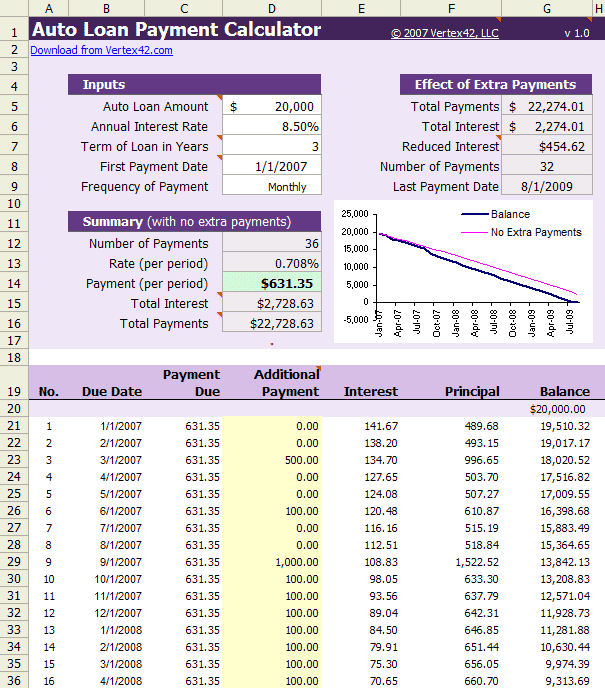
Before stepping foot on a lot, use an online amortization calculator. Plug in the estimated vehicle price, your down payment, the expected interest rate, and the term. Look specifically at the “Total Interest Paid” field. You might find that a $30,000 car actually costs you $38,000 over seven years. Seeing the total cost in black and white often encourages buyers to opt for a more modest vehicle or a shorter loan term.
Comparing Banks, Credit Unions, and Online Lenders
Not all lenders are created equal. Credit unions are member-owned and frequently offer the lowest rates on auto loans, often 1% to 2% lower than national banks. Online-only lenders can also be competitive because they have lower overhead costs. When figuring out your car loan, shop around. You should apply to at least three different lenders within a 14-day window; the credit bureaus will typically treat these as a single inquiry, minimizing the impact on your credit score.
Avoiding Common Financial Pitfalls
The auto finance industry is designed to maximize profit for the lender and the dealer. Being aware of common traps is essential for protecting your financial interests.
Negative Equity and Gap Insurance
If you find yourself in a situation where you must finance more than the car is worth (due to rolling over a previous loan or a small down payment), you must consider “Gap Insurance.” Guaranteed Asset Protection (GAP) covers the difference between what the insurance company pays if the car is totaled and what you still owe the bank. While it’s an extra cost, it’s a necessary safeguard if your loan-to-value ratio is poor.
The Danger of the “Monthly Payment” Trap
Dealers will often ask, “What monthly payment are you looking for?” This is a distraction technique. By focusing on the monthly payment, they can extend the loan term to 84 months or add expensive back-end products (like extended warranties or paint protection) while keeping the monthly payment the same. Always negotiate the total purchase price first, then the interest rate, and finally the term. Figure out each component of the loan separately to ensure you are getting a fair deal.
By taking a disciplined, math-based approach to figuring out your car loan, you move from being a passive consumer to an active financial manager. Understanding the interplay between interest rates, terms, and depreciation allows you to acquire the vehicle you need without compromising your long-term financial security. Remember: the goal isn’t just to drive a nice car; it’s to drive a nice car that you can actually afford.
aViewFromTheCave is a participant in the Amazon Services LLC Associates Program, an affiliate advertising program designed to provide a means for sites to earn advertising fees by advertising and linking to Amazon.com. Amazon, the Amazon logo, AmazonSupply, and the AmazonSupply logo are trademarks of Amazon.com, Inc. or its affiliates. As an Amazon Associate we earn affiliate commissions from qualifying purchases.