
Navigating the world of car financing can feel like deciphering a complex code, with various terms and percentages thrown your way. Among these, the interest rate stands as one of the most critical figures, directly impacting the total cost of your vehicle and your monthly budget. Understanding how to figure out your car interest rate isn’t just about crunching numbers; it’s about empowering yourself to make informed financial decisions, secure the best possible deal, and avoid costly mistakes. This comprehensive guide will demystify car loan interest rates, explaining what they are, what influences them, and how you can proactively find and secure the most favorable terms for your next vehicle purchase.

Understanding the Fundamentals of Car Loan Interest
Before you can figure out your car interest rate, it’s essential to grasp the basic concepts that underpin car financing. Interest is, simply put, the cost of borrowing money. When you take out a car loan, a lender provides you with the funds to purchase a vehicle, and in return, you agree to repay that amount (the principal) plus an additional charge, which is the interest.
What is an Interest Rate?
An interest rate is expressed as a percentage of the principal amount that a lender charges you for the use of their money. It’s typically calculated on an annual basis. For a car loan, this percentage is applied to your outstanding loan balance, determining a portion of your monthly payment. The higher the interest rate, the more expensive your loan will be over its lifetime. It’s crucial to recognize that this rate isn’t arbitrary; it reflects a lender’s assessment of the risk involved in lending you money.
APR vs. Interest Rate: The Key Difference
While often used interchangeably in casual conversation, the “interest rate” and the “Annual Percentage Rate” (APR) are distinct and crucial terms in car financing.
- Interest Rate: This is the base percentage charged on the principal amount you borrow. It represents the direct cost of borrowing the money itself.
- APR (Annual Percentage Rate): The APR provides a more comprehensive measure of the true cost of borrowing. It includes not only the interest rate but also various other fees associated with the loan, such as administrative fees, origination fees, and sometimes even credit insurance premiums (though these vary by lender and state).
When comparing loan offers, the APR is the more accurate figure to focus on because it gives you the total annual cost of the loan, expressed as a single percentage. A loan with a lower interest rate might actually have a higher APR if it comes with significant fees, making it more expensive overall. Always ask for and compare the APRs from different lenders to get a true apples-to-apples comparison.
Types of Car Loan Interest Rates
The vast majority of car loans come with a fixed interest rate. This means that the interest rate you agree to at the beginning of the loan term will remain constant for the entire duration of the loan. Your monthly principal and interest payments will stay the same, offering predictable budgeting. While variable interest rates exist for some types of loans (like certain mortgages), they are exceedingly rare for standard car loans. For practical purposes in car financing, assume you’ll be dealing with a fixed-rate loan.
Key Factors Influencing Your Car Interest Rate
Your interest rate isn’t plucked from thin air; it’s the result of several interconnected factors that lenders assess to determine their risk. Understanding these factors can help you predict and potentially improve the rate you’re offered.
Your Credit Score: The Primary Driver
Without a doubt, your credit score is the single most influential factor in determining the interest rate you qualify for. Lenders use your credit score (e.g., FICO Score, VantageScore) as a quick snapshot of your creditworthiness. A higher score signifies a lower risk, indicating a history of responsible borrowing and repayment.
- Excellent Credit (780+): Generally qualifies for the lowest interest rates.
- Good Credit (670-779): Still eligible for competitive rates, though perhaps not the absolute lowest.
- Fair Credit (580-669): May receive higher rates due to increased perceived risk.
- Poor Credit (Under 580): Often faces the highest interest rates, and may even struggle to get approved.
Before even looking at cars, it’s wise to check your credit score and report. This allows you to identify any errors and understand where you stand, potentially giving you time to improve it.
Loan Term and Principal Amount
The loan term (how long you have to repay the loan) also plays a significant role. Longer loan terms (e.g., 72 or 84 months) often come with higher interest rates than shorter terms (e.g., 36 or 48 months). This is because a longer term extends the period of risk for the lender, and the vehicle depreciates further over time, reducing its collateral value. While longer terms lead to lower monthly payments, you’ll pay significantly more in total interest over the life of the loan.
The principal amount (how much you borrow) can indirectly influence the rate. Lenders might offer slightly better rates on larger, more secure loans, but the more impactful factor here is simply that borrowing more means more interest paid, regardless of the rate.
Down Payment and Trade-in Value
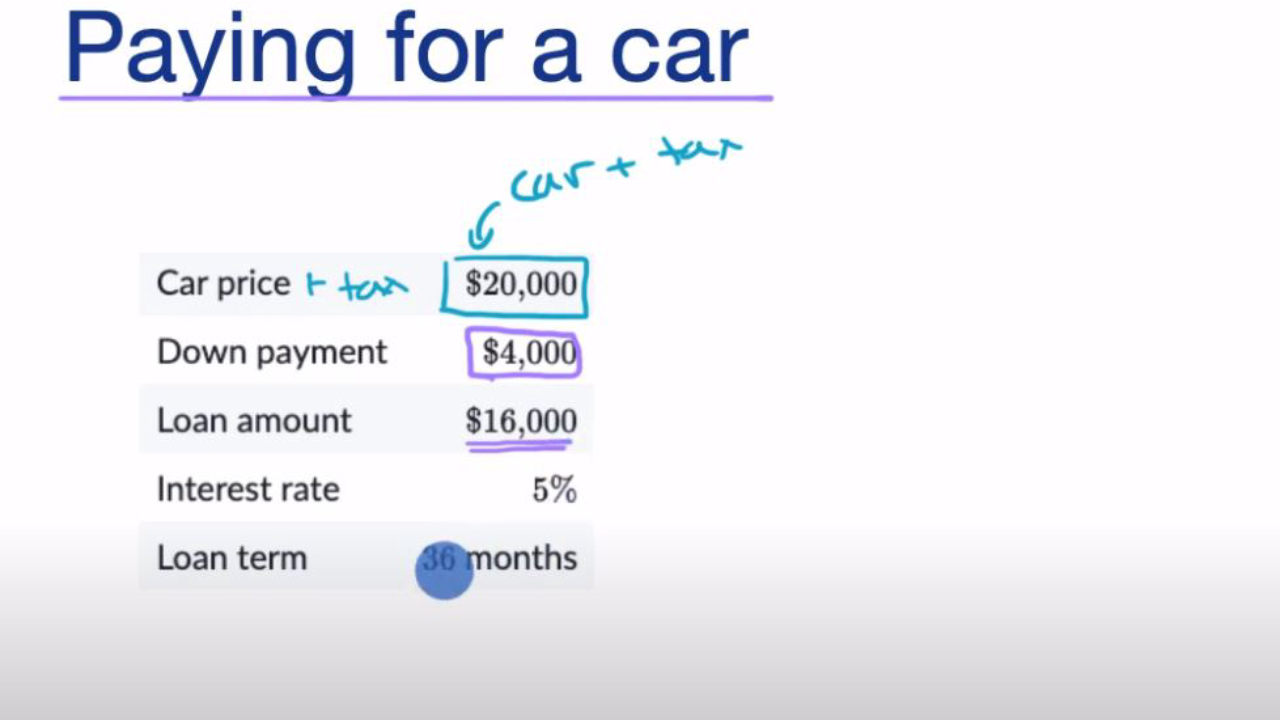
Making a substantial down payment or having a valuable trade-in for your current vehicle can significantly improve your loan terms. When you put more money down, you reduce the amount you need to borrow. This lowers the lender’s risk exposure and can make you eligible for a lower interest rate. A larger down payment also signals to lenders that you are financially stable and committed to the purchase, further enhancing your appeal as a borrower. Aim for at least 10-20% of the car’s purchase price as a down payment if possible.
Lender and Market Conditions
Not all lenders are created equal, and their rate offerings can vary widely. Banks, credit unions, online lenders, and dealership finance departments each have different overheads, risk appetites, and target customer bases. Credit unions, for example, are known for often offering more competitive rates to their members due to their non-profit structure.
Beyond individual lenders, broader market conditions also influence interest rates. Factors like the federal prime rate, inflation, and the overall economic outlook can cause interest rates across the board to rise or fall. While you can’t control these macroeconomic factors, being aware of them helps you understand why rates might be trending in a certain direction.
New vs. Used Car Loans
Generally, new car loans tend to have lower interest rates compared to used car loans. This is primarily because new cars typically depreciate at a more predictable rate and hold their value better in the initial years, making them less of a risk for lenders. Used cars, particularly older models, carry a higher risk profile due to greater uncertainty regarding their condition and future value. Additionally, new car manufacturers often offer promotional, subsidized interest rates to incentivize sales, which are rarely available for used vehicles.
Practical Steps to Figure Out and Secure the Best Rate
Knowing what influences your interest rate is one thing; actively working to secure the best one is another. Here’s a step-by-step guide to take control of your car financing.
Get Your Credit Report and Score
Your first step should always be to obtain copies of your credit report from all three major bureaus (Experian, Equifax, TransUnion) and check your credit score. Websites like AnnualCreditReport.com allow you to get free reports weekly. Review these reports carefully for any inaccuracies or errors that could be dragging down your score. Disputing and correcting errors can potentially boost your score before you apply for a loan. Knowing your score upfront also gives you a realistic expectation of what rates you might qualify for.
Shop Around for Pre-approvals
This is arguably the most crucial step for securing a favorable interest rate. Don’t wait until you’re at the dealership to think about financing. Instead, get pre-approved for a loan from several different lenders (banks, credit unions, online lenders) before you even set foot on a car lot.
- Why pre-approval matters: It gives you a firm offer with a specific interest rate and loan amount, empowering you with leverage. You’ll know your maximum budget and your monthly payment before you fall in love with a car.
- Impact on credit score: Multiple loan inquiries within a short “rate shopping” window (typically 14-45 days, depending on the credit scoring model) are usually treated as a single inquiry, having minimal impact on your score. So, don’t be afraid to compare.
Utilize Online Calculators
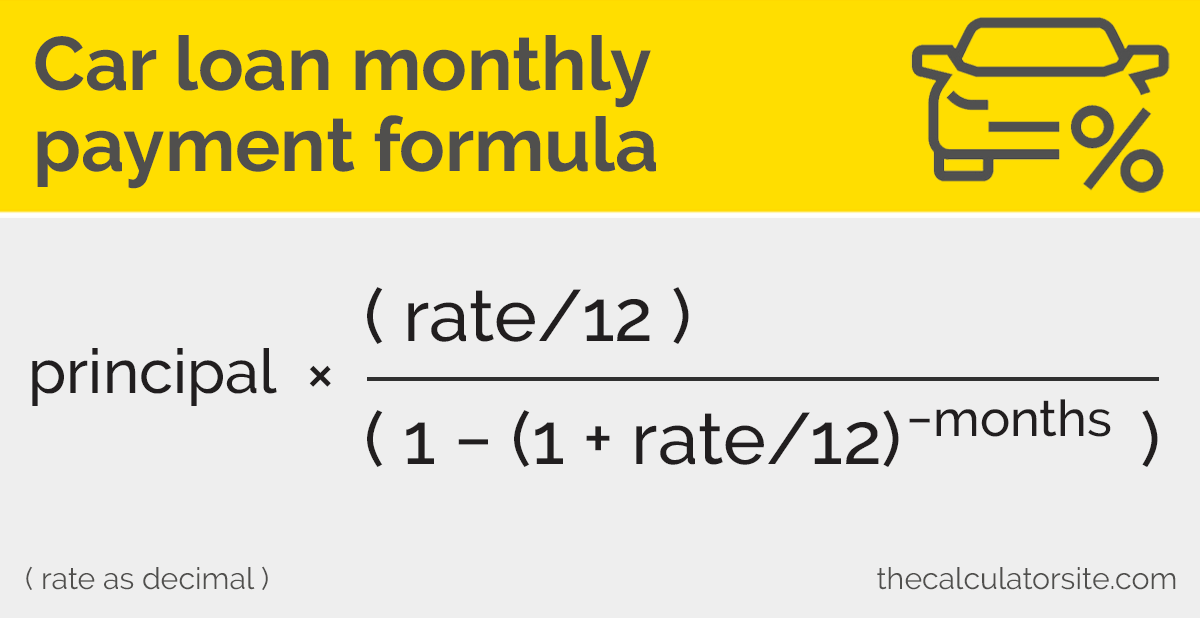
Once you have potential interest rates from pre-approvals, use online car loan calculators to model different scenarios. Input the car price, interest rate, and various loan terms to see how monthly payments and total interest paid change. These tools help you understand the long-term financial implications of different rates and terms, allowing you to fine-tune your budget and choose a payment plan that works for you.
Understand the Dealership’s Role
Dealerships offer financing, often through their “finance and insurance” (F&I) department. They typically work with a network of lenders and can present you with various loan options. However, be aware that dealerships often mark up the interest rate they get from their lending partners to earn a profit. This is perfectly legal and common practice.
Your best strategy is to walk into the dealership with at least one solid pre-approval from an outside lender. This “outside offer” acts as your baseline. Present it to the dealership and ask them to beat it. If they can offer a lower APR, great! If not, you can confidently stick with your pre-approved loan.
Beware of Add-ons and Hidden Fees
During the financing process, particularly at a dealership, you might be offered various add-on products like extended warranties, GAP insurance, paint protection, or credit life insurance. While some of these might have value, they are often expensive and can significantly inflate your total loan amount and, consequently, the amount of interest you pay. Scrutinize every line item on the contract and only agree to products you genuinely understand and believe are necessary. Don’t let these add-ons overshadow your focus on the core interest rate.
Strategies for Lowering Your Car Interest Rate
Beyond simply figuring out your rate, you can proactively take steps to secure a lower one.
Improve Your Credit Score Before Applying
If you’re not in a hurry, spending a few months improving your credit score can save you thousands over the life of a car loan.
- Pay all bills on time, every time. Payment history is the most critical factor.
- Reduce your credit utilization. Keep your credit card balances low relative to your credit limits.
- Avoid opening new credit accounts shortly before applying for a car loan.
- Address any outstanding collections or past-due accounts.
Make a Larger Down Payment
As mentioned, a larger down payment directly reduces the principal amount borrowed and signals lower risk to the lender. Even an extra few hundred or thousand dollars can make a noticeable difference in the interest rate you’re offered, especially if your credit is not perfect.
Choose a Shorter Loan Term
While it means higher monthly payments, opting for a shorter loan term (e.g., 36 or 48 months instead of 60 or 72) almost always results in a lower interest rate and significantly less total interest paid over the life of the loan. If your budget allows, a shorter term is a financially savvy choice.
Refinance Your Car Loan
If you’ve already purchased a car and your financial situation has improved, or if market rates have dropped, consider refinancing your car loan. Refinancing means taking out a new loan, typically with a lower interest rate, to pay off your existing car loan. This can be a smart move if:
- Your credit score has improved since you bought the car.
- Interest rates in the market have fallen.
- You want to change your loan term (e.g., shorten it to pay off faster or lengthen it for lower payments, though the latter might mean more overall interest).
- You want to remove a co-signer.
The process is similar to getting an initial loan: shop around, compare offers, and ensure the savings outweigh any potential fees associated with refinancing.
Conclusion
Understanding “how to figure out your car interest rate” is a critical skill for any car buyer. It moves you from being a passive recipient of loan terms to an active participant in your financial future. By recognizing the fundamental components of interest, diligently managing your credit, proactively shopping for pre-approvals, and critically evaluating every offer, you empower yourself to make informed decisions. A lower interest rate doesn’t just mean a smaller monthly payment; it translates to substantial savings over the life of your loan, freeing up your finances for other goals. Arm yourself with knowledge, be diligent in your research, and negotiate with confidence to secure the best possible terms for your next vehicle purchase. Your wallet will thank you for it.
aViewFromTheCave is a participant in the Amazon Services LLC Associates Program, an affiliate advertising program designed to provide a means for sites to earn advertising fees by advertising and linking to Amazon.com. Amazon, the Amazon logo, AmazonSupply, and the AmazonSupply logo are trademarks of Amazon.com, Inc. or its affiliates. As an Amazon Associate we earn affiliate commissions from qualifying purchases.