
Securing a significant asset, be it a home, a car, or even a business venture, often involves navigating the intricacies of financing. At the core of many such transactions lies the down payment – a crucial initial sum of money paid upfront, reducing the total amount you need to borrow. Far from being a mere formality, understanding how to figure out a down payment is a foundational skill in personal finance, directly impacting your loan terms, monthly obligations, and long-term financial health. It’s the first concrete step towards ownership, a demonstration of commitment, and a powerful tool for managing debt. This article will delve into the multifaceted world of down payments, offering insights, strategies, and practical advice to help you determine the optimal amount for your financial goals.

Understanding the Fundamentals of a Down Payment
Before we can strategize about saving or calculating, it’s essential to grasp what a down payment truly represents and why it holds such significance in the lending landscape.
What Exactly Is a Down Payment?
A down payment is an initial cash payment made by a buyer towards the purchase of a high-value item, such as a house, a vehicle, or a piece of equipment. It represents a portion of the total purchase price, and the remaining balance is then financed through a loan. For instance, if you’re buying a $300,000 house and make a $60,000 down payment, you would then borrow $240,000 from a lender. This upfront contribution serves multiple critical purposes for both the buyer and the lender. For the buyer, it reduces the principal amount of the loan, leading to smaller monthly payments and less interest paid over the life of the loan. For the lender, it acts as a form of security, reducing their risk, as the buyer already has a vested interest in the asset.
Why Down Payments Matter
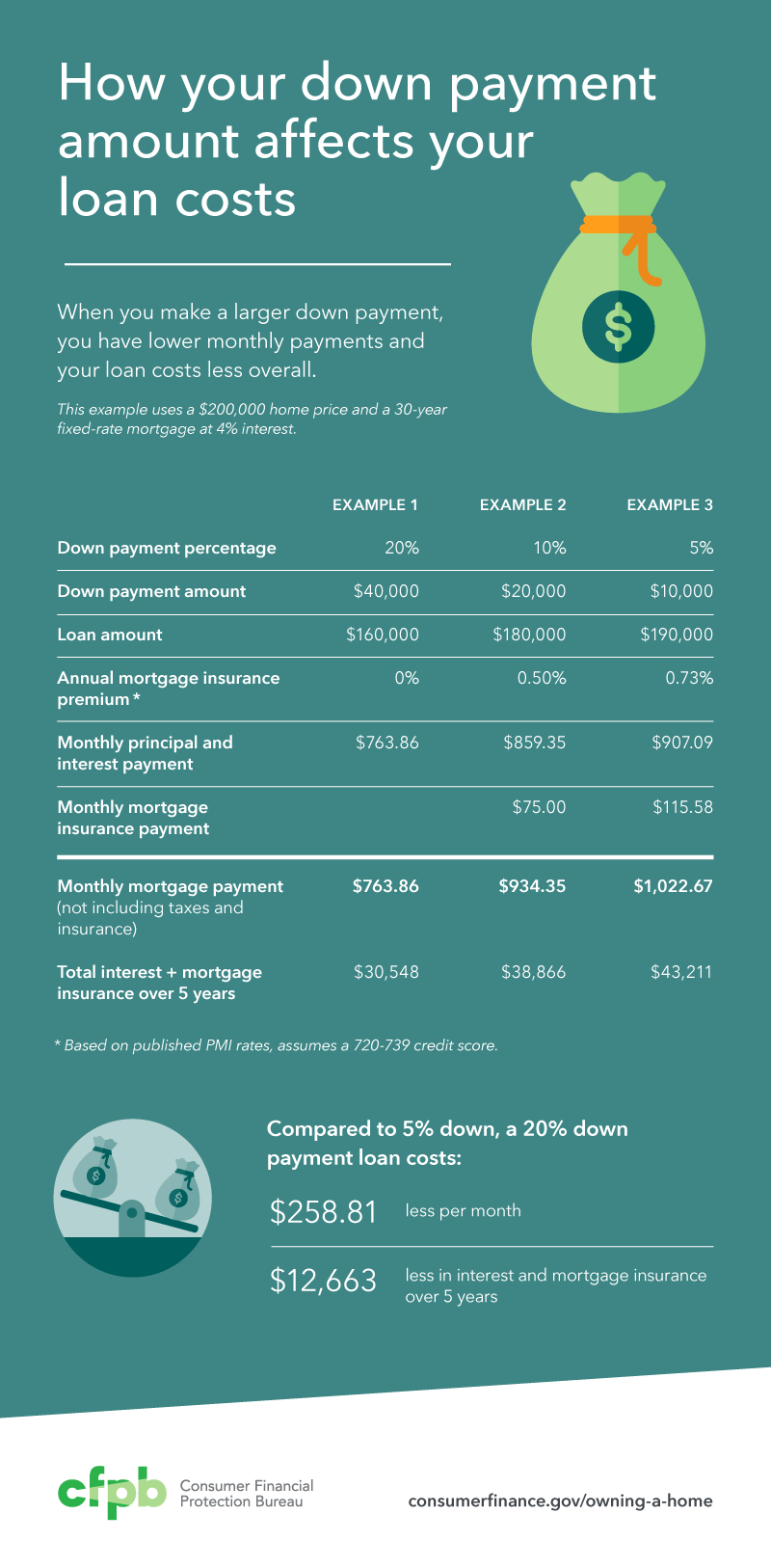
The importance of a down payment extends far beyond simply reducing the loan amount. It’s a cornerstone of responsible financial planning for major purchases. Firstly, a larger down payment directly translates to a smaller loan, which in turn means lower monthly payments. This can free up cash flow for other expenses or savings. Secondly, and often more significantly, a larger down payment can drastically reduce the total amount of interest you pay over the life of the loan. Since interest is calculated on the principal balance, starting with a lower principal means less interest accrues over time.
Furthermore, a substantial down payment can open doors to better loan terms, including lower interest rates. Lenders view borrowers with larger down payments as less risky, as they have more equity in the asset from day one. This reduced risk often incentivizes lenders to offer more favorable rates. In the context of real estate, making a down payment of 20% or more often allows buyers to avoid Private Mortgage Insurance (PMI) in the U.S. (or Lender’s Mortgage Insurance/LMI in other regions), an additional monthly cost that protects the lender, not the borrower, in case of default. By reducing loan-to-value (LTV) ratio, a good down payment also builds your equity faster, providing a cushion against market fluctuations and giving you more financial flexibility down the line.
Common Scenarios Requiring a Down Payment
Down payments are not exclusive to home purchases. They are a standard requirement across a variety of major financial commitments:
- Real Estate: This is perhaps the most common and significant instance, ranging from residential homes to commercial properties. The percentage can vary widely based on loan type (conventional, FHA, VA, USDA) and market conditions.
- Auto Loans: While some lenders offer “no money down” car loans, making a down payment on a vehicle is almost always a financially sound decision. It helps mitigate immediate depreciation and can secure better financing rates.
- Business Loans: Many small business loans, especially for equipment or property acquisition, require a down payment to demonstrate the borrower’s commitment and reduce lender risk.
- Personal Loans (Secured): While less common for unsecured personal loans, loans secured by an asset (e.g., a boat, an RV) will typically require an upfront payment.
Understanding these scenarios helps contextualize the importance of strategically planning for your down payment, regardless of the asset you intend to acquire.
Calculating Your Ideal Down Payment
Determining the “right” down payment is not a one-size-fits-all equation. It involves a careful assessment of various factors, including the type of loan, lender requirements, market conditions, and crucially, your personal financial situation and goals.
The “Standard” Down Payment Myth
One of the most pervasive myths, especially in real estate, is the idea that you must put 20% down. While a 20% down payment for a home loan offers significant advantages (like avoiding PMI and typically securing better rates), it is by no means a universal requirement. Many loan programs, particularly for first-time homebuyers or specific demographics, allow for much lower down payments, sometimes as little as 3.5% (FHA loans) or even 0% (VA and USDA loans for eligible borrowers). For auto loans, typical down payments might range from 10% to 20%, but again, options exist for lower or no down payments, albeit with potential trade-offs. The key is to understand that flexibility exists and to choose the percentage that aligns best with your financial capacity and objectives.
Factors Influencing Your Down Payment Size
Several critical factors will guide your down payment decision:
- Loan Type and Lender Requirements: Different loan products (e.g., conventional mortgage, FHA, VA, auto loan) come with specific minimum down payment requirements. Lenders also have their own internal criteria, often tied to your credit score and debt-to-income ratio.
- Market Conditions: In competitive real estate markets, a larger down payment can make your offer more attractive to sellers, especially if you’re competing with multiple bids. For vehicles, promotions might influence down payment suggestions.
- Personal Financial Goals: Are you aiming for the lowest possible monthly payment, or do you prioritize paying less interest over the long term? Your down payment directly impacts both. Do you want to build equity quickly, or do you need to preserve cash for other investments or an emergency fund?
- Credit Score: A higher credit score can sometimes allow you to qualify for better loan terms even with a smaller down payment, though a larger down payment still generally yields more favorable results.
- Your Current Savings: Realistically, how much cash do you have available without depleting your emergency fund or going into other debt? This is often the most significant practical constraint.
Real Estate Down Payments: A Closer Look
Real estate is where the down payment discussion becomes most nuanced.
- Conventional Loans: Often require a minimum of 3-5% down, though 20% is ideal to avoid PMI. These loans typically demand good credit.
- FHA Loans: Backed by the Federal Housing Administration, these are popular for first-time homebuyers or those with less-than-perfect credit. They require a minimum down payment of 3.5% but do come with Mortgage Insurance Premiums (MIP) for the life of the loan, or until you refinance out of it.
- VA Loans: Offered to eligible veterans, service members, and surviving spouses, VA loans are a tremendous benefit as they often require 0% down. They also typically have no PMI, though they do have a “funding fee” unless exempt.
- USDA Loans: For properties in eligible rural areas, USDA loans also offer 0% down to qualified low-to-moderate-income borrowers.
- State and Local Programs: Many states and local municipalities offer down payment assistance programs, grants, or second mortgages to help eligible buyers, especially first-timers, bridge the gap.
Auto Loan Down Payments: What to Consider
For cars, while 0% down options exist, they often come with higher interest rates and leave you “upside down” (owing more than the car is worth) sooner due to immediate depreciation. A down payment of 10-20% is generally recommended. This helps:
- Reduce your loan amount: Lowering monthly payments and total interest.
- Mitigate depreciation: Cars lose value quickly once driven off the lot. A down payment helps offset this initial drop, reducing the risk of being underwater on your loan.
- Improve loan terms: Lenders are more likely to offer better rates for a borrower who has skin in the game.
- Trade-ins: If you have an existing car with equity, its trade-in value can serve as a de facto down payment, further reducing the amount you need to finance.
Strategies for Saving for a Down Payment
Once you’ve calculated your target down payment, the next crucial step is developing a robust strategy to save for it. This requires discipline, clear planning, and often, some creative financial adjustments.
Setting Realistic Savings Goals
The first step is to establish a clear, achievable target. Break down your total down payment goal into smaller, manageable chunks. If you need $30,000 in three years, that’s $10,000 per year, or approximately $833 per month. Having a clear monthly or weekly savings target makes the goal less daunting and easier to track. Consider any additional closing costs or associated fees in your overall savings target, as these are separate from the down payment itself.
Budgeting and Expense Reduction
This is the bedrock of any savings plan. Meticulously track your income and expenses for a few months to identify where your money is actually going.
- Identify areas to cut: Are there subscriptions you don’t use? Can you reduce dining out, entertainment, or impulse purchases? Even small, consistent cuts can add up significantly over time.
- “No-spend” challenges: Periodically challenge yourself to a “no-spend” week or month, only paying for essentials. This can highlight unnecessary expenditures and boost your savings.
- Prioritize needs over wants: For the duration of your saving period, re-evaluate all discretionary spending. Every dollar saved is a dollar closer to your goal.

Automating Your Savings
Make saving non-negotiable by automating it. Set up an automatic transfer from your checking account to a dedicated savings account each payday. Treat this transfer like a bill that must be paid. This removes the temptation to spend the money and ensures consistent progress towards your goal. The money is “out of sight, out of mind,” making it easier to save.
Boosting Your Income
If cutting expenses isn’t enough, or if you want to accelerate your timeline, consider ways to increase your income.
- Side hustles: Freelancing, gig work (delivery, rideshare), selling crafts, or offering services can provide additional income.
- Selling unused items: Declutter your home and sell items you no longer need through online marketplaces or garage sales. The proceeds can go directly into your down payment fund.
- Temporary second job: If feasible, taking on a part-time job for a period can significantly boost your savings rate.
- Request a raise: If appropriate, negotiate for a higher salary at your current job.
Smart Investing for Short-Term Goals
For a down payment goal within a 1-5 year timeframe, prioritize safety and liquidity over high returns.
- High-yield savings accounts: These offer better interest rates than traditional savings accounts while keeping your money accessible and secure.
- Money market accounts: Similar to high-yield savings, offering competitive rates and easy access.
- Certificates of Deposit (CDs): If you have a definite timeline and can commit funds for a specific period, CDs can offer slightly higher, guaranteed returns, though they penalize early withdrawals.
- Avoid high-risk investments: Do not put your down payment savings into volatile investments like stocks or cryptocurrency if you need the money within the next few years, as a market downturn could jeopardize your entire goal.
Exploring Assistance Programs
Don’t overlook external help. Many government and non-profit organizations offer programs designed to help individuals save for down payments.
- First-time homebuyer programs: These often provide grants, low-interest second mortgages, or tax credits.
- Employer-assisted housing programs: Some employers offer benefits to help employees with housing costs.
- Family gifts: If possible and comfortable, a gift from family can be a significant boost, though specific rules and documentation are often required by lenders.
The Financial Impact of Your Down Payment Choice
The size of your down payment has a profound and lasting impact on your financial picture throughout the life of your loan. Understanding these implications is key to making an informed decision.
Lowering Your Monthly Payments
This is the most immediate and tangible benefit. A larger down payment directly reduces the principal amount borrowed. With a smaller principal, your monthly payments will be lower, freeing up cash flow in your budget. This can be especially critical for large purchases like homes, where monthly payments often constitute a significant portion of household income. Lower payments provide financial breathing room and reduce the risk of payment strain during unexpected financial challenges.
Reducing Total Interest Paid
Perhaps the most significant long-term benefit of a larger down payment is the reduction in the total amount of interest you’ll pay over the loan’s duration. Interest is calculated on the outstanding loan balance. Starting with a lower balance means less interest accrues each month, and over 15, 20, or 30 years, this difference can amount to tens of thousands, if not hundreds of thousands, of dollars saved. This saved interest is money that remains in your pocket or can be allocated to other wealth-building activities.
Avoiding Private Mortgage Insurance (PMI) / Lender’s Mortgage Insurance (LMI)
For conventional mortgage loans in the U.S., if your down payment is less than 20% of the home’s purchase price, lenders typically require you to pay Private Mortgage Insurance (PMI). This is an extra monthly fee added to your mortgage payment that protects the lender in case you default on your loan. It does not benefit you as the borrower. By putting 20% or more down, you avoid this additional expense, saving you hundreds of dollars each month and thousands over the years. In other countries, similar Lender’s Mortgage Insurance (LMI) applies. While FHA loans also have mortgage insurance, they typically can’t be avoided with a larger down payment in the same way PMI can.
Building Equity Faster
Equity is the portion of your property that you truly own – the difference between its market value and the amount you still owe on your mortgage. A larger down payment means you start with more equity from day one. This accelerated equity build-up provides several advantages:
- Financial buffer: Greater equity offers a cushion against market downturns, reducing the risk of being “underwater” on your loan (owing more than the property is worth).
- Access to home equity loans/lines of credit: As your equity grows, you may be able to tap into it for future financial needs, such as home renovations or debt consolidation.
- Flexibility: More equity gives you more options if you decide to sell or refinance in the future.
Loan Approval and Better Terms
Lenders view a larger down payment as a strong indicator of a borrower’s financial stability and commitment. It significantly reduces their risk. Consequently, borrowers with substantial down payments are often perceived as more reliable and may qualify for more favorable loan terms, including:
- Lower interest rates: As mentioned earlier, reduced risk often translates to better rates.
- Easier approval: Lenders may be more willing to approve loans for applicants who might otherwise have marginal credit or debt-to-income ratios if they demonstrate strong upfront commitment.
- Fewer conditions: The approval process might be smoother with fewer stringent conditions imposed.
Tools and Resources to Help You Calculate
In today’s digital age, numerous tools and professional resources are available to simplify the process of figuring out your down payment and its impact.
Online Down Payment Calculators
These are perhaps the most accessible and user-friendly tools. Websites of banks, mortgage lenders, and personal finance platforms frequently offer free down payment calculators.
- How to use them: You typically input the purchase price of the item (e.g., home or car), your desired down payment percentage or dollar amount, and sometimes the interest rate and loan term.
- What inputs are needed: Basic inputs include purchase price, desired down payment percentage, and sometimes estimated interest rate and loan term. Advanced calculators might ask for property taxes, homeowner’s insurance, or PMI details for a more comprehensive monthly payment estimate.
- Benefits: They quickly show you the estimated monthly payment, total interest paid, and the impact of different down payment scenarios, helping you visualize the financial trade-offs.
Financial Advisors and Loan Officers
For more complex situations or when you need personalized advice, consulting with professionals is invaluable.
- Financial Advisors: A certified financial planner can assess your overall financial situation, help you set realistic savings goals, integrate your down payment plan into your broader financial strategy (e.g., retirement, emergency fund), and advise on the best way to save for it. They offer holistic guidance.
- Loan Officers/Mortgage Brokers: These professionals specialize in loan products. A mortgage loan officer can walk you through various mortgage options (conventional, FHA, VA, etc.), explain their specific down payment requirements, help you understand closing costs, and pre-approve you for a loan, giving you a clear picture of what you can afford and what down payment will be needed. They can also connect you with down payment assistance programs.
Spreadsheet Templates
For those who prefer a hands-on approach, creating your own spreadsheet or using pre-made templates can be an effective way to track your progress and run various scenarios.
- DIY Tracking: A simple spreadsheet can track your current savings, your monthly contributions, and project when you’ll reach your goal.
- Scenario Planning: You can easily adjust variables like the target down payment amount, monthly savings contributions, and interest earned to see how different choices affect your timeline and overall financial outcome. This allows for dynamic “what-if” analysis.
By leveraging these tools and resources, you can move from an abstract goal to a concrete, actionable plan for your down payment.
Conclusion
Figuring out a down payment is more than just crunching numbers; it’s a strategic financial decision that lays the groundwork for responsible ownership and long-term financial health. Whether you’re aspiring to own a home, drive a new car, or invest in a business, the down payment is your initial declaration of commitment and a powerful lever for controlling the total cost of your financing.
By understanding the fundamentals of what a down payment is and why it matters, carefully calculating your ideal amount based on your unique circumstances and loan type, and diligently implementing effective saving strategies, you can transform a daunting financial goal into an achievable reality. The financial impacts – lower monthly payments, reduced interest costs, avoidance of additional insurance, and faster equity growth – are compelling reasons to prioritize this crucial upfront investment.
Remember, there’s no single “correct” down payment amount; the optimal figure is the one that aligns with your financial capacity, risk tolerance, and long-term objectives. Utilize the myriad of online calculators, consult with trusted financial advisors and loan officers, and commit to a disciplined savings plan. With a clear strategy and consistent effort, you’ll be well-equipped to make a down payment that sets you on a solid path to financial success and ownership.
aViewFromTheCave is a participant in the Amazon Services LLC Associates Program, an affiliate advertising program designed to provide a means for sites to earn advertising fees by advertising and linking to Amazon.com. Amazon, the Amazon logo, AmazonSupply, and the AmazonSupply logo are trademarks of Amazon.com, Inc. or its affiliates. As an Amazon Associate we earn affiliate commissions from qualifying purchases.