
In the modern digital landscape, the process of figuring nutritional values has evolved from laboratory-based chemical analysis to a sophisticated discipline of data science and software engineering. For developers, food-tech entrepreneurs, and digital health innovators, understanding the technical infrastructure behind nutrient calculation is essential. The shift from manual estimation to automated, high-precision digital computation has revolutionized the food industry, personal wellness apps, and medical diagnostics.
Today, figuring nutritional values is less about the petri dish and more about the database. By leveraging Application Programming Interfaces (APIs), machine learning algorithms, and massive relational databases, we can now determine the chemical composition of complex recipes in milliseconds. This article explores the technological frameworks that make modern nutritional analysis possible.
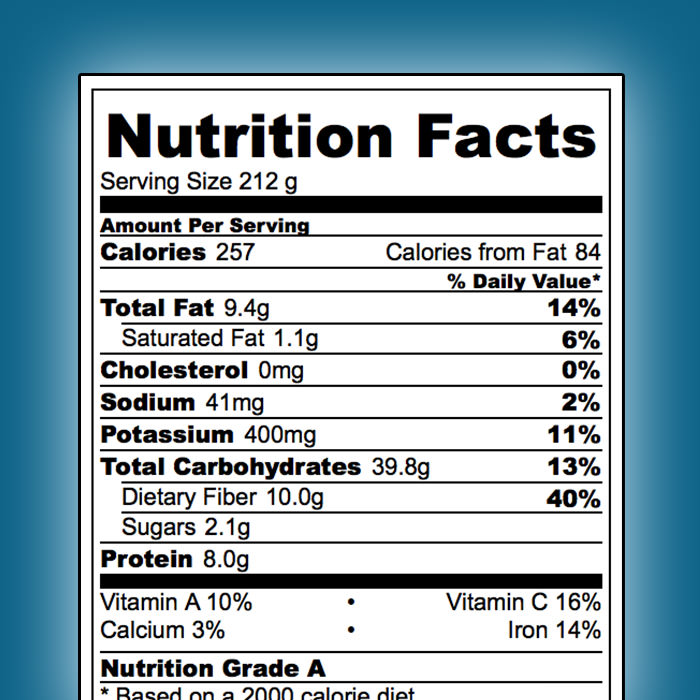
Core Technologies: APIs and Global Nutritional Databases
The foundation of any digital system designed to figure nutritional values is a robust, high-fidelity database. In the past, nutritional data was siloed in government white papers or proprietary laboratory reports. Today, this data is structured and accessible via RESTful APIs, allowing software to query vast amounts of biochemical information.
The Role of Government and Academic Data Repositories
Most professional-grade nutritional software relies on foundational datasets like the USDA’s FoodData Central. This repository provides a tiered structure of data, including “Foundation Foods” (which are backed by extensive laboratory testing) and “Experimental Foods.” For a developer building a nutritional tool, the first step is integrating these datasets into a searchable index. These databases provide the “gold standard” for macro and micronutrients, offering values for protein, lipid, carbohydrate, and vitamin content per 100 grams of a specific ingredient.
Integrating Third-Party Nutritional APIs
For enterprise-level applications, building a database from scratch is often inefficient. Instead, developers utilize third-party APIs such as Edamam, Nutritionix, or FatSecret. These services aggregate data from multiple sources, including manufacturer-provided data and restaurant menus. These APIs use Natural Language Processing (NLP) to interpret user input. For example, if a user enters “three large organic eggs,” the NLP engine parses the quantity (3), the unit (large), and the ingredient (organic eggs), mapping these strings to a specific database ID to return an accurate nutritional profile.
Data Normalization and Scaling
A significant challenge in figuring nutritional values digitally is data normalization. Ingredients are often measured in disparate units—grams, ounces, milliliters, or “cups.” Software engines must perform real-time conversions based on the density of the ingredient. Calculating the caloric density of a cup of lead is vastly different from a cup of spinach. Advanced nutritional algorithms include density mapping for thousands of ingredients to ensure that volume-to-weight conversions maintain a high degree of accuracy.
The Role of AI and Computer Vision in Nutrient Estimation
We are currently witnessing a transition from text-based entry to visual recognition. Artificial Intelligence (AI) and Machine Learning (ML) are now capable of figuring nutritional values through image analysis, a field known as “Food Recognition Technology.”
Convolutional Neural Networks (CNNs) for Food Identification
Modern health apps often utilize Convolutional Neural Networks to identify food items in a photograph. By training models on millions of labeled images, AI can distinguish between a sourdough loaf and a multigrain loaf. Once the item is identified, the software estimates the volume based on depth-sensing cameras or reference objects in the frame. This spatial analysis allows the AI to calculate the approximate weight of the food, which is then cross-referenced with nutritional databases to provide an instant breakdown of calories and macros.
Predictive Modeling for Recipe Analysis
AI is also used to “deconstruct” complex dishes. When a user uploads a photo of a bowl of ramen, the AI doesn’t just see “ramen.” It identifies the probable components: wheat noodles, pork broth, soft-boiled egg, and scallions. Using predictive modeling, the software estimates the ratio of these ingredients based on common culinary standards. While not as precise as weighing each ingredient on a digital scale, this AI-driven approach provides a friction-less user experience that is increasingly accurate as more data is processed.
Bridging the Gap with Generative AI
The latest iteration of nutritional tech involves Large Language Models (LLMs). These models can act as a sophisticated intermediary, helping users figure nutritional values for home-cooked meals by “reasoning” through the preparation process. If a user describes a cooking method (e.g., “sautéing in two tablespoons of butter”), the LLM understands the chemical changes and fat absorption that occur during the process, adjusting the final nutritional output accordingly.
Software Engineering for Food-Tech: Building Calculation Engines
Building a software tool to figure nutritional values requires a deep understanding of mathematical logic and regulatory requirements. It is not merely an addition of values; it is a complex calculation involving yields, moisture loss, and retention factors.
Yield Factors and Moisture Loss
When food is cooked, its weight changes, but its caloric content often remains relatively stable (with the exception of fat rendered out or alcohol evaporated). Professional nutritional software must account for “yield factors.” For instance, a piece of beef might lose 25% of its weight during roasting due to water evaporation. If a software engine calculates the nutrients based on the cooked weight using raw data, the results will be significantly skewed. Engineers must program “retention algorithms” that adjust the nutrient density based on the cooking method applied to the ingredient.
Compliance and Regulatory Algorithms
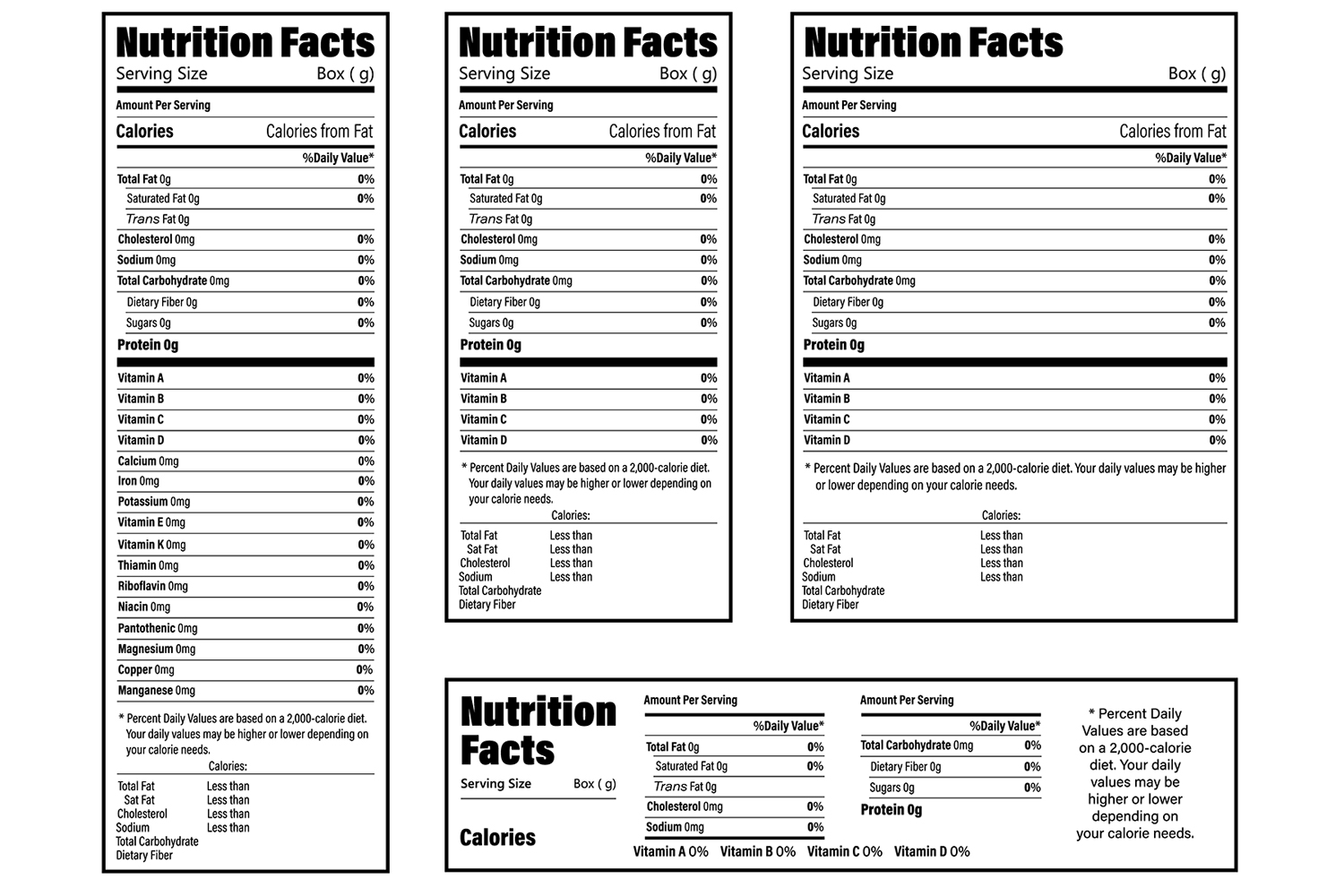
In the corporate sector, figuring nutritional values is a matter of legal compliance. In the United States, the FDA has strict guidelines for nutrition facts panels, including rounding rules (e.g., if a product has less than 5 calories, it can be labeled as 0). Software engines designed for food manufacturers must include “label-generation modules” that automatically apply these regulatory rounding rules. This ensures that the digital output matches the physical packaging requirements, reducing the risk of costly labeling errors.
Security and Data Integrity in Health-Tech
Because nutritional data is often tied to personal health information (PHI), digital security is paramount. When building apps that track nutritional intake, developers must adhere to standards like HIPAA in the US or GDPR in Europe. Figuring nutritional values is no longer just about the food; it is about the secure transmission of biometric data between the user’s device and the cloud. Encrypting these data streams ensures that a user’s dietary habits—which can reveal medical conditions like diabetes or hypertension—remain private.
The Interconnectivity of IoT and Biological Data
The future of figuring nutritional values lies in the integration of the Internet of Things (IoT) and “Bio-convergence.” We are moving toward an ecosystem where our kitchen appliances, wearable devices, and software work in unison to track nutrient flow.
Smart Kitchen Hardware
The “Connected Kitchen” is a growing segment of the tech market. Smart scales integrated with Bluetooth can send precise weight data directly to a nutritional software engine, eliminating the guesswork of volume estimation. Even more advanced are smart ovens and refrigerators equipped with internal cameras and spectral sensors. These devices can analyze the chemical composition of food as it is stored or cooked, providing real-time data to a centralized health dashboard.
Wearables and Real-Time Bio-Feedback
Perhaps the most revolutionary shift in figuring nutritional values is the move from “what we eat” to “how we process it.” Wearable technology, such as Continuous Glucose Monitors (CGMs), provides a digital window into how a specific nutritional profile affects an individual’s biology. In this context, “figuring values” takes on a personalized meaning. A software platform can correlate a specific intake (e.g., 50g of carbohydrates) with a blood glucose spike, allowing the AI to provide personalized nutritional advice. This creates a feedback loop where the tech not only calculates what is in the food but also determines the “biological value” for the specific user.
The Role of Blockchain in Traceability
As consumers demand more transparency, blockchain technology is being utilized to figure the “nutritional provenance” of food. By tracking an ingredient from the farm to the table on a decentralized ledger, software can verify claims like “organic,” “grass-fed,” or “non-GMO.” This adds a layer of verified data to the nutritional profile, allowing the software to provide a more comprehensive view of the food’s impact, including its environmental footprint and ethical score.
Conclusion: The New Frontier of Nutritional Informatics
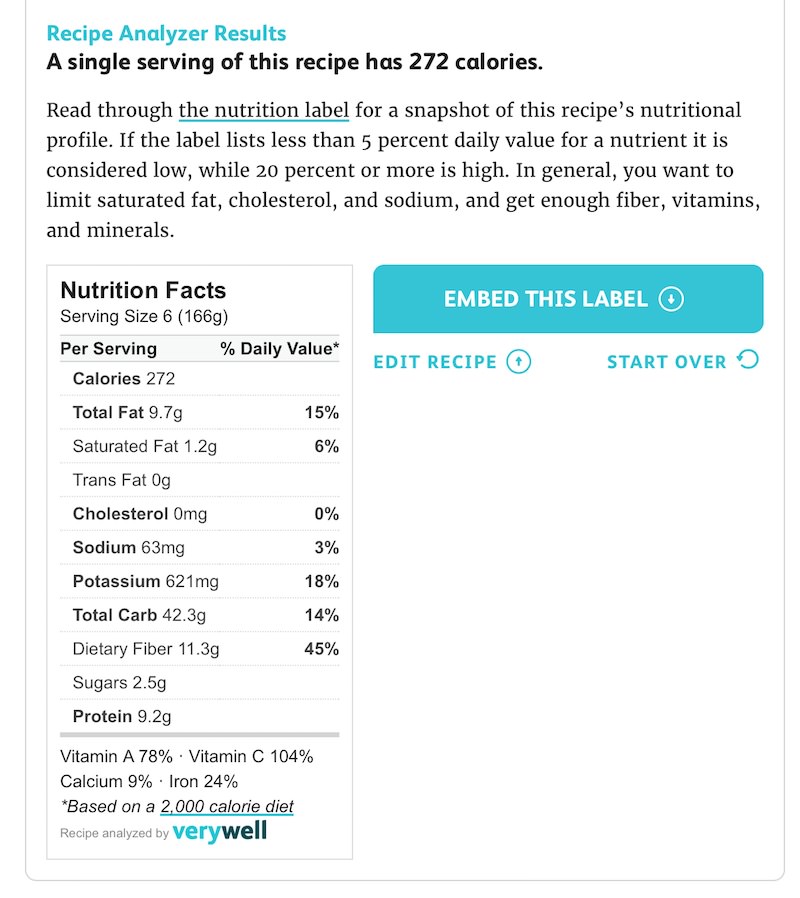
The ability to figure nutritional values has become a cornerstone of the global tech economy. From the APIs that power calorie-tracking apps to the computer vision models that recognize our meals, the intersection of nutrition and technology is more vibrant than ever. As software continues to refine its ability to account for culinary variables, moisture loss, and individual biological responses, we move closer to a world of perfect dietary information.
For the tech industry, the challenge remains in the accuracy and integration of these diverse data streams. By continuing to innovate in AI, database management, and IoT connectivity, we can transform nutritional analysis from a chore of manual entry into a seamless, invisible layer of our digital lives. The goal is clear: a future where the technology understands the food we consume better than we do, providing the insights necessary to optimize human health on a global scale.
aViewFromTheCave is a participant in the Amazon Services LLC Associates Program, an affiliate advertising program designed to provide a means for sites to earn advertising fees by advertising and linking to Amazon.com. Amazon, the Amazon logo, AmazonSupply, and the AmazonSupply logo are trademarks of Amazon.com, Inc. or its affiliates. As an Amazon Associate we earn affiliate commissions from qualifying purchases.