
Buying a car is a significant financial decision for most individuals and households. Beyond the excitement of choosing a make and model, the critical step of understanding and calculating your car payment is paramount to responsible financial planning. A car payment isn’t just a number; it’s a commitment that impacts your monthly budget, savings, and overall financial health for years to come. Successfully navigating this process requires a clear understanding of the various components that contribute to your monthly outlay, as well as strategies to ensure you’re making a financially sound choice. This guide will demystify the process, empowering you to approach car financing with confidence and control.
Understanding the Core Components of a Car Payment
Before you can accurately calculate a car payment, it’s crucial to grasp the fundamental elements that constitute the total cost of your auto loan. Each component plays a significant role in determining your monthly obligation and the overall expense over the life of the loan.
The Vehicle’s Price: MSRP vs. Negotiated Price
The starting point for any car payment calculation is the price of the vehicle itself. Manufacturers Suggested Retail Price (MSRP) is merely a recommendation. The actual price you pay will be the negotiated price, which can be considerably lower than the MSRP, especially for new cars, or the listed price for used cars. This negotiated price, along with any add-ons or warranties you purchase, forms the basis of the amount you will need to finance, known as the principal. A lower negotiated price directly translates to a smaller loan amount and, consequently, a lower monthly payment and less interest paid over time. Savvy negotiation can save you thousands.
Interest Rates (APR) and Their Impact
The Annual Percentage Rate (APR) is perhaps the most critical factor influencing your car payment beyond the vehicle’s price. The APR represents the annual cost of borrowing money, expressed as a percentage of the loan amount. It includes the interest rate plus any additional fees charged by the lender. A higher APR means you’ll pay more in interest over the life of the loan, significantly increasing your monthly payment and the total cost of the car. Conversely, a lower APR can dramatically reduce your financial burden. Your credit score is the primary determinant of the interest rate you’ll be offered, emphasizing the importance of maintaining good credit.
Loan Term Length: 36, 48, 60, 72 Months and Beyond
The loan term, or the duration over which you agree to repay the loan, is another pivotal factor. Common loan terms range from 36 to 72 months, with some stretching even longer. While a longer loan term generally results in a lower monthly payment, making the car seem more affordable in the short term, it also means you’ll pay more in total interest over the life of the loan. This is because the interest accrues for a longer period. A shorter loan term, while resulting in higher monthly payments, leads to less total interest paid and allows you to own the car outright sooner. Striking the right balance between monthly affordability and total cost is key.
Down Payments and Trade-Ins
A down payment is an initial upfront payment made towards the purchase of the car, reducing the amount you need to borrow. Similarly, trading in your old vehicle can contribute to this initial payment, effectively lowering the principal loan amount. Both a substantial down payment and a valuable trade-in immediately reduce your loan principal, which in turn lowers your monthly payments and the total interest you’ll pay over the loan’s term. Financial experts often recommend aiming for at least a 20% down payment on a new car to mitigate depreciation and reduce the loan amount.
The Car Payment Calculation: Step-by-Step
Understanding the factors is one thing; putting them into action to calculate your actual payment is another. While complex formulas exist, practical tools and a basic understanding of the math can make this process straightforward.
The Loan Principal: What You Actually Borrow
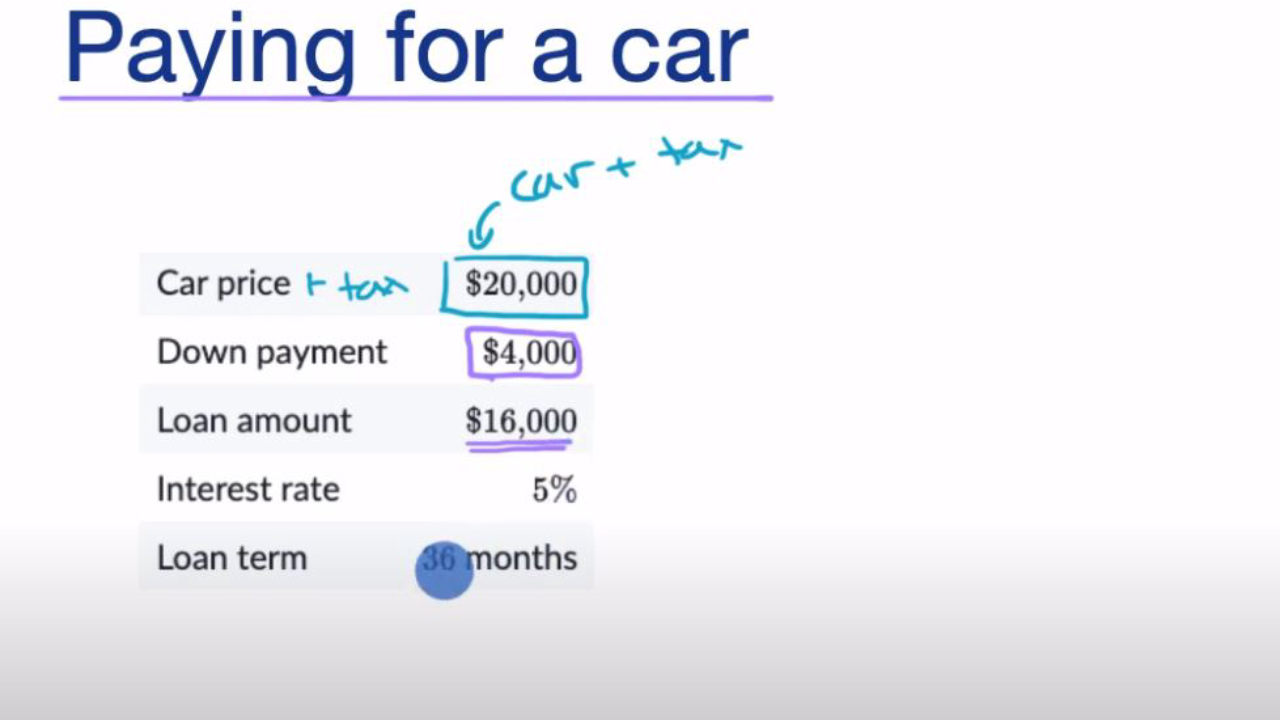
Before calculating anything, you need to determine the exact amount you will be borrowing. This is the vehicle’s negotiated price, plus any applicable sales tax, registration, and documentation fees, minus your down payment and any trade-in value. This net figure is your principal loan amount. For example, if a car costs $30,000, and you put down $5,000, your principal is $25,000, plus any taxes and fees financed.
The Amortization Schedule Explained
An amortization schedule is a table detailing each periodic loan payment, showing how much of the payment is applied to the interest versus the principal. In the early stages of a car loan, a larger portion of your payment goes towards interest. As the loan matures, more of each payment chips away at the principal. Understanding this schedule helps you see how your payments reduce your debt over time and highlights the total interest paid. While you might not create one manually, most loan agreements or online financial tools will implicitly follow this structure.
Using Online Calculators (as a Financial Tool)
For most consumers, the easiest and most accurate way to figure a car payment is by using online auto loan calculators. These financial tools are widely available on bank websites, credit union sites, and automotive portals. You simply input the principal loan amount, the interest rate (APR), and the loan term, and the calculator instantly provides your estimated monthly payment. These tools are invaluable for comparing different scenarios – e.g., how a higher down payment or a shorter term impacts your monthly outlay – and are a cornerstone of responsible financial planning when buying a car.
Manual Calculation (Brief Overview of the Formula)
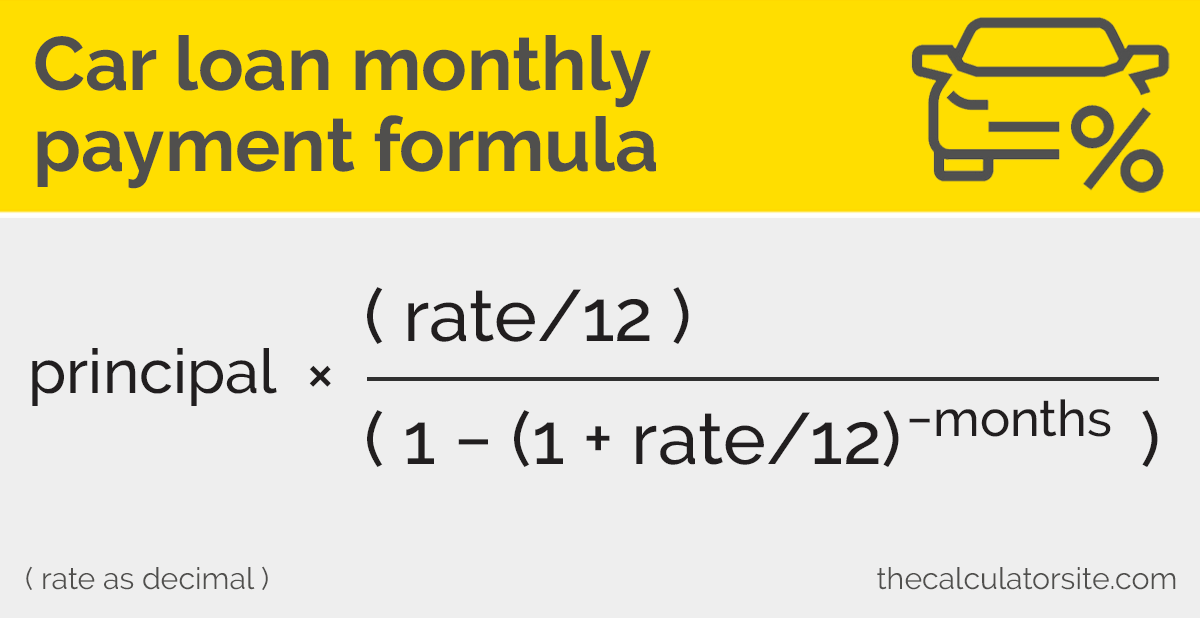
For those interested in the underlying mechanics, the formula for a fixed-rate loan payment is:
M = P [ i(1 + i)^n ] / [ (1 + i)^n – 1]
Where:
- M = Monthly Payment
- P = Principal Loan Amount
- i = Monthly Interest Rate (Annual APR / 12)
- n = Total Number of Payments (Loan Term in years * 12)
While not necessary for practical use given online tools, understanding this formula provides insight into how each variable impacts the final payment figure.
Factors Beyond the Monthly Principal and Interest
Focusing solely on the principal and interest payment can lead to an incomplete and potentially misleading picture of the true cost of car ownership. Several other mandatory and optional expenses significantly impact your overall budget.

Sales Tax, Registration, and Licensing Fees
These are often overlooked but unavoidable costs. Sales tax is typically a percentage of the car’s purchase price and varies by state. Registration fees are paid to your state’s Department of Motor Vehicles (DMV) to legally operate your vehicle, and these often recur annually. Licensing fees cover your vehicle’s license plates. Depending on your state, these can either be paid upfront out-of-pocket or rolled into your loan, increasing your principal. Always factor these into your total acquisition cost.
Insurance Costs: A Non-Negotiable Expense
Car insurance is a legal requirement in most places and a critical financial safeguard. The cost of insurance can vary wildly based on the car’s make and model, your driving record, age, location, and the type of coverage you choose. Before finalizing a car purchase, it’s prudent to get insurance quotes for the specific vehicle you’re considering. A surprisingly high insurance premium can quickly turn an “affordable” car payment into an unsustainable one, directly impacting your monthly financial commitments.
Maintenance and Fuel Considerations
While not part of your loan payment, ongoing operational costs are integral to your car ownership budget. Fuel expenses depend on the car’s fuel efficiency (MPG) and your driving habits. Maintenance costs include routine services like oil changes, tire rotations, and eventual repairs. New cars typically have lower immediate maintenance costs due to warranties, but all vehicles require ongoing care. Factoring in these regular outlays prevents unexpected financial strain and provides a more holistic view of car ownership expenses.
Extended Warranties and Add-ons
Dealerships often offer extended warranties, GAP insurance, paint protection, and other add-ons. While some of these might offer genuine value (like GAP insurance, which covers the difference between what you owe on your loan and the car’s actual cash value if it’s totaled), many are high-profit items for the dealership. If you opt for them, these costs are typically rolled into your loan, increasing your principal and, consequently, your monthly payment and total interest. Carefully evaluate the necessity and value of each add-on before agreeing to them.
Strategies for Managing and Optimizing Your Car Payment
Armed with a comprehensive understanding of car payment components, you can employ various strategies to ensure your auto loan is as financially advantageous as possible.
Improving Your Credit Score
Your credit score is the single most impactful factor in determining the interest rate you’ll qualify for. A higher credit score signals lower risk to lenders, resulting in lower APRs and substantial savings over the life of the loan. Before car shopping, take steps to improve your credit: pay bills on time, reduce existing debt, and check your credit report for errors. Even a slight improvement in your score can translate into hundreds or thousands of dollars saved.
Shopping Around for Loan Offers
Never assume the dealership offers the best financing. It’s a fundamental principle of personal finance to shop around. Secure pre-approvals from multiple lenders – banks, credit unions, and online lenders – before you visit the dealership. This provides you with leverage during negotiation and gives you a benchmark against which to compare any financing offered by the dealer. A difference of even half a percentage point in APR can save you a significant amount over the loan term.
Maximizing Your Down Payment
As discussed, a larger down payment reduces your loan principal, which directly lowers your monthly payments and the total interest paid. It also creates immediate equity in your vehicle, offering a buffer against depreciation. If possible, save aggressively for a substantial down payment. This not only eases your monthly financial burden but also puts you in a stronger financial position from day one.
Refinancing Your Auto Loan
If you’ve already financed a car and your credit score has improved, or interest rates have dropped since your initial purchase, refinancing your auto loan could be a smart financial move. Refinancing replaces your existing loan with a new one, potentially with a lower interest rate or a more favorable term. This can lead to lower monthly payments or a reduced total cost of the loan, saving you money and improving your financial flexibility.
Common Mistakes to Avoid When Financing a Car
Even with a solid understanding, certain pitfalls can derail your financial goals when figuring a car payment. Awareness of these common mistakes can save you from costly errors.
Focusing Solely on the Monthly Payment
One of the biggest mistakes consumers make is fixating only on the monthly payment amount. While a low monthly payment is appealing, it often comes at the cost of a longer loan term and significantly more interest paid over time. Always consider the total cost of the loan, including all interest, fees, and the principal, not just the single monthly figure. A slightly higher monthly payment for a shorter term can be a far better financial decision in the long run.
Extending Loan Terms Too Far
While a 72- or 84-month loan can offer attractively low monthly payments, these extended terms mean you’ll be paying interest for a much longer period. This significantly increases the total cost of the car. Furthermore, cars typically depreciate rapidly, especially in the first few years. A very long loan term can put you in an “upside-down” position, where you owe more on the car than it’s worth, making it difficult to sell or trade in without incurring a loss.
Overlooking Total Cost of Ownership
As touched upon earlier, a car payment is just one piece of the puzzle. Failing to budget for insurance, fuel, maintenance, and potential repairs can lead to financial stress. A car that seems affordable based on its payment might become a financial drain when all ownership costs are considered. Always create a comprehensive budget that includes all recurring and potential car-related expenses.
Not Budgeting for Post-Purchase Expenses
Beyond the operational costs, consider accessories, detailing, parking fees, tolls, and unforeseen emergencies. While these might seem minor, they add up. Having a buffer in your budget for these post-purchase expenses ensures that your car ownership experience remains enjoyable and financially stable, rather than a source of stress.
In conclusion, figuring a car payment is more than just plugging numbers into a calculator. It’s an exercise in comprehensive financial planning, requiring an understanding of various components, proactive strategies to secure favorable terms, and an awareness of potential pitfalls. By taking a diligent, informed approach, you can ensure your car payment aligns with your financial capacity, contributing positively to your overall financial well-being.
aViewFromTheCave is a participant in the Amazon Services LLC Associates Program, an affiliate advertising program designed to provide a means for sites to earn advertising fees by advertising and linking to Amazon.com. Amazon, the Amazon logo, AmazonSupply, and the AmazonSupply logo are trademarks of Amazon.com, Inc. or its affiliates. As an Amazon Associate we earn affiliate commissions from qualifying purchases.