
Establishing a small business is often romanticized as a journey of passion and creativity. However, beneath the surface of every successful enterprise lies a rigorous financial framework. From a fiscal perspective, a business is not merely a provider of products or services; it is a capital allocation machine designed to generate a return on investment.
To transition from an idea to a viable commercial entity, an entrepreneur must master the “Money” niche. This involves understanding capital acquisition, tax efficiency, cash flow management, and long-term financial sustainability. This guide outlines the essential financial pillars required to establish a small business that is built to last.
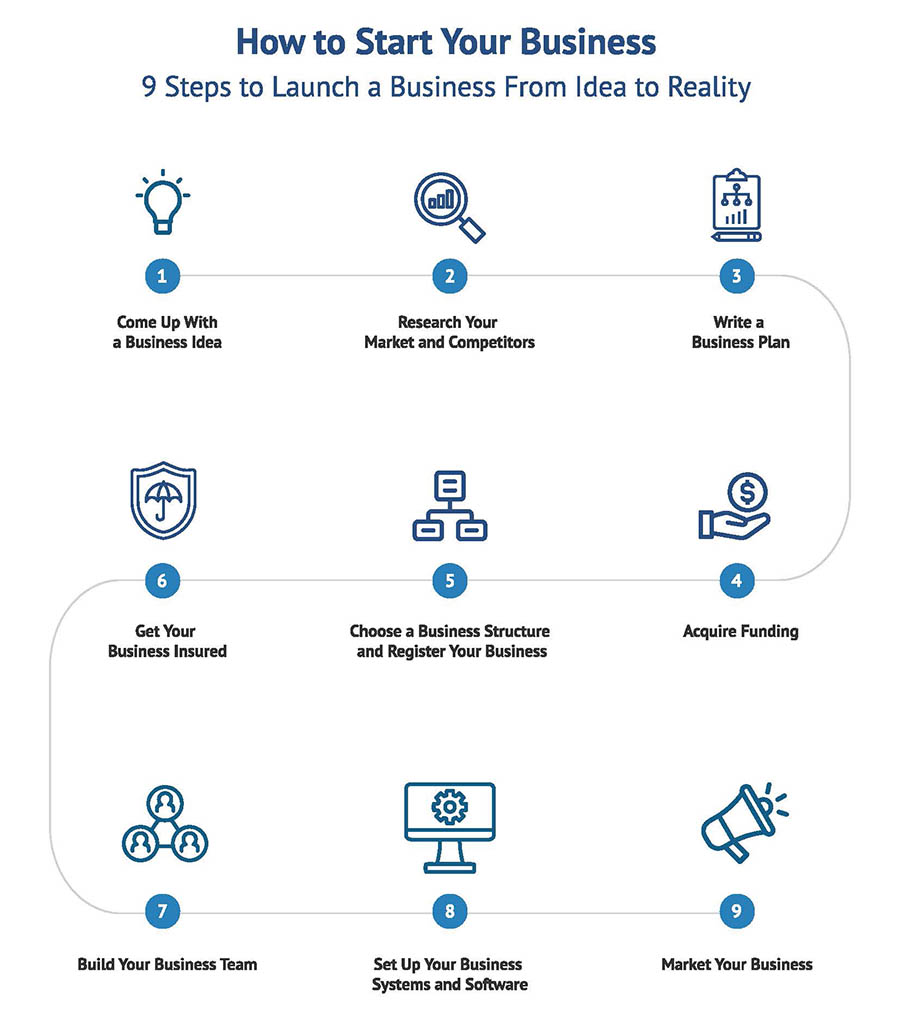
1. The Foundation: Capital Acquisition and Funding Models
The first hurdle for any aspiring business owner is determining how to fund the initial phase of operations. Without adequate capitalization, even the most innovative business models will fail before they reach the break-even point. Choosing the right funding model dictates your level of control, your debt obligations, and your long-term equity.
Bootstrapping vs. External Funding
Bootstrapping involves using personal savings and initial sales revenue to grow the business. The primary financial advantage here is the retention of 100% equity and total decision-making power. However, bootstrapping often limits the speed of growth, as you are constrained by your own liquidity.
Conversely, external funding—such as seeking angel investors or venture capital—provides a significant cash infusion that can accelerate market entry. The trade-off is the dilution of ownership. From a financial strategy standpoint, you must weigh the “cost of capital” (the equity you give up) against the potential “return on equity” that rapid growth might provide.
Navigating Small Business Loans and Lines of Credit
Debt financing is a common path for businesses with predictable overhead. Small Business Administration (SBA) loans or traditional bank loans allow you to maintain ownership while leveraging borrowed capital.
When establishing your business, it is crucial to understand the “Debt Service Coverage Ratio” (DSCR). Lenders use this to determine if your projected income can comfortably cover your loan payments. A line of credit is another flexible financial tool, providing a safety net for seasonal fluctuations or unexpected expenses without the immediate interest burden of a lump-sum loan.
Understanding Venture Capital and Angel Investors
For high-growth startups, equity financing via angel investors or venture capital (VC) firms is often necessary. These investors look for “scalable” models where a small amount of capital can lead to exponential returns. When pitching for this type of money, your financial projections—including your “Pre-money Valuation” and “Post-money Valuation”—must be meticulously calculated to ensure you are not undervalued.
2. Financial Infrastructure: Structuring for Profitability
Once capital is secured, the next step in establishing a small business is building the infrastructure that will manage that money. Proper structure ensures that you are protected legally and optimized for tax season.
Choosing the Right Legal Entity for Tax Efficiency
The legal structure you choose—be it a Sole Proprietorship, LLC, S-Corp, or C-Corp—has massive implications for your personal liability and tax obligations. For instance, an S-Corp allows for “pass-through taxation,” which can prevent the double taxation often associated with traditional corporations.
From a money management perspective, the goal is to minimize tax leakage. Consult with a tax professional during the establishment phase to determine which structure offers the best “Tax Alpha,” or the value added through strategic tax planning.
Setting Up Comprehensive Accounting Systems
You cannot manage what you do not measure. Establishing a robust accounting system from day one is non-negotiable. Whether you use cloud-based software or a professional firm, your system must track every dollar entering and leaving the business.
Key financial statements—the Balance Sheet, the Income Statement (P&L), and the Cash Flow Statement—provide the “pulse” of the business. An Income Statement tells you if you are profitable over a period, but the Cash Flow Statement tells you if you have enough actual cash in the bank to pay your bills. Many profitable businesses have gone bankrupt because they lacked the liquidity to cover short-term liabilities.
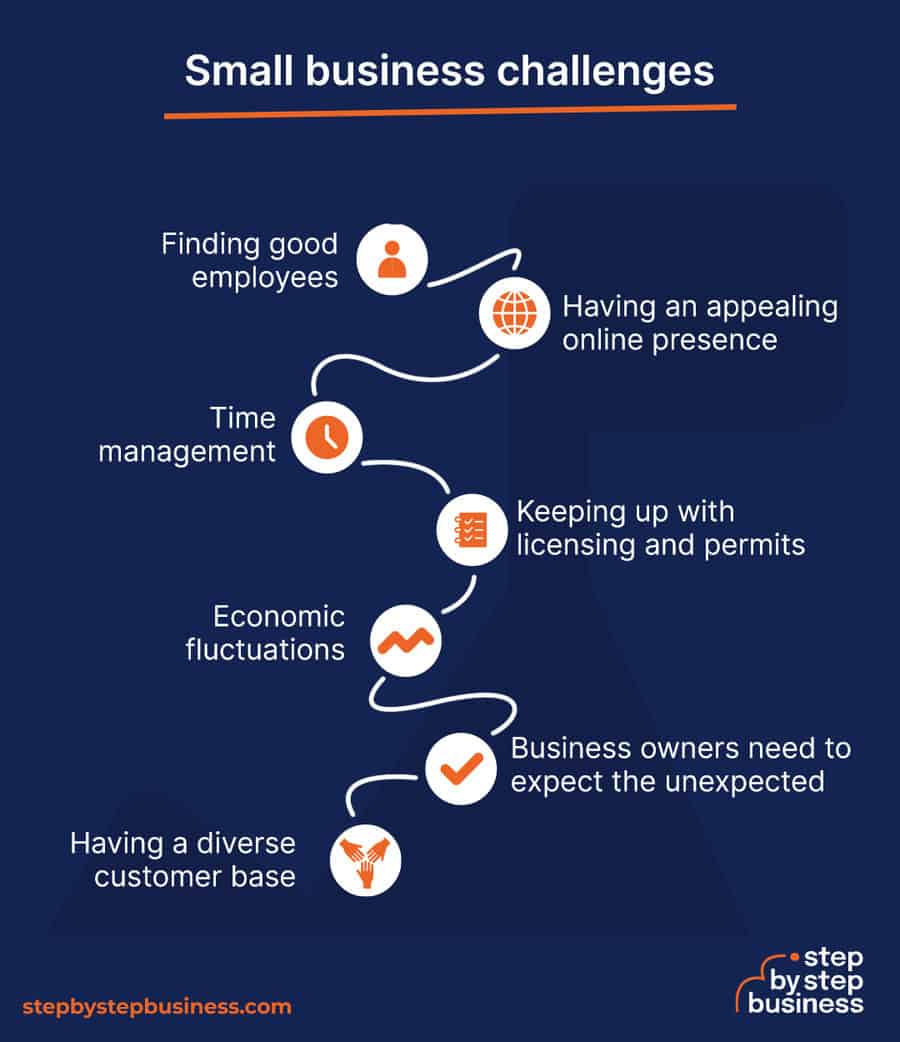
Managing Cash Flow: The Lifeblood of Early-Stage Ventures
Cash flow management is the art of timing. It involves balancing “Accounts Receivable” (money owed to you) with “Accounts Payable” (money you owe). To establish a healthy small business, you must implement strategies to shorten your cash conversion cycle. This might include offering discounts for early payments from clients or negotiating longer payment terms with your suppliers. Maintaining a positive cash flow is often more important than “paper profit” in the first 24 months of operation.
3. Budgeting and Resource Allocation
Strategic spending is what separates successful entrepreneurs from those who simply “burn” through their initial capital. Every dollar spent in a new business should be viewed through the lens of ROI (Return on Investment).
Estimating Startup Costs and Burn Rates
Before the doors open, you must calculate your “Burn Rate”—the amount of money you spend each month before you become cash-flow positive. This includes fixed costs (rent, insurance, salaries) and variable costs (marketing, raw materials).
To establish a business safely, you should ideally have a “runway” of at least six to twelve months. This runway is the amount of time the business can survive if it generates zero revenue. Calculating your “Break-even Point”—the exact moment where total revenue equals total expenses—is the first major financial milestone you must aim for.
Strategic Reinvestment: Balancing Growth and Liquidity
Once the business begins generating revenue, the temptation is often to either take a large salary or reinvest every penny back into growth. A sound financial strategy finds the middle ground.
“Retained Earnings” are the profits kept within the business to fund future expansion or pay down debt. Smart resource allocation involves identifying which areas of the business have the highest “Marginal Utility.” If spending $1,000 on a new piece of equipment saves $2,000 in labor costs annually, that is a high-yield reinvestment.
Creating a Financial Contingency Fund
No business plan survives its first encounter with a recession or a global supply chain disruption. Establishing a small business requires a “Capital Reserve.” This is an emergency fund separate from your operating budget. Financial advisors typically recommend keeping three to six months of operating expenses in a highly liquid, low-risk account. This ensures that a temporary downturn does not lead to permanent insolvency.
4. Long-term Financial Health and Exit Strategies
The final phase of establishing a business is ensuring it can thrive without constant capital injections and that it remains an attractive asset for the future.
Monitoring Key Performance Indicators (KPIs)
Financial health is monitored through specific metrics beyond just the bank balance. You must track:
- Gross Margin: The percentage of revenue that exceeds the cost of goods sold.
- Customer Acquisition Cost (CAC): How much you spend to get one new customer.
- Lifetime Value (LTV): The total revenue a single customer generates over time.
A healthy business typically maintains an LTV to CAC ratio of 3:1 or higher. Monitoring these KPIs allows you to make data-driven decisions rather than emotional ones.
Tax Planning and Regulatory Compliance
As a business grows, its tax complexity increases. Established businesses must stay ahead of payroll taxes, sales taxes, and corporate income taxes. Failure to comply can lead to heavy fines that can erase a year’s worth of profit. Employing “Tax-Loss Harvesting” or utilizing specialized tax credits (like R&D credits) can significantly improve your net bottom line.
Planning for Scalability and Potential Exit
Even if you plan to run your business for decades, you should establish it as if you intend to sell it. This means having clean books, automated systems, and a clear path to profitability. An “Exit Strategy” might involve a strategic buyout, an IPO, or passing the business to a successor.
The “Valuation Multiple” of your business—often a multiple of your EBITDA (Earnings Before Interest, Taxes, Depreciation, and Amortization)—is the ultimate grade of your success. By focusing on increasing your earnings and decreasing your risk profile, you increase the terminal value of your enterprise.
Conclusion
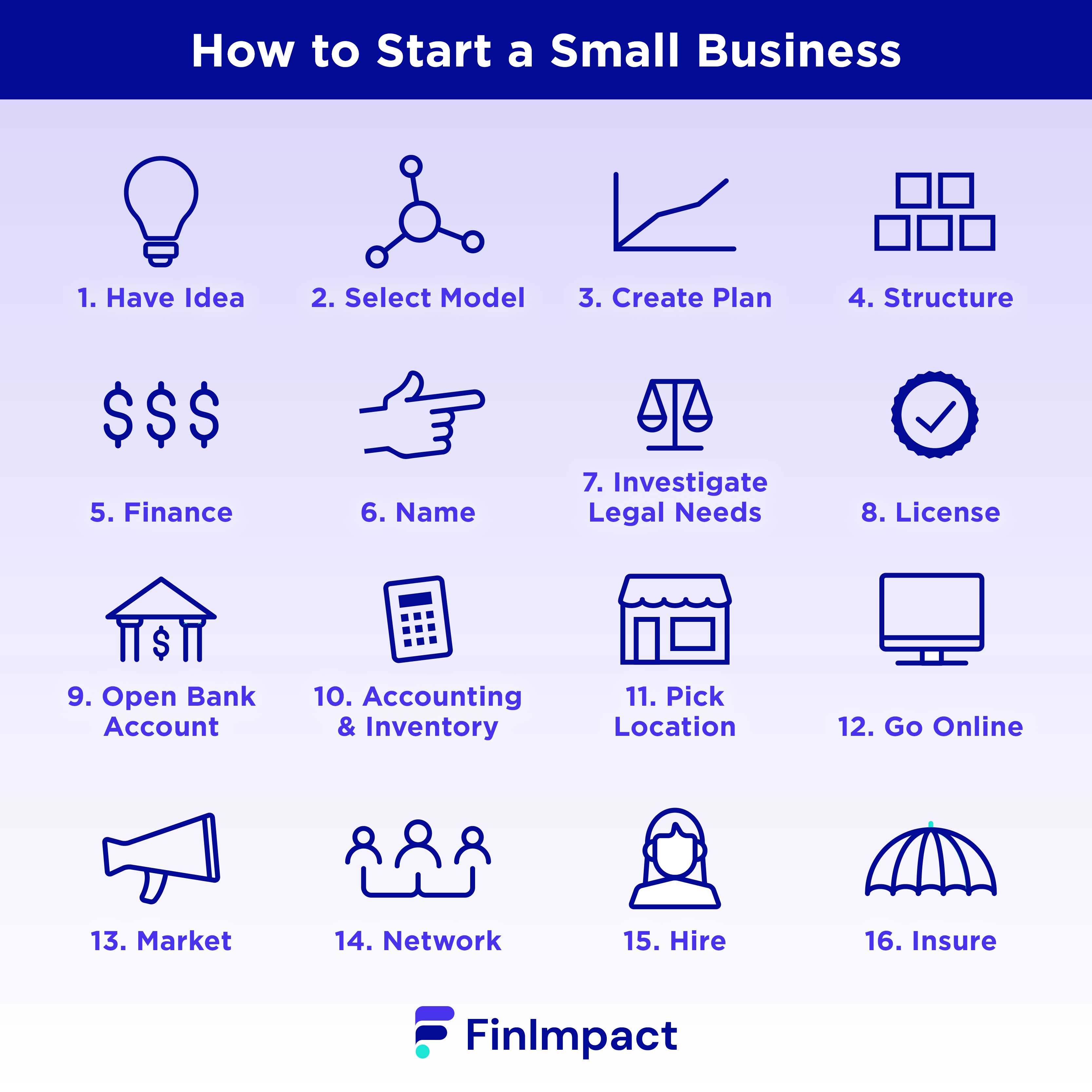
Establishing a small business is a complex financial undertaking that requires more than just a good idea. It requires a disciplined approach to capital, a meticulous eye for budgeting, and a long-term strategy for wealth preservation. By focusing on the “Money” aspect of your venture—securing the right funding, building a robust financial infrastructure, and managing cash flow with precision—you transform a simple side hustle into a powerful financial engine. In the world of business, passion may start the engine, but capital is the fuel that keeps it running.
aViewFromTheCave is a participant in the Amazon Services LLC Associates Program, an affiliate advertising program designed to provide a means for sites to earn advertising fees by advertising and linking to Amazon.com. Amazon, the Amazon logo, AmazonSupply, and the AmazonSupply logo are trademarks of Amazon.com, Inc. or its affiliates. As an Amazon Associate we earn affiliate commissions from qualifying purchases.