
The annual tradition of tax filing has undergone a radical transformation over the last decade. Gone are the days of manual calculations on physical forms, the tedious mailing of paper stacks, and the anxious weeks-long wait for a confirmation of receipt. In the contemporary financial landscape, electronic filing, or e-filing, has become the gold standard for personal finance management. This shift is not merely a matter of convenience; it is a strategic move that enhances financial accuracy, accelerates liquidity through faster refunds, and provides a level of security that paper documents simply cannot match. For the modern individual looking to optimize their financial health, understanding how to navigate the e-filing process is an essential skill.

The Financial Imperative: Why E-filing is Essential for Wealth Management
From a personal finance perspective, e-filing is more than a digital upgrade; it is a tool for capital management. The primary advantage lies in the speed of processing. When a taxpayer submits a return via mail, the IRS or relevant revenue service must manually input that data, a process prone to human error and significant delays. In contrast, e-filed returns are processed by computer systems almost instantaneously.
For many households, a tax refund represents one of the largest single financial infusions of the year. By e-filing and opting for direct deposit, taxpayers can receive their funds in as little as 21 days, compared to the six to eight weeks typical of paper returns. This speed allows for the immediate deployment of capital—whether that means paying off high-interest debt, contributing to an IRA before the deadline, or placing the funds into a high-yield savings account to begin earning interest. In the world of finance, the time value of money is a critical concept; the sooner you possess your capital, the sooner it can work for you.
Furthermore, e-filing software includes built-in error checking. The IRS reports that the error rate for paper returns is approximately 20%, whereas the error rate for e-filed returns is less than 1%. Errors lead to notices, potential audits, and delayed refunds—all of which carry a financial cost in terms of time and potential penalties. By utilizing the logic-based prompts of e-filing platforms, taxpayers can ensure they are maximizing their deductions and credits, such as the Earned Income Tax Credit (EITC) or the Child Tax Credit, which are often overlooked in manual filings.
Selecting the Right Financial Tools for Your Portfolio
Choosing the right platform to e-file is a critical financial decision that depends on the complexity of your income streams. Not all e-filing services are created equal, and the costs associated with them can impact your overall net return.
The IRS Free File Program
For those with an Adjusted Gross Income (AGI) below a certain threshold—typically $79,000 for the current tax year—the IRS Free File program provides access to high-end commercial tax software at no cost. This is a powerful financial tool for those looking to minimize expenses. By using this program, taxpayers can avoid the $60 to $150 fees often charged by commercial platforms for state and federal filings.
Commercial Software for Complex Portfolios
If your financial life involves capital gains from stock trading, cryptocurrency transactions, rental property income, or freelance “side hustle” earnings, you may require more robust commercial software. These platforms are designed to handle Schedule C or Schedule D forms, which track business profit and loss or investment gains. While these services come with a fee, the cost is often offset by the software’s ability to identify specific business expenses and depreciation schedules that a layperson might miss. In this context, the software is an investment in tax liability reduction.
Professional E-filing via CPAs
For high-net-worth individuals or those with intricate corporate structures, the best “how-to” for e-filing involves a Certified Public Accountant (CPA). A professional can e-file on your behalf using specialized institutional software. This approach provides the highest level of financial scrutiny and allows for sophisticated tax planning strategies, such as tax-loss harvesting, to be integrated directly into the filing process.
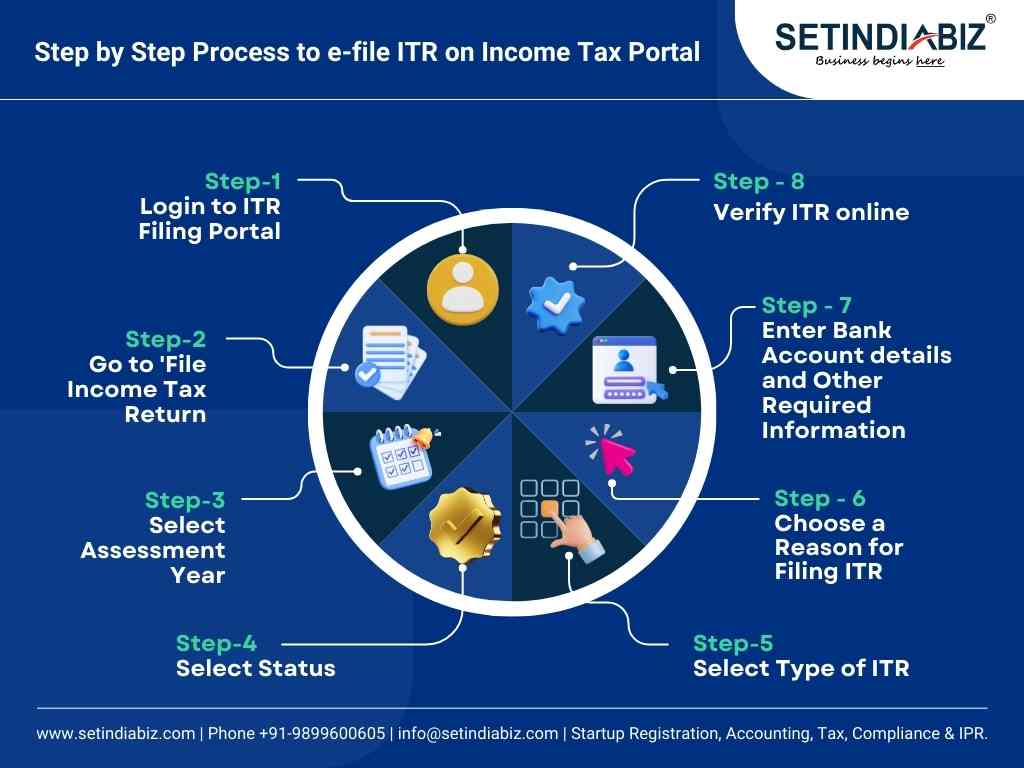
The Strategic Step-by-Step Process of E-filing
E-filing is most effective when approached with a systematic financial mindset. Following a structured process ensures that no income is underreported and no deduction is left unclaimed.

Step 1: Digital Document Consolidation
Before opening any software, you must aggregate your financial data. This includes W-2s from employers, 1099-INTs for interest earned on savings, 1099-DIVs for dividends, and 1099-Bs for brokerage transactions. In the modern era, most financial institutions provide these as downloadable PDFs. Organising these in a secure, encrypted folder is the first step toward an efficient filing.
Step 2: Income Reporting and AGI Determination
Once the software is launched, you will enter your income data. The software calculates your Adjusted Gross Income (AGI), which is a foundational number in personal finance. Your AGI determines your eligibility for various tax credits and the phase-out ranges for certain deductions. Understanding how your contributions to a 401(k) or a traditional IRA lower your AGI is a key component of proactive tax planning.
Step 3: Deduction Strategy: Standard vs. Itemized
The software will help you decide whether to take the standard deduction or to itemize. For the majority of taxpayers, the standard deduction is the most financially beneficial. However, if you have significant mortgage interest, high medical expenses, or substantial charitable contributions, itemizing may lower your taxable income further. The e-filing process allows you to run both scenarios in real-time to see which yields the lower tax liability.
Step 4: Verification and Authentication
To submit an e-filed return, you must verify your identity using your prior year’s AGI or a specific Self-Select PIN. This is a security measure designed to prevent identity theft and fraudulent refund claims. Once verified, the return is transmitted through a secure, encrypted channel to the IRS and state tax authorities.
Maximizing the Financial Outcome of Your Return
The act of e-filing should be the conclusion of a year-long financial strategy. To maximize the outcome, one must look beyond the “Submit” button.
Optimizing Refunds with Direct Deposit
When e-filing, the choice of refund delivery is paramount. Selecting “Direct Deposit” is the most financially sound option. It eliminates the risk of a check being lost or stolen in the mail and places the money directly into your account where it can be liquidated or invested immediately. Some taxpayers choose to split their refund, directing a portion into a checking account for immediate expenses and the remainder into an IRA or a Health Savings Account (HSA) to bolster their long-term financial security.
Addressing Tax Liability
If the e-filing process reveals that you owe money, the digital platform offers several payment options that can help you manage your cash flow. You can schedule an electronic funds withdrawal, pay via credit card (though one should be wary of the associated fees), or set up an online payment plan. From a wealth management perspective, if you owe a significant amount, it may be a signal to adjust your withholdings or increase your estimated quarterly payments for the following year to avoid underpayment penalties.
The Role of Artificial Intelligence in E-filing
The latest generation of e-filing tools utilizes AI to analyze your financial data against the latest tax codes. These tools can flag potential “audit triggers” and suggest adjustments that align with current tax laws. Leveraging this technology is a smart move for any taxpayer, as it provides a level of sophisticated analysis that was previously only available through expensive private consultations.
Safeguarding Your Financial Identity in a Digital Environment
As with all digital financial transactions, e-filing requires a commitment to cybersecurity. Your tax return contains your most sensitive financial data: Social Security numbers, bank account details, and income history.
To protect your financial identity, ensure that you are using a secure, private internet connection—never e-file over public Wi-Fi. Use multi-factor authentication (MFA) on your tax software account. This adds an extra layer of security, requiring a code from your mobile device in addition to your password. Furthermore, be vigilant against “phishing” scams. The IRS does not initiate contact with taxpayers via email, text, or social media to request personal or financial information.
By following these protocols, you treat your e-filing process with the same rigor you would apply to your investment portfolio or your corporate accounting. E-filing is not just a seasonal chore; it is a critical touchpoint in your overall financial strategy, providing an opportunity to review your progress, minimize your liabilities, and secure your financial future through the intelligent application of technology.
aViewFromTheCave is a participant in the Amazon Services LLC Associates Program, an affiliate advertising program designed to provide a means for sites to earn advertising fees by advertising and linking to Amazon.com. Amazon, the Amazon logo, AmazonSupply, and the AmazonSupply logo are trademarks of Amazon.com, Inc. or its affiliates. As an Amazon Associate we earn affiliate commissions from qualifying purchases.