
In the modern financial landscape, the annual ritual of tax filing has transitioned from a mountain of paperwork to a streamlined digital experience. E-filing, or electronic filing, has become the definitive standard for individual taxpayers and business owners alike. Beyond the mere convenience of avoiding the post office, e-filing represents a critical intersection of personal finance management and digital efficiency. By leveraging the right tools and understanding the nuances of the digital return, taxpayers can ensure accuracy, maximize their potential refunds, and secure their financial data against the rising tide of identity theft.

The Evolution of Tax Filing: Why E-Filing is the Gold Standard for Personal Finance
The shift from paper-based returns to electronic filing is not just a technological upgrade; it is a fundamental improvement in how individuals manage their financial relationship with the government. For the modern investor or side-hustler, e-filing offers a level of precision that manual calculations simply cannot match.
Speed and Accuracy: Reducing Human Error
One of the most significant advantages of e-filing is the drastic reduction in mathematical errors. The IRS reports that paper returns have an error rate of nearly 20%, whereas e-filed returns drop that figure to less than 1%. From a money management perspective, an error on a tax return can lead to delayed refunds, unexpected audits, or missed opportunities for deductions. Most e-filing software utilizes built-in algorithms that cross-check your data, ensuring that your Adjusted Gross Income (AGI) and taxable income calculations are logically consistent.
Faster Refunds and Real-Time Tracking
In the world of personal finance, the “time value of money” is a core principle. The faster you receive your tax refund, the sooner that capital can be deployed into high-yield savings accounts, debt repayment, or investment portfolios. E-filing, especially when combined with direct deposit, can result in a refund being issued in as little as 21 days. Furthermore, the digital nature of the process allows for real-time tracking through tools like the IRS “Where’s My Refund?” portal, providing a level of transparency that was historically impossible with paper mail.
Essential Financial Documentation: Preparing for a Seamless E-Filing Experience
Successful e-filing begins long before you log into a software platform. It starts with the meticulous organization of your financial life. Gathering the necessary documentation is a proactive step in ensuring that you capture every dollar you are entitled to keep.
Organizing Your Income Streams: W-2s, 1099s, and Beyond
In today’s gig economy, many taxpayers have multiple income streams. Beyond the traditional W-2 for full-time employment, you must account for 1099-NEC forms for freelance work, 1099-INT for interest earned on savings, and 1099-DIV for investment dividends. E-filing platforms are designed to aggregate these diverse sources. By having these documents digitalized and ready, you can ensure that your reported income matches what the IRS has on file, preventing “red flag” discrepancies that could trigger an inquiry.
Maximizing Deductions and Credits
The difference between a “good” tax return and a “great” one often lies in the strategic application of deductions and credits. Whether you are taking the standard deduction or itemizing expenses related to a home office or charitable contributions, e-filing tools guide you through interview-style questions to uncover savings. Understanding the distinction between a tax deduction (which lowers your taxable income) and a tax credit (which reduces your tax bill dollar-for-dollar) is essential. Common credits, such as the Earned Income Tax Credit (EITC) or the Child Tax Credit, can significantly impact your bottom line, and e-filing software is programmed to identify your eligibility based on the financial data you provide.
Navigating the Landscape of E-Filing Platforms
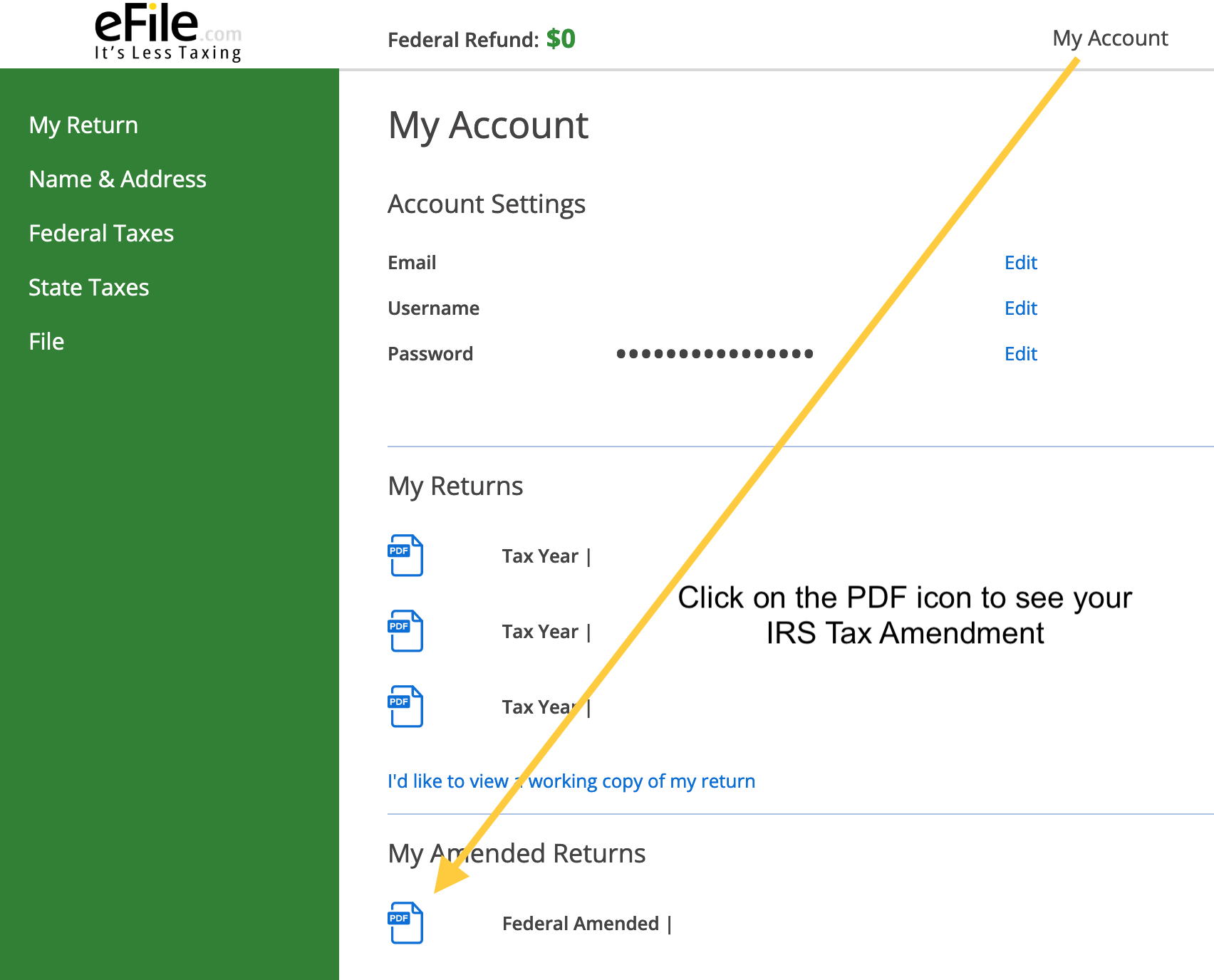
Choosing the right platform is a strategic financial decision. Depending on your income level and the complexity of your financial situation, the “best” tool may vary from a free government resource to a premium software suite.
The IRS Free File Program: Cost-Effective Solutions
For many taxpayers, paying for tax software is an unnecessary expense. The IRS Free File program is a public-private partnership that provides free name-brand tax software to taxpayers with an Adjusted Gross Income (AGI) below a certain threshold (typically around $79,000). For those looking to optimize their personal budget, utilizing these free tools is a smart way to fulfill tax obligations without eating into your potential refund. Additionally, the IRS recently launched “Direct File” in certain states, a pilot program allowing taxpayers to file directly with the government for free.
Commercial Software vs. Professional Tax Preparers
As your net worth grows or your business interests become more complex—such as owning rental properties or managing a diverse crypto portfolio—the choice of platform becomes more nuanced. Premium software like TurboTax or H&R Block offers robust support for complex forms, while professional CPAs provide personalized strategic advice. From a money management standpoint, the cost of a professional preparer may be offset by the high-level tax planning advice they provide, which software might miss. Deciding between a DIY e-file approach and professional assistance is a cost-benefit analysis every taxpayer should perform annually.
The Step-by-Step Execution of an E-Filed Return
Once your documentation is organized and your platform is chosen, the actual process of e-filing involves a logical progression of data entry and verification. Following a disciplined workflow ensures that no financial detail is overlooked.
Verifying Identity and Secure Submission
To file electronically, you must verify your identity using your prior year’s AGI or a self-selected PIN. This is a critical security step designed to prevent fraudulent filings. Once your data—including income, deductions, and credits—is entered, the software will perform a final diagnostic. It is vital to review the summary page carefully. Ensure that your routing and account numbers for direct deposit are accurate; a single digit error here can result in your refund being sent to the wrong institution or returned to the IRS as a paper check, causing significant delays.
Handling State Returns and Digital Signatures
Most e-filing platforms allow you to file your federal and state returns simultaneously. While federal e-filing is often free or included in the software price, state e-filing may carry an additional fee depending on the provider. The final step is the “digital signature,” which is legally binding. By clicking the “Submit” button, you are certifying under penalty of perjury that the financial information provided is accurate to the best of your knowledge. Once submitted, you will receive an electronic acknowledgement—usually within 24 to 48 hours—confirming that the IRS has accepted your return.
Post-Filing Best Practices: Security and Long-Term Financial Management
The process doesn’t end once the “Acceptance” email arrives. Protecting your financial data and using the results of your tax return to inform your future financial strategy are the hallmarks of sophisticated money management.
Safeguarding Your Digital Records
In the digital age, your tax return contains your most sensitive financial information, including Social Security numbers, bank account details, and income history. It is imperative to save a PDF copy of your filed return and all supporting documents in a secure, encrypted digital vault or an offline storage device. The IRS generally recommends keeping these records for at least three years, as they are essential for future loan applications, mortgage approvals, and potential audits. Protecting this data is a key component of maintaining your overall digital financial security.

Adjusting Withholdings and Planning for the Future
Your tax return is a powerful diagnostic tool for your financial health. If you received a massive refund, it means you essentially gave the government an interest-free loan throughout the year. Conversely, if you owed a significant amount, you may face underpayment penalties. Use the “Tax Withholding Estimator” on the IRS website to adjust your Form W-4 with your employer. By fine-tuning your withholdings, you can increase your take-home pay each month, allowing you to invest that money throughout the year rather than waiting for a lump sum refund. This proactive approach ensures that your money is always working for you, rather than sitting idle in the government’s coffers.
aViewFromTheCave is a participant in the Amazon Services LLC Associates Program, an affiliate advertising program designed to provide a means for sites to earn advertising fees by advertising and linking to Amazon.com. Amazon, the Amazon logo, AmazonSupply, and the AmazonSupply logo are trademarks of Amazon.com, Inc. or its affiliates. As an Amazon Associate we earn affiliate commissions from qualifying purchases.